
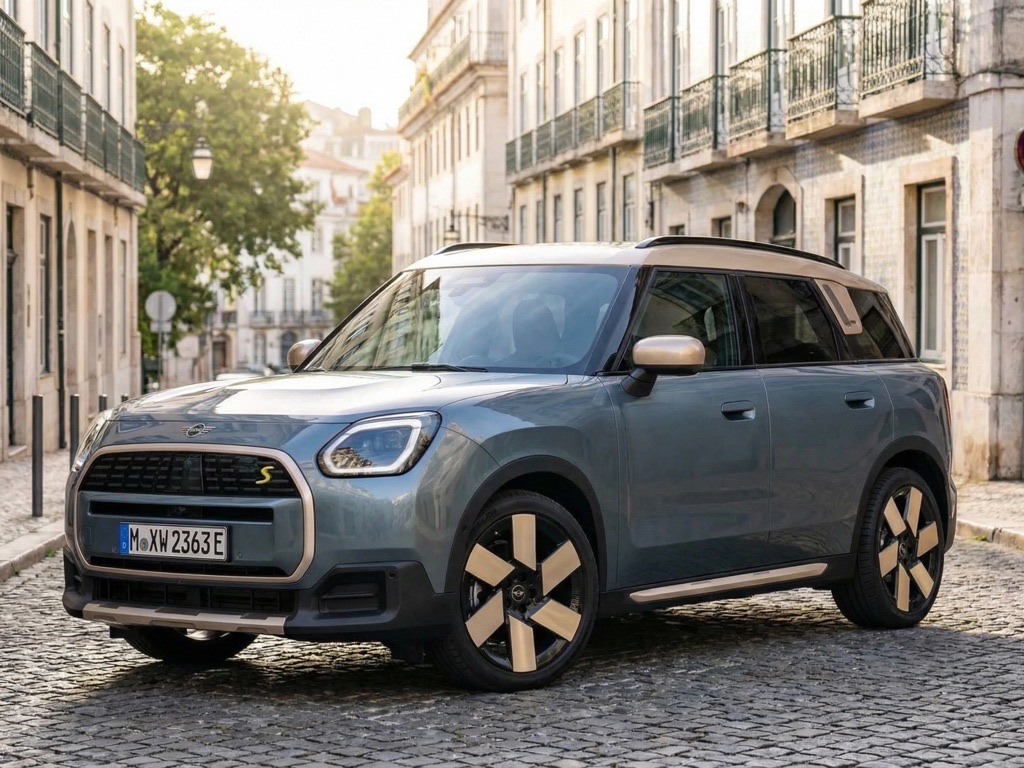
The Mini Countryman Electric is not trying to win the EV spreadsheet war.
It’s not the longest-range compact SUV.
It’s not the fastest-charging.
And it’s definitely not the cheapest.
What it is — is one of the few compact electric SUVs that still has character.
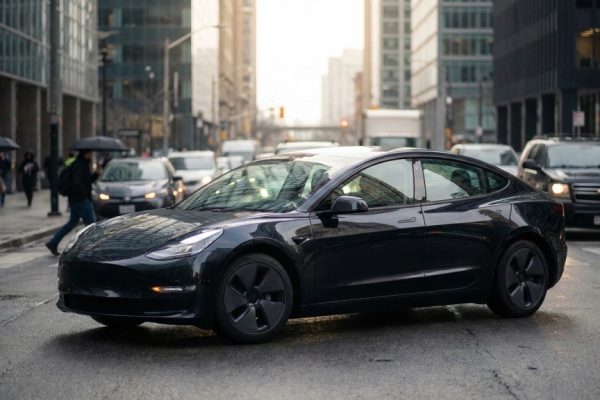
In 2026, buyers are choosing between hyper-efficient Teslas, value-focused Volvos, and premium German crossovers. The Countryman EV sits in the emotional middle ground: premium feel, strong performance, and design that doesn’t look like every other aerodynamic blob.
But does that justify the price?
Let’s go deep.
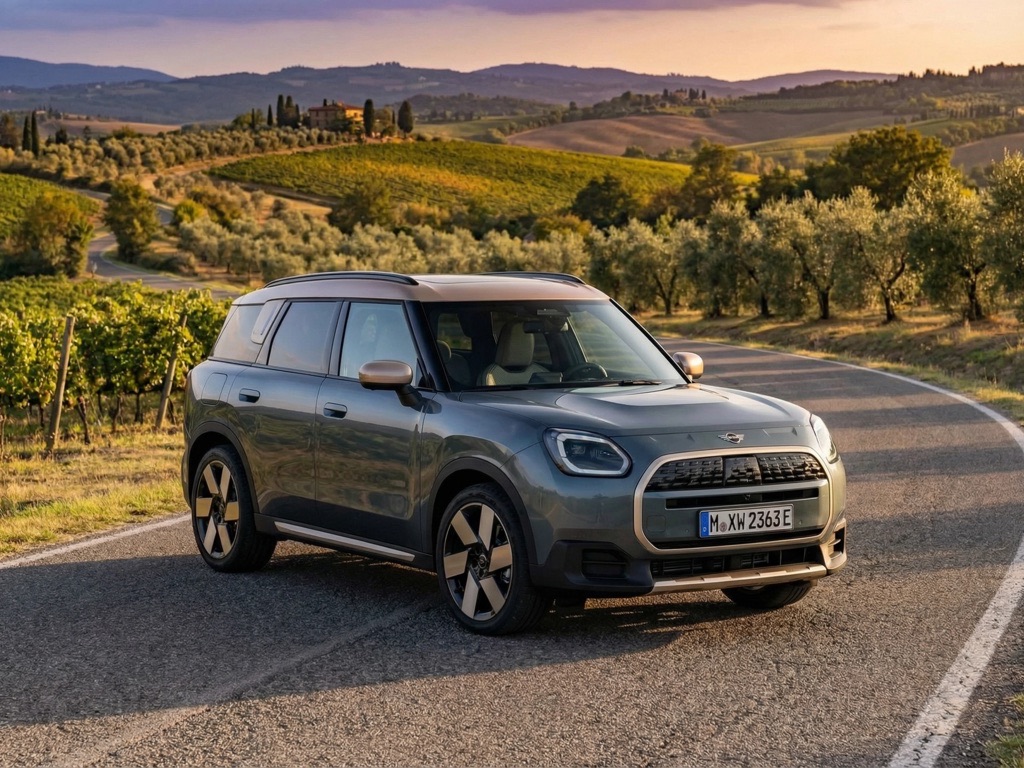
⚡ QUICK VERDICT
Best for: Buyers who want premium design + balanced driving feel in a compact EV
Not recommended for: Range-per-dollar maximizers or freqReal-world rangeoad trippers
Real-world range (expert estimate): 215–245 miles (345–395 km)
Biggest advantage: Interior quality + dual-motor driving balance
Main drawback: 130 kW charging is average in 2026
Overall rating: 9.2/10
This is a lifestyle EV — but a well-engineered one.
📊 Key Specifications (2026)
| Specification | Value | |
|---|---|---|
| Battery capacity | 64.7 kWh (≈61 kWhWLTP range 462 kml-world range | 215–245 miles |
| EPA range | ~212–225 miles | |
| WLTP range | 462 km (287 miles) | |
| Efficiency (mixed) | 3.4–3.8 mi/kWh | |
| DC fast charging | Up to 130 kW | |
| 10–80% DC charge | ~29–32 minutes | |
| 0–60 mph | 5.4 sec (SE ALL4) | |
| Drivetrain | FWD (204 hp) / AWD (313 hp) | |
| Starting price (US) | ~$46,000 | |
| Starting price (EU) | ~€43,000 |
What These Numbers Actually Mean
- The battery is competitive for the class.
- The range is respectable — but not segment-leading.
- Charging speed is fine… but not impressive anymore.
- AWD performance is genuinely strong for this size.
This is a balanced EV — not a spec monster.
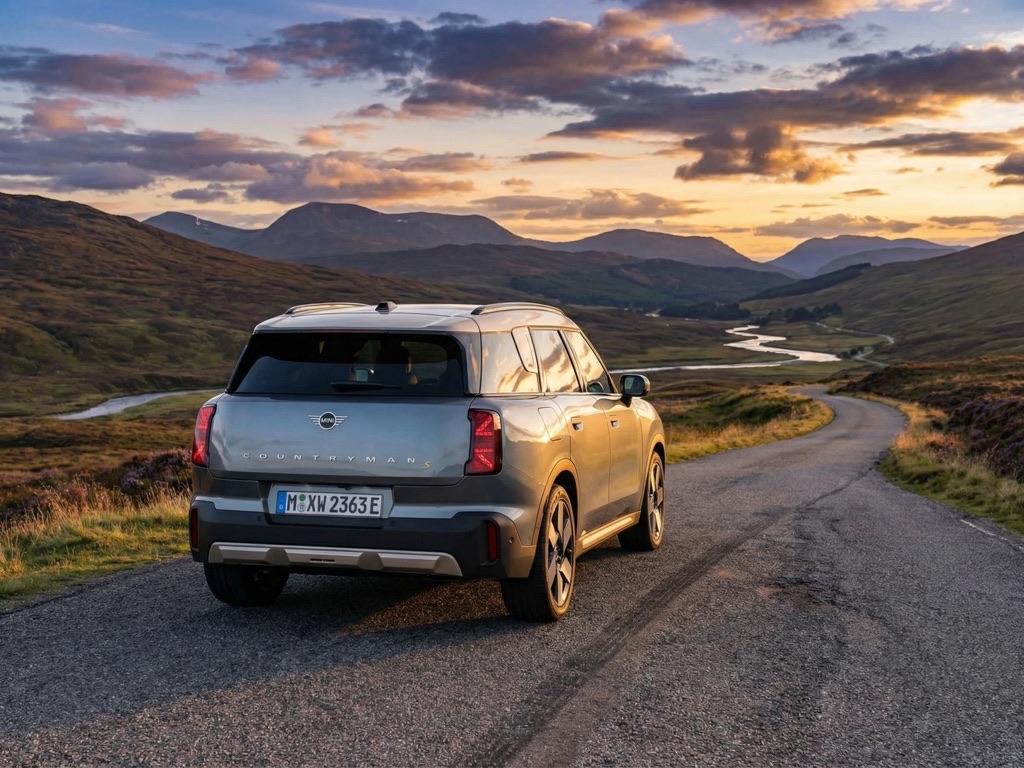
🚗 Real-World Driving Experience
City Driving: Where ItEfficiency in city trafficns, the Countryman EV feels effortless.
- Instant torque
- Smooth throttle calibration
- Strong regenerative braking tuning
- Tight turning radius
Efficiency in city traffic can reach 3.8 mi/kWh — translating into a realistic 240+ mile potential in mild conditions.
It feels refined, not twitchy. Mini matured here.
Highway Driving: The Honest Truth
At 75 mph (120 km/h):
 Reviews
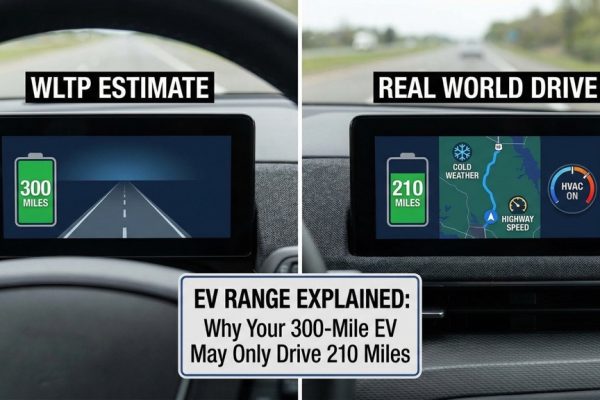
EV Range Explained: Why Your 300-Mile EV May Only Drive 210 Miles (Real vs WLTP)
Most EV buyers overestimate how far their future car will actually drive. They don’t realize it in summer. They realize...
 Reviews
History Of The Electric Car
In 1841, the dawn of electric transportation emerged with the debut of the first electric car prototype—a modest cart outfitted...
 Reviews
Tesla Cybertruck Review 2026: Real-World Range, Charging & Verdict
TL;DR ✅ Buy Tesla Cybertruck if you want: Supercar-level acceleration in a full-size electric pickup Stable, predictable, fast-charging via the...
- Expect 200–220 miles realistic range
- Efficiency drops to ~3.0 mi/kWh
- Wind noise is well controlled
- Ride remains composed
It’s stable and confident — but aerodynamics aren’t Tesla-level.
If you regularly drive 400–600 miles in a day, the charging speed becomes noticeable.









Charging: Good, Not Great
Peak DC: 130 kW
10–80%: ~30 minutes
In 2026, that’s average.
Competitors are pushing 170–250 kW.
The difference? On a long trip, you’ll spend ~10–15 minutes more per stop.
For weekly commuting and home charging, this won’t matter.
For frequent interstate travel, it might.
Interior & Software
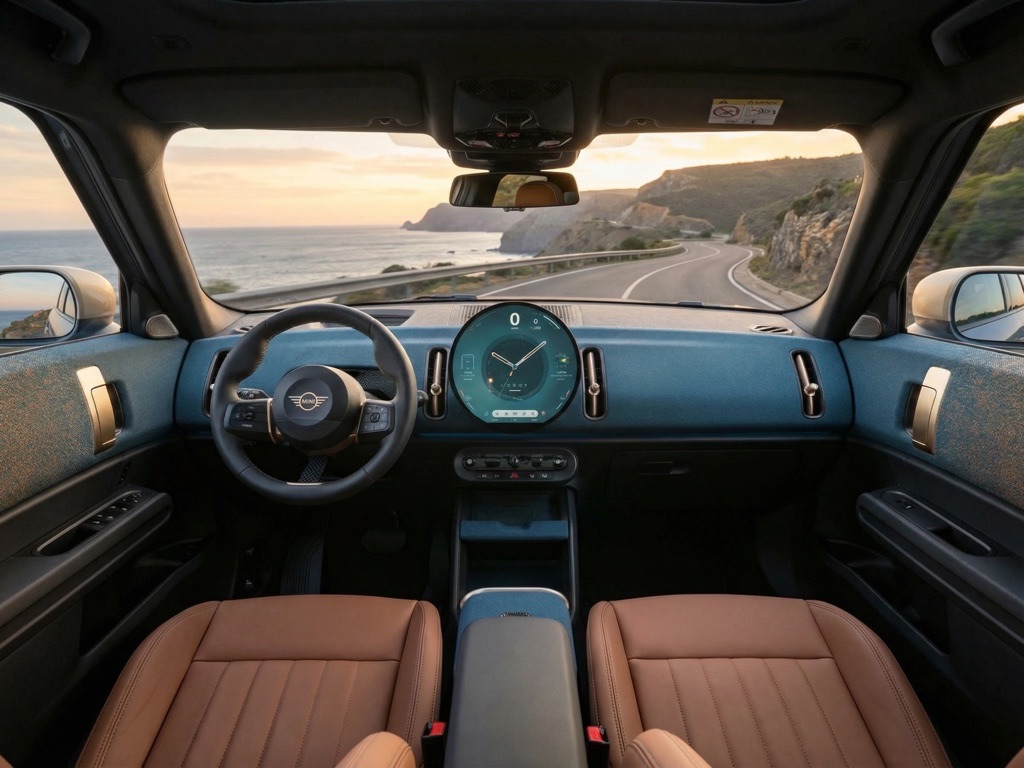
The circular OLED display remains one of the most distinctive interiors in the EV market.
BMW-based software brings:
- Stability
- Fast response
- Reliable Apple CarPlay / Android Auto
However:
- Climate is still screen-heavy
- Some UI elements prioritize style over clarity
Build quality feels closer to BMW than the old Mini.
And here’s the psychological factor:
After sitting in this cabin, some competitors feel sterile.




👍 Pros & 👎 Cons
👍 Pros
- Distinctive premium interior design
- Strong AWD performance (313 hp)
- Comfortable, mature ride
- Good city efficiency
- Solid BMW-based engineering
👎 Cons
- Charging speed is only average in 2026
- Price is higher than that of efficiency leaders
- Rear legroom is just adequate
- Options inflate cost quickly
- Not class-leading highway range
⚖️ Competitor Comparison (Expanded)
| Model | Battery | Real Range | 10–80% | Price (US) | Key Strength |
|---|---|---|---|---|---|
| Tesla Model Y | ~75 kWh | 260–320 mi | ~20–25 min | ~$44k | Efficiency + Supercharger |
| Volvo EX30 | 64 kWh | 240–275 mi | ~26 min | ~$38k | Value pricing |
| BMW iX1 | 64.7 kWh | 230–260 mi | ~30 min | ~$49k | Conservative premium |
| Mini Countryman EV | 64.7 kWh | 215–245 mi | ~30 min | ~$46k | Character + balance |
Expert Interpretation
- Tesla wins on efficiency and charging ecosystem.
- Volvo wins on value.
- BMW wins on understated luxury.
- Mini wins on emotional engagement.
-
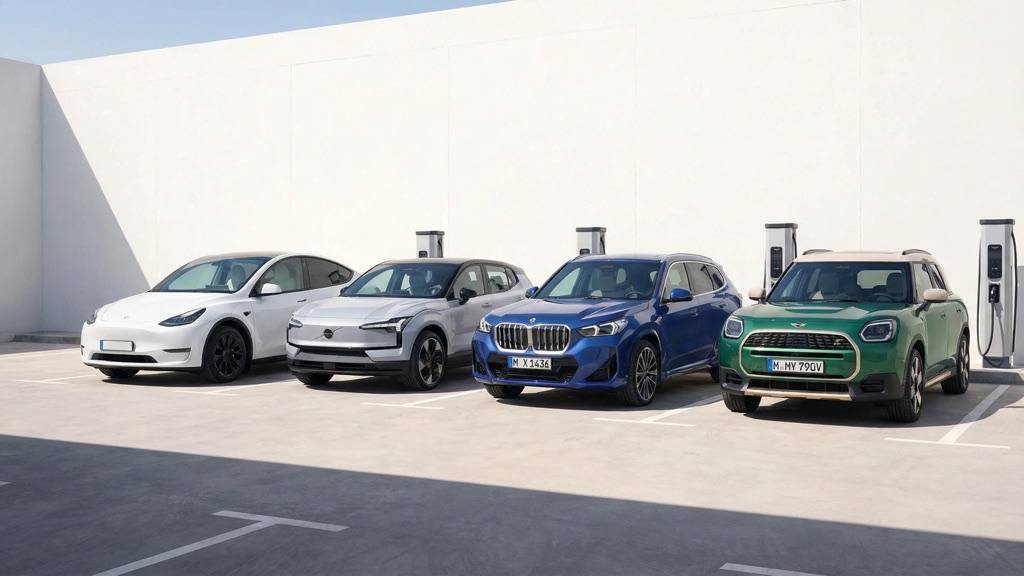
Tesla Model Y vs Volvo EX30 vs BMW iX1 vs Mini Countryman EV
💰 5-Year Ownership Cost (Estimated, 75,000 miles)
Assuming US average electricity cost: $0.15/kWh
| Cost Category | Mini Countryman EV | Tesla Model Y |
|---|---|---|
| Electricity | ~$3,200 | ~$2,800 |
| Maintenance | ~$1,500 | ~$1,200 |
| Insurance (est.) | Slightly higher | Moderate |
| Depreciation (est.) | ~$20k | ~$18k |
| 5-Year Total (est.) | ~$25–27k | ~$22–24k |
Mini is slightly more expensive to own — but not dramatically.
You’re paying a design premium, not a reliability penalty.
🧠 Decision Filter
Buy the Countryman EV if:
- You care about the interior atmosphere
- You want AWD performance in a compact footprint
- You mostly drive under 200 miles per day
- You’re moving from a premium gas SUV
Skip it if:
- You prioritize max range per dollar
- You road-trip constantly
- You want the fastest charging times
- You want the most spacious rear seat
🧠 FINAL EXPERT VERDICT
🔹 SHORT VERDICT
Buy if you want a premium-feeling compact EV with personality.
Skip if efficiency and charging speed dominate your priorities.
🔹 DETAILED VERDICT
The 2026 Mini Countryman EV is not built to dominate comparison charts.
It’s built to make daily driving enjoyable.
In a world where many EVs feel algorithmically optimized, the Countryman still feels designed.
Long-term ownership outlook is strong thanks to BMW platform engineering.
Battery durability should be solid, and thermal management is proven.
Is it the smartest financial EV purchase?
No.
Is it one of the most satisfying compact premium EVs under $50k?
Yes.
And for many buyers, that matters more.
TL;DR
- 215–245 miles real-world range
- 130 kW charging (average in 2026)
- Excellent interior design
- Strong AWD performance
- Slightly pricier than efficiency leaders
A rationally emotional choice.
FAQ
Is the 2026 model different from the 2025?
Minor updates only — same platform and powertrains.
Is AWD worth it?
Yes. It significantly improves acceleration and overall driving feel.
Is it good for winter?
Yes, especially AWD — but expect a 20–30% range reduction in extreme cold.
Is it overpriced?
Against Tesla on paper — slightly. Against premium rivals — fairly positioned.