


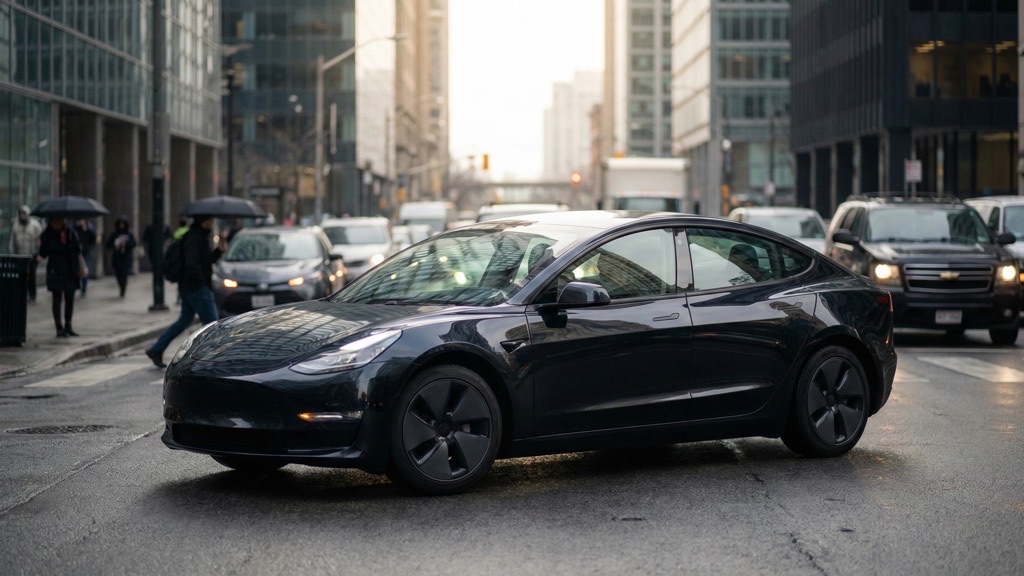
Most commuters are dramatically overbuying their EV.
If you drive 20–60 miles per day, you don’t need a 350-mile battery, dual motors, or a performance badge. What you need is efficiency, predictable charging, comfort in traffic, and low long-term cost.
This guide ranks the 3 smartest commuter EVs for the US and Europe — from 3rd place to 1st — based on:
- Real-world range (not brochure numbers)
- Winter buffer
- Charging behavior in daily life
- 5-year ownership cost logic
- Resale outlook
If you can charge at home, commuting with an EV in 2026 isn’t experimental anymore — it’s economically rational.
⚡ QUICK VERDICT
Best overall commuter EV (2026): Tesla Model 3 RWD
Best highway commuter: Hyundai Ioniq 6 RWD
Best value commuter: Chevrolet Bolt EUV (used)
Real-world range sweet spot: 220–270 miles
Biggest advantage: Massive fuel + maintenance savings
Main risk: Buying too many batteries (wasted money)
Overall commuter EV rating: 9.6/10
If you commute daily and can install Level 2 home charging, switching to EV is one of the most logical financial decisions you can make.
🥉 3rd Place — Chevrolet Bolt EUV (Used Value Champion)
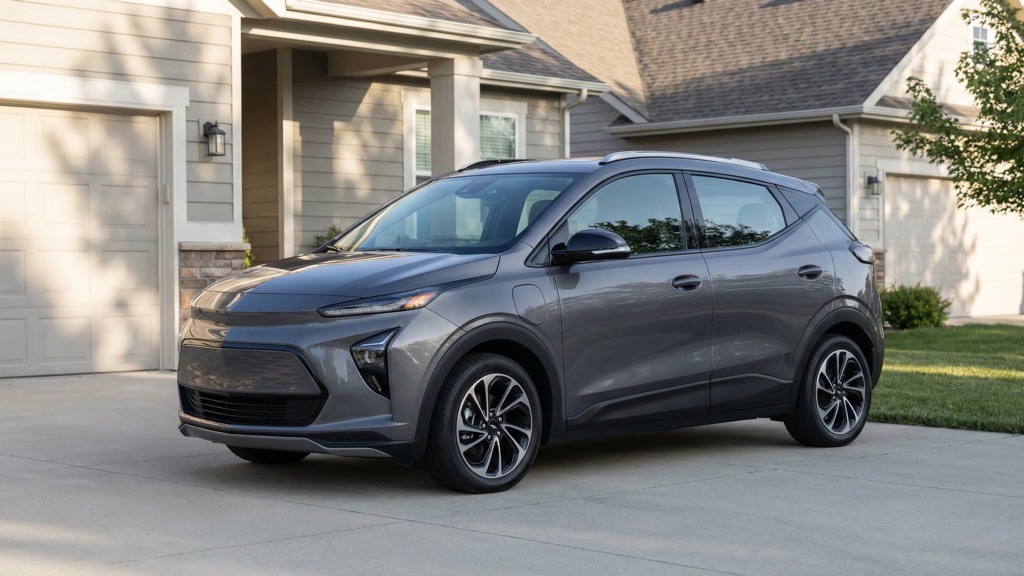
Chevrolet Bolt EUV
This is the rational commuter’s choice.
It’s discontinued — which means depreciation has already done its damage. That’s good for you.
📊 Key Specifications
| Specification | Value |
|---|---|
| Battery capacity | 65 kWh |
| Real-world range | 220–240 miles |
| EPA range | 247 miles |
| DC fast charging | 55 kW |
| 0–60 mph | ~7.0 sec |
| Drivetrain | FWD |
| Used price | $14,000–$19,000 |
Real-World Commuter Analysis
For a 40-mile daily commute:
- You’ll use ~10–12 kWh per day.
- Overnight Level 2 charging fully replenishes in ~2 hours.
The slow 55 kW fast charging sounds bad — but for commuters, it barely matters.
Where It Falls Short
- Not road-trip friendly
- Interior feels budget
- Slower DC charging than modern EVs
Who Should Buy It
Drivers under 50 miles/day who want maximum financial efficiency.
 Reviews
Volvo EX30 Review (2025): Real-World Range, Charging Reality & 600-Mile Test Verdict
The Volvo EX30 is Volvo’s smallest and most affordable electric SUV — positioned below the larger Volvo EX90 and aimed...
 Reviews
Tesla’s Main Problems: Advantages, Risks and What Buyers Must Know in 2026
TL;DR Tesla builds some of the most efficient and software-advanced EVs on the market. But Tesla’s main problems in 2026...
 Reviews
EV Ownership Costs Explained (2026): Real Total Cost vs Gas — With Actual 5-Year Math
Most buyers still ask the wrong question: “How much does it cost to charge an EV?” The real question is:...
🥈 2nd Place — Hyundai Ioniq 6 RWD (Highway Efficiency Specialist)
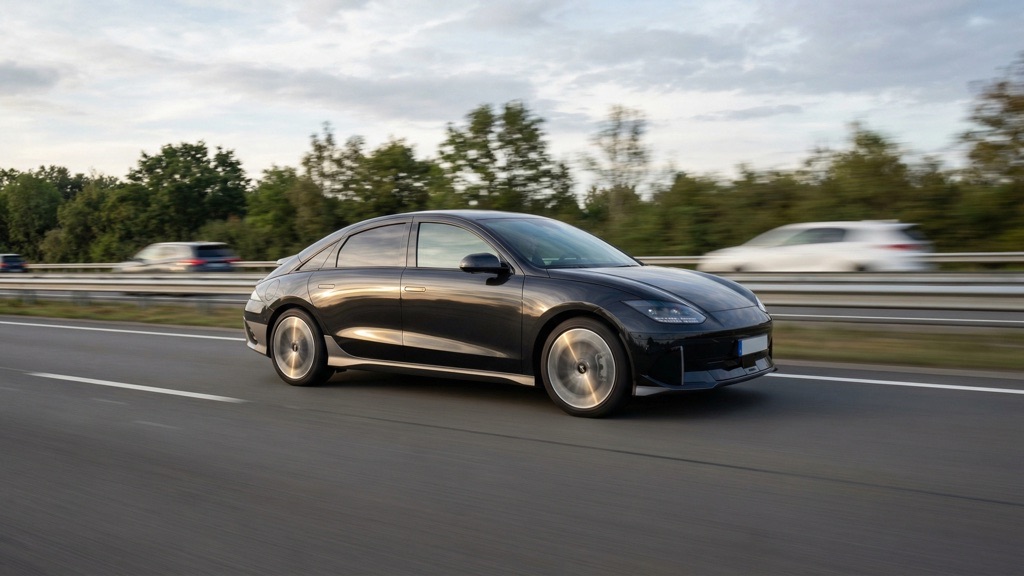
Hyundai Ioniq 6
If your commute includes 40–70 miles of freeway daily, this car starts to make more sense than smaller EVs.
📊 Key Specifications
| Specification | Value |
|---|---|
| Battery capacity | 77.4 kWh |
| Real-world range | 300–330 miles |
| EPA range | Up to 361 miles |
| DC fast charging | Up to 235 kW |
| 0–60 mph | 6.2 sec |
| Drivetrain | RWD / AWD |
| Starting price | ~$42,000 |
Why It Ranks Higher
Highway efficiency is where many EVs struggle. The Ioniq 6 doesn’t.
At 70 mph, it remains one of the most efficient EVs on sale. That matters if:
- You commute long distances
- You drive year-round in cold climates
- You want a winter range buffer
Winter Reality
Expect:
- ~10–15% range drop in mild winter
- ~20–25% in freezing temps
With a 300+ mile real range, you still have a comfortable margin.
Downsides
- Rear headroom limited
- Higher upfront cost
- Styling is polarizing
Who Should Buy It
Long-distance commuters who value efficiency and charging speed.
🥇 1st Place — Tesla Model 3 RWD (Best Overall Commuter EV)
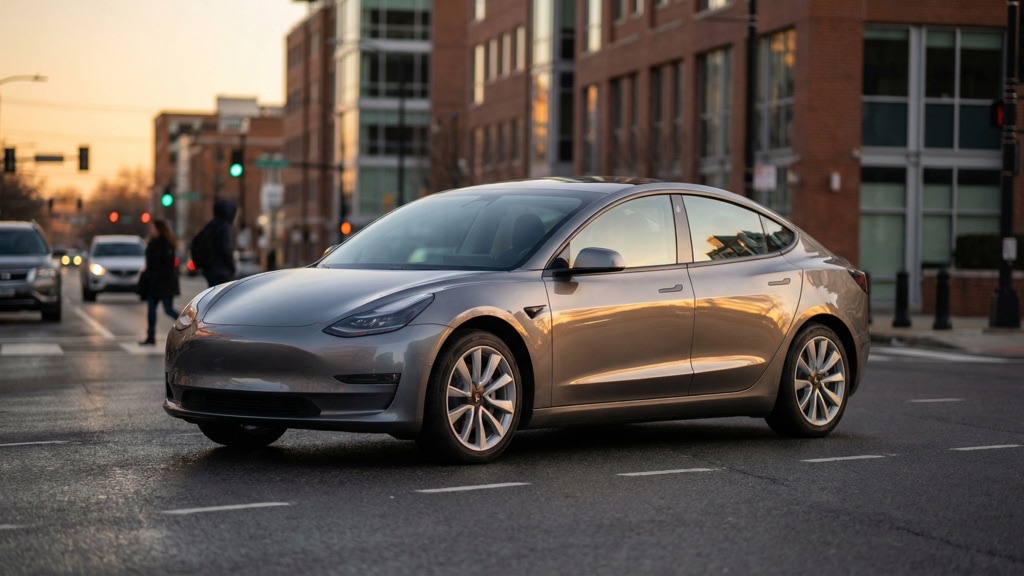
Tesla Model 3
This remains the most balanced commuter EV in 2026.
📊 Key Specifications
| Specification | Value |
|---|---|
| Battery capacity | ~60 kWh usable |
| Real-world range | 240–270 miles |
| EPA range | 272 miles |
| DC fast charging | Up to 170 kW |
| 0–60 mph | 5.8 sec |
| Drivetrain | RWD |
| Starting price | ~$38,000 |
Why It Wins
- Extremely efficient in city traffic
- Strong highway performance
- Excellent charging ecosystem
- High resale value
The 240–270 mile real-world range is ideal for commuting. It gives:
- 4–5 days of buffer without charging
- Comfortable winter margin
- No overspending on battery size
Where It’s Not Perfect
- Minimalist interior
- Higher insurance in some markets
- No physical gauge cluster
Who Should Buy It
Drivers who want the most complete commuting package with strong resale.
📊 5-Year Ownership Cost Estimate (40 miles/day)
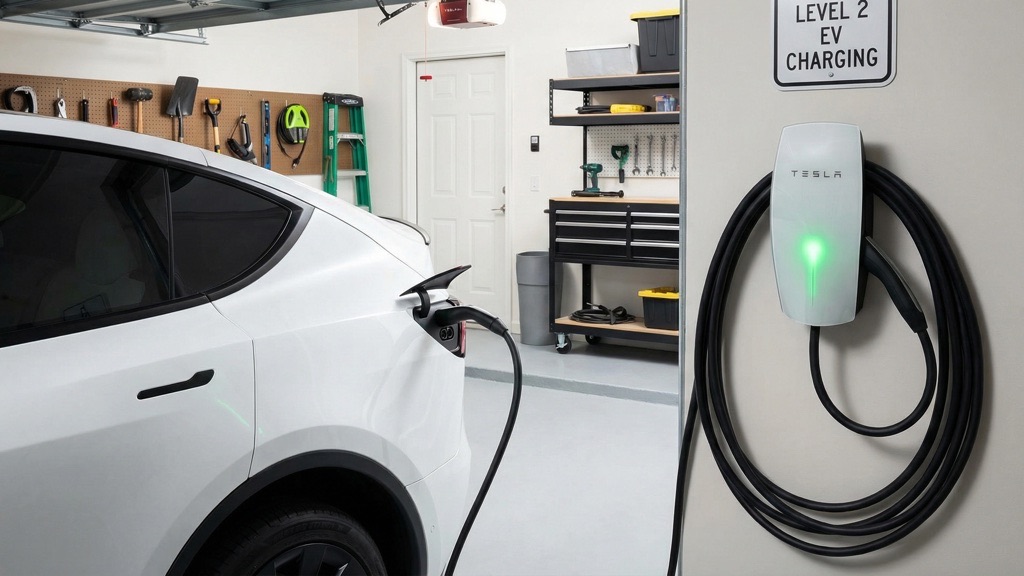
Assumptions:
- 12,000 miles/year
- $0.15/kWh electricity (US average)
- $3.50/gallon gasoline (30 mpg equivalent)
| Vehicle | 5-Year Energy Cost | Est. Maintenance | Depreciation Outlook | Overall Cost Logic |
|---|---|---|---|---|
| Bolt EUV (used) | ~$2,300 | Low | Mostly stabilized | Cheapest total |
| Ioniq 6 | ~$2,500 | Low | Moderate | Higher upfront |
| Model 3 RWD | ~$2,400 | Low | Strong resale | Best balance |
Gas equivalent over 5 years: ~$7,000–9,000 fuel alone.
The math favors EVs — especially used ones.
❌ Worst EV Choices for Pure Commuting
Avoid:
- 400+ mile oversized batteries (wasted money)
- Performance trims with 20–22” wheels
- Large luxury SUVs for 30-mile commutes
- EVs without home charging access
If you rely 100% on public charging, the economics weaken dramatically.
🧠 FINAL EXPERT VERDICT
🔹 SHORT VERDICT
Buy if you commute daily and can charge at home.
Choose Bolt EUV for maximum savings.
Choose the Ioniq 6 for long highway commutes.
Choose Model 3 for the most balanced long-term ownership.
Skip oversized luxury EVs for commuting.
🔹 DETAILED VERDICT
The best commuter EV is not the one with the biggest battery — it’s the one that matches your daily distance with a reasonable winter buffer.
- Under 50 miles/day → Used Bolt EUV is financially brilliant.
- 50–70 miles mixed driving → Model 3 RWD is the sweet spot.
- Long freeway commute → Ioniq 6 delivers efficiency edge.
Over five years, an EV commuter can realistically save $4,000–8,000 versus gasoline, sometimes more.
For predictable daily driving, EVs are no longer about sustainability messaging. They’re about economic logic.
TL;DR
🥇 Model 3 — Best overall commuter
🥈 Ioniq 6 — Best for highway drivers
🥉 Bolt EUV — Best value
If you commute and can charge at home, an EV is one of the smartest purchases you can make in 2026.
FAQ
How much range do I really need?
200–250 miles in real-world is the sweet spot for most commuters.
Can I commute without home charging?
Yes, but it’s less convenient and usually more expensive.
How long will the battery last?
Most modern EVs degrade ~1–2% per year in moderate climates.
Is leasing smarter for commuters?
Leasing makes sense if you want tech updates every 3 years and low upfront risk.
Do EVs lose range in winter?
Yes — 10–30% depending on temperature and driving style.
Are EVs good for high-mileage drivers?
Yes. The more you drive, the more you save on fuel and maintenance.
I’m often to blogging and i really appreciate your content. The article has actually peaks my interest. I’m going to bookmark your web site and maintain checking for brand spanking new information.
This is my first time pay a quick visit at here and i am really happy to read everthing at one place