
Introduction
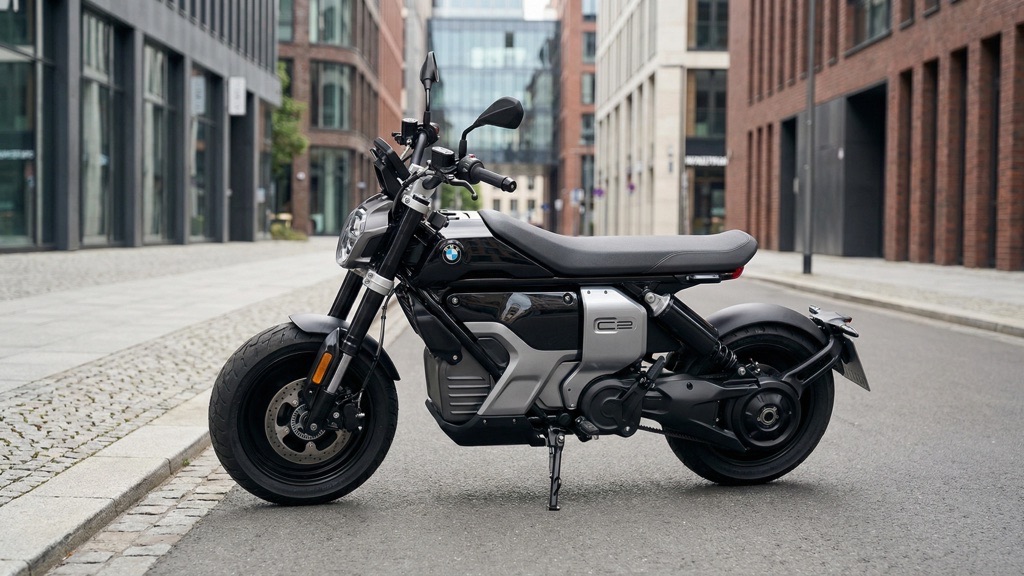
The BMW CE 02 is not a traditional motorcycle nor a classic scooter. It’s BMW’s urban electric tool for riders who:
- Commute 10–40 km per day
- Live in dense cities
- Want zero clutch, zero heat, zero drama
- Are yswitching from gas to electricgas to electric
If you’re looking for highway touring or weekend canyon runs — this isn’t your bike.
But if you want stress-free city mobility with premium build quality, the CE 02 starts to make sense.
The real question:
Is it worth €8–9k — and will you still like it after 2–3 years?
Let’s break it down properly.
⚡ QUICK RIDER VERDICT
- Best use case: Daily urban commuting
- Realistic range: 60–85 km
- Charging reality: Perfect if you have home charging
- Power feel: PunchCheap to run, expensive to buyh
- Ownership logic: Cheap to run, expensive to buy
- Overall rider rating (city use): 8.6 / 10
If your riding fits the bike, it’s great.
If it doesn’t, you’ll outgrow it quickly.
🔧 KEY SPECIFICATIONS
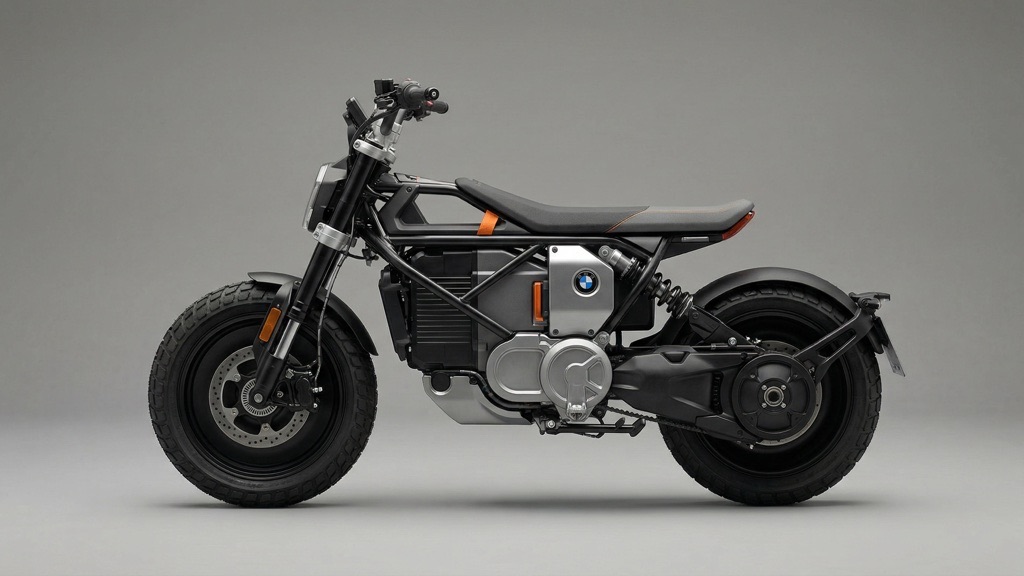
| Specification | ValReal-World Ranger power | 11 kW (15 hp peak) |
|---|---|---|
| Torque | ~55 Nm (wheel) | |
| Battery capacity | 3.9 kWh | |
| Real-world range | 60–85 km | |
| Charging time | 3–4 hrs (0–100%) | |
| Weight | 132 kg | |
| Seat height | 750 mm | |
| Price | €8,000–€9,000 |
🏍 RIDING EXPERIENCE (The Part That Actually Matters)
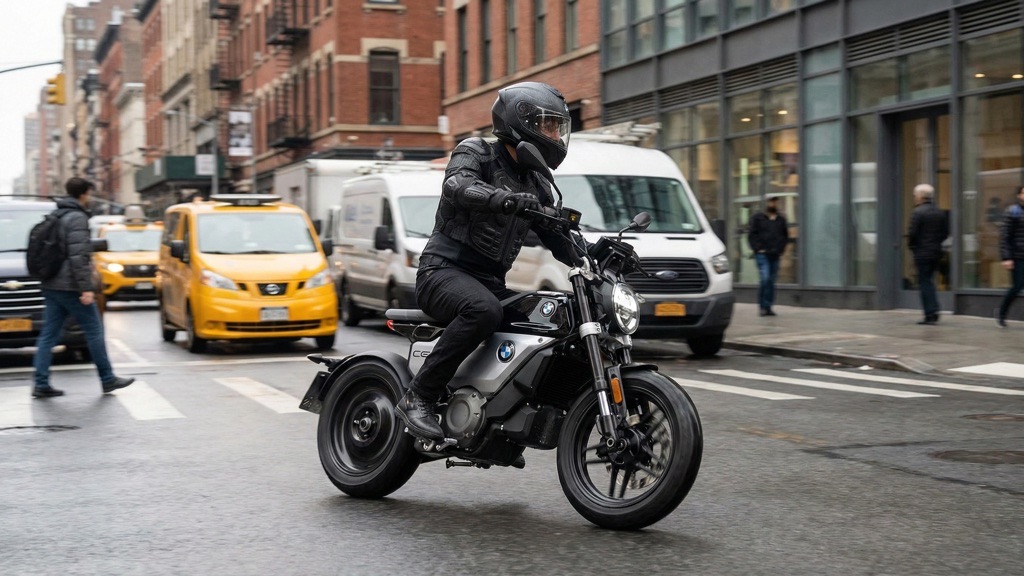
Throttle & Launch Feel
Twist and go.
Immediate but controlled.
In Flow mode, throttle mapping is smooth — no jerky takeoffs.
In Flash mode, it feels lively up to 50 km/h.
From traffic lights, you’ll consistently out-accelerate cars.
Mid-Speed Reality
Above 70 km/h, power tapers off.
At 85–90 km/h, it feels close to its limit.
This is not a highway machine.
Handling & Balance
Low center of gravity makes it confidence-inspiring.
At 132 kg, it’s easy to maneuver in parking lots and traffic filtering.
Wide tires give stability but slightly reduce sharp agility.
Suspension on Real Roads
On smooth asphalt — fine.
On broken city pavement — firm.
You’ll feel pothole edges. It’s not plush.
 Reviews
Tesla Home Charging: Advantages, Costs and What Owners Must Know in 2026
TL;DR Tesla home charging is the single most important factor in long-term Tesla ownership economics. Level 2 charging at home...
 Motocycles
Solar Eclipse Race Edition: The Affordable Electric Motorcycle Revolution
In the rapidly evolving world of electric transportation, one name is making waves with a groundbreaking release. Solar Scooters, a...
 Reviews
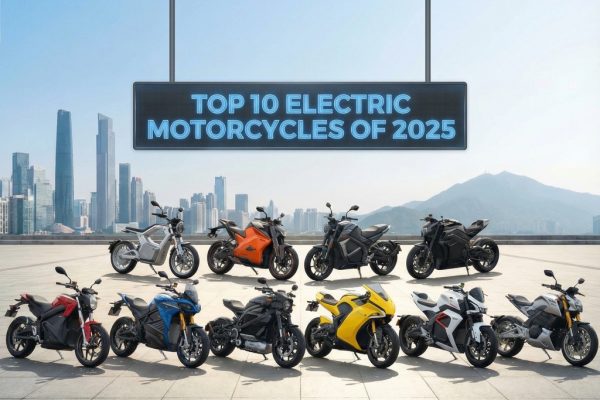
Top 10 Electric Motorcycles of 2025: Full Comparison, Specs & Buying Guide
TL;DR Electric motorcycles in 2025 are faster, more efficient, and more practical than ever. 🏆 Best OveraZero SR/F 20252025 —...
Braking & Regen
Brakes are strong and predictable.
Regenerative braking is mild — doesn’t upset chassis balance.
Good for beginners.
60-Minute Comfort Test
After 45–60 minutes:
- Seat feels firm
- No wind protection
- Upright but minimal support
This is a 30-minute bike ride.
Silence Factor
No engine vibration.
No heat in traffic.
No clutch fatigue.
For daily commuting, that’s addictive.
🔋 RANGE & CHARGING REALITY
Real-World Range
| Riding Style | Expected Range |
|---|---|
| Calm city riding | 75–85 km |
| Mixed commuting | 65–75 km |
| Aggressive launches | 55–65 km |
| Cold weather (below 10°C) | -10–20% |
If your daily ride is under 60 km, range anxiety won’t exist.
If you regularly need 80+ km in one go, you’ll start planning around charging.
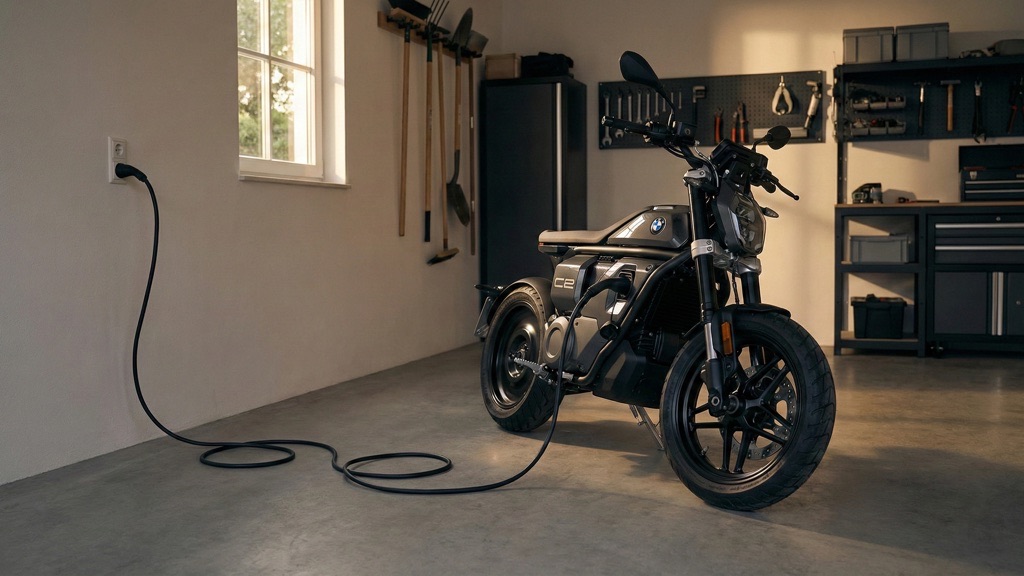
🔌 Charging Reality
- 0–100%: ~3–4 hours
- 20–80%: ~2 hours
- Works best overnight
Public charging is possible — but the CE 02 makes most sense when you can plug in at home.
No home charging = reduced convenience.
💰 Real Cost Per 100 km (Electric vs Gas)
BMW CE 02
Average consumption: ~5.5 kWh / 100 km
Electricity: €0.20 / kWh
≈ €1.10 per 100 km
125cc Gas Bike (Example: Yamaha MT-125)
Fuel consumption: ~2.1 L / 100 km
Fuel price: €1.80 / L
≈ €3.78 per 100 km
Electric is over 3x cheaper per km.
📊 3-Year Ownership Snapshot (10,000 km/year)
| Expense | BMW CE 02 | Yamaha MT-125 |
|---|---|---|
| Energy / Fuel (30,000 km) | ~€330 | ~€1,134 |
| Oil changes | €0 | €300–500 |
| Routine service | Minimal | Regular |
| Estimated running total | €500–700 | €1,800–2,200 |
Electric wins on running cost.
Gas wins on purchase price and flexibility.
👍 PROS & 👎 CONS
👍 Pros
- Effortless city riding
- Instant torque at lights
- Cheap per km
- Premium build quality
- Very beginner-friendly
👎 Cons
- Expensive upfront
- Limited range flexibility
- Weak above 80 km/h
- Firm ride on bad pavement
- Not a do-it-all motorcycle
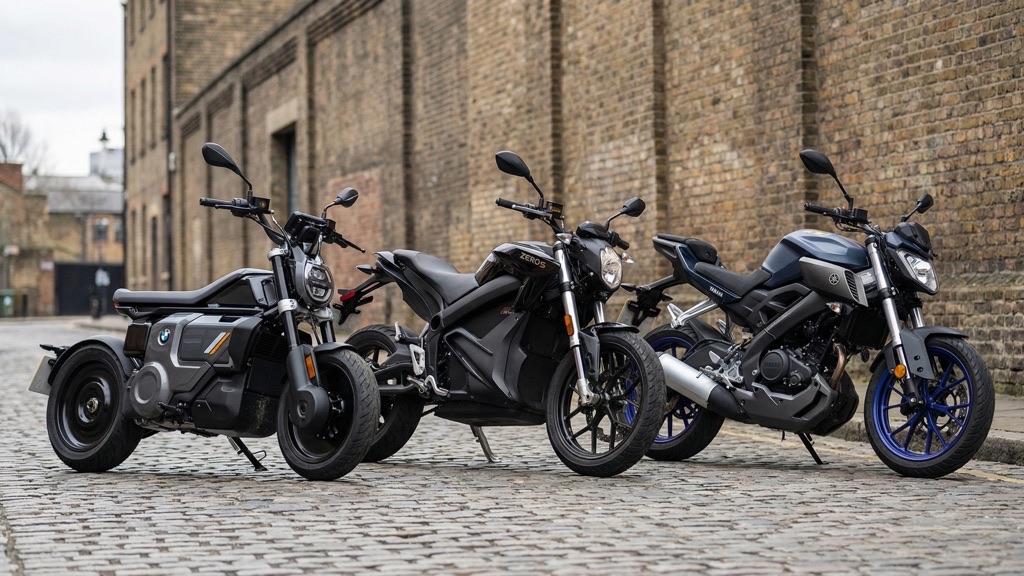
⚔️ Comparison Table (Electric vs Electric vs Gas)
| Model | Power | Real Range | Weight | Price | Best For |
|---|---|---|---|---|---|
| BMW CE 02 | 11 kW | 60–85 km | 132 kg | €8–9k | Urban commuting |
| Zero S (base) | 11 kW | 120+ km | 142 kg | €13k+ | Full-use electric |
| Yamaha MT-125 | 11 kW | 400+ km (fuel) | 142 kg | €5–6k | Versatility & highway |
The CE 02 is the most specialized.
The Yamaha is the most flexible.
The Zero is the most capable electric.
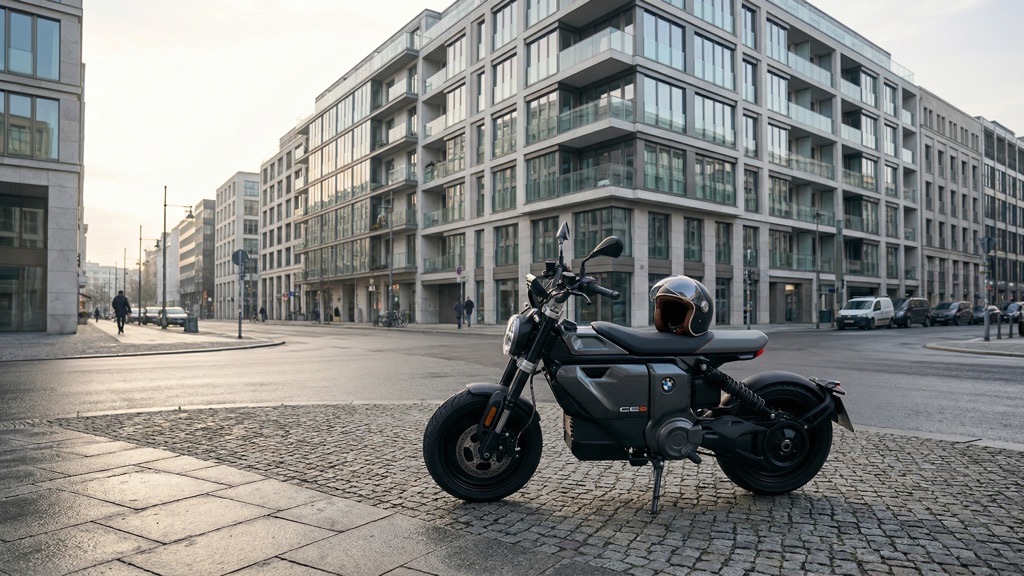
🧠 FINAL RIDER VERDICT
🔹 SHORT VERDICT
Buy it if:
- You ride under 60 km daily
- You can charge at home
- You want zero maintenance stress
- You care about urban simplicity
Skip it if:
- You need one bike for everything
- You ride highways daily
- You want long weekend trips
🔹 DETAILED VERDICT
The CE 02 is a lifestyle commuter tool.
If it matches your daily distance, you’ll love:
- The silence
- The simplicity
- The lack of maintenance
But if your riding evolves, you may want more battery and more power within 1–2 years.
This is a precise-use machine — not a universal motorcycle.
FAQ
Is the BMW CE 02 better than the Yamaha MT-125?
Better for:
- City commuting
- Running costs
- Ease of use
Worse for:
- Highway riding
- Long-distance flexibility
- Purchase price
If you ride mostly in urban areas, CE 02 wins.
If you want one bike for everything — MT-125 wins.
Is the BMW CE 02 good enough as your only motorcycle?
Only if your riding is city-based and under 60 km per day.
As a second bike or urban tool, it makes much more sense.
How does the BMW CE 02 compare to the Zero S?
Zero S offers:
- More range
- More power
- Real highway usability
But it costs significantly more.
CE 02 is a commuter.
Zero S is a full motorcycle.
Will I save money switching to CE 02?
On fuel and maintenance — yes.
On total ownership cost, including purchase price, savings depend on:
- How muchdo you ride
- Local fuel prices
- Electricity rates
High-mileage riders benefit most.
Does range degrade over time?
Yes, like all lithium batteries.
Expect:
- Gradual degradation over the years
- Faster degradation if frequently fully charged and stored at 100%
For urban use, mild degradation won’t drastically change the ownership experience.