
BMW’s Electric 3-Series Reaches Critical Production Milestone
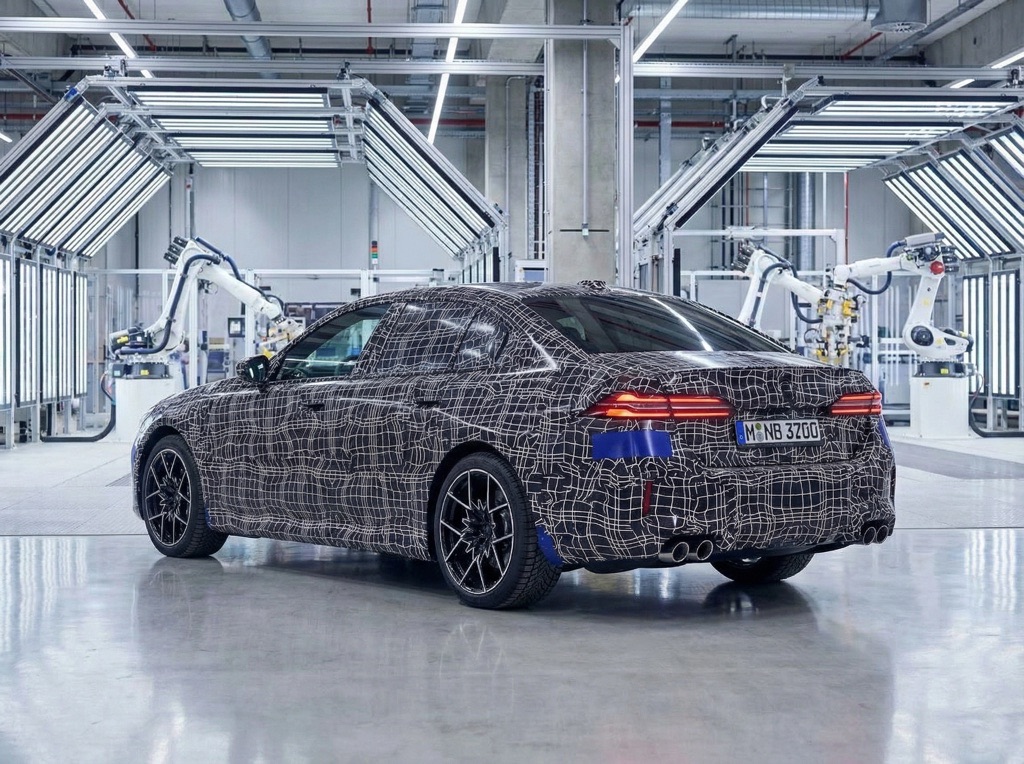
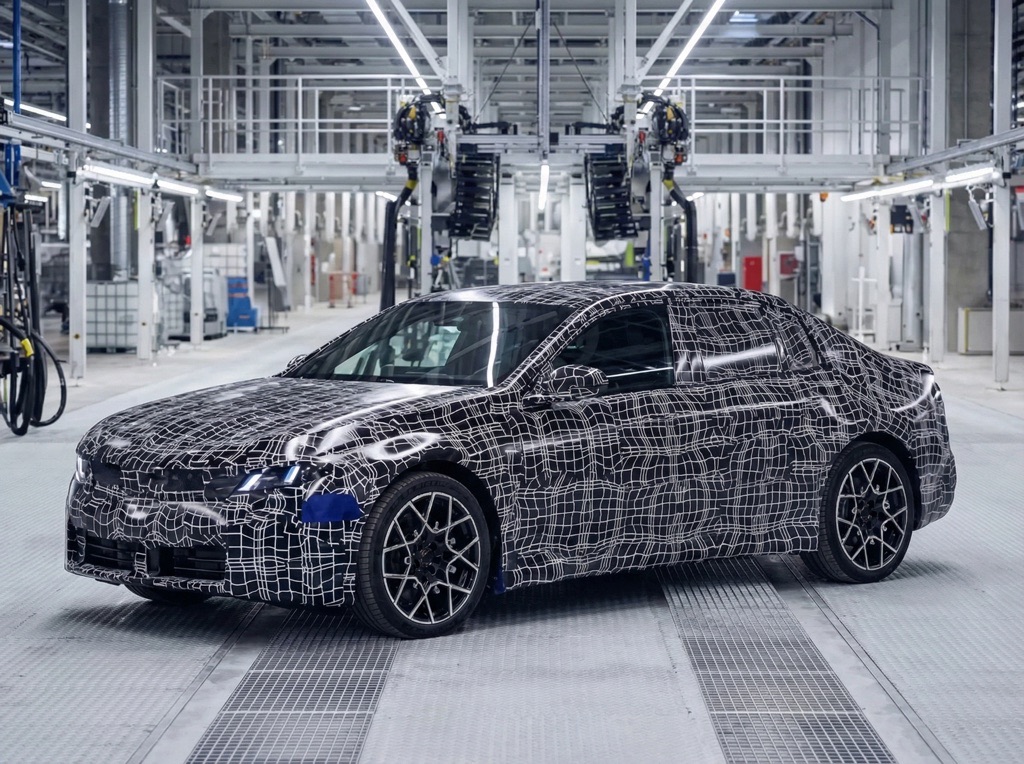
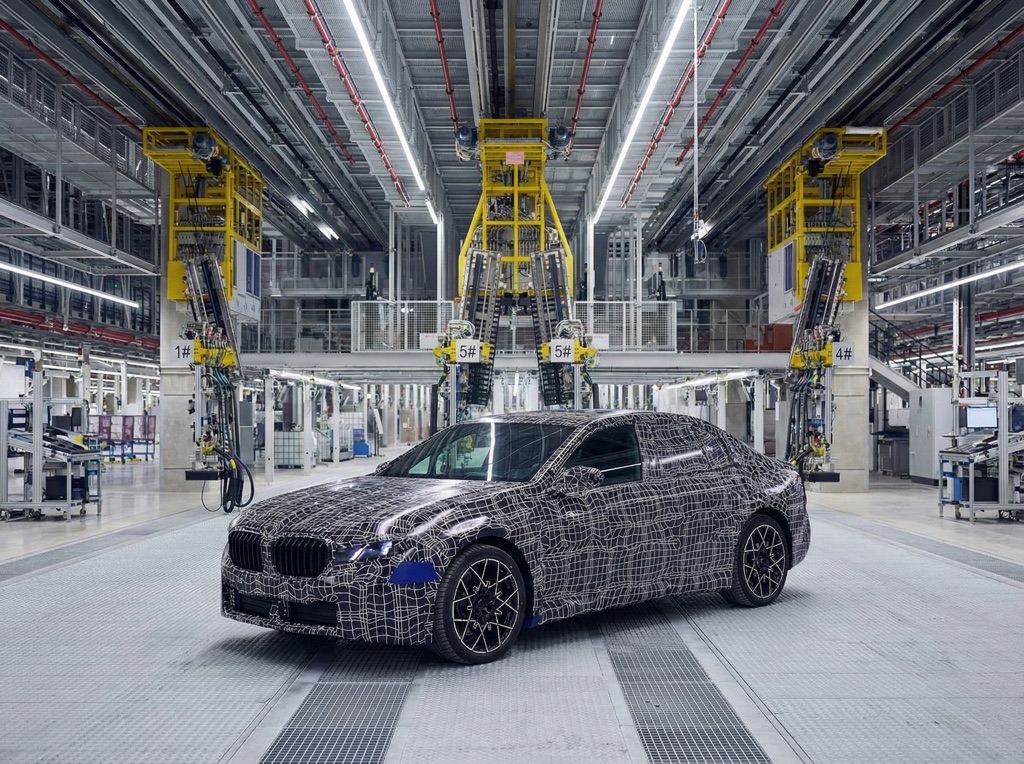
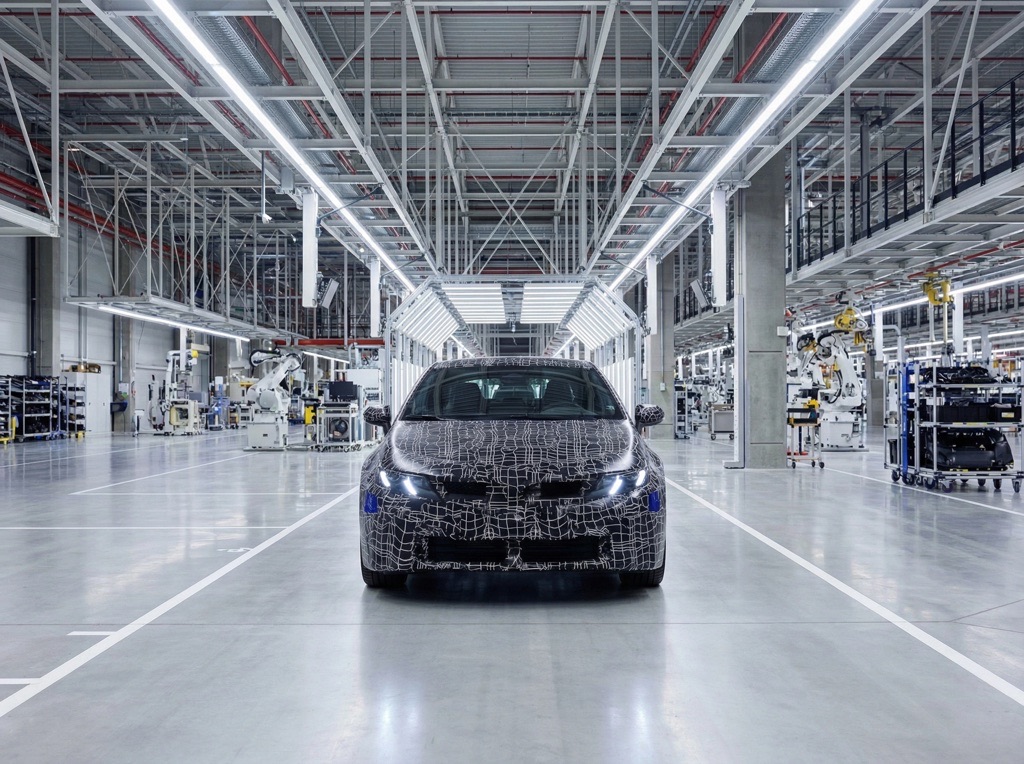
BMW has begun pre-series production of its all-new i3 electric sedan at its Munich plant, marking a decisive step toward the global launch of the company’s most strategically important EV to date. The first pre-series vehicles have rolled off the assembly line, with BMW now using these camouflaged prototypes to refine manufacturing processes ahead of full production in the second half of 2026. First customer deliveries are expected in early 2027.
This milestone represents far more than a routine production ramp-up. The i3 is BMW’s answer to the Tesla Model 3 and Polestar 2—vehicles that have redefined the premium electric sedan segment. For a company built on the legacy of the gas-powered 3-Series, which has dominated the Munich plant for 50 years, the transition to an all-electric flagship sedan signals a fundamental shift in BMW’s identity.
The Neue Klasse Platform: Purpose-Built for Electric
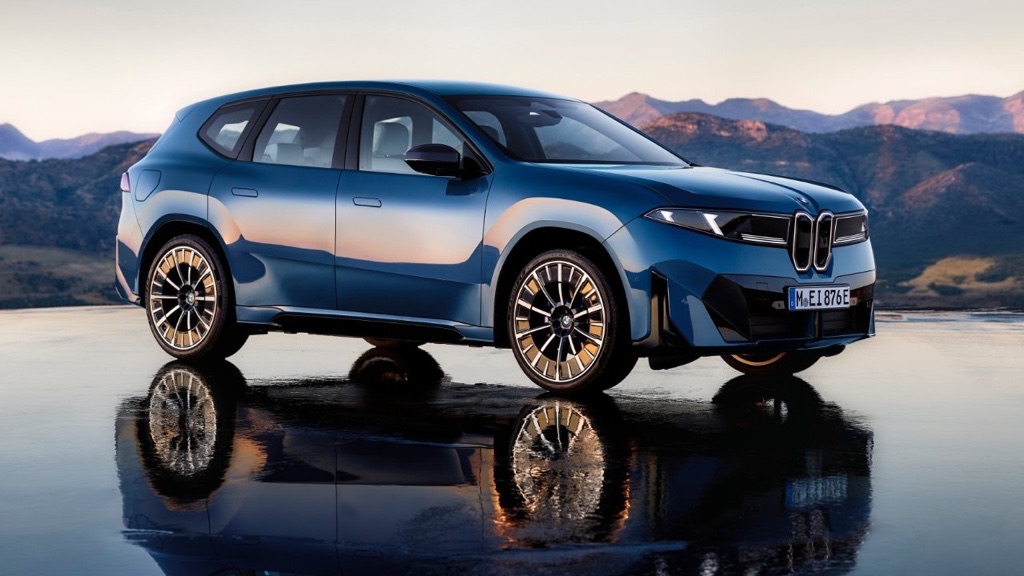
Unlike earlier BMW EVs that adapted existing platforms, the i3 rides on the dedicated Neue Klasse architecture, first introduced on the 2026 iX3 SUV. This is a ground-up electric design, not a gas car retrofitted with batteries.
The platform features an 800-volt electrical architecture that enables ultra-rapid charging speeds. BMW claims the i3 will add approximately 230 miles of range in roughly 10 minutes under ideal conditions using 400-kilowatt peak charging. The company’s new sixth-generation cylindrical battery cells deliver up to 20 percent better energy density, 30 percent more range, and 30 percent faster charging compared to current battery technology.
While BMW has not confirmed final battery capacity, industry analysis suggests the i3 could achieve over 500 miles of EPA range if equipped with a battery similar to the iX3’s 112-kWh unit. For context, the current BMW i4 sedan reaches 373 miles, while certain Tesla Model 3 variants achieve 466 miles.
Powertrain Lineup: From Efficient to Extreme
BMW is positioning the i3 as a multi-variant platform designed to compete across market segments:
| Configuration | Motors | Power | Torque | Drive |
|---|---|---|---|---|
| Base Model | Single | Details not yet confirmed | Details not yet confirmed | Rear-wheel drive |
| 50 xDrive | Dual (6th gen) | 463 hp | 473 lb-ft | All-wheel drive |
| M3 EV (iM3) | Four | ~1,000 hp | Details not yet confirmed | All-wheel drive |
The dual-motor 50 xDrive configuration mirrors the iX3’s proven setup, delivering 463 horsepower and 473 pound-feet of torque. An entry-level rear-wheel-drive variant will follow, targeting maximum efficiency.
 Cars
Cars
Mate Rimac Unveils Verne — a New Electric Autonomous Robotaxi Launching in 2026
Quick Summary The creator of the record-breaking Rimac Nevera hypercar unveils a surprisingly calm new invention: an autonomous electric robotaxi...
 Cars
Cars
XPeng X9 2026 BEV Hits 750km Range: World’s Longest-Range 7-Seater EV Enters Pre-Orders
XPeng has opened pre-orders for the 2026 X9 battery electric vehicle (BEV), positioning it as the world’s longest-range pure-electric seven-seater...
 Cars
Cars
2026 BMW iX3: The Electric SUV With Four Brains and 400 Miles of Range
The electric car game is changing fast, and BMW is stepping up in a way we haven’t seen before. The...
The headline-grabbing variant is the quad-motor M3 EV (referred to as the iM3), expected to produce approximately 1,000 horsepower. BMW has confirmed this performance variant for the U.S. market, though it will likely arrive after the standard i3 and M Performance i3 M60 xDrive. Notably, the iM3 will feature synthesized V10 engine sounds through the speaker system—a nod to BMW’s performance heritage for drivers who miss traditional combustion engines.
Design: Electric Efficiency Meets Sporty Proportions
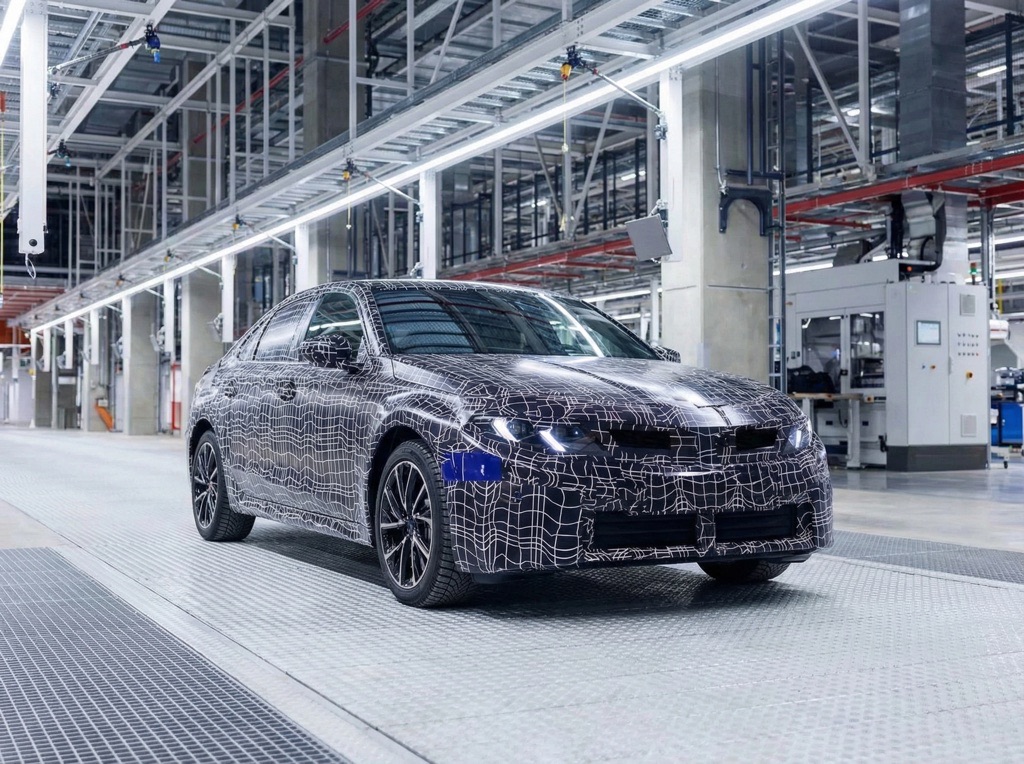
The camouflaged pre-series vehicles reveal significant design departures from the current 3-Series. The front end is noticeably shorter, a direct result of the electric powertrain’s compact footprint—no traditional engine means less hood space required.
BMW has repositioned the wheels closer to the corners, maximizing interior space without increasing overall vehicle length. This translates to a flatter floor and increased legroom for passengers, creating what the company describes as an “airy and comfortable” cabin. The design echoes BMW’s Vision Neue Klasse concept, featuring cleaner surfacing and a more pronounced Hofmeister kink—the iconic shoulder line that defines BMW sedans.
Despite the added weight of battery packs, BMW’s design team has maintained a sleek, sporty silhouette. The pre-series vehicles shown in official photos feature larger wheels and bulky side panels, suggesting M Sport package styling. This represents a deliberate choice: many electric sedans appear tall and bulky due to floor-mounted batteries, but the i3 maintains proportions consistent with traditional sport sedans.
Manufacturing and Market Strategy
The Munich plant’s transition to i3 production is symbolic and strategic. Plant manager Peter Weber has emphasized that the pre-series build represents a “milestone,” with the facility now operating as a fully digitally-connected smart factory. Employee training has shifted from virtual reality simulations to hands-on work with actual production machinery, indicating the launch timeline is accelerating.
BMW’s rollout strategy prioritizes Europe first, with the i3 confirmed for U.S. launch in 2027. The company is also developing a 3-Series Touring estate variant and will continue offering a gas-powered 3-Series with a turbocharged 3.0-liter straight-six engine for markets where combustion engines remain viable.
For the first time, BMW’s M3 performance flagship will be offered in both petrol and electric variants, with the iM3 arriving in 2027. This dual-powertrain strategy acknowledges market realities: while electrification is inevitable, performance enthusiasts in certain regions still demand traditional engines.
Competitive Positioning and Unanswered Questions
The i3 enters a crowded premium EV sedan market dominated by Tesla Model 3 (up to 466 miles EPA range), Polestar 2 (up to 400 miles), and Hyundai Ioniq 6 (up to 361 miles). BMW’s claimed 400-mile EPA range and 230-mile 10-minute charging capability position it competitively, but several critical specifications remain unconfirmed.
BMW has not yet disclosed the base model’s power output, final battery capacity options, or pricing. The company also hasn’t confirmed whether the 400-mile range estimate applies to the dual-motor 50 xDrive or only to a more efficient single-motor variant. Given that the iX3 50 xDrive starts around $60,000 witha 400-mile range, the i3 sedan—which should be more efficient due to lower weight and aerodynamics—could potentially undercut this price point, though BMW has made no official announcement.
The synthesized V10 soundtrack for the iM3 raises questions about market reception: will performance EV buyers embrace artificial engine sounds, or will this feature alienate purists seeking authentic electric driving experiences?
Verdict: The Moment BMW’s “Ultimate Driving Machine” Goes Electric
The i3 represents BMW’s most consequential EV launch to date—not because it’s the first electric 3-Series, but because it’s the first 3-Series built from the ground up as an electric vehicle. The Neue Klasse platform, 800-volt architecture, and sixth-generation battery technology position it as a credible competitor to Tesla’s market leadership. For buyers cross-shopping premium electric sedans, the i3 offers the promise of BMW’s engineering heritage combined with modern EV efficiency and charging speed. The quad-motor iM3 variant suggests BMW understands that electric performance doesn’t mean sacrificing driving excitement. However, until BMW releases final specifications, pricing, and real-world range testing, the i3 remains a compelling but incomplete proposition. The second half of 2026 cannot arrive soon enough.