
Updated: 2026
By 2030, Tesla, Inc. will either become the world’s first scalable AI mobility platform — or normalize into a premium electric car manufacturer facing global price pressure.
There is no neutral outcome.
Everything depends on two execution pillars:
- Level 4 autoStructural battery cost leadershipy cost leadership
If both succeed → exponential upside.
If either fails → valuation compression.
This is Tesla’s decisive decade.
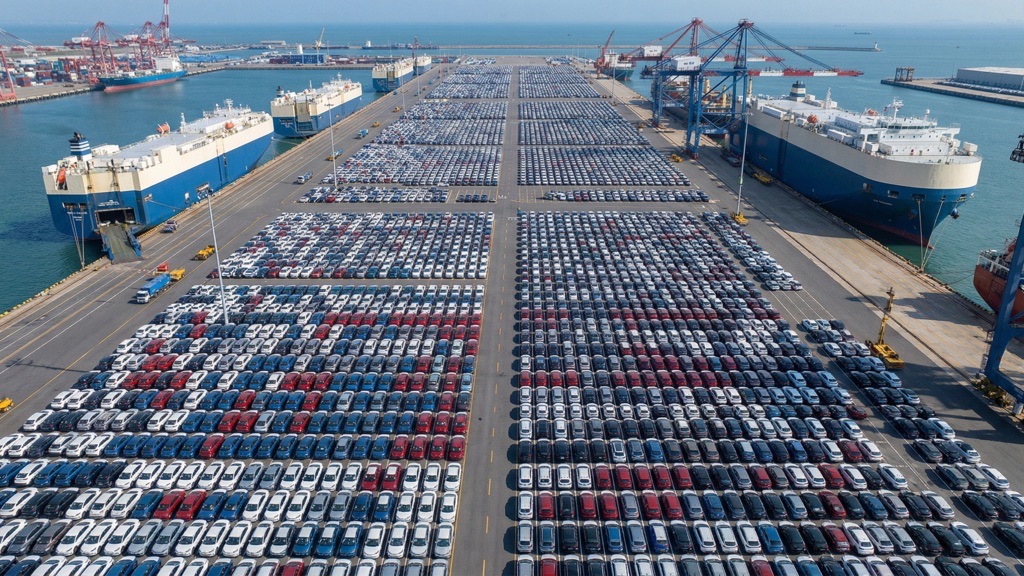
Global EV Market 2030: The TAM Context
Before analyzing Tesla, we need the macro picture.
By 2030:
- Global EV penetration is projected to reach 40–50% of new car sales
- Total EV sales could exceed 45–55 million units annually
- Battery demand may surpass 4–5 TWh per year
Tesla’s success must be measured against this expanding total addressable market (TAM).
The real question:
Will Tesla grow faster than the EV market — or slower?
Tesla 2026 Baseline
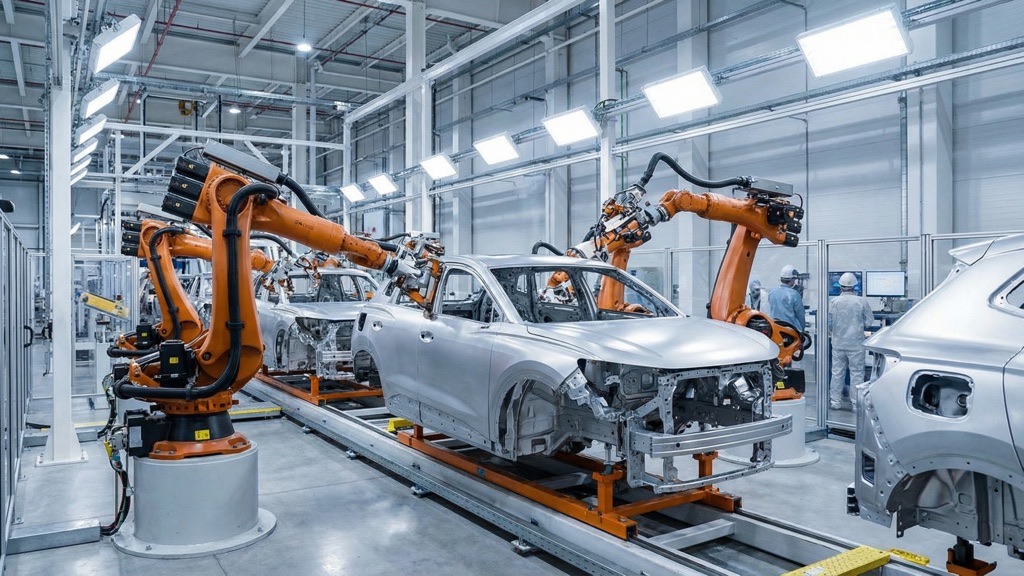
Current profile:
- ~2M annual deliveries
- Revenue ≈ $140B
- Operating margin ≈ 10%
- Energy ≈ 10–15% of revenue
- Robotaxi: early-stage
CEO Elon Musk positions autonomy as Tesla’s largest value driver.
Markets partially price that narrative.
2030 will confirm or reject it.
📊 Tesla 2030 Scenario Model (Quantified)
| Metric | 2026E | 🟢 AI Platform | 🟡 Scaled Leader | 🔴 Margin Compression |
|---|---|---|---|---|
| Vehicle Deliveries | ~2M | 7–8M | 4–5M | 3M |
| Revenue | ~$140B | $500B+ | $330B | $280B |
| Robotaxi Revenue | Minimal | $180B | $40B | <$5B |
| Energy Revenue | ~$15B | $80B | $45B | $30B |
| Operating Margin | ~10% | 25%+ | 15% | <8% |
| Net Income | ~$20B | $120B+ | $60B | $30B |
📈 Valuation Model (DCF + Multiples)

Assumptions:
 Cars
Cars
Most Reliable Electric Car Brands in 2026 — Ranked by Real-World Data
Ranked by Real-World Data and Proven Technical Characteristics TL;DR ✅ Most reliable EV brands in 2026 Tesla — the most...
 Reviews
Electric Bike Buying Guide 2026 Hub vs Mid-Drive E-Bike Motors (Authority Guide)
Introduction In 2026, most electric bikes look powerful on paper. 750W. 90Nm. Long range. Smart system. But motor placement —...
 Reviews
Tesla Model 3 vs. Model Y: Advantages, Risks and What Buyers Must Know in 2026
TL;DR TheTesla Model 3 vs. Model Y decisionn in 2026 comes down to efficiency versus versatility. Model 3 (Highland) is...
- WACC: 9%
- Terminal growth: 3%
🔴 Bear Case
- FCF ≈ $35B
- Implied valuation: $550–600B
- P/E 2030: 15–18x
🟡 Base Case
- FCF ≈ $60B
- Implied valuation: $900B–1.2T
- P/E 2030: 22–28x
🟢 Bull Case
- FCF ≈ $120B+
- Implied valuation: $1.8T–2.5T
- With platform multiple expansion: $3–4T possible
- P/E 2030: 35–45x
Autonomy penetration drives valuation elasticitTesla vs BYD: The Structural Rivalryok (Realistic Model)
| Scenario | Probability | Implied Value |
|---|---|---|
| Bull | 30% | $3T |
| Base | 50% | $1.2T |
| Bear | 20% | $600B |
Probability-weighted fair value ≈ $1.5T–1.7T by 2030
This implies moderate long-term upside — unless autonomy fully scales.
Tesla vs BYD: The Structural Rivalry
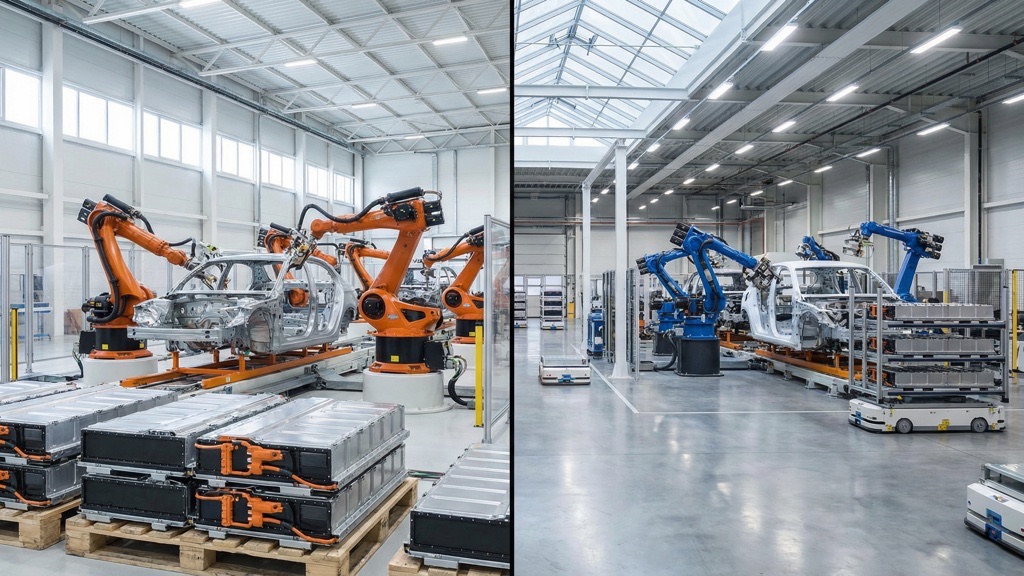
BYD currently holds structural battery integration advantages.
If EVs commoditize:
BYD wins on cost.
If autonomy monetizes:
Tesla wins on margin and software leverage.
Tesla does not need to dominate volume.
It needs to dominate the margin.
Robotaxi: The Binary Lever
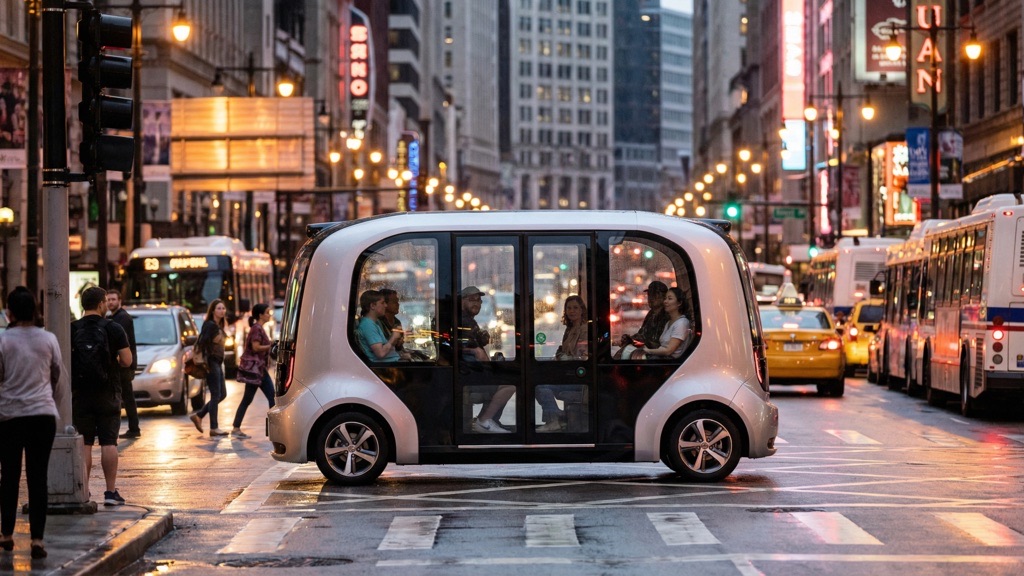
Unlike Waymo, Tesla relies on vision-based autonomy.
If successful:
- Revenue per vehicle increases
- Margins expand structurally
- Valuation multiple shifts toward tech
If unsuccessful:
- Tesla remains dependent on hardware economics
- Multiple compression risk rises
Robotaxi determines whether Tesla is priced as:
Automotive company
or
AI infrastructure platform
4680 Battery Scaling: The Survival Factor

Autonomy is upside-down.
Battery cost is downside protection.
If Tesla achieves structural cost leadership:
- Sub-$30K vehicle sustainable
- Competitive moat vs Chinese OEMs
- Margin stability
If not:
Price wars compress returns.
Battery execution is non-negotiable.
Tesla Energy 2030
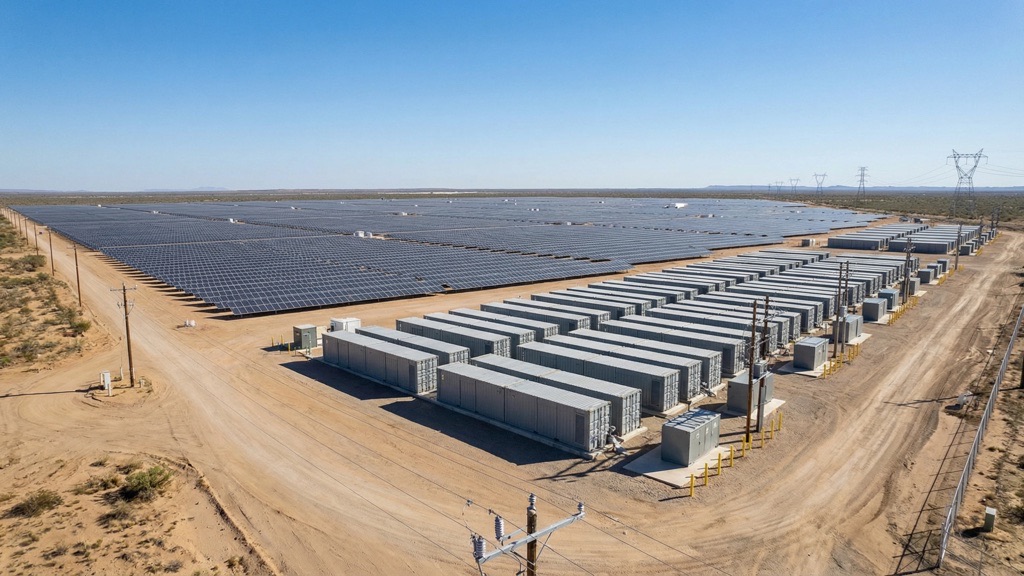
Energy storage demand rises with renewable penetration.
If energy reaches 20–25% of revenue:
- Earnings volatility decreases
- Infrastructure positioning strengthens
- Valuation downside risk moderates
Energy may be Tesla’s stabilizer if autonomy takes longer.
Tesla Stock Prediction 2030
Most Probable Path:
- Strong EV presence
- Partial autonomy monetization
- Expanding energy segment
Implied 2030 valuation:
$1.3T–1.7T range
Upside Case:
If full autonomy scales:
$3T+ valuation possible
Downside Case:
If autonomy fails and margins compress:
$600B range
Tesla is a high-variance equity.
Tesla 2030 in One Sentence
Tesla will either become the world’s first AI-powered mobility infrastructure platform — or normalize into a premium EV manufacturer competing on cost.
There is no middle ground.
Final Strategic Conclusion
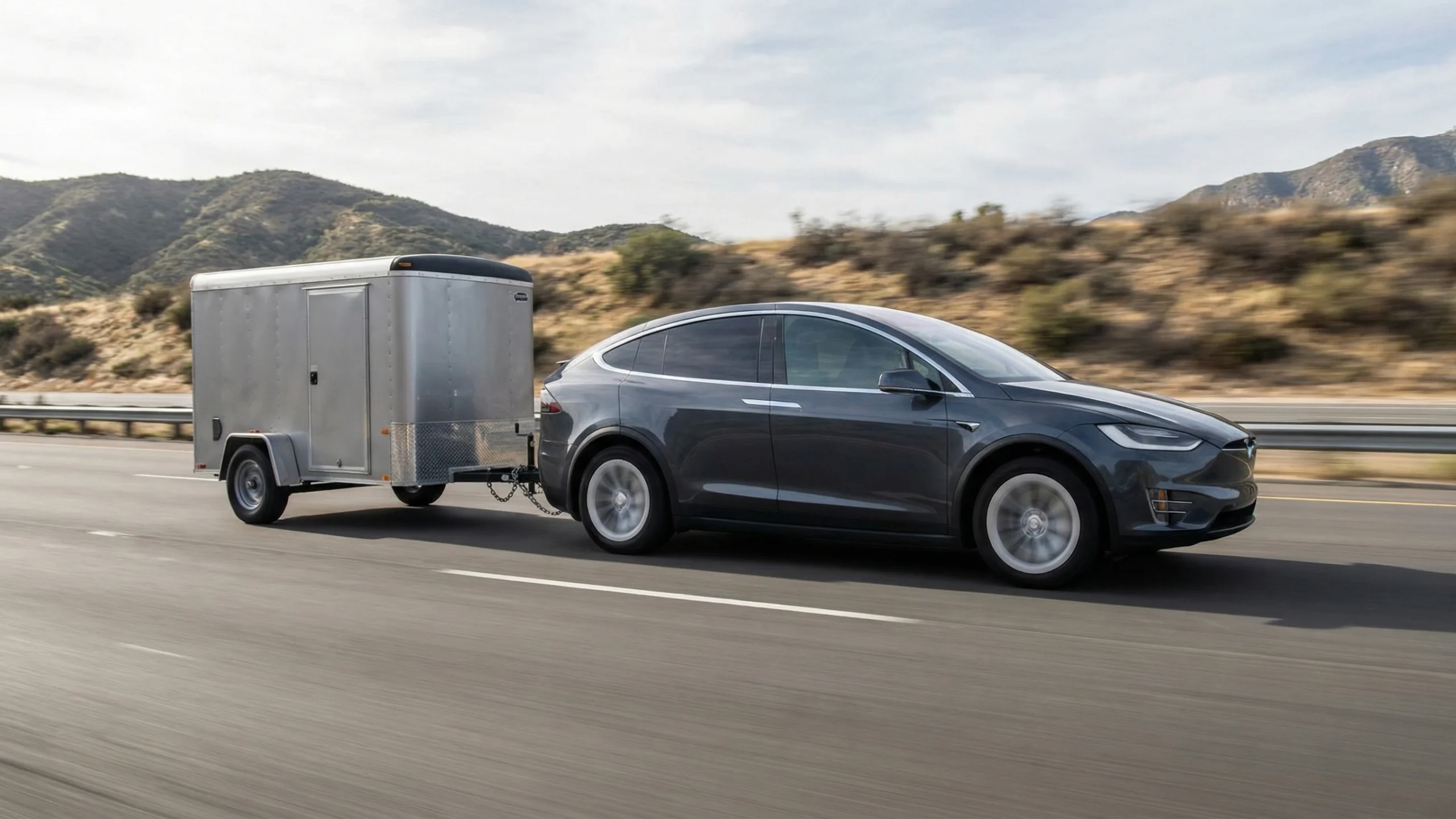
Tesla is not a traditional automaker.
It is a layered option structure:
- EV production (floor value)
- Energy infrastructure (stability)
- AI autonomy (massive upside lever)
If autonomy scales → exponential value creation.
If not → strong company, ordinary valuation.
2030 will decide which narrative survives.
FAQ
Will Tesla dominate the EV market by 2030?
Likely remain top-tier, but dominance depends on autonomy success.
Can Tesla reach a $3 trillion valuation?
Yes — but only if robotaxi scales and software margins expand.
Is Tesla overvalued today?
Valuation reflects partial autonomy success. Full failure would compress multiples.
Who is Tesla’s biggest competitor?
In cost structure: BYD.
In autonomy: Waymo.
What matters most before 2030?
Autonomy regulation and 4680 battery scaling.