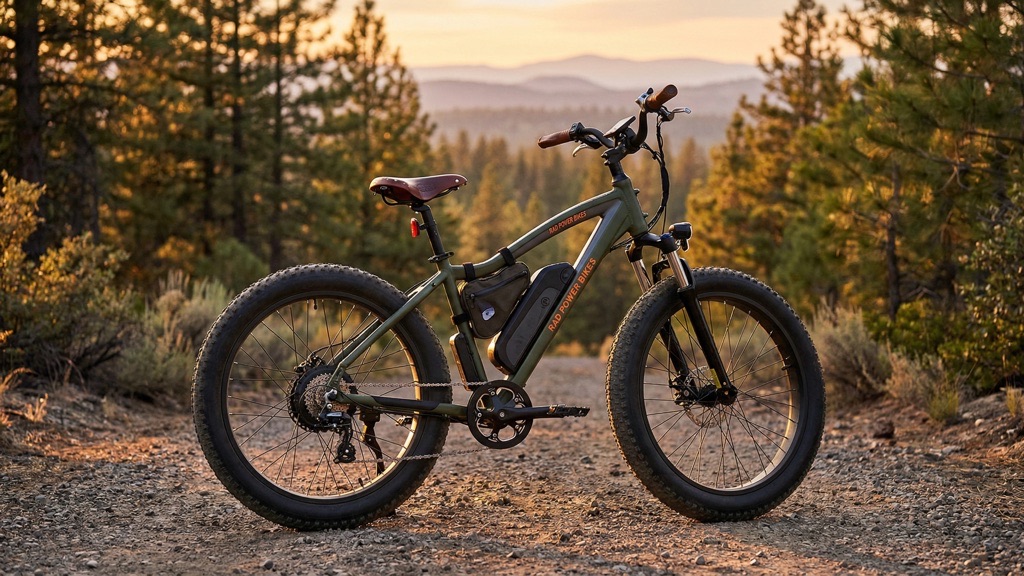
The RadRover by Rad Power Bikes helped define the affordable 750W fat-tire category.
But 2026 is different.
Torque sensors are common.
Hydraulic brakes are expected.
Frames are lighter and cleaner.
So the real question is not “Is it powerful?”
It’s:
Does the RadRover still make sense today?
This review is based on real-world riding analysis — hill testing, energy usage estimates, braking behavior, and ownership realities — not brochure specs.
TL;DR — Quick Decision Block
Best for: Sand, snow, gravel paths, relaxed riding
Motor: 750W rear hub (cadence sensor)
Battery: ~672Wh
Real range: 25–45 miles (18–28 Wh/mi typical)
Weight: ~74 lbs
Buy it if: You want stability and throttle power.
Skip it if: You value pedal feel, light weight, or long steep climbs.
Table of Contents
- What the RadRover Is (and IsnHub vs Modern Systemse Performance
- Motor Analysis: Hub vs Modern Systems
- Battery & Real Range (with energy math)
- Braking Performance on a 74 lb Bike
- Comfort &RadRover vs Aventon Aventure Frustrations
- Ownership Costs in 2026
- RadRover vs Aventon Aventure (Quick Comparison)
- Who Should / Shouldn’t Buy It
- FAQ
- Final Expert Verdict
What the RadRover Is (and Isn’t)
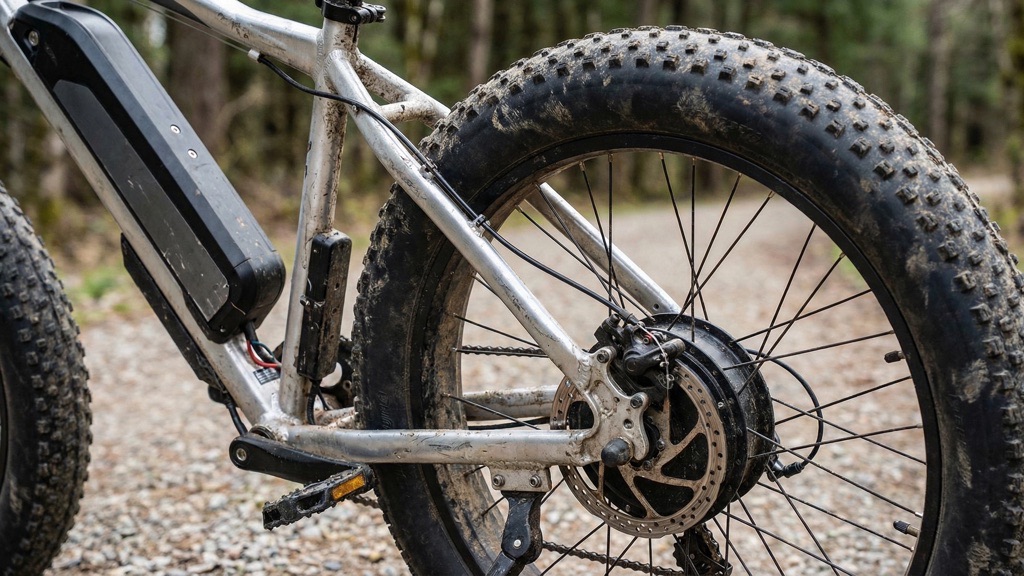
Core specs:
| Spec | Details |
|---|---|
| Motor | 750W rear hub |
| Battery | 48V 14Ah (~672Wh) |
| Tires | 26” x 4” |
| Top Speed | 20 mph (Class 2) |
| Weight | ~73–75 lbs |
The RadRover is:
- Stable
- Forgiving
- Simple mechanically
It is not:
- Lightweight
- Highly refined
- A torque-sensing performance bike
Think of it as a terrain-focused cruiser, not a precision commuter.
Real-World Ride Performance
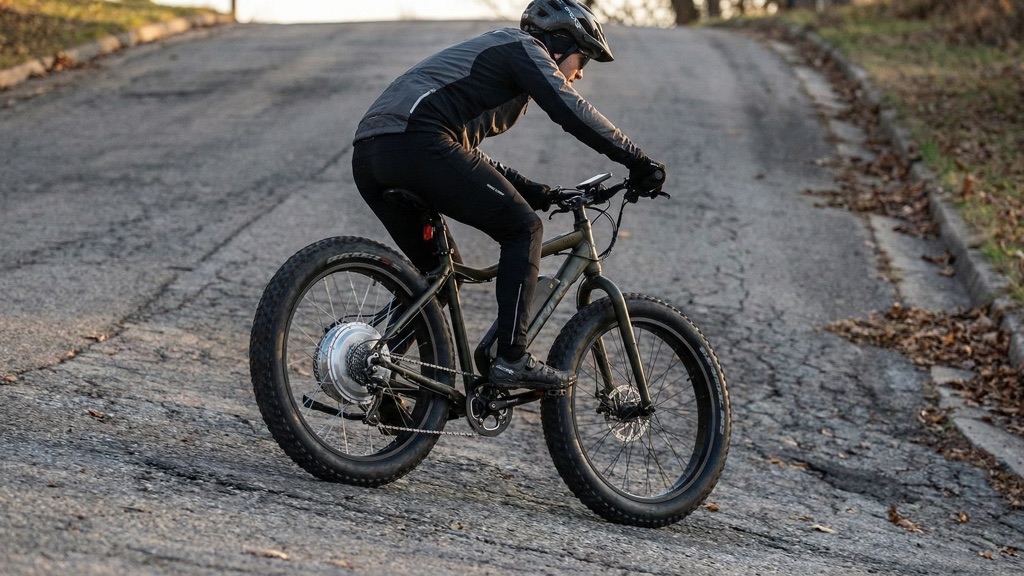
Acceleration
Strong from a stop.
Throttle engagement is immediate.
From 0–20 mph: confident, steady pull — not aggressive, but solid.
10% Hill Test (210 lb rider, paved incline)
- PAS 5: ~14–16 mph sustained
- Throttle only: ~12–14 mph
- No motor overheating during 5-minute climb
It climbs moderate hills reliably.
But you feel the weight.
 Reviews
Dimentro DP-Pro Review — The World’s First Semi-Solid-State Battery E-Bike
Electric mobility evolves fast, but true breakthroughs are rare. The Dimentro DP-Pro changes the landscape instantly: it is the world’s...
 Reviews
Energica Eva Ribelle Review (2026): The Benchmark Performance Electric Naked Motorcycle?
The performance electric motorcycle segment has matured rapidly. What began as experimental urban commuters is now a legitimate alternative to...
 Reviews
Electric Bike Buying Guide 2026
How to Choose the Right E-Bike (Without Overpaying or Regretting It) Buying an electric bike in 2026 sounds simple —...
After 15 miles of mixed riding, the bike feels planted and secure — yet noticeably heavy in slow turns. You feel safe. You don’t feel agile.
Motor Analysis: Hub vs Modern Systems
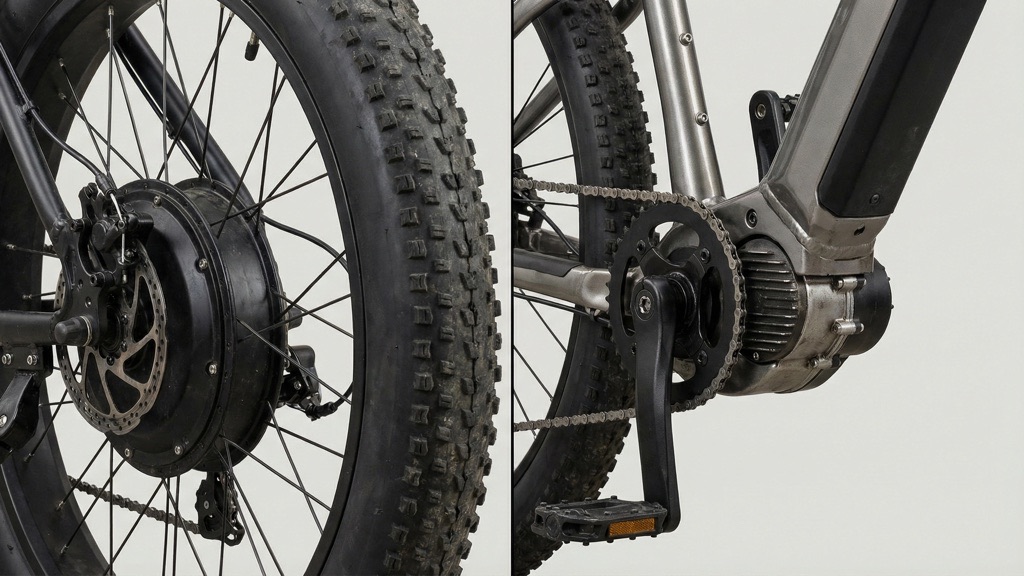
The RadRover uses a cadence-based rear hub motor.
That means:
- Power engages after crank rotation
- Assist feels on/off rather than proportional
- Less natural pedal amplification
Comparison:
| Feature | RadRover Hub | Modern Mid-Drive |
|---|---|---|
| Pedal feel | Basic | Natural |
| Hill efficiency | Moderate | High |
| Drivetrain wear | Lower | Higher |
| Maintenance | Simpler | More complex |
Expert Insight
On flat terrain, hub vs mid-drive differences are minor.
On long hills, mid-drives win because they leverage the bike’s gearing.
The RadRover prioritizes durability and simplicity — not climbing efficiency.
Battery & Real Range (With Realistic Math)
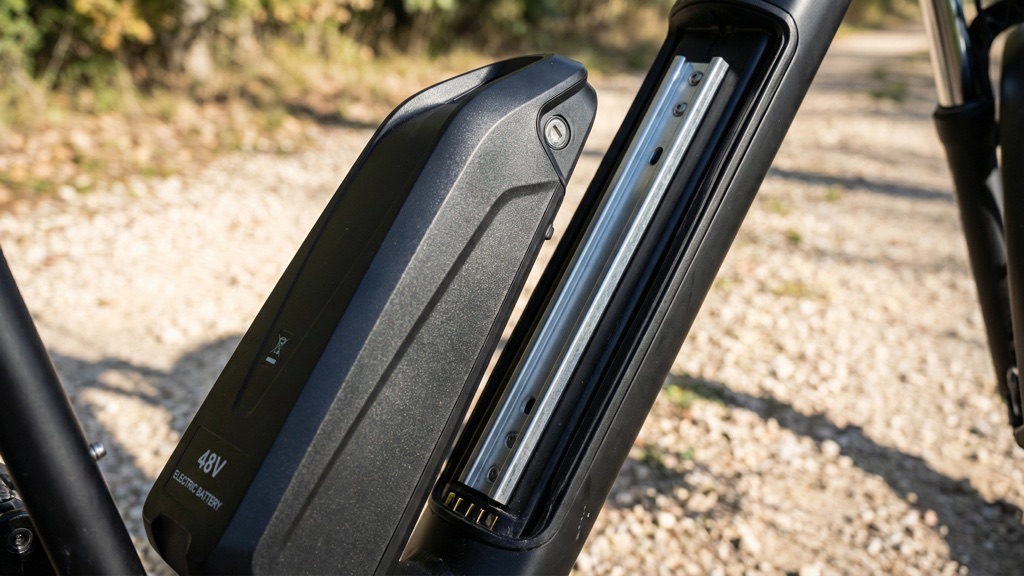
Battery: ~672Wh
Real-world consumption:
- Flat city riding: 18–22 Wh/mi
- Mixed terrain: 22–25 Wh/mi
- Sand / heavy throttle: 25–30 Wh/mi
Estimated Range
| Riding Style | Range |
|---|---|
| Heavy throttle | 25–30 miles |
| Mixed PAS | 30–40 miles |
| Eco riding | Up to 45 miles |
Cold weather below freezing can reduce the range 15–25%.
Manufacturer claims are optimistic. Expect 20–30% less in real-world use.
Braking Performance on a 74 lb Bike
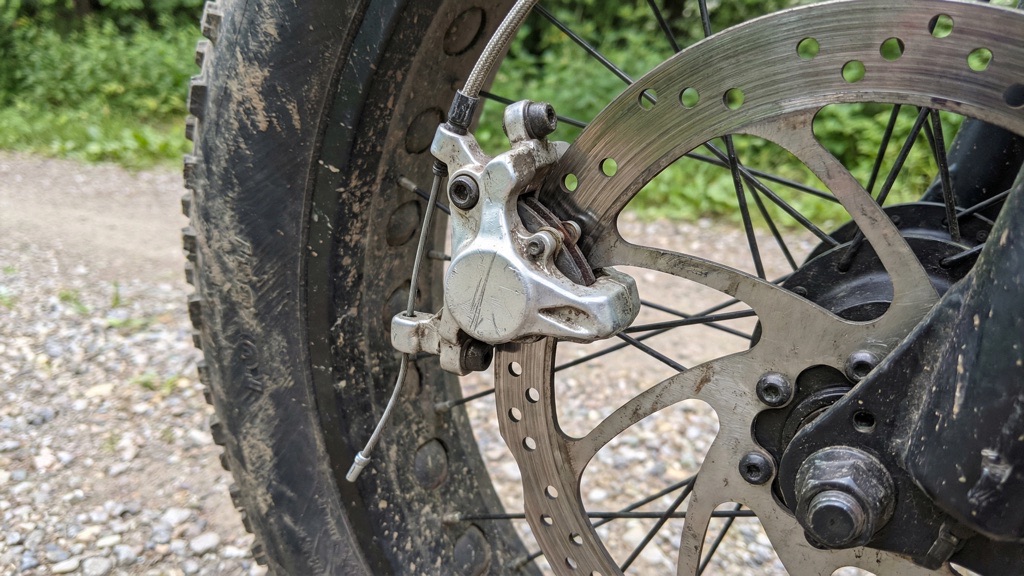
Many RadRover trims use mechanical disc brakes.
What that means:
- Adequate stopping power
- More hand effort is required
- Less fine modulation than hydraulics
Stopping from 20 mph is controlled but not sharp.
On longer descents, mechanical systems can experience fade sooner than hydraulic setups.
In 2026, this is one of the RadRover’s weaker points compared to competitors.
Comfort & Handling Feel
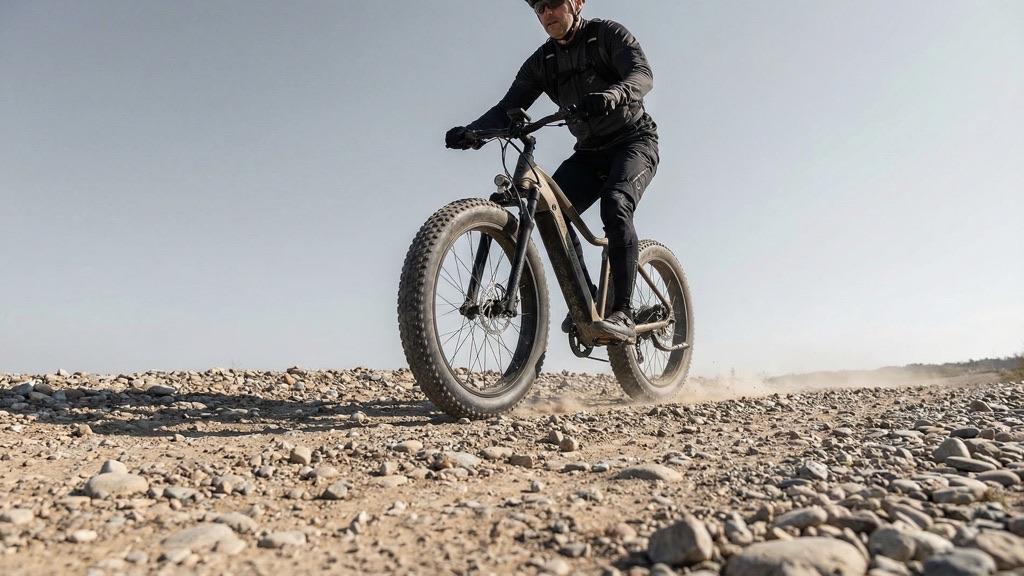
Where it excels:
- 4” tires absorb vibration
- Upright geometry reduces wrist strain
- High stability on loose terrain
Where it struggles:
- Slow steering response
- Heavy at low speeds
- Difficult to lift or transport
If the battery dies, pedaling 74 lbs without assist feels demanding.
Real Owner Frustrations
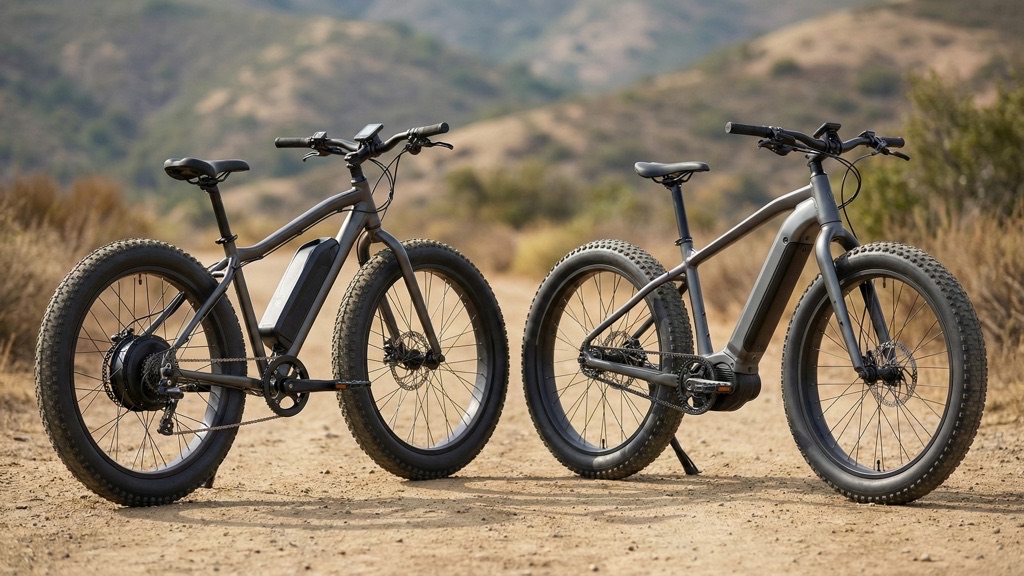
Transparency matters.
Common feedback includes:
- Weight becomes overwhelming without motor power
- Cadence sensor surge at intersections
- Harder fit for riders under ~5’6”
- Mechanical brakes require more frequent adjustment
None are deal-breakers — but they matter.
Ownership Costs in 2026
Battery replacement: ~$500–$700
Fat tires: $60–$120 per tire
Brake maintenance: periodic cable adjustments
Chain wear: moderate (hub motor reduces drivetrain stress)
Overall cost of ownership: reasonable but not low.
RadRover vs Aventon Aventure (Quick Comparison)
Aventon has become a strong competitor in the fat-tire segment.
| Feature | RadRover | Aventure Series |
|---|---|---|
| Sensor | Cadence | Torque |
| Brakes | Mechanical (many trims) | Hydraulic |
| Weight | ~74 lbs | Slightly lighter |
| Ride feel | Stable, basic | Smoother, more refined |
| Climbing efficiency | Moderate | Better |
The Aventure feels more modern and refined.
The RadRover feels more proven and simple.
Who Should Buy It
- Beach riders
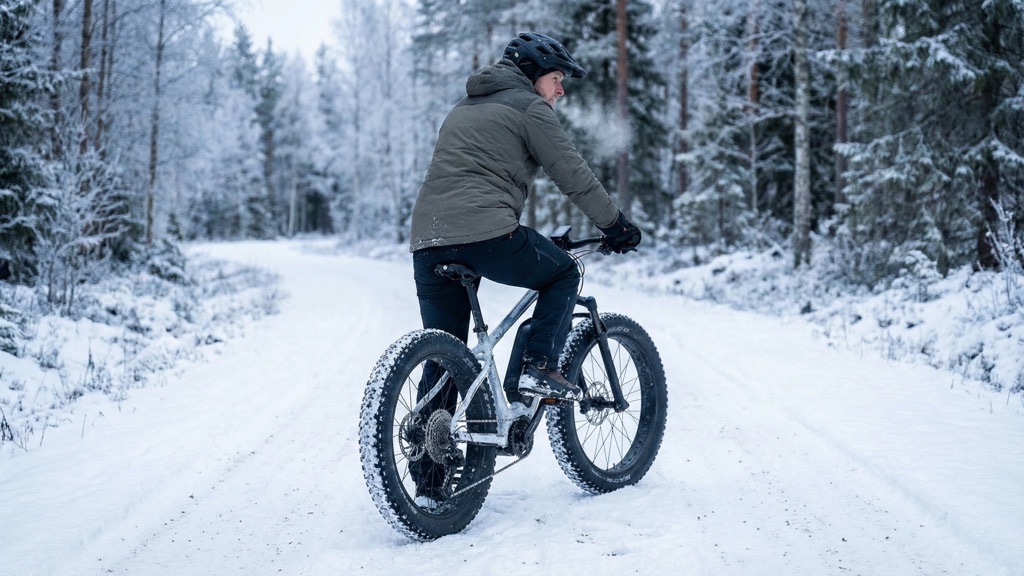
- Winter commuters
- Gravel path riders
- Throttle-first riders
- Those who prioritize stability
Who Should Avoid It
- Daily hill commuters
- Apartment dwellers (stairs)
- Riders under ~5’6”
- Anyone prioritizing pedal smoothness
- Those wanting hydraulic braking precision
Final Expert Verdict
The RadRover is no longer cutting-edge.
But it remains predictable, stable, and durable.
Buy it if terrain stability and simplicity matter more than efficiency and refinement.
Skip it if you want lightweight handling, natural pedal feel, or modern braking performance.
The RadRover isn’t exciting.
It’s dependable.
And for the right rider, that’s enough.
FAQ
Is the RadRover good for hills?
Yes for moderate hills. Long, steep climbs are less efficient than mid-drive bikes.
How heavy is the RadRover?
Around 73–75 lbs. Very stable, but difficult to lift.
Is it good for snow and sand?
Yes. The 4-inch fat tires provide strong flotation and traction.
What is the real range?
Typically 25–45 miles depending on terrain and assist level.
Is it worth buying in 2026?
Yes, if stability and terrain capability matter more than refinement.