
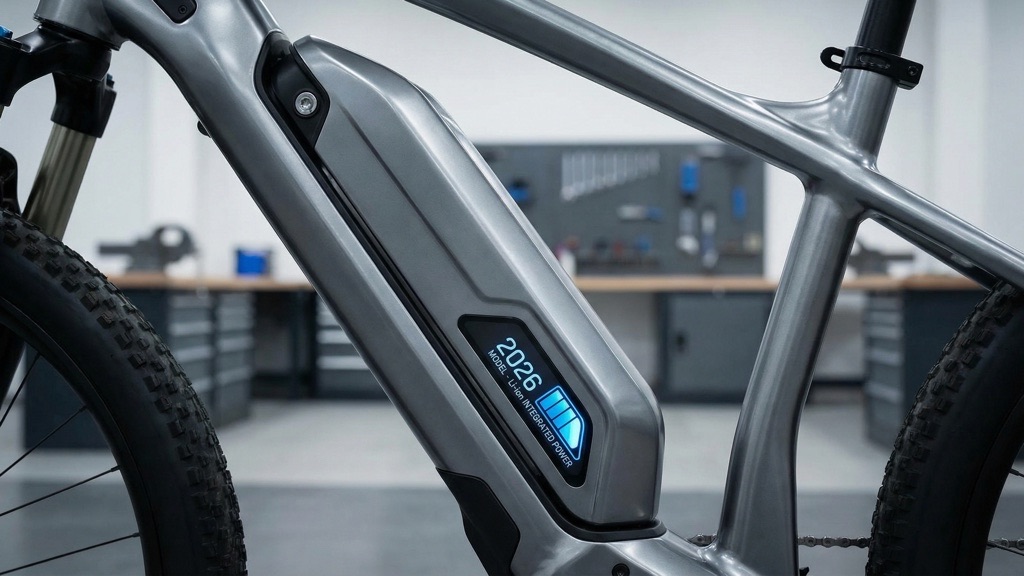
In 2026, e-bike batteries are bigger, more integrated, and more expensive than ever.
You’ll see claims like “1,000 cycles,” “80+ mile range,” and “long-life premium cells.”
But very few brands clearly explain what happens after year two.
This guide breaks down real-world battery life, degradation speed, winter storage, voltage sag, motor stress, and replacement economics — in plain language.
No hype. Just ownership reality.
TL;DR (Read This First)
Average lifespan: 3–6 years
Typical cycle rating: 500–1,000 full cycles
Capacity after 3 years (normal use): 80–90%
Biggest battery killer: Heat + storing at 100%
Best daily charging habit: 20–80%
Best for: Daily commuters, long-term owners
Be careful if: You store your bike fully charged for months
Battery degradation is normal chemistry — not a defect.
Table of Contents
- What “Battery Life” Actually Means
- How Lithium E-Bike Batteries Work
- Charge Cycles (Without Marketing Spin)
- Real-World Degradation Timeline
- Range Loss vs Power Loss (Voltage Sag Explained)
- Motor Power, C-Rate & Discharge Stress
- What Actually Damages E-Bike Batteries
- Winter Storage Checklist
- Cell Quality: Why Brand Matters
- Battery Size vs Expected Years
- Replacement Cost & Cost-Per-Year Reality
- When to Replace
- FAQ
- Final Expert Verdict
What “Battery Life” Actually Means
When someone asks:
“How long does an e-bike battery last?”
They usually mean one of two things:
- How many years before replacement
- How far does it go per charge
These are different.
Lithium-ion batteries don’t suddenly fail.
They gradually lose capacity.
50 miles becomes 45.
Then 42.
Then 38.
That’s normal aging.
How Lithium E-Bike Batteries Work
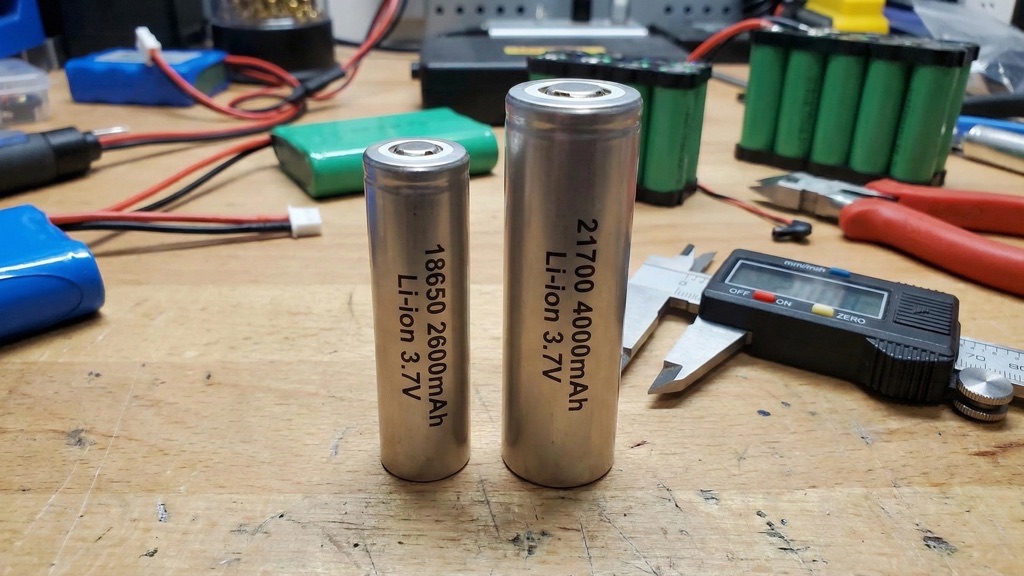
Modern e-bike batteries contain:
- 18650 or 21700 lithium cells
- A Battery Management System (BMS)
- Thermal and voltage protection
Capacity is measured in:
- Wh (Watt-hours) → total stored energy
- V (Voltage) → system level
- Ah (Amp-hours) → current capacity
Example:
48V × 14Ah = 672Wh
More Wh = more range.
But lifespan depends on stress and temperature.
Charge Cycles (Without Marketing Spin)
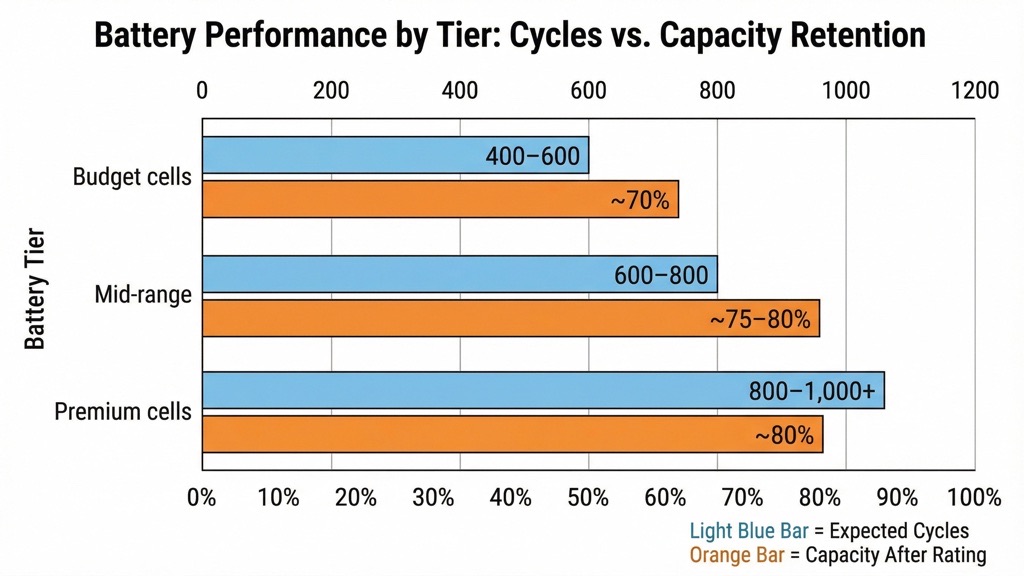
A charge cycle = 100% total discharge.
Two 50% rides = 1 cycle.
Typical ratings:
| Battery Tier | Expected Cycles | Capacity After Rating |
|---|---|---|
| Budget cells | 400–600 | ~70% |
| Mid-range | 600–800 | ~75–80% |
| Premium cells | 800–1,000+ | ~80% |
After rated cycles, the battery still works.
It just stores less energy.
Real-World Degradation Timeline
Moderate commuter (3–4 rides/week):
 Reviews
Electric Motorcycle Charging: Home vs Public (2026 Ultimate Rider Guide)
Switching to electric isn’t about horsepower. It’s about how charging fits into your real life. If charging matches your rouelectric...
 Reviews
Energica Experia Review (2026): Real-World Range, Charging & Touring Verdict
Electric motorcycles have crossed an important threshold. In 2026, they will no longer be limited to urban commuting or short...
 Reviews
Specialized Turbo Vado Review 2026
Buying a premium commuter e-bike in 2026 is confusing. Spec sheets look nearly identical. Motors claim similar wattage. Battery sizes...
| Year | Capacity Remaining | What You Notice |
|---|---|---|
| 1 | 95–100% | No difference |
| 2 | 90–95% | Slight range drop |
| 3 | 80–90% | Noticeable loss |
| 4–5 | 70–85% | May affect commute |
Hot climates accelerate degradation.
Cool indoor storage slows it.
Range Loss vs Power Loss (Voltage Sag Explained)
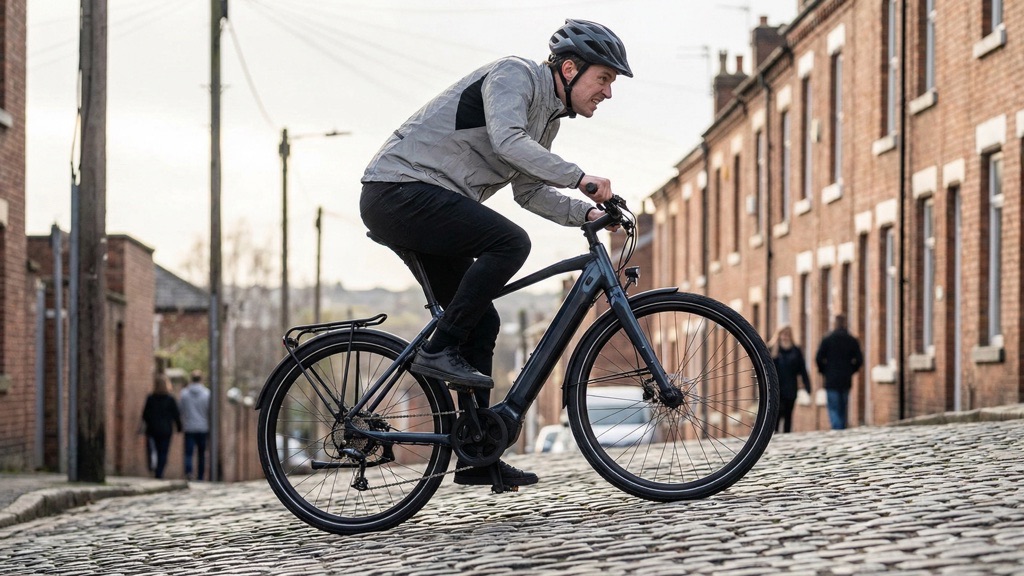
Most riders expect only range loss.
But aging batteries also lose peak power delivery.
This is called a voltage sag.
You may notice:
- Slower acceleration
- Motor feels weaker on hills
- Battery percentage drops faster under load
High-power motors exaggerate this effect.
If your commute is 20 miles daily, even a 15–20% loss may already matter.
Motor Power, C-Rate & Discharge Stress
Battery wear depends on how hard you push it.
A 250W mid-drive puts less strain on cells than a 750W hub motor.
Higher draw = higher internal heat.
This is related to C-rate (discharge intensity relative to capacity).
Example:
- 750W motor on a 500Wh battery = high stress
- 750W motor on a 1000Wh battery = lower stress per cell
Heavy riders, steep hills, and full-throttle riding accelerate degradation.
Motor power affects lifespan more than most buyers realize.
What Actually Damages E-Bike Batteries
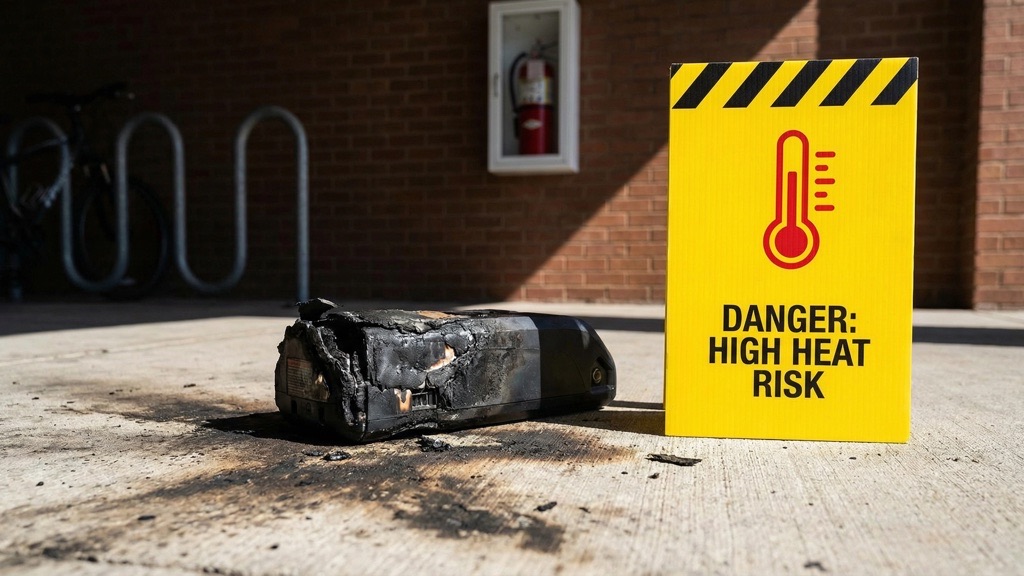
1. Heat (Primary Killer)
Heat permanently accelerates chemical aging.
Risk factors:
- Leaving a bike in a hot car
- Charging in direct sunlight
- Storing above 35°C / 95°F
Heat damage is cumulative.
2. Storing at 100% for Weeks
Lithium cells prefer mid-charge storage.
If unused for weeks:
Store at 40–60%.
Full storage accelerates aging.
3. Frequent Deep Discharge (0%)
Occasional full drain is fine.
Repeated deep discharge increases stress.
Try to avoid going below 10–15% regularly.
4. Poor Chargers
Unregulated aftermarket chargers:
- Increase heat
- Stress the BMS
- Shorten lifespan
Use manufacturer-approved chargers.
Winter Storage Checklist
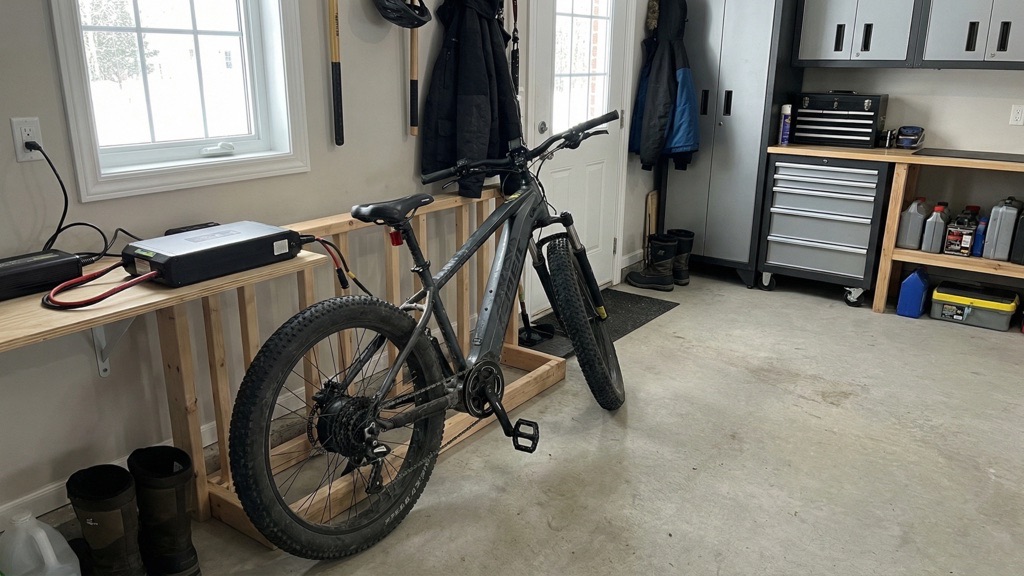
One of the most common mistakes.
If storing for winter:
- Charge to 40–60%
- Store indoors (10–20°C / 50–68°F)
- Keep dry
- Check level every 4–8 weeks
- Avoid freezing storage
Cold reduces range temporarily.
Heat causes permanent damage.
Cell Quality: Why Brand Matters
Higher-quality batteries often use cells from:
- Samsung SDI
- LG Energy Solution
- Panasonic
Benefits typically include:
- More consistent cycle life
- Better thermal stability
- Lower degradation variance
No-name cells may meet spec on paper, but age less predictably.
Cell quality often matters more than advertised watt-hours.
Battery Size vs Expected Years (By Usage)
| Usage Level | 500Wh | 750Wh | 1000Wh |
|---|---|---|---|
| Light (1–2 rides/week) | 5–6 yrs | 6 yrs | 6+ yrs |
| Moderate (3–4/week) | 3–4 yrs | 4–5 yrs | 5 yrs |
| Heavy (Daily commute) | 2–3 yrs | 3–4 yrs | 4 yrs |
Larger batteries age more slowly because each ride uses a smaller percentage.
Replacement Cost & Cost-Per-Year Reality (2026)
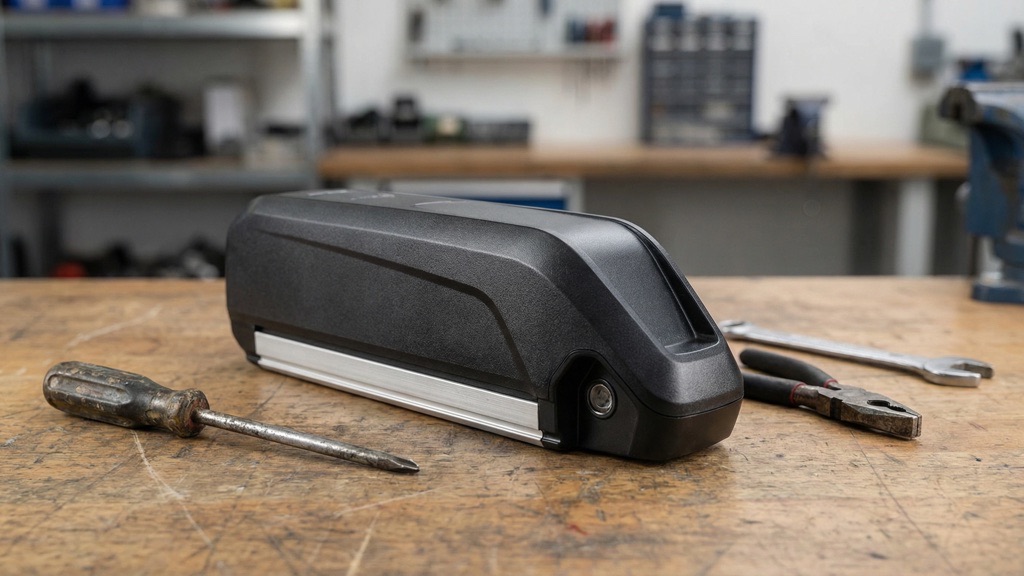
| Battery Size | Typical Price |
|---|---|
| 400–500Wh | $350–$600 |
| 600–750Wh | $500–$900 |
| 900–1000Wh | $800–$1,200 |
Example:
$800 battery ÷ 4 years = $200/year
$200 ÷ 52 weeks = ~$3.85 per week
That reframes battery ownership realistically.
When Should You Replace?
Replace when:
- Range no longer meets commute needs
- Voltage sag becomes noticeable
- BMS errors increase
- Charging becomes inconsistent
Most riders replace around 70–75% health.
Final Expert Verdict
Battery degradation is predictable physics.
If you:
- Avoid heat
- Avoid storing at 100%
- Avoid repeated deep discharge
- Use proper chargers
You’ll realistically get 4–5 strong years from a quality battery.
Motor power, battery size, and climate matter more than marketing cycle numbers.
Treat the battery as a long-term component — and plan for eventual replacement as part of total ownership cost.
That’s normal for electric mobility in 2026.
FAQ (Featured Snippet Ready)
How long does an e-bike battery last?
Most last 3–6 years, depending on usage, storage, and climate.
How many charge cycles can an e-bike battery handle?
Typically, 500–1,000 full cycles before dropping to around 70–80% capacity.
Is it bad to leave an e-bike plugged in overnight?
Occasionally is fine. Long-term storage at 100% reduces lifespan.
Does cold weather damage e-bike batteries?
Cold temporarily reduces range but does not cause permanent damage unless stored below freezing long-term.
Should I fully drain my battery before charging?
No. Lithium batteries last longer with partial discharge.