
In 2026, buying an electric car isn’t risky.
Buying the wrong electric car is
EVs are no longer early-adopter experiments. They’re mainstream across the US and Europe. Charging networks are denser. Battery reliability has proven itMaintenance costs are lower lower than those of gasoline vehicles.
And yet, I still see regret.
Not because EVs are bad.
Because buyers choose based on marketing — not lifestyle.
This guide is built differently.
You’ll leave with a clear answer.
⚡ QUICK VERDICT
Best for:
Homeowners, commuters under 70 miles/day, predictable routines, 5+ year ownership
Not recommended for:
Drivers without reliable charging access, heavy, long-distance weekly travelers
Real-world range expectation:
- 75–90% of EPA (US)
- 70–85% of WLTP (EU)
- 20–30% lower at sustained highway speeds
Biggest advantage in 2026:
Home charging convenience + lower long-term operating cost
Biggest drawback:
Public DC fast charging cost and inconsistency
Ownership score:
9/10 with home charging
6/10 without
🧠 The Core Truth: Charging Access > Range
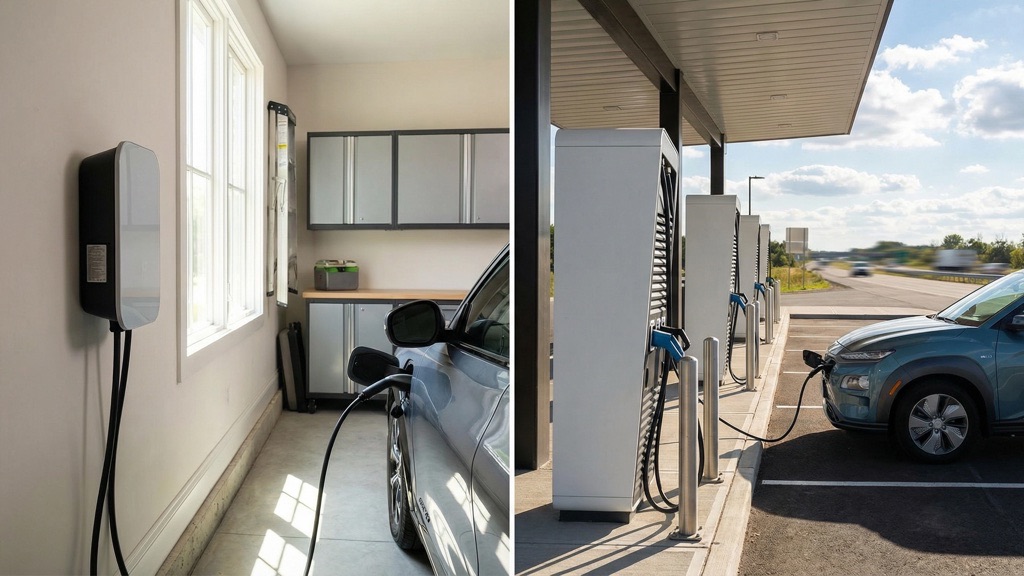
Most buyers obsess over range.
They shouldn’t.
If you have reliable home charging, even a 250–300-mile EV feels effortless.
If you rely entirely on public charging, even a 350-mile EV can feel inconvenient.
This single variable defines ownership satisfaction more than any spec sheet number.
📊 The 2026 EV Decision Matrix (Read Carefully)
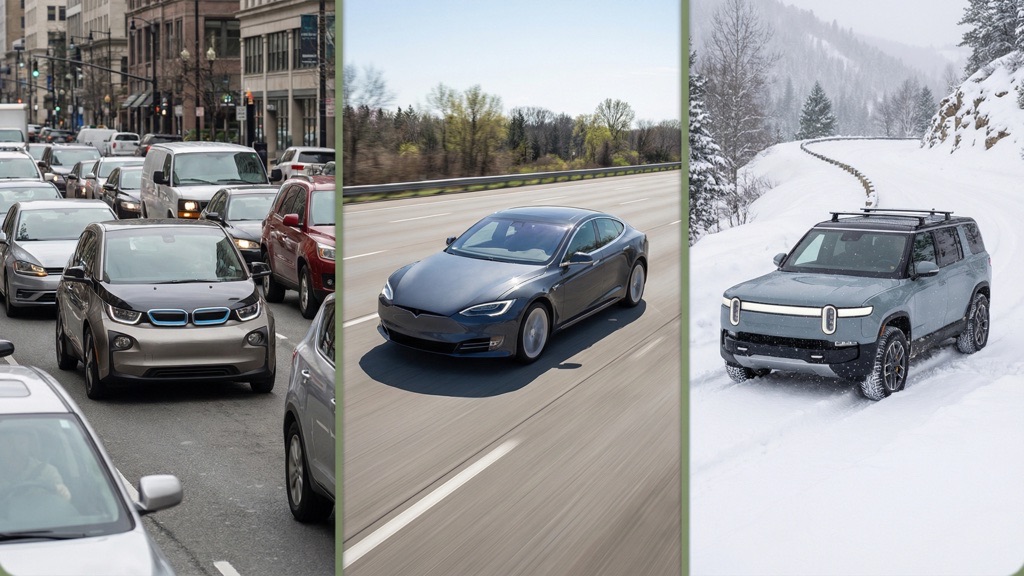
This is where most buyer guides stop. This one doesn’t.
| Your Situation | Buy This | Avoid This | Why |
|---|---|---|---|
| Drive under 40 miles/day, home charging | 250–300 mile EV (RWD) | Large AWD SUV | You don’t need excess battery weight |
| Drive 60–80 miles/day on the highway | 300–330 mile EV | 250-mile compact EV | Highway efficiency drops 20–30% |
| No home charging | Hybrid | Full EV (unless ultra-fast network nearby) | Public charging cost & planning |
| Cold climate (-10°C / 14°F winters) | EV with heat pump | Base trims without a heat pump | Winter range loss control |
| Monthly road trips 300+ miles | 800V fast-charging EV | Slow charging 400V models | Charging curve matters |
| Plan to keep 7+ years | LFP-based EV | High-degradation history models |
If you match the car to your life, EV ownership feels seamless.
 Reviews
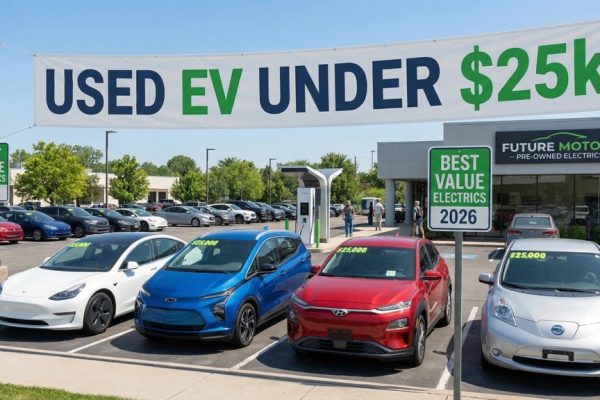
Best Electric Cars Under $25,000 (2026): The Smart Buyer’s Guide With Real Numbers
The under-$25,000 EV segment in 2026 is no longer a compromise category. It’s a filter. It filters buyers who: Can...
 Cars
Cars
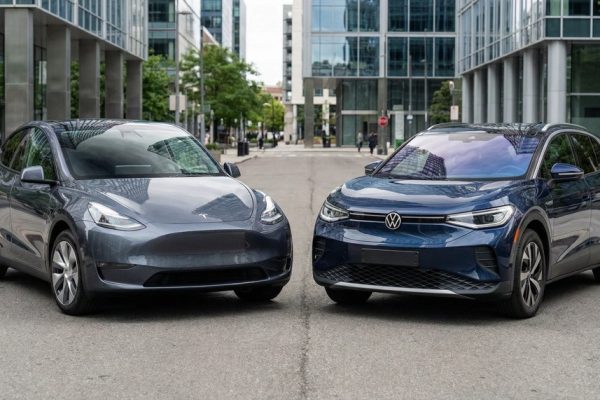
Tesla Model Y vs Volkswagen ID.4 (2026): Range, Charging, Price & Verdict
TL;DR Choose the Tesla Model Y if you want superior range, faster acceleration, and better resale value. Choose Volkswagen ID.4...
 Reviews
ZERO DS ZF 13.0 + Power Tank – the best electric motorcycle for endless thrills
ZERO DS ZF 13.0 + Power Tank The ZERO DS ZF 13.0 + Power Tank is setting a new standard...
If you don’t, frustration builds.
🚗 What Ownership Actually Feels Like
City Driving — Effortless
Urban efficiency:
- 3.5–4.5 mi/kWh (US average)
- 13–17 kWh/100 km (EU city)
Regenerative braking makes traffic smoother.
No engine vibration.
Instant torque.
Most drivers who commute daily prefer EVs after one month.
Highway Reality — Physics Wins
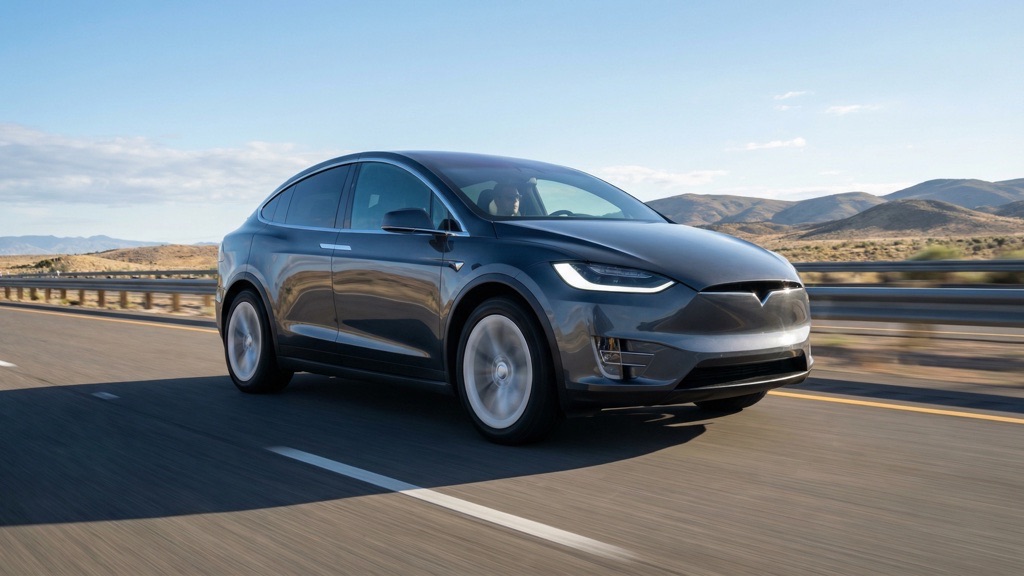
At 75 mph (120 km/h):
- Expect a 20–30% range reduction
- Larger SUVs suffer more aero penalty
- AWD costs ~5–10% efficiency
If 80% of your driving is on the highway:
| Region | Comfortable Target |
|---|---|
| US | 300+ miles EPA |
| Europe | 500+ km WLTP |
Buying “just enough” range for highway use often leads to regret.
🔋 Battery Chemistry & Long-Term Outlook
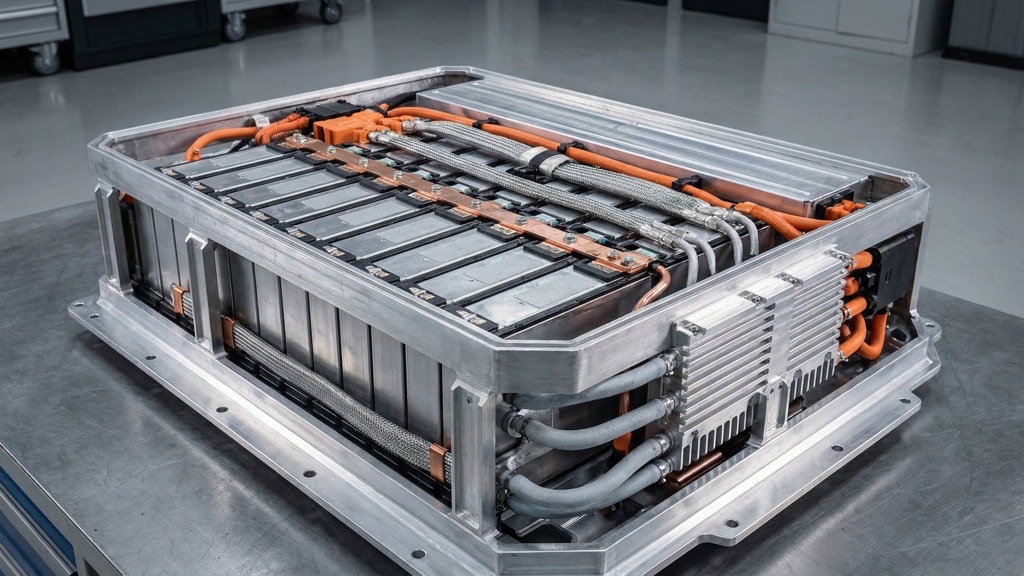
Two dominant chemistries in 2026:
| Chemistry | Strength | Best For | Consideration |
|---|---|---|---|
| LFP | Durability, lower cost | Daily commuters | Slightly heavier |
| NMC/NCA | Higher energy density | Long-range trims | Higher cost |
Real-world degradation:
- 5–10% after 100,000 miles is typical
- 8-year battery warranties are standard
Thermal management and software optimization in 2026 are significantly better than those in early EV generations.
Battery failure outside warranty is rare.
⚡ Charging: The Fork in the Road
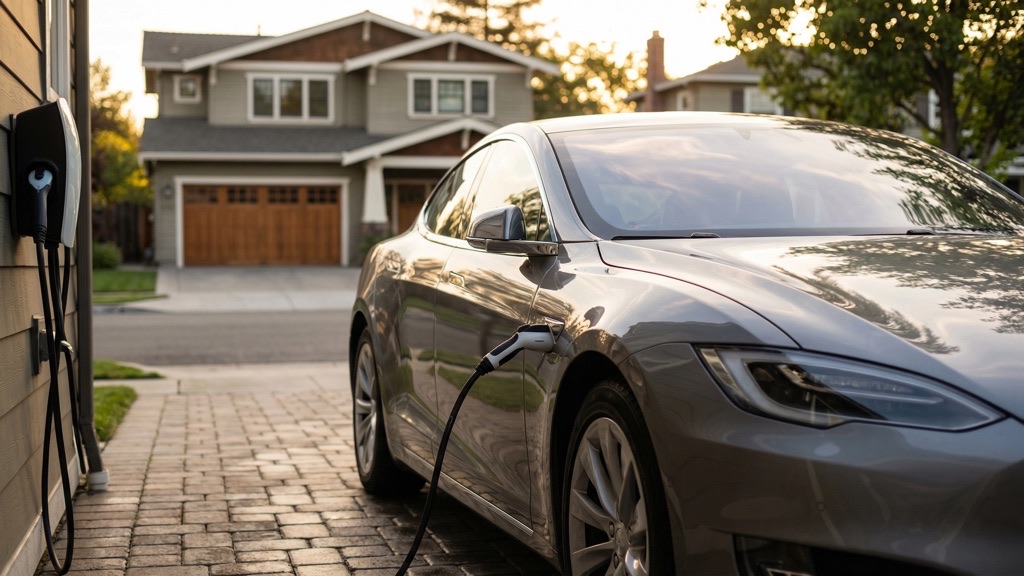
With Home Level 2 Charging
- Installation: $800–$2,000 typical US
- 7–11 kW overnight charging
- Always wake up with 70–80%
Ownership becomes passive.
You stop thinking about fuel.
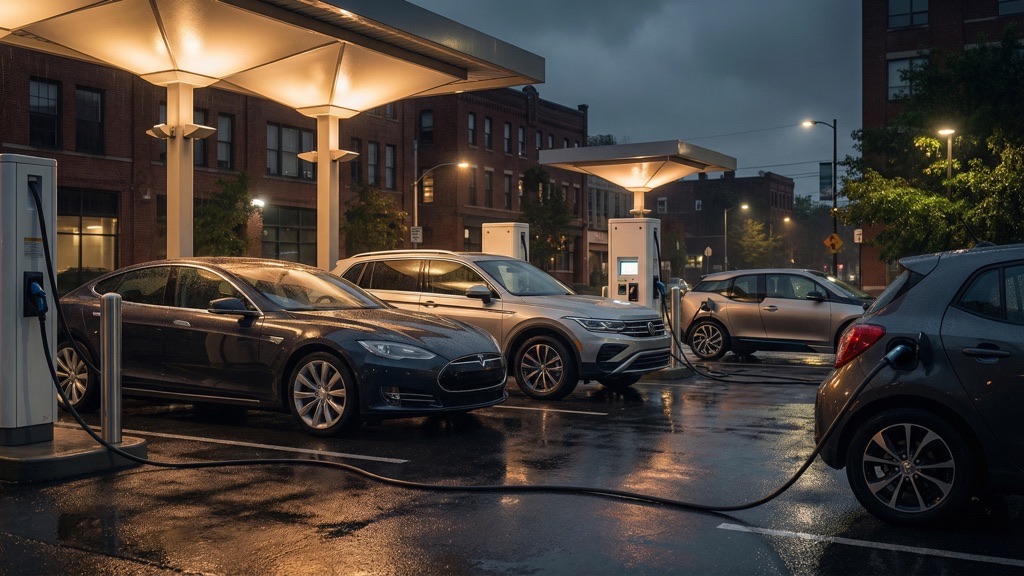
Without Home Charging
- US DC charging: $0.35–$0.60/kWh
- EU fast networks: €0.40–€0.79/kWh
- Per-mile cost can approach gasoline
Planning becomes mandatory.
This is where many regrets start.
🧠 Who Will Love EV Ownership in 2026?
You will likely love it if:
- You value smooth, quiet driving
- You have structured routines
- You plan trips occasionally, not weekly
- You appreciate lower maintenance
These buyers rarely go back to gasoline.
⚠️ Who Might Regret It?
Be honest.
You may regret it if:
- You rely entirely on public charging
- You drive long highway routes daily
- You dislike planning
- You expect 5-minute refueling stops
EVs reward routine.
They punish unpredictability.
📊 EV vs Hybrid vs Gas (Ownership Reality)
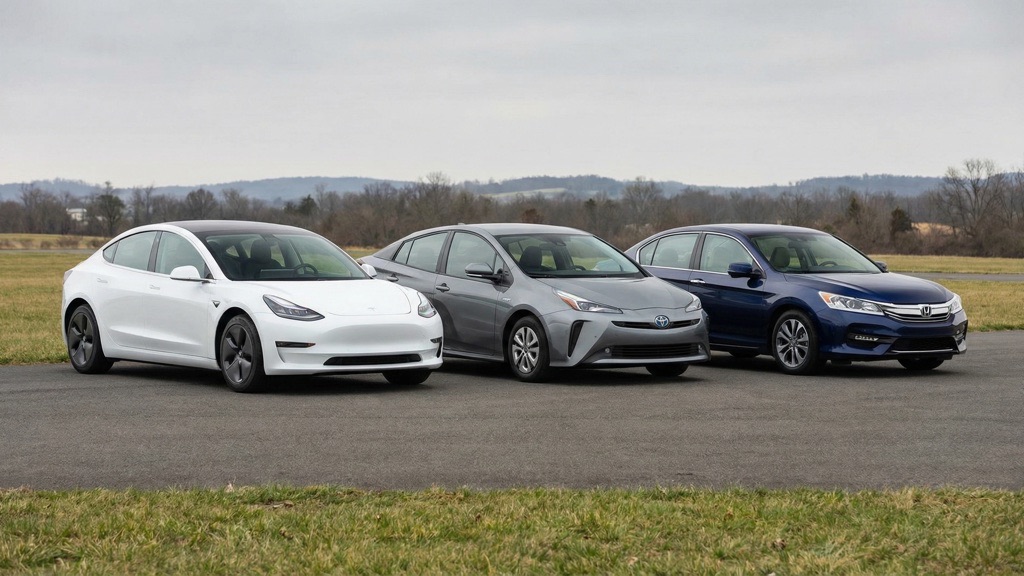
| Factor | EV (Home Charging) | Hybrid | Gas |
|---|---|---|---|
| Fuel cost per 100 mi | Lowest | Medium | Highest |
| Maintenance | Lowest | Medium | Highest |
| Road-trip ease | Medium | High | High |
| 5-Year operating cost | Lowest | Medium | Highest |
If you charge at home, EV ownership usually wins financially.
If not, hybrid remains the rational bridge option.
🏆 Category Leaders Worth Considering
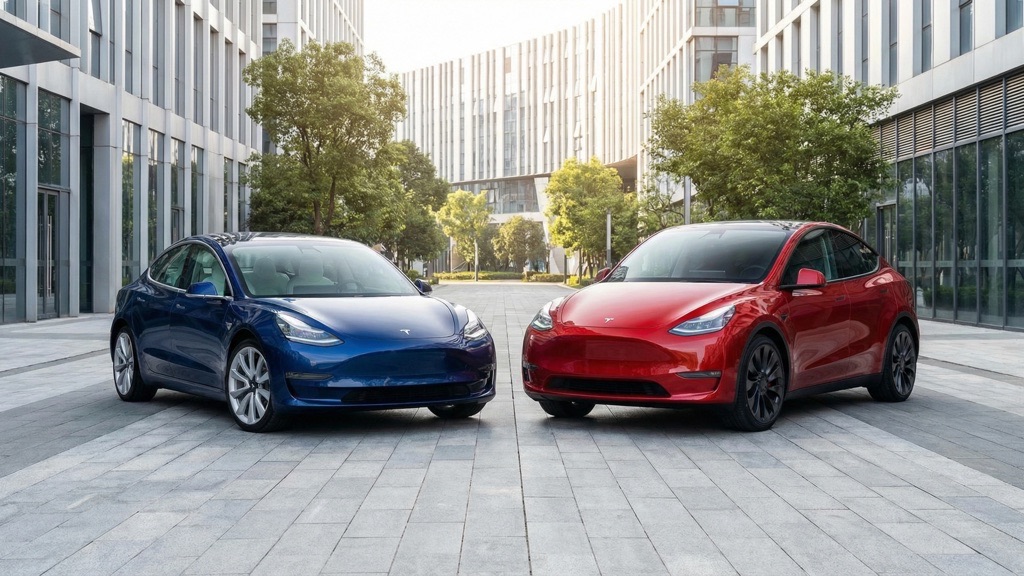
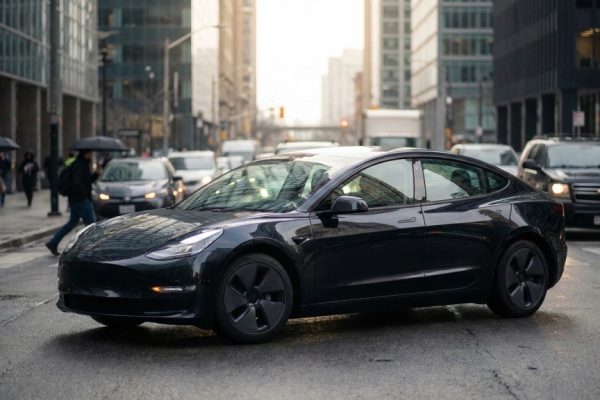
Efficiency Benchmark – Tesla
Strong charging ecosystem integration and efficiency.
| Model | Real Range | Charging | Strength |
|---|---|---|---|
| Model 3 | 260–330 mi | Excellent | Efficiency |
| Model Y | 250–320 mi | Excellent | Practical SUV |
Fast-Charging Leaders – Hyundai Motor Company
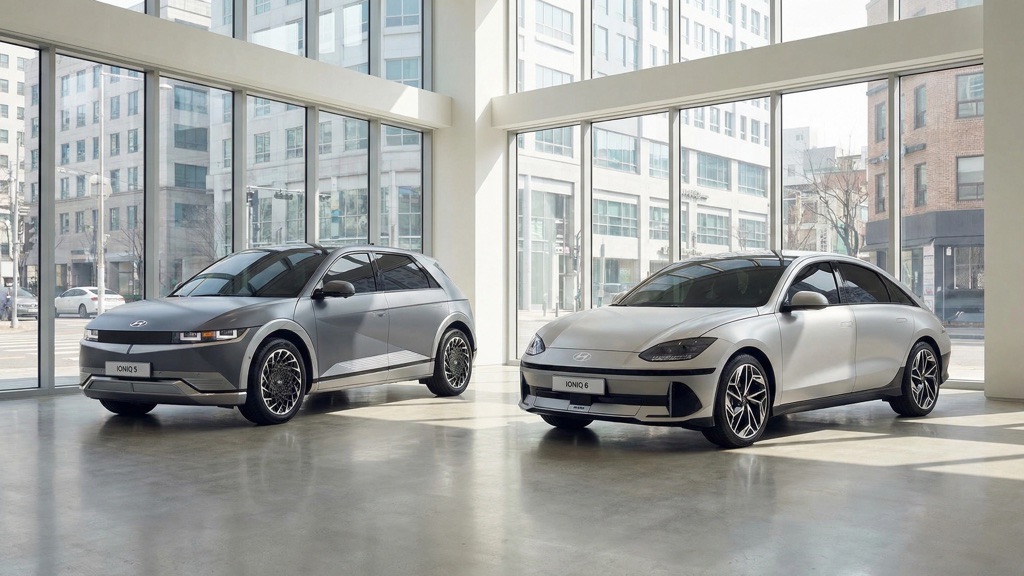
800V architecture benefits road-trippers.
| Model | Real Range | Charging | Strength |
|---|---|---|---|
| Ioniq 5 | 240–300 mi | ~18 min 10–80% | Road-trip speed |
| Ioniq 6 | 260–330 mi | Very fast | Efficiency |
Mainstream Comfort – Volkswagen
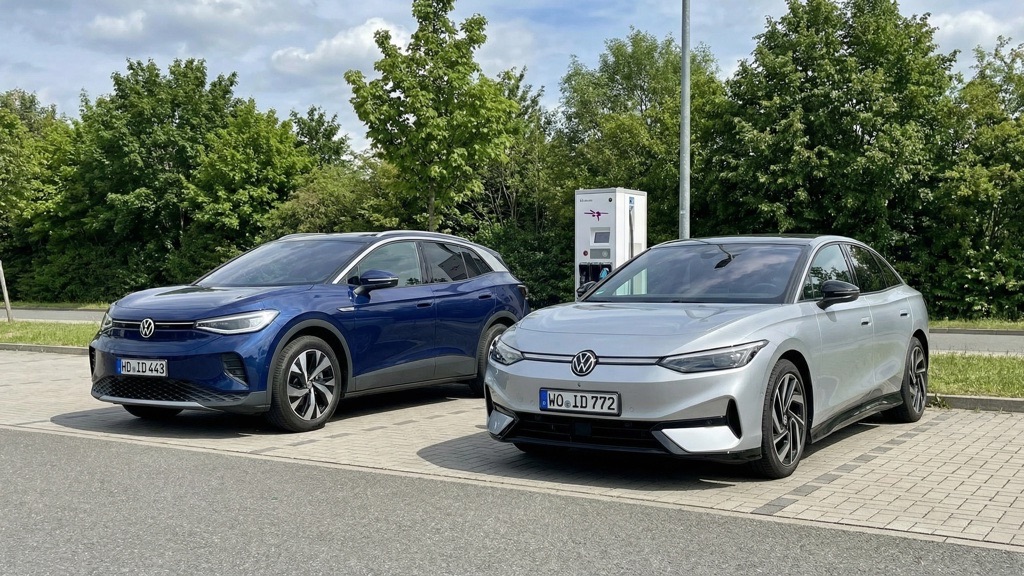
Balanced daily usability.
| Model | Real Range | Charging | Strength |
|---|---|---|---|
| ID.4 | 230–280 mi | Decent | Space |
| ID.7 | 300+ mi | Improved | Comfort |
💰 5-Year Cost Snapshot (US Example)
Assume:
- 12,000 miles/year
- 3.8 mi/kWh
- $0.15/kWh home electricity
Annual electricity ≈ $475–$550
Gas equivalent at $3.50/gal:
≈ $1,400–$1,800 annually
Maintenance savings over 5 years:
$2,000–$4,000 typical.
Charging at home changes the math entirely.
🧠 FINAL EXPERT VERDICT
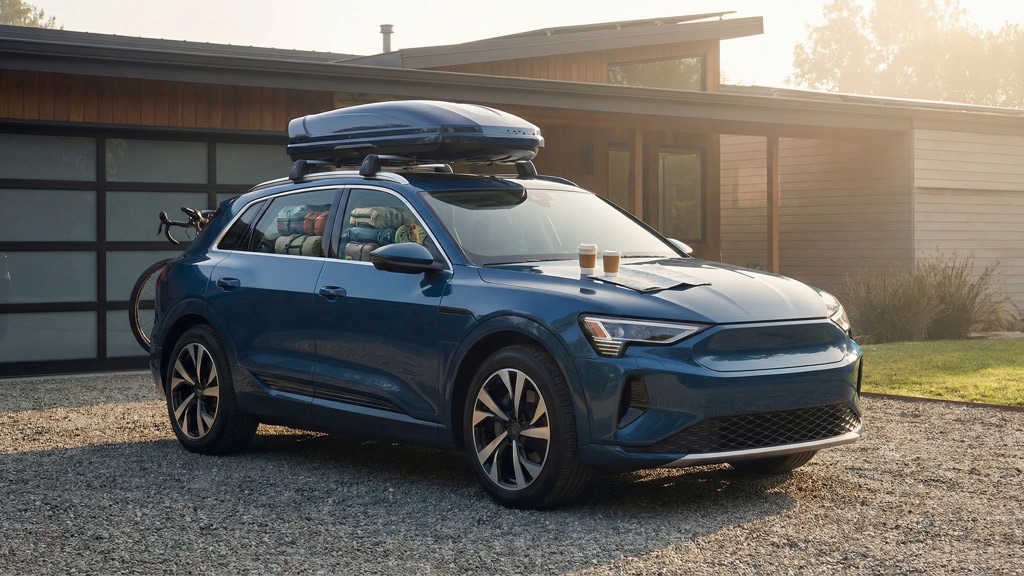
🔹 Short Verdict
If you have home charging and predictable driving patterns — buy an EV in 2026.
If you don’t, consider a hybrid seriously.
🔹 Detailed Verdict
EVs in 2026 are mature, reliable, and financially compelling for the right buyer.
They are not universal solutions.
Match:
- Your daily miles
- Your charging access
- Your climate
- Your ownership horizon
When those align, EV ownership feels logical — not experimental.
Make the decision based on routine, not hype.
That’s how you reach 9/10 satisfaction instead of 6/10 regret.
TL;DR
- Charging access matters more than range
- Highway range drops 20–30%
- 300+ mile EPA ideal for heavy highway use
- Home charging transforms ownership
- Don’t buy range “just in case.”
FAQ
Is 250 miles enough in 2026?
Yes,s for daily commuting. No for heavy highway use.
Do EV batteries last long-term?
Most lose only 5–10% after 100,000 miles.
Are EVs cheaper long-term?
Yes — if charged primarily at home.
Is public charging reliable now?
Improved significantly, but still inconsistent in some rural regions.