
INTRODUCTION
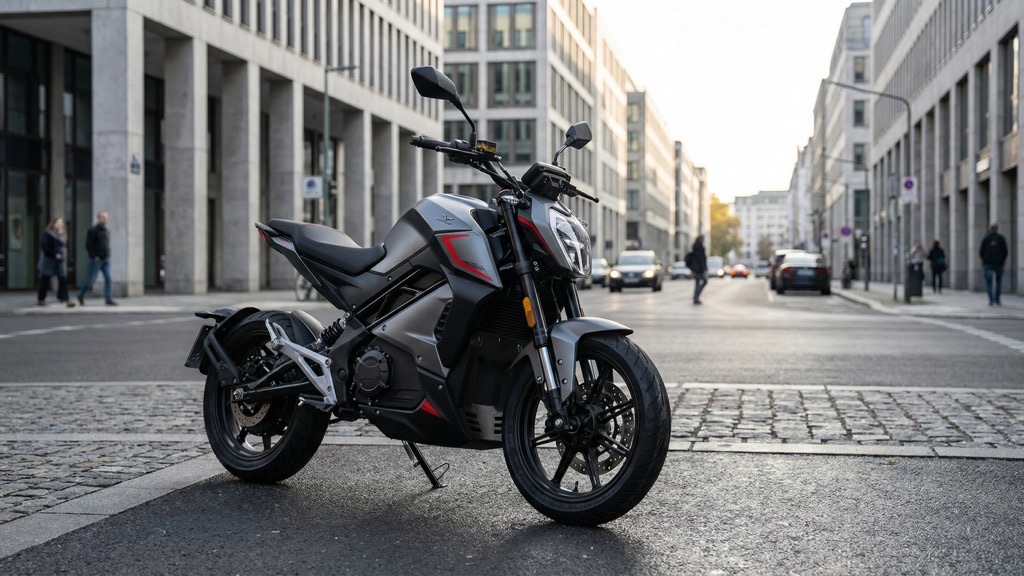
The Vmoto Stash is a city-first electric motorcycle designed for riders who want sportbike styling without clutch work, engine heat, or fuel stops.
This bike makes sense if:
- You commute 10–60 km per day
- You ride mostly in urban traffic
- You have home charging
- You hold an A1 license (EU market)
It does not make sense if:
- You ride long highway distances daily
- You want 300cc performance
- You expect touring flexibility
Electric works extremely well in dense city environments. The question is whether the Stash delivers enough to justify its price.
Let’s break it down from a real rider’s perspective.
⚡ QUICK RIDER VERDICT
- Best use case: Daily urban commuting
- Realistic range: 95–120 km city / 70–85 km aggressive
- Charging reality: Overnight home charging is essential
- Power feel: Strong at low speed, soft above 90 km/h
- Overall rider rating: 9.0/10 for city use
In the right environment, it’s genuinely enjoyable.
Outside that environment, its limits show quickly.
🔧 KEY SPECIFICATIONS
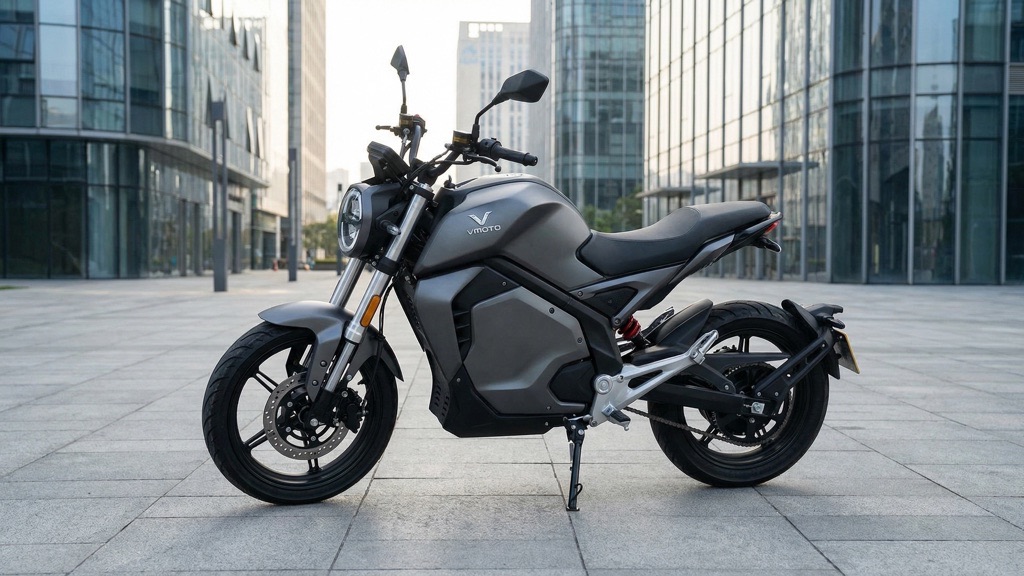
| Specification | Value |
|---|---|
| Motor power | 8 kW nominal (~16 kW peak) |
| Torque | ~180 Nm (at wheel) |
| Battery capacity | 7.2 kWh |
| Real-world range | 95–120 km |
| Charging time | 5–6 hours |
| Weight | ~155 kg |
| Seat height | 810 mm |
| Price | ~€6,000–€7,000 |
Specifications reflect the current EU production configuration.
🏍 RIDING EXPERIENCE (What Actually Matters)
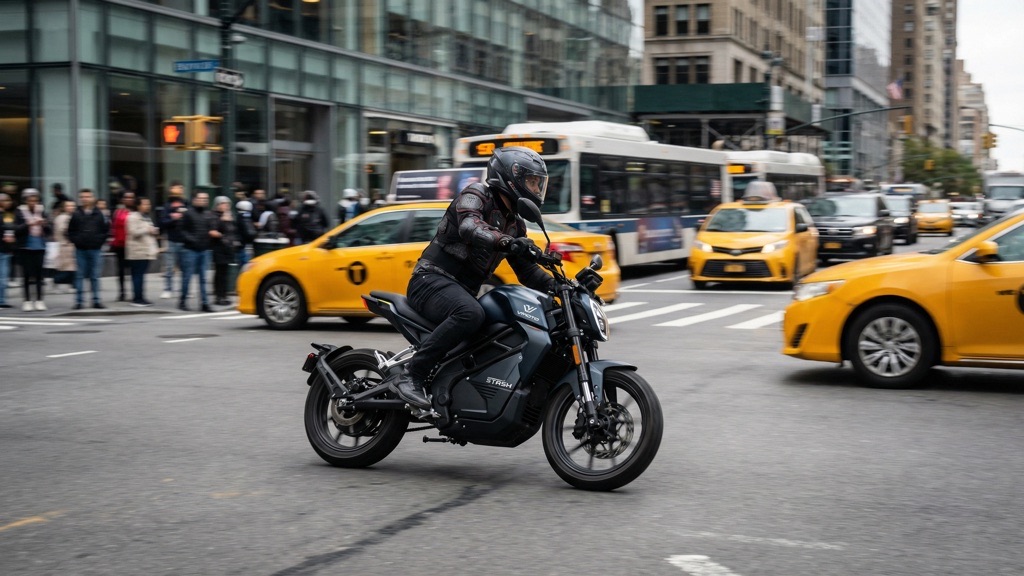
Throttle Response in Traffic
From 0–50 km/h, the Stash feels lively.
Instant torque makes city launches easy and smooth. Compared to the Yamaha MT-125, it feels quicker off the line up to around 40–50 km/h.
After that, the gasoline bike starts catching up.
In heavy traffic, the lack of a clutch and gearbox makes daily riding noticeably less stressful.
Acceleration & Speed Reality
0–60 km/h → Responsive and fun
60–90 km/h → Adequate
90–110 km/h → Noticeably softer
Cruising sweet spot is around 90–100 km/h.
Yes, it can reach approximately 120 km/h, but it doesn’t feel strong there. Wind protection is minimal despite the fairing.
This is an urban machine first.
Handling & Balance
At 155 kg, it isn’t ultra-light, but the centralised battery keeps the weight low.
It feels:
- Stable mid-corner
- Predictable under braking
- Confidence-inspiring at city speeds
It doesn’t feel like a scooter. It feels like a proper small motorcycle.
Suspension Feel
Suspension tuning is city-focused.
 Reviews
Arc Vector Review (2026): The World’s Most Advanced Electric Motorcycle
Electric motorcycles in 2026 have finally matured into a real alternative to gasoline bikes. Most brands now focus on affordability,...
 Reviews
Electric Motorcycle Buying Guide 2026: Real-World Range, Charging & Rider Verdict
Switching to electric in 2026 is no longer experimental. But it’s still not for everyone. I’ve ridden multiple electric models...
 Reviews
Electric vs Gas Motorcycle (Cost Over 5 Years): The Complete Rider’s Financial Breakdown (2026)
If you’re thinking about switching to electric, forget the hype. The real question is simple: Over five years, which one...
- Absorbs potholes reasonably well
- Slightly firm over sharp impacts
- Not designed for aggressive sport riding
For commuting, it works. For spirited canyon riding, it shows limitations.
Braking Performance
Brakes offer:
- Decent initial bite
- Progressive feel
- Predictable ABS intervention
They match the bike’s performance level but do not feel premium or sport-focused.
One-finger braking in city traffic is possible, but feel is more practical than sharp.
Living With It
After a few weeks of daily commuting:
What stands out:
- No vibration fatigue
- No engine heat in summer traffic
- Quiet, smooth daily experience
What you start noticing:
- Limited high-speed pull
- Wind pressure at 100 km/h
- Charging routine becomes part of life
Ownership is easy — as long as your riding pattern fits.
🔋 RANGE & CHARGING REALITY
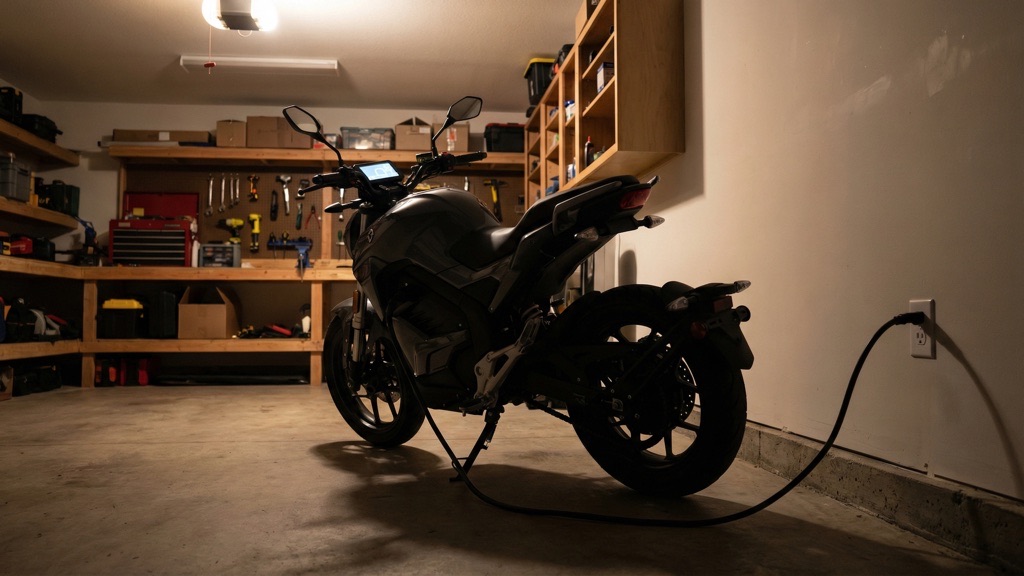
Real Urban Scenario
Example:
28 km daily commute
Mixed traffic
Average speed 45 km/h
Battery usage: roughly 25–30%.
That means 3 days of commuting per charge — though most riders will plug in nightly.
Aggressive Riding
Hard launches + sustained 100 km/h riding:
Expect 70–85 km range.
The electric range drops faster than gasoline when riding aggressively.
Cold Weather Impact
Below 10°C:
- 10–20% range reduction
- Slight efficiency drop
Plan buffer range in colder climates.
Charging Reality
Full charge: approximately 5–6 hours.
Home charging is practically required.
This is not a touring EV with rapid charging like the Zero S.
💰 OWNERSHIP COST (3–5 Year Perspective)
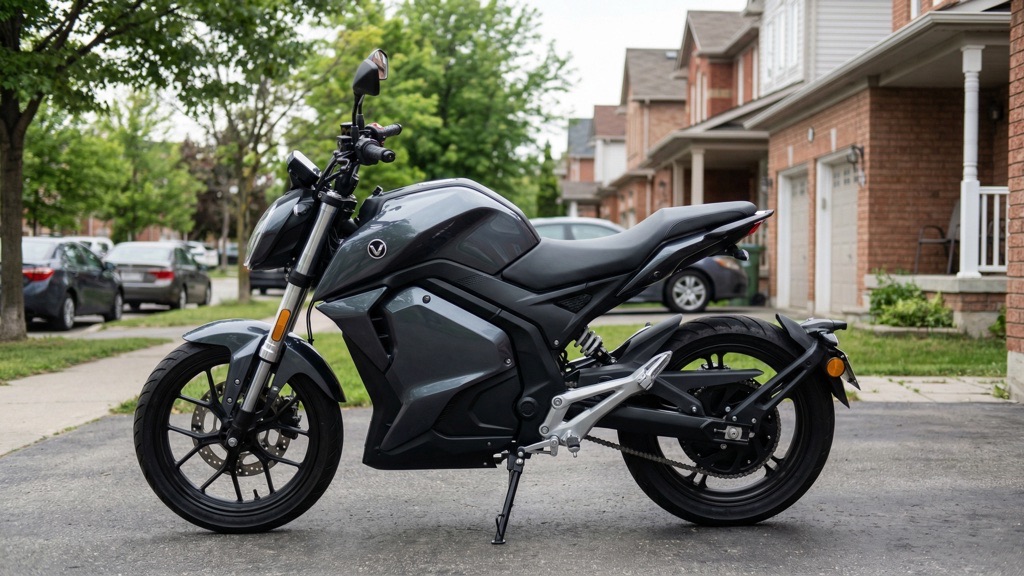
Electricity
7.2 kWh per full charge
≈ €1.5–2 per charge
≈ €2–3 per 100 km
125cc Gas Motorcycle
≈ €6–8 per 100 km depending on fuel prices.
Over 10,000 km per year, the savings accumulate steadily.
Maintenance advantage:
- No oil changes
- No clutch replacement
- No engine servicing
Upfront cost remains higher than that of many 125cc motorcycles.
Savings are long-term, not immediate.
👍 PROS & 👎 CONS
👍 PROS
- Strong low-speed torque
- Modern sportbike styling
- Low daily running costs
- Minimal maintenance
- Smooth, quiet ride
- Well-balanced urban handling
👎 CONS
- Limited highway performance
- No fast charging capability
- Range drops at higher speeds
- Higher upfront price vs 125cc ICE
- Not ideal for long-distance touring
🚫 WHO SHOULD NOT BUY THE VMOTO STASH
Skip it if:
- You ride long highway distances daily
- You don’t have reliable home charging
- You are upgrading from a 300–400cc motorcycle
- You want weekend touring flexibility
The Stash works brilliantly in urban conditions — and becomes frustrating outside them.
⚔️ COMPARISON TABLE
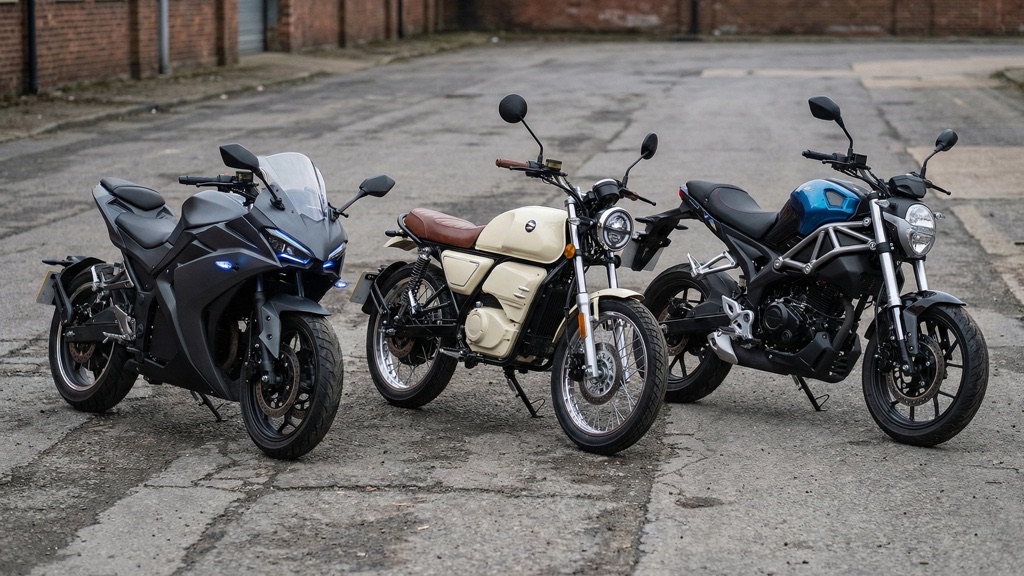
| Model | Power | Range | Weight | Price | Best For |
|---|---|---|---|---|---|
| Vmoto Stash | 8 kW | 95–120 km | 155 kg | €6–7k | Urban commuting |
| Super Soco TC Max | 5 kW | 80–110 km | ~101 kg | ~€5k | Lightweight city riding |
| Yamaha MT-125 | 11 kW | 400+ km | 142 kg | ~€5k | Traditional 125cc flexibility |
🧠 FINAL RIDER VERDICT
🔹 SHORT VERDICT
If you are a city commuter with home charging, the Vmoto Stash makes practical and financial sense.
If your riding includes regular highway travel or longer weekend trips, it’s not the right tool.
🔹 DETAILED VERDICT
Is it worth €6,000–€7,000?
For pure urban riders — yes.
For mixed-use riders — probably not.
The Stash feels more mature than many entry-level electric motorcycles. It doesn’t feel like a novelty. It feels like a purpose-built urban machine.
Long-term satisfaction depends entirely on your riding habits.
If your life is city-based, you’ll likely appreciate it daily.
If your riding evolves toward longer distances, you may outgrow it.
It’s not an all-rounder.
It’s a specialised urban electric motorcycle — and within that role, it performs well.
Vmoto Sta
sh FAQ
Is the Vmoto Stash good for highway riding?
It can reach around 120 km/h, but it feels most comfortable at 90–100 km/h. For long highway commutes, it’s not ideal.
What is the real-world range?
95–120 km in moderate city riding.
70–85 km if riding aggressively or at higher sustained speeds.
How long does charging take?
Approximately 5–6 hours for a full charge using a standard charger.
Is it cheaper to run than a 125cc gas bike?
Yes. Electricity costs per 100 km are significantly lower than fuel costs. However, the initial purchase price is higher.
Is it beginner-friendly?
Yes. It is A1 license-compatible (EU), clutch-free, and delivers predictable power.