Introduction
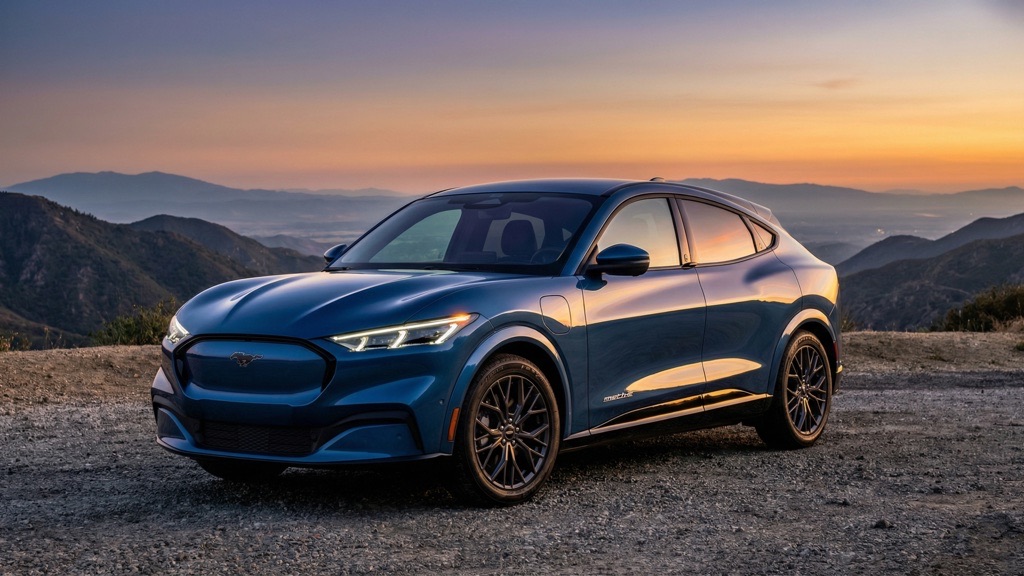
The Ford Mustang Mach-E is no longer the bold newcomer trying to prove legacy automakers can build serious EVs. In 2025, it’s an established player in one of the most competitive electric SUV segments in the US and Europe.
This is an EV for buyers who want:
- Strong real-world range
- Engaging driving dynamics
- Familiar brand support and dealer infrastructure
It is not for buyers chasing:
- The fastest DC charging times
- Maximum efficiency per kWh
- Software-first ecosystems like Tesla
The Mach-E helped legitimize Ford’s EV transition. But today the market has moved forward. The key question now: Is it still competitive — or already mid-cycle aging?
⚡ QUICK VERDICT
Best for: Drivers who value handling, brand familiarity, and balanced daily usability
Not recommended for: Frequent long-distance highway drivers prioritizing charging speed
Real-world range (expert estimate):
- RWD Extended: 270–290 miles
- AWD Extended: 240–260 miles
- GT Performance: 220–240 miles
Biggest advantage: One of the best-handling mainstream electric SUVs
Main drawback: Average charging curve and below-class-leading efficiency
Overall rating: 9.0/10
📊 Key Specifications
| Specification | Value |
|---|---|
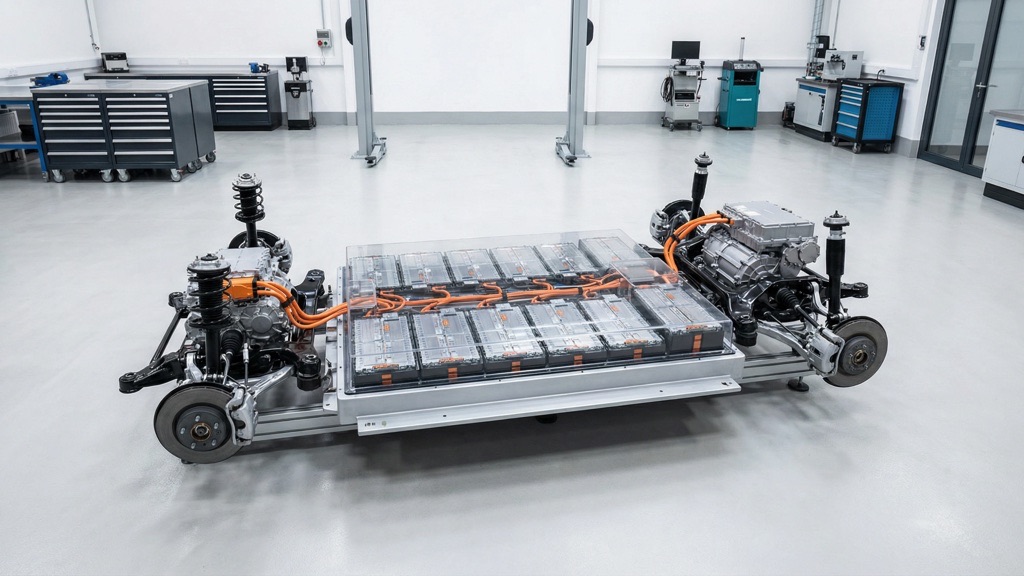
| Battery capacity | 72.6 kWh (Standard) / 91 kWh (Extended) usable |
| Real-world range | 220–290 miles, depending on the version |
| WLTP / EPA range | Up to 320 mi EPA / up to ~565 km WLTP (RWD Extended) |
| DC fast charging | Peak 150 kW (sustained ~105–115 kW) |
| 0–60 mph / 0–100 km/h | 3.3 sec (GT Performance) – 6.1 sec (RWD) |
| Drivetrain | RWD or AWD |
| Weight | ~2,100–2,300 kg depending on trim |
| Starting price | From ~$39,000 US (before incentives) / ~€50,000 EU |
🚗 Real-WoIn urban driving, the Mach-E performs well
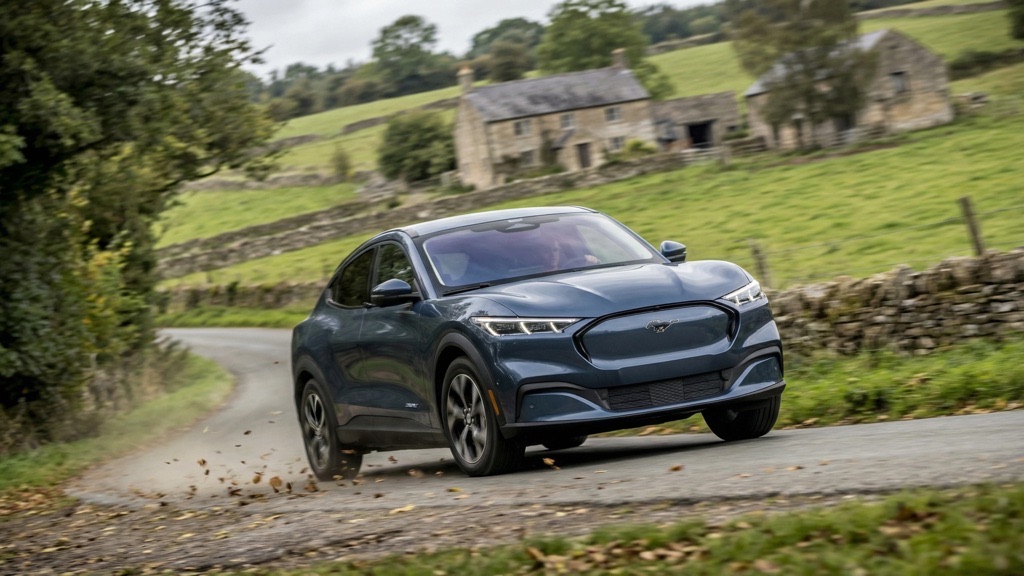
In urban driving, the Mach-E performs well:
- RWD Extended: 3.5–4.0 mi/kWh
- AWD: 3.1–3.5 mi/kWh
- GT: 2.8–3.2 mi/kWh
Regenerative braking is smooth and predictable. One-pedal mode is natural — not overly aggressive.
The weight is noticeable in tight corners, but the chassis tuning masks it effectively.
Highway Reality
At 75 mph (120 km/h):
- RWD Extended: ~280 miles
- AWD Extended: ~250 miles
- GT Performance: ~230 miles
Tesla Model Y typically deliversavy platform (over 2.2 tons in AWD trims)
- 400V architecture
- No 800V charging system
- Aerodynamics optimized for styling over absolute efficiency
For comparison, the Tesla Model Y typically delivers ~3.6–4.0 mi/kWh on highway runs, while Mach-E AWD averages closer to 3.0–3.2 mi/kWh.
Expert opinion:
Ford tuned the Mach-E for driving character, not maximum aerodynamic efficiency. You feel that tradeoff on long highway drives.
Ride & Handling
This remains the Mach-E’s strongest argument.
- Precise steering
- Excellent body control
- Confident cornering
It feels more European than American in tuning.
 Reviews
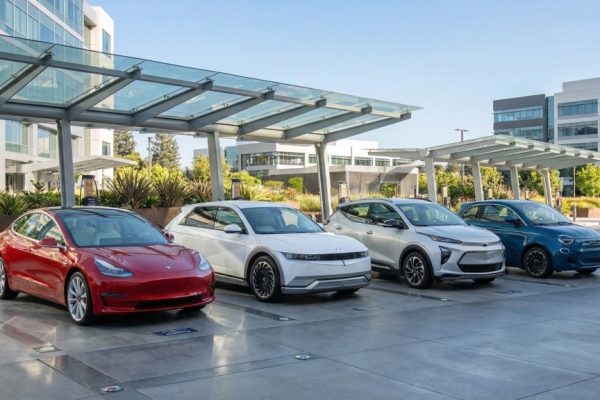
Best Electric Cars for City Driving (2026): Real-World Range, Urban Efficiency & Expert Buying Verdict
If you drive 12 miles to work, sit in traffic, hunt for parking, and repeat that five days a week,...
 Reviews
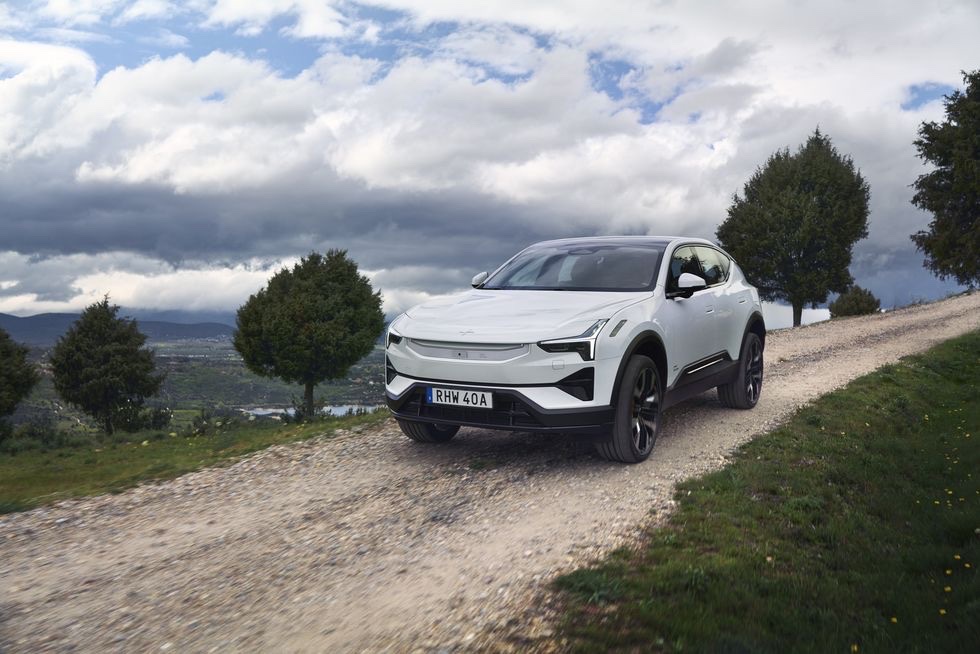
The Polestar 3 Electric SUV: Blending Agility, Tech, and Sleek Swedish Design
As the electric vehicle market continues its rapid expansion, automakers are vying to stake their claim with compelling new EVs...
 Cars
Cars
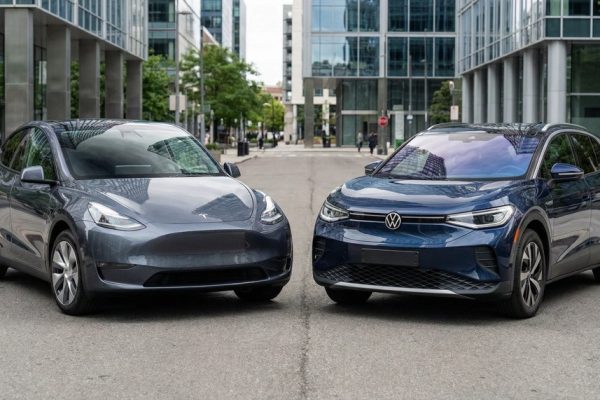
Tesla Model Y vs Volkswagen ID.4 (2026): Range, Charging, Price & Verdict
TL;DR Choose the Tesla Model Y if you want superior range, faster acceleration, and better resale value. Choose Volkswagen ID.4...
However:
GT Performance suspension is firm — borderline harsh on broken pavement.
20-inch wheels reduce comfort and efficiency further.
If daily comfort matters more than acceleration, skip the GT.
Acceleration
Even standard AWD versions feel quick.
GT Performance at 3.3 seconds to 60 mph is genuinely fast — but:
- Range drops significantly
- Insurance costs are higher
- Ride comfort suffers
- Real-world usability decreases
Expert view:
The GT is emotionally attractive but financially and practically harder to justify.
🔌 Charging Curve & Real-World Behavior
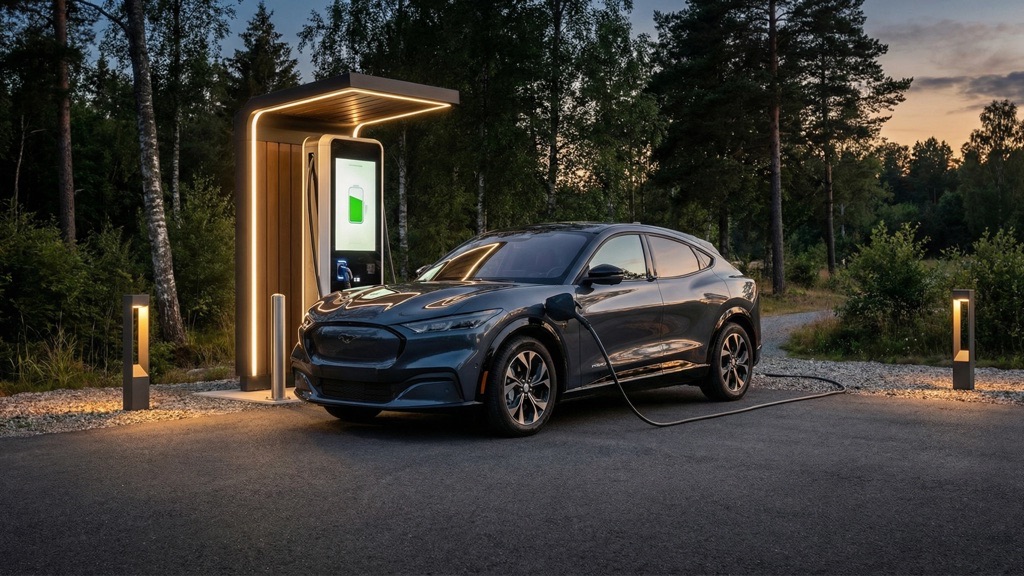
Peak charging power: 150 kW
But real behavior matters more than peak.
- Power peaks briefly
- Charging drops noticeably after ~40% state of charge
- Sustained rate averages ~105–115 kW
Typical 10–80%:
- Standard Range: ~32–38 minutes
- Extended Range: ~38–45 minutes
In comparison:
| Model | Peak Charging | Architecture |
|---|---|---|
| Hyundai Ioniq 5 | 235 kW | 800V |
| Tesla Model Y | 250 kW | 400V |
| Mustang Mach-E | 150 kW | 400V |
The Mach-E is acceptable — but no longer leading.
👍 Pros & 👎 Cons
👍 Pros
- Engaging handling uncommon in this segment
- Strong real-world range in RWD Extended
- Solid build quality and cabin insulation
- Large dealer and service network
- Tesla Supercharger access in US (NACS support)
👎 Cons
- Charging curve drops early
- Efficiency below class leaders
- GT suspension is too firm for daily use
- Heavy platform affects consumption
- Infotainment is good, but not class-leading
⚖️ Competitor Comparison
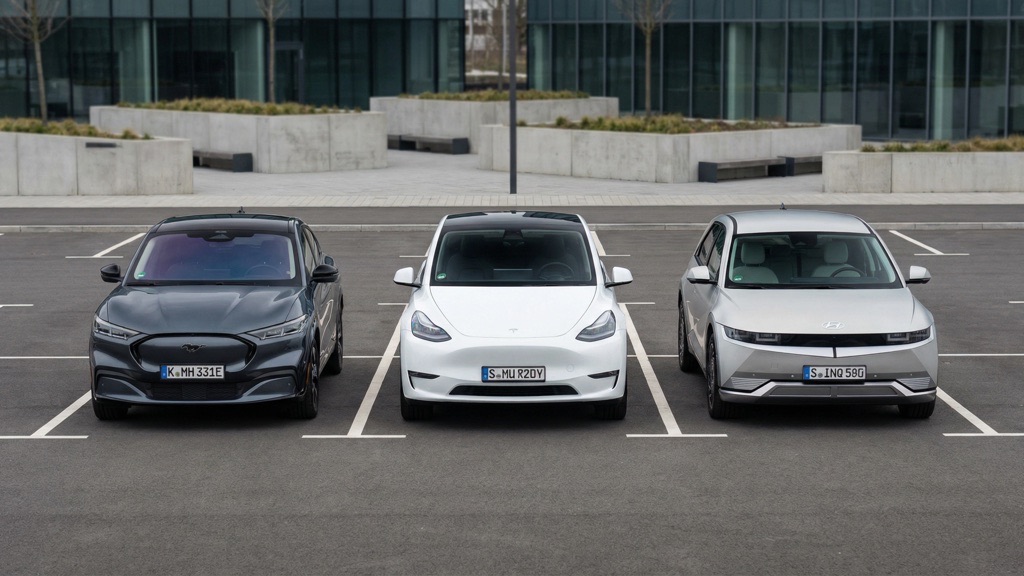
| Model | Range | Charging | Price | Platform Voltage | Key Difference |
|---|---|---|---|---|---|
| Tesla Model Y | Up to 330 mi | 250 kW | ~$44,000 | 400V | Best efficiency + charging network |
| Hyundai Ioniq 5 | Up to 303 mi | 235 kW | ~$41,000 | 800V | Ultra-fast 800V charging |
| Volkswagen ID.4 | Up to 275 mi | 135–175 kW | ~$39,000 | 400V | Softer ride, less sporty |
Mach-E wins on driving engagement.
It loses on charging technology.
💰 Ownership & Running Costs
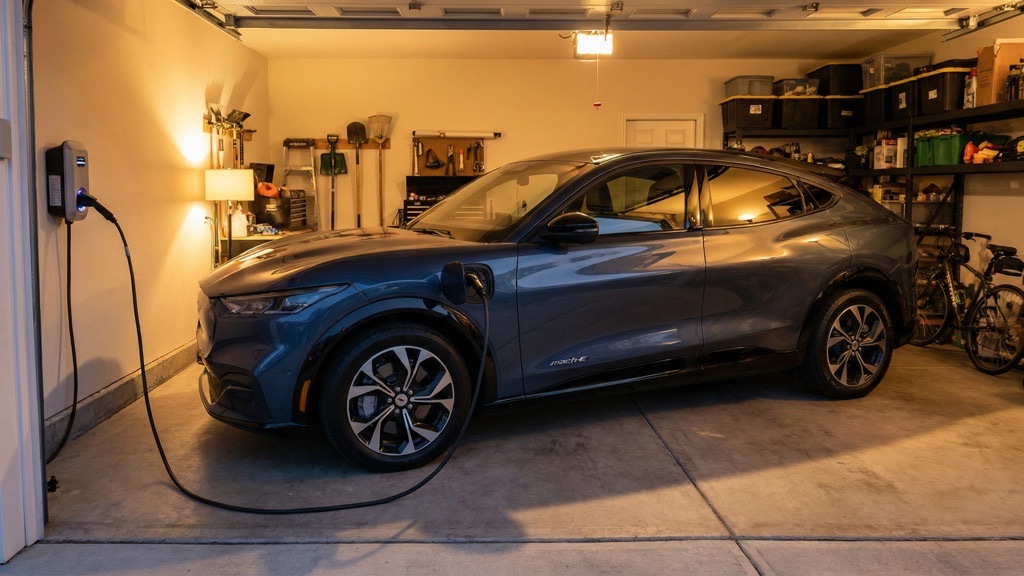
Charging Costs
US home charging (~$0.14/kWh):
- Full Extended battery ≈ $12–13
- 4–5 cents per mile
Europe (€0.25–0.35/kWh):
- Still significantly cheaper than gasoline
Fast charging increases cost per mile 2–3x.
Maintenance
- No oil changes
- Reduced brake wear
- Higher tire wear on AWD/GT
Ford’s service footprint remains a real advantage over startups.
Battery Degradation
Data from early production models shows:
- ~5–8% degradation after 3–4 years
Thermal management is stable and well-engineered.
🧠 Expert Perspective: Where Mach-E Stands in 2025
The Mach-E represents a successful first-wave legacy EV.
It is:
- Mature
- Refined
- Proven
But not cutting-edge.
Charging speed and efficiency are mid-segment. Driving dynamics remain its defining advantage.
If Ford introduces a next-generation 800V platform, the competitive landscape will shift dramatically.
🏁 Final Expert Verdict
🔹 SHORT VERDICT: Strong Buy (RWD Extended) / Think Twice (GT)
Buy the RWD Extended.
Consider AWD if you need traction.
Skip the GT unless performance is your top priority.
🔹 Detailed Verdict
Ideal Buyer
- Drives mostly city and suburban miles
- Charges primarily at home
- Values steering feel and handling
- Prefers established dealer support
Long-Term Outlook
The platform is proven. Battery degradation is normal. Resale values have stabilized.
This is a safe EV purchase — not a bleeding-edge one.
Value for Money
At current pricing, the RWD Extended offers one of the most balanced EV packages under $50k.
The GT is harder to justify due to:
- Reduced range
- Higher operating costs
- Compromised ride comfort
TL;DR
The Mustang Mach-E remains one of the most enjoyable electric SUVs in its class.
Strong range.
Excellent handling.
Reliable ownership experience.
But average charging speed and efficiency prevent it from leading the segment in 2025.
Final Score: 9.0/10
FAQ
Is the Mach-E reliable long-term?
Yes. Software issues from early production have largely been resolved.
Is GT worth it?
Only if performance outweighs comfort and efficiency concerns.
Does it road-trip well?
Yes, but charging times are slower than Tesla or 800V competitors.
How long does home charging take?
7–10 hours on Level 2, depending on battery size.