


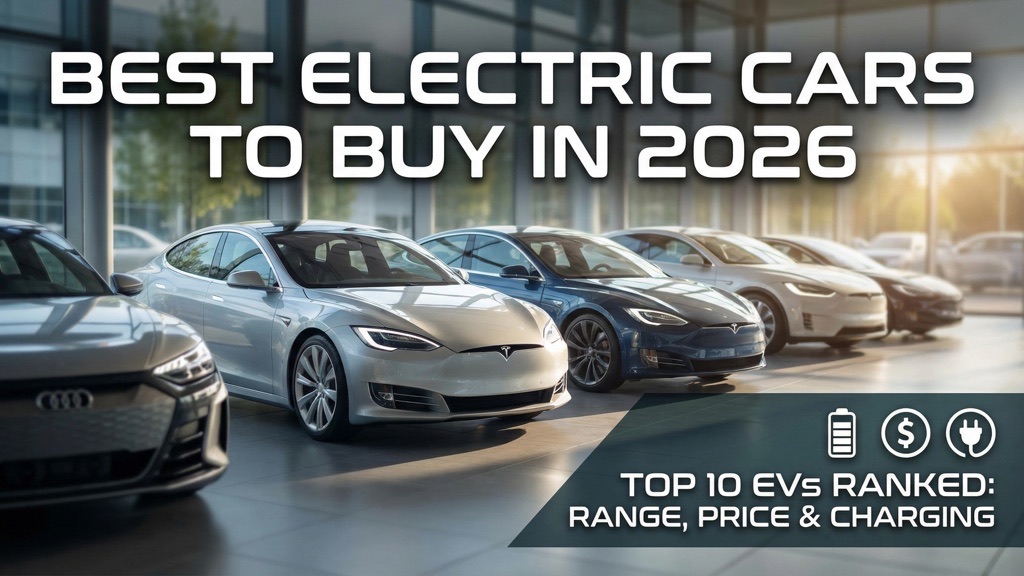
TL;DR — Best Electric Cars to Buy in 2026
-
🥇 Best overall EV of 2026: BYD Seal — unbeatable value, durable LFP battery, strong performance
-
Best EV for long-distance driving: Tesla Model 3 — class-leading efficiency and charging ecosystem
-
Best affordable electric car: Volkswagen ID.2 / ID. Polo — ideal first EV for mass-market buyers
-
Best premium electric sedan: Mercedes-Benz CLA EV — ultra-efficient, ultra-fast charging
-
Best electric family car: Volkswagen ID. Tiguan — space, comfort, and familiar SUV practicality
Key takeaway:
In 2026, electric cars clearly outperform petrol cars in total cost of ownership, charging convenience, and long-term value. For most buyers, choosing an ICE vehicle no longer makes financial or practical sense.
Introduction: Why 2026 Is the Breakthrough Year for EV Buyers
Electric cars in 2026 are no longer about compromise. This is the first year where EVs consistently beat internal combustion cars on price-to-value ratio, charging speed, technology, and everyday usability. Battery costs are lower, 800-volt platforms are widespread, and affordable EVs finally arrive in high volume.
Below is a fully updated and expanded ranking of the Top 10 Best Electric Cars to Buy in 2026, now including key specifications for each model — range, battery size, charging speed, and positioning — to help buyers make informed decisions.
How These Electric Cars Were Ranked
Each model was evaluated based on:
-
Real-world range and efficiency
-
Battery technology and DC fast-charging capability
-
Price positioning in 2026
-
Interior space, software, and driver assistance
-
Long-term relevance (2026–2030)
🏆 Top 10 Best Electric Cars to Buy in 2026 (With Specs)
10. Dacia Spring (2026 Update)
Segment: City EV
Battery: ~27 kWh
Range: ~230 km WLTP (~170–190 km real-world)
Charging: up to 30 kW DC
Power: ~65 hp
Estimated Price: under €20,000
Why it belongs here
The Dacia Spring remains Europe’s cheapest electric car, and in 2026, it finally feels mature enough. Improved safety systems, better efficiency, and a cleaner interior make it a legitimate alternative to used ICE city cars.
Best for: urban driving, first-time EV buyers, and lowest possible ownership cost.

9. Cupra Raval
Segment: Compact hatchback
Battery options: 37 kWh / 52 kWh
Range: 300–440 km WLTP
Charging: up to 125 kW DC
Power: up to ~226 hp
Estimated Price: from ~€25,900
Why it belongs here
The Raval proves that affordable EVs don’t have to be boring. Strong performance, sharp design, and competitive charging make it one of the most exciting entry-level EVs of 2026.
Best for: young buyers, city + suburban driving, style-focused EV owners.

8. Kia EV2
Segment: Small SUV
Battery: ~42 kWh / ~58 kWh
Range: 350–450 km WLTP
Charging: up to 150 kW DC
Power: ~150–200 hp
Estimated Price: €24,000–€28,000
Why it belongs here
The EV2 hits the sweet spot of the European market: compact size, modern tech, and practical range at a price that undercuts many hybrids.
Best for: small families, daily commuting, value-focused buyers.

7. Hyundai Ioniq 3
Segment: Compact crossover
Battery: ~58 kWh
Range: ~450 km WLTP
Charging: up to 170 kW DC (400V)
Power: ~200 hp
Estimated Price: from ~€32,000
Why it belongs here
Positioned below the Ioniq 5, the Ioniq 3 delivers excellent efficiency and refined driving dynamics in a sportier, lower profile.
 Reviews
Tesla Home Charging: Advantages, Costs and What Owners Must Know in 2026
TL;DR Tesla home charging is the single most important factor in long-term Tesla ownership economics. Level 2 charging at home...
 Reviews
How Much Does It Cost to Charge an Electric Car in Different Countries (2025 Guide)
Electric cars are cheaper to run than gasoline vehicles, but charging prices vary dramatically around the world. In some countries,...
 Reviews
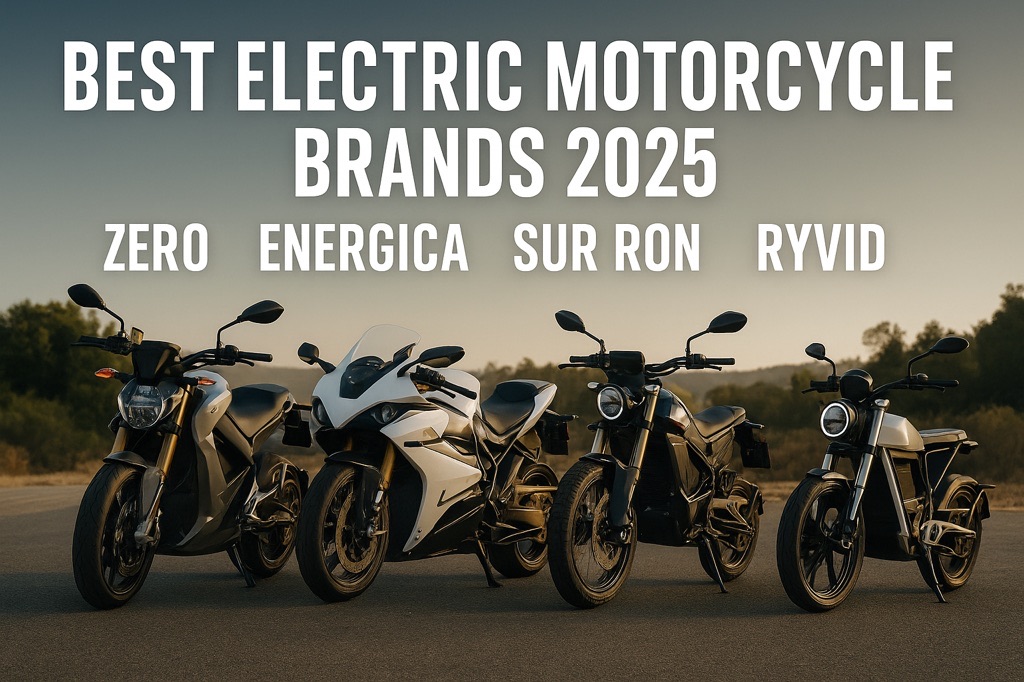
Best Electric Motorcycle Brands: Zero, Energica, Sur Ron, Ryvid (2025 Guide)
Electric motorcycles are rapidly transforming the two-wheeler world. Among dozens of manufacturers, four brands stand out as the most innovative...
Best for: drivers who want a distinctive design without premium pricing.

6. Volkswagen ID.2 / ID. Polo
Segment: B-segment hatchback
Battery: ~38 kWh / ~56 kWh
Range: 300–450 km WLTP
Charging: up to 125 kW DC
Power: ~150–220 hp
Estimated Price: from ~€25,000
Why it belongs here
This is Volkswagen’s most important EV ever. The ID.2 is designed as a true Polo successor — familiar, practical, and priced for the mass market.
Best for: traditional ICE drivers switching to their first EV.

5. BMW i3 (Neue Klasse)
Segment: Premium compact sedan
Battery: ~75 kWh
Range: ~550–600 km WLTP
Charging: up to 270 kW DC (800V)
Power: ~250–300 hp
Estimated Price: from ~€45,000
Why it belongs here
BMW’s Neue Klasse platform delivers class-leading efficiency, software, and handling. This is the most technically advanced BMW EV to date.
Best for: drivers who value dynamics, premium interiors, and brand heritage.

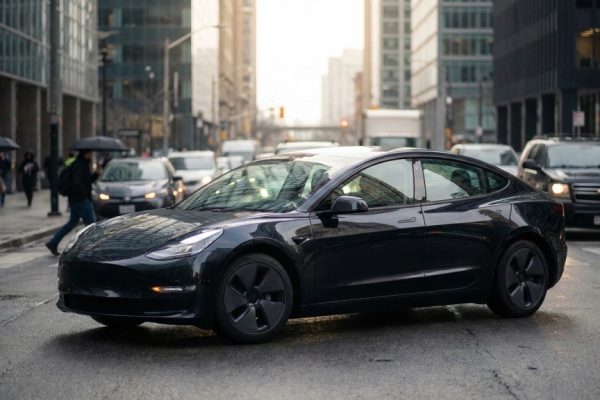
4. Tesla Model 3 (2026 Spec)
Segment: Mid-size sedan
Battery: ~60–75 kWh
Range: 500–600 km WLTP
Charging: up to 250 kW DC
Power: 283–513 hp
Estimated Price: from ~€40,000
Why it belongs here
The Model 3 remains the efficiency benchmark. While hardware innovation has slowed, Tesla’s software ecosystem and charging network keep it extremely competitive.
Best for: long-distance drivers, tech-focused users, and frequent fast-charging.

3. Mercedes-Benz CLA (EV)
Segment: Premium sedan
Battery: ~85 kWh
Range: up to 750 km WLTP (target)
Charging: up to 320 kW DC (800V)
Power: ~270–350 hp
Estimated Price: from ~€50,000
Why it belongs here
Ultra-low drag, exceptional efficiency, and next-gen charging make the electric CLA one of the most advanced EVs of 2026.
Best for: premium buyers who prioritize comfort and efficiency.

2. Volkswagen Tiguan (ID. Tiguan)
Segment: Mid-size SUV
Battery: ~77–86 kWh
Range: ~550–600 km WLTP
Charging: up to 200 kW DC
Power: ~286 hp
Estimated Price: from ~€48,000
Why it belongs here
Familiarity matters. The electric Tiguan delivers space, comfort, and usability in a format millions of buyers already trust.
Best for: families, company car users, one-car households.

🥇 1. BYD Seal / Next-Gen BYD Sedan
Segment: Mid-size sedan
Battery: 82.5 kWh Blade Battery (LFP)
Range: ~570 km WLTP (~500 km real-world)
Charging: up to 240 kW DC
Power: up to 530 hp (AWD)
Estimated Price: from ~€42,000
Why it’s #1 in 2026
BYD delivers the best technology-per-euro on the market: durable LFP chemistry, strong performance, fast charging, and aggressive pricing — without sacrificing quality.
Best for: buyers who want maximum value, long-term reliability, and modern tech.

EV vs ICE in 2026: The Point of No Return
-
Fuel + maintenance: EVs are ~30–45% cheaper over 5 years
-
Charging speed: 15–20 minutes = 250–300 km
-
Software lifespan: EVs improve over time, ICE cars don’t
Electric cars are no longer the future.
In 2026, they are the rational choice.
Final Verdict: Which EV Should You Buy in 2026?
There has never been a better year to buy an electric car. In 2026, EVs cover every segment, every budget, and every use case — often outperforming ICE vehicles outright.
Electric cars are no longer the future.
In 2026, they are the smart choice.
The best electric cars of 2026 represent a turning point for the automotive market. With ultra-fast charging, improved range, and competitive pricing, EVs now surpass internal combustion cars in everyday usability and long-term value. This Top 10 ranking breaks down the best electric cars to buy in 2026 — complete with real-world specs, performance data, and buyer-focused insights.
FAQ — Best Electric Cars in 2026
Are electric cars cheaper than petrol cars in 2026?
Yes. In 2026, electric cars are 30–45% cheaper to own over five years compared to petrol cars.
The savings come from:
-
lower energy costs
-
minimal maintenance
-
fewer mechanical components
What is the best electric car to buy in 2026?
The best electric car to buy in 2026 is the BYD Seal.
It offers:
-
a long-lasting LFP Blade Battery
-
strong real-world range (~500 km / ~310 miles)
-
competitive pricing compared to European and US rivals
Is 2026 a good year to buy an EV, or should I wait?
2026 is the ideal year to buy an EV.
Why:
-
800-volt platforms are now mainstream
-
fast charging times dropped to 15–20 minutes
-
battery prices stabilized, limiting future price drops
Waiting longer provides little practical advantage.
How long does it take to charge an electric car in 2026?
Most modern EVs in 2026 can charge:
-
10–80% in 15–25 minutes on DC fast chargers
-
adding 250–300 km (155–185 miles) of real-world range
Home charging overnight remains the cheapest and most convenient option.
What is the real-world range of electric cars in 2026?
Most new EVs deliver:
-
400–550 km (250–340 miles) of real-world mixed driving range
-
300–400 km (185–250 miles) even in winter conditions
The gap between WLTP figures and real-world driving has significantly narrowed.
Are Chinese electric cars safe and reliable?
Yes. Brands such as BYD have proven:
-
high battery safety thanks to LFP chemistry
-
low degradation rates over time
-
strong build quality and long warranties
In 2026, Chinese EVs are a mainstream, low-risk choice, not an experiment.
Will electric cars replace petrol cars after 2026?
In practical terms, yes.
From 2026 onward, EVs:
-
cost less to operate
-
offer superior daily usability
-
continue to improve through software updates
Petrol cars will still exist, but they are no longer the default or rational choice for most buyers.
Awesome blog! Is your theme custom made or did you download it from somewhere? A design like yours with a few simple adjustements would really make my blog shine. Please let me know where you got your design. Kudos
[…] Buy the Tesla Model 3 if you […]