Switching to electric isn’t just about torque and silence.
It’s about ownership simplicity.
If you’re a rider thinking about ditching oil changes, valve checks, and engine heat, this is the real breakdown of what electric motorcycle maintenance actually costs in the real world.
No brochure claims.
No marketing math.
Just rider numbers.
Who Is This For?
This guide is for:
- Daily commuters doing 5,000–20,000 km per year
- Riders are tired of expensive service electric vs gas long-term costelectric vs gas long-term cost
Electric makes the most financial sense if:
- You ride often
- You can charge at home
- You keep bikes 3+ years
If you ride occasionally and sell after a year? Savings shrink.
⚡ QUICK RIDER VERDICT
- Best use case: Daily commuting & urban riding
- Realistic annual maintenance: $200–$600
- Battery replacement reality: Rare in first 5–8 years
- Service frequency: Minimal compared to ICE
- Ownership stress level: Much lower than gas
- Overall rider rating (cost efficiency): 9/10
If you ride a lot, electric wins long-term.
If you barely ride, gas might still make sense.
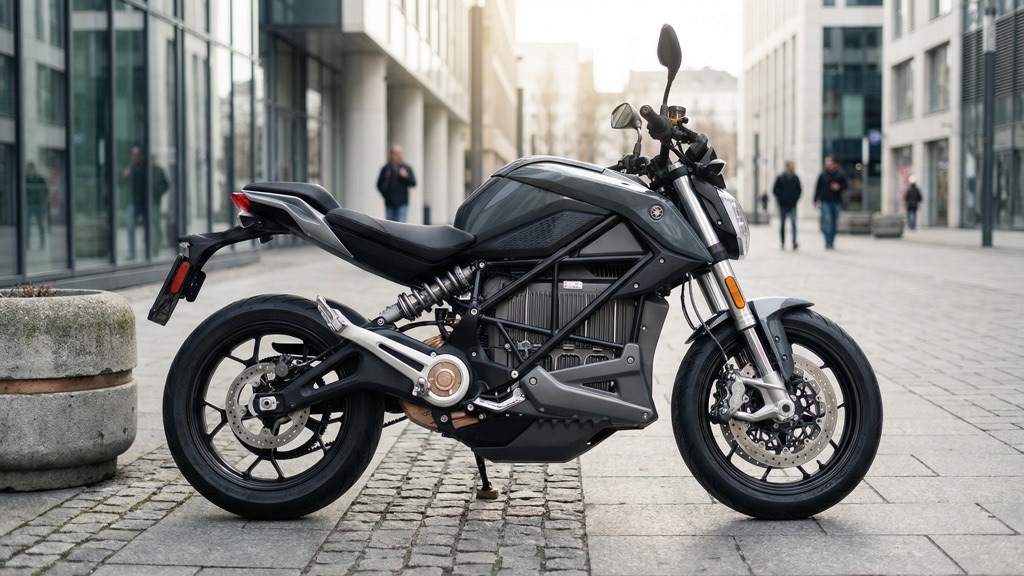
🔧 KEY SPECIFICATIONS (Typical Mid-Size Electric Motorcycle)
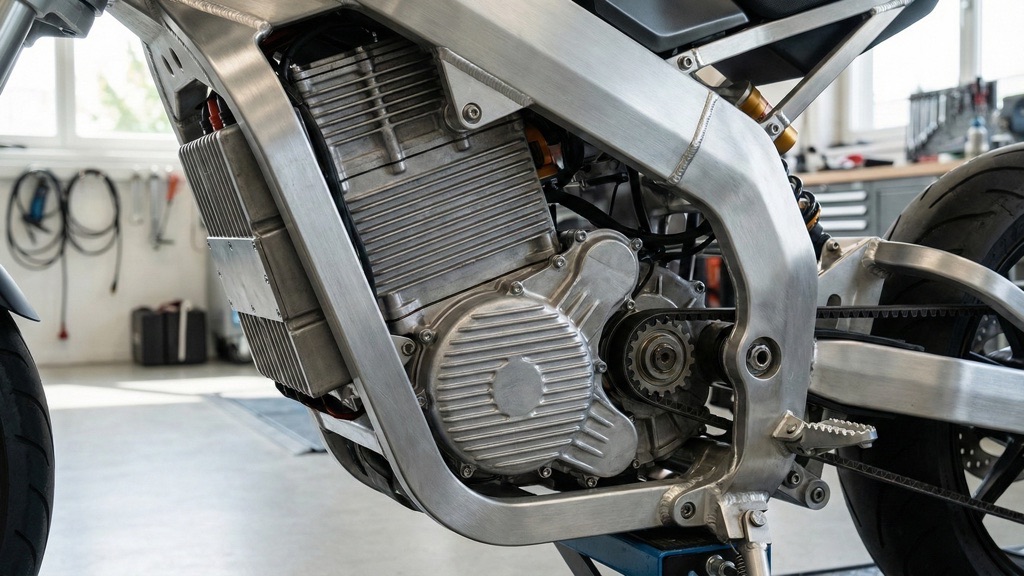
(Representative of bikes like those from Zero Motorcycles and Energica Motor Company)
Real-world rangefication
Why this matters for maintenance:
- No clutch
- No gearbox (single-speed)
- No oil system
- Far fewer moving parts
Less complexity = fewer service bills.
🏍 RIDING EXPERIENCE: What Maintenance Feels Like in Real Life
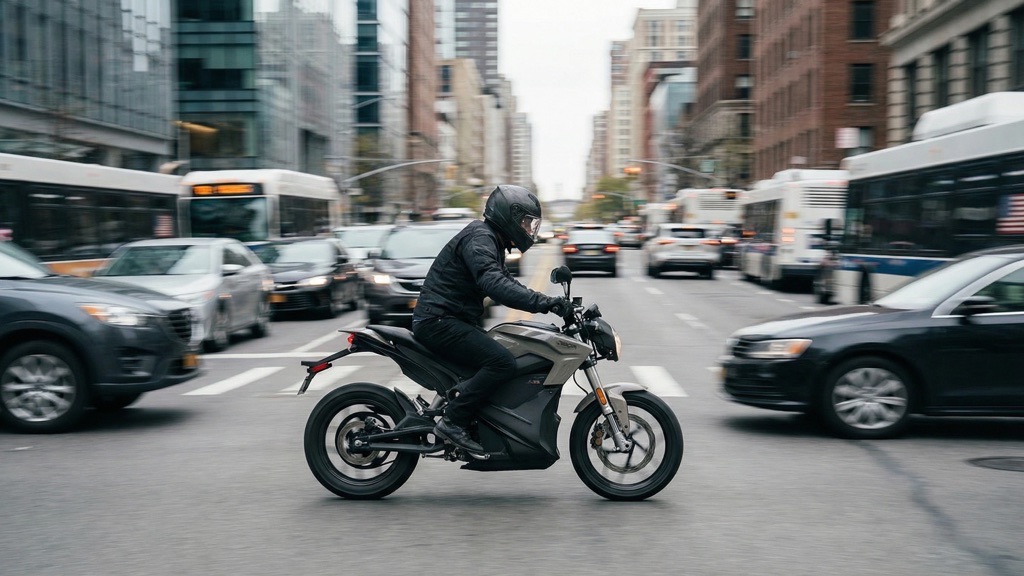
This is where electric changes ownership.
Throttle & Drivetrain Feel
- Instant torque means fewer mechanical components
- No gear shifts = no clutch wear
- No engine vibration = fewer long-term fatigue issues
From a maintenance perspective, it feels like:
You just ride.
You don’t “manage” the engine.
Workshop Visits
On a gas bike, you plan around:
- Oil changes
- Valve checks
- Coolant flushes
- Spark plugs
- Air filters
On electric?
 Reviews
Outlook 2026: The Electric Car Boom Enters Its Defining Year
Why 2026 Matters More Than Any EV Year Before It The year 2026 will mark the point of no return...
 Reviews
Electric vs Gas Motorcycles: Which One Should You Choose?
The History of Electric Motors Electric or gas motorcycle — the debate has been going on for decades. Today, many...
 Motocycles
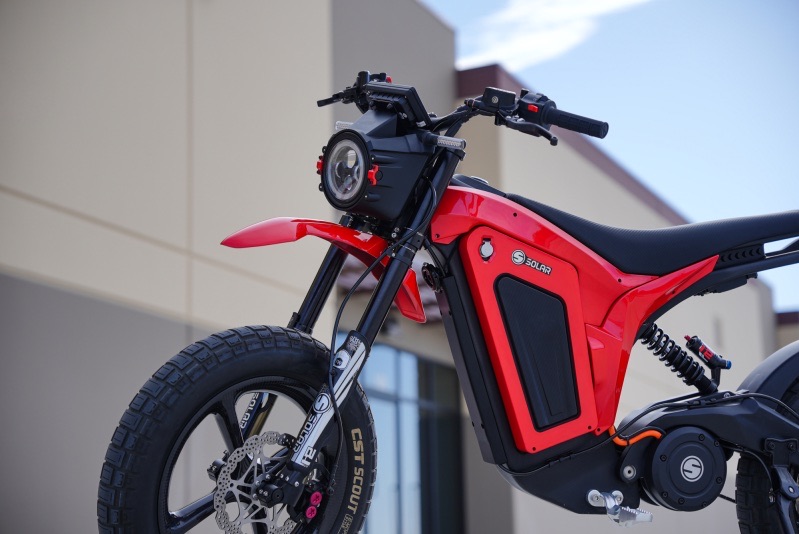
Solar Eclipse Race Edition: The Affordable Electric Motorcycle Revolution
In the rapidly evolving world of electric transportation, one name is making waves with a groundbreaking release. Solar Scooters, a...
You mostly check:
- Tires
- Brake pads
- Chain (if applicable)
That’s it.
You go from 2–3 service appointments per year to maybe one inspection.
Noise & Vibration
No engine vibration means:
- Fewer bolts are shaking loose
- Less stress on components
- Less fatigue on mounting hardware
Over 5 years, this matters.
🔋 RANGE & CHARGING REALITY (Cost Impact)
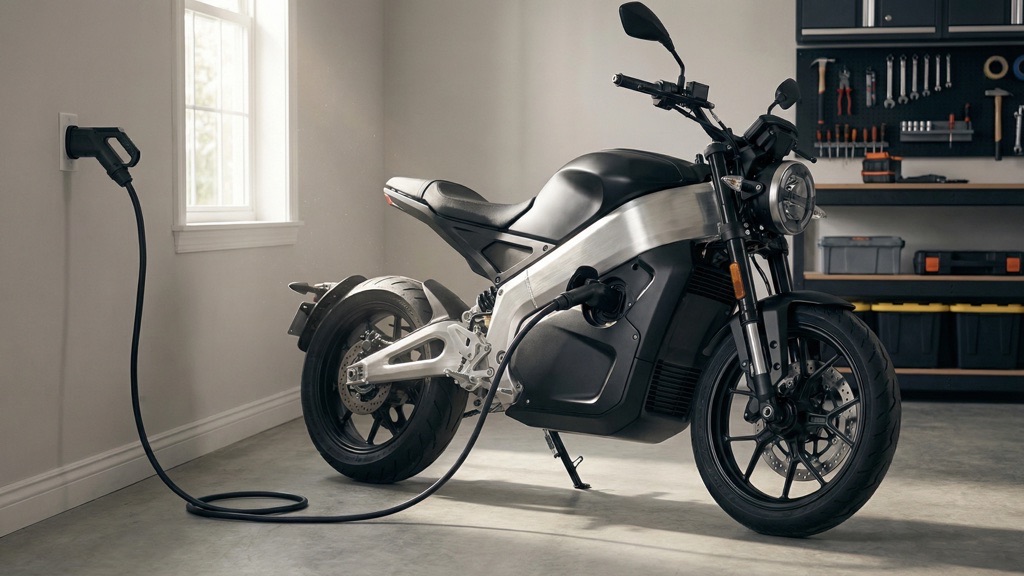
City Riding
- More regenerative braking
- Lower energy consumption
- Less brake wear
City commuters benefit most.
Aggressive Riding
Instant torque eats rear tires.
Ride hard, and you’ll:
- Replace rear tires more often
- Burn range 20–35% faster
Electric doesn’t eliminate wear — it shifts where it happens.
Cold Weather
- 10–20% range drop
- Slight efficiency loss
- No major maintenance increase
Battery health depends more on heat than cold.
Home vs Public Charging
| Charging Type | Cost Impact | Ownership Reality |
|---|---|---|
| Home AC | Cheapest | Best long-term savings |
| Public AC | Moderate | Still cheaper than fuel |
| DC Fast Charging | Highest | Reduces cost advantage |
Home charging is where electric maintenance savings truly shine.
🔧 What Actually Wears Out
1️⃣ Tires
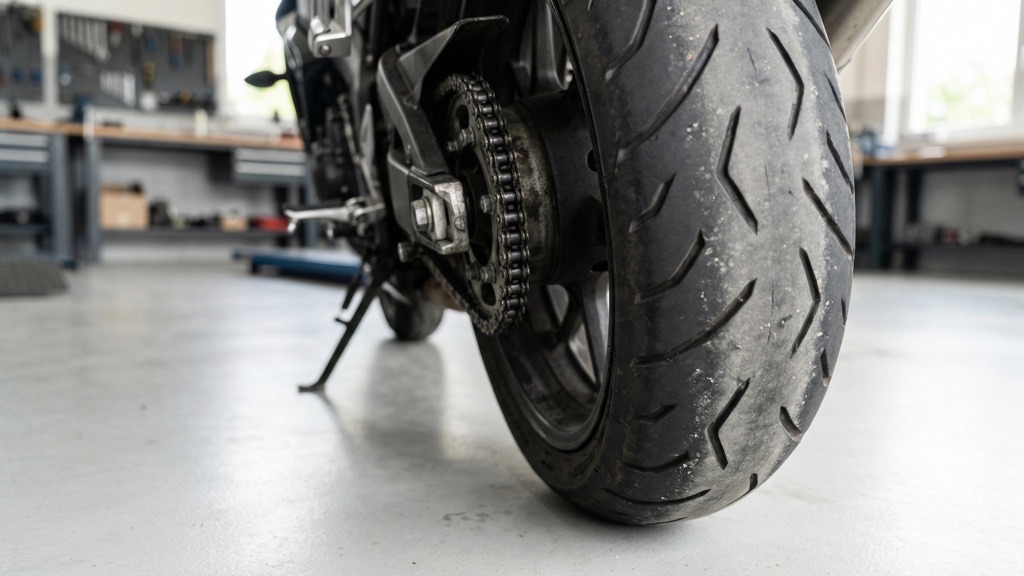
Still, your highest recurring cost.
- Rear: 6,000–12,000 km
- Front: 10,000–18,000 km
Heavy torque + heavier bike = faster wear if aggressive.
2️⃣ Chain & Sprockets (If Equipped)
Some electrics use belt drive (lower maintenance).
Chain-driven bikes require:
- Cleaning
- Lubrication
- Replacement every 15,000–25,000 km
Maintenance cost: $150–$300 per cycle.
3️⃣ Brake Pads
Thanks to regenerative braking:
- Pads last up to 2x longer than gas bikes
- Some riders go 20,000+ km before replacement
4️⃣ Battery Degradation & Replacement Cost
This is the big question.
Electric Motorcycle Battery Lifespan
- Typical degradation: 5–10% in 3–5 years
- Warranty: Usually 5 years
- Expected life: 8–12 years under normal use
Replacement Cost
- $3,000–$8,000 depending on size
Important:
Most riders sell before needing replacement.
⚔️ 5-Year Ownership Cost Comparison
| Model | Power | Range | Weight | Price | Best For |
|---|---|---|---|---|---|
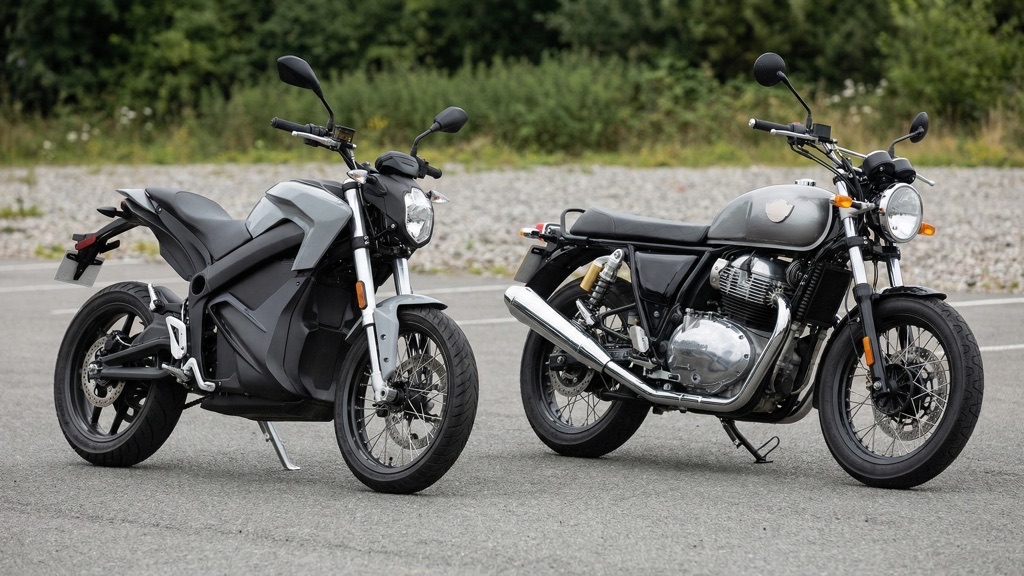
| Mid-Size Electric | 60 kW | 180 km | 220 kg | $18,000 | Daily commuting |
| 650cc Gas Bike | 50 kW | 350 km | 200 kg | $9,000 | Touring & mixed use |
5-Year Cost Breakdown (10,000 km/year)
| Category | Electric | Gas 650cc |
|---|---|---|
| Purchase | $18,000 | $9,000 |
| Maintenance | $2,000 | $6,000 |
| Energy/Fuel | $1,200 | $5,000 |
| Total 5-Year | $21,200 | $20,000 |
Electric becomes financially favorable when:
- You ride more than 10,000 km/year
- Fuel prices rise
- You keep the bike longer
👍 PROS & 👎 CONS (Ownership Reality)
👍 Pros
- No oil changes
- No valve adjustments
- Lower annual servicing
- Fewer mechanical failures
- Smooth long-term ownership
👎 Cons
- Higher upfront price
- Tire wear can be faster
- Battery replacement anxiety
- Limited service centers in some regions
🧠 FINAL RIDER VERDICT
🔹 SHORT VERDICT:
If you ride often and plan to keep your bike 3+ years, electric motorcycles are cheaper and easier to maintain.
If you ride occasionally and upgrade frequently, the savings may not offset the higher purchase price.
🔹 DETAILED VERDICT:
Electric motorcycles don’t eliminate maintenance — they simplify it.
You stop budgeting for:
- Oil
- Valve service
- Engine repairs
- Exhaust systems
You start budgeting mainly for:
- Tires
- Occasional brake pads
- Electricity
For commuters and daily riders, electric ownership feels lighter — not just financially, but mentally.
Less workshop time.
Less mechanical stress.
More riding.
Long-term satisfaction is high for riders who value simplicity.
If you want mechanical complexity and long touring range, gas still makes sense.
If you want smooth torque, low servicing, and predictable ownership costs, electric wins.
TL;DR — Electric Motorcycle Maintenance Costs (2026)
- Annual maintenance (real world): $200–$600
- Gas bike comparison: $800–$1,800 per year
- Biggest recurring cost: Tires (instant torque = faster rear wear if you ride hard)
- Battery lifespan: 8–12 years (usually 5-year warranty)
- Battery replacement cost: $3,000–$8,000 (rare in first 5–8 years)
- Energy cost (10,000 km/year): ~$100–$300 vs $700–$1,200 for fuel
❓ FAQ (SEO-Optimized)
Do electric motorcycles need servicing?
Yes, but far less than gas bikes. Tires, brakes, chain, and software updates are the main items.
How long does an electric motorcycle battery last?
Typically 8–12 years. Most manufacturers provide a 5-year warranty.
Are electric motorcycles cheaper to maintain than gas bikes?
Yes — especially for high-mileage riders. Maintenance costs can be 40–70% lower annually.
What is the biggest maintenance cost?
Tires — especially if you ride aggressively.