TL;DR
- Choose the Kia EV6 if you want superior charging speed, better real-world range efficiency, and a lower starting price.
- Choose the Tesla Model Y if you want advanced autonomous driving features, premium interior materials, and access to Tesla’s extensive Supercharger network.
- Overall winner: Kia EV6 – Better all-around value and charging performance for most buyers.
- Best-value choice: Kia EV6 – starting at $45,000, with superior charging capabilities.
Overview: Why This Comparison Matters in 2026
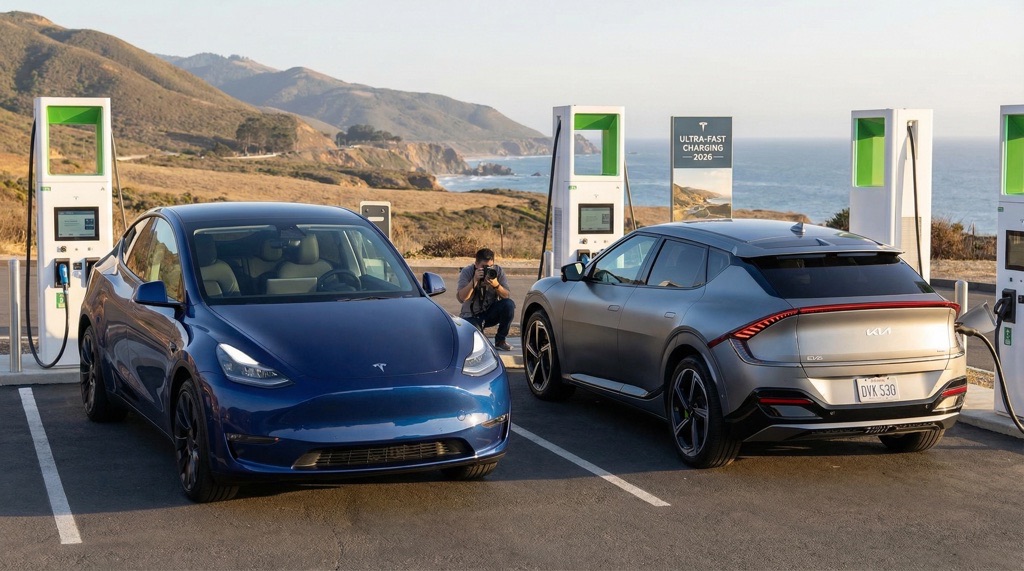
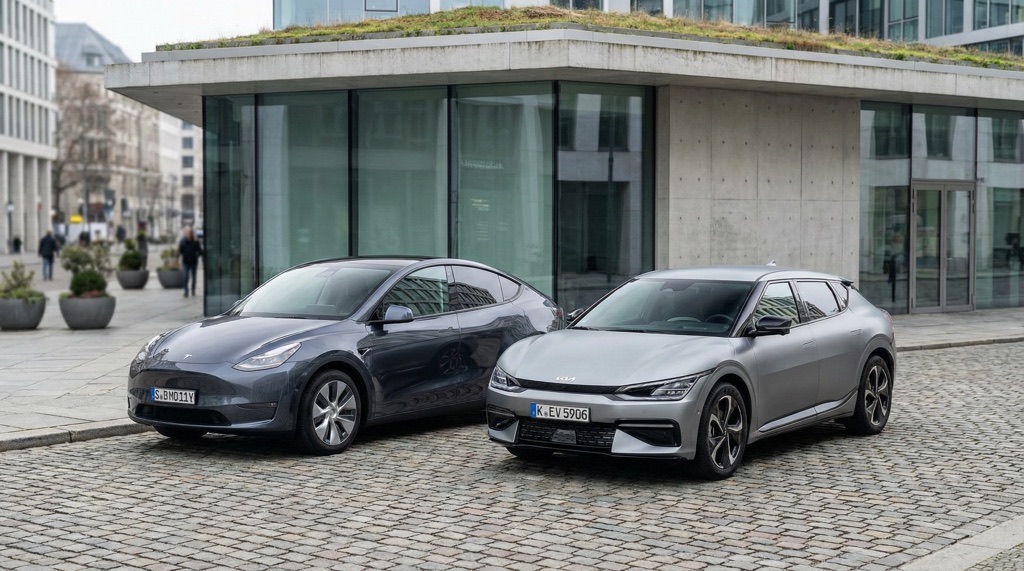
The Tesla Model Y and Kia EV6 represent one of the most relevant EV comparisons in 2026, as both compete directly in the mid-size electric SUV segment that has become the mainstream choice for EV buyers. The Model Y has dominated this category for years, but the EV6’s rapid charging capabilities and refined driving dynamics have made it a serious challenger. This comparison matters because Tesla’s decision to open its Supercharger network to other automakers has fundamentally shifted the competitive landscape—the Model Y can no longer rely on exclusive charging infrastructure as a differentiator.
The Model Y appeals to buyers seeking cutting-edge autonomous driving technology and minimalist design, while the EV6 targets those prioritizing practical performance, charging speed, and traditional interior controls. Understanding the real-world differences between these vehicles is essential for making an informed purchase decision in 2026.
Key Specifications Comparison
| Specification | Tesla Model Y (2026) | Kia EV6 (2025) |
|---|---|---|
| EPA Range | 300 mi | 295 mi |
| WLTP Range | N/A | N/A |
| 0–60 mph | 4.1 sec | 4.6 sec |
| Power | 370 hp | 320 hp |
| Torque | 500 lb-ft | 446 lb-ft |
| Battery | 82 kWh (est.) | 84 kWh |
| Peak Charging Speed | 250 kW | 350 kW |
| 10–80% Charging Time | ~25 min | ~18 min |
| Charging Network | Tesla Supercharger + NACS | NACS + Third-party networks |
| Starting Price | ~$43,990 | $45,000 |
| Warranty (Battery) | 8 yr/120,000 mi | 10 yr/100,000 mi |
Real-World Range & Efficiency
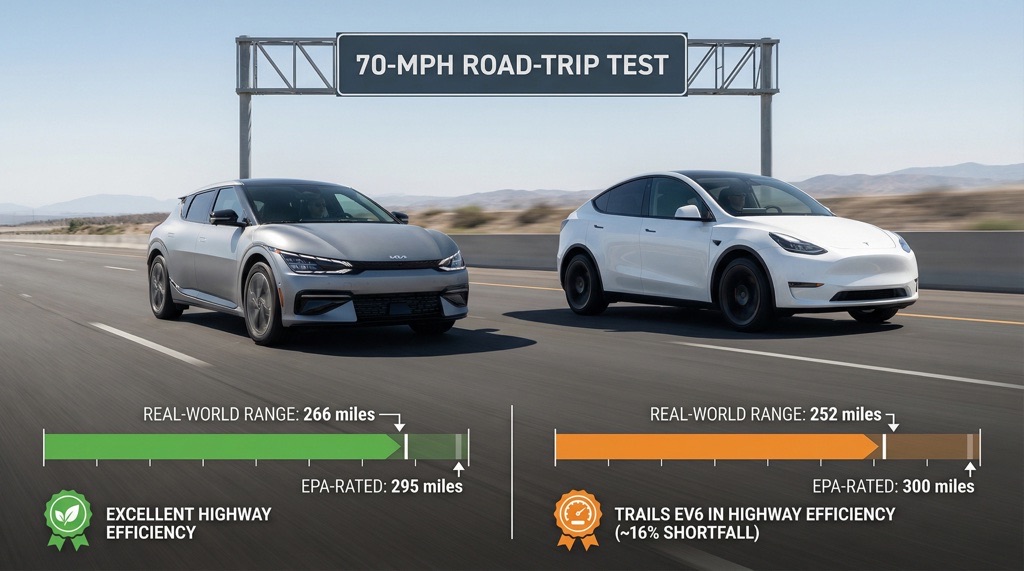
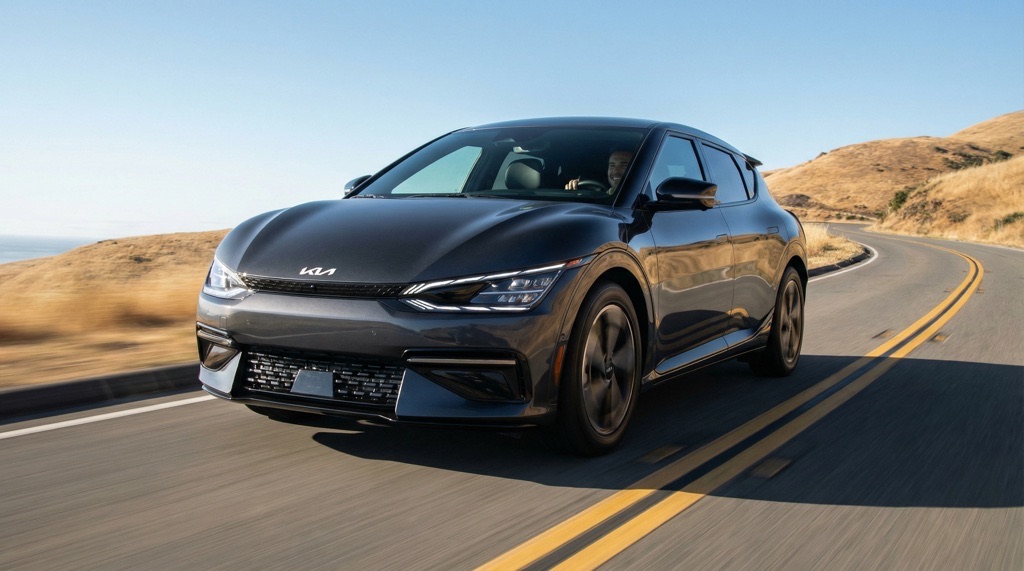
Kia EV6: The EV6 demonstrated exceptional real-world range performance in MotorTrend’s 70-mph road-trip test, covering 266 miles on a single charge—remarkably close to its EPA-rated 295-mile mark. This consistency indicates excellent efficiency under highway conditions. The EV6’s 84-kWh battery and optimized aerodynamics deliver approximately 110 mpg-e combined efficiency, making it one of the segment’s most efficient vehicles.
Tesla Model Y: The Model Y achieved 252 miles in the same 70-mph road-trip test, falling short of its 300-mile EPA rating by approximately 16%. While still respectable, this gap suggests efficiency losses under sustained highway driving. The Model Y’s combined efficiency rating of roughly 104 mpg-e is competitive but trails the EV6 slightly.
Verdict (Range): ➡️ Kia EV6 – Superior real-world range consistency and highway efficiency make it the more reliable choice for long-distance travel.
Charging Speed & Infrastructure
Kia EV6: The EV6 is the segment’s charging champion, delivering 160 miles of range in just 15 minutes at a 350-kW fast charger—the fastest performance in MotorTrend’s comprehensive test. Its 800-volt architecture enables sustained charging above 200 kW past the 50% state-of-charge threshold, meaning rapid charging continues well beyond the initial acceleration phase. The EV6 supports NACS charging and integrates seamlessly with Tesla Superchargers, providing access to North America’s most extensive charging network.
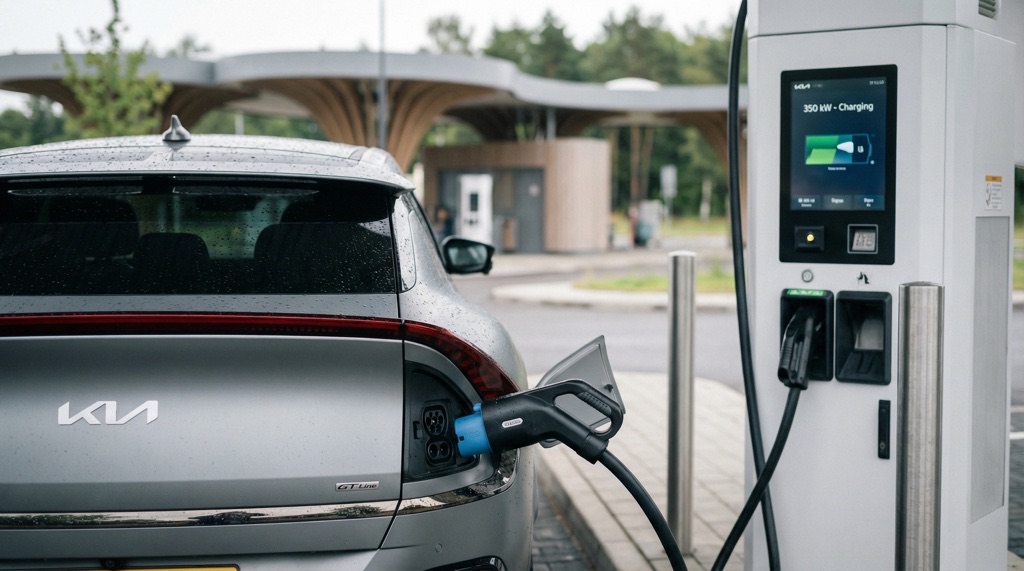
Tesla Model Y: The Model Y added 133 miles in 15 minutes at a 350-kW charger, placing it third in the charging speed comparison. While Tesla’s proprietary Supercharger network remains extensive and reliable, the Model Y’s 250-kW peak charging speed is lower than the EV6’s 350-kW capability. However, Tesla’s network integration and reliability remain industry-leading advantages.
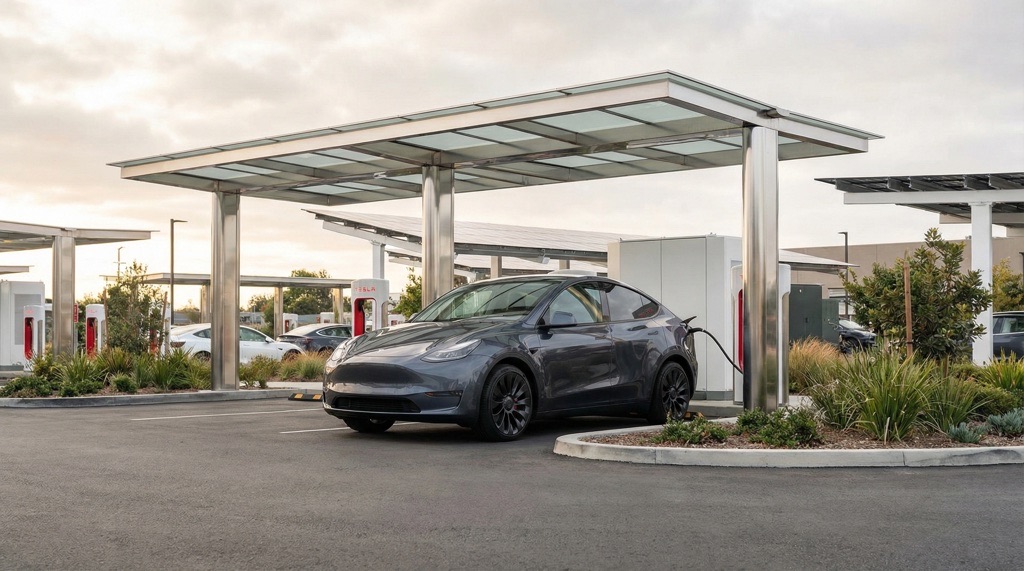
Verdict (Charging): ➡️ Kia EV6 – Significantly faster charging speeds and 800-volt architecture provide a clear advantage for road trips and daily convenience.
Performance & Driving Experience
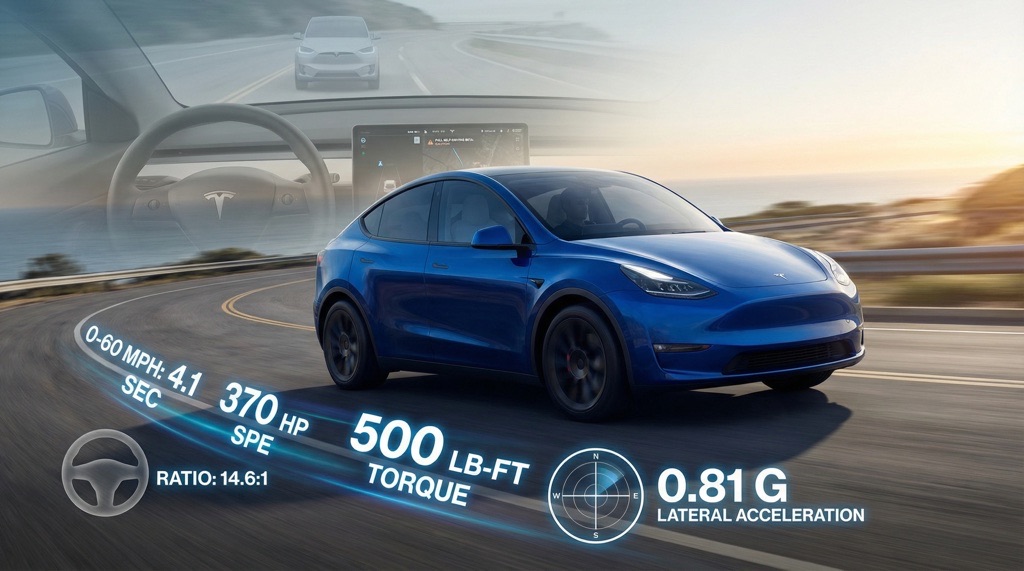
The Model Y accelerates from 0–60 mph in 4.1 seconds with 370 horsepower and 500 lb-ft of torque, delivering impressive straight-line performance. Its steering ratio of 14.6:1 enables responsive handling, and the vehicle achieves 0.81 g of lateral acceleration. However, MotorTrend’s testing noted that the Model Y’s driving dynamics have become less distinctive as competitors have improved, and its underdeveloped Full Self Driving system remains a source of frustration for some drivers.
Kia EV6: The EV6 reaches 0–60 mph in 4.6 seconds with 320 horsepower and 446 lb-ft of torque—slightly less powerful but still quick. Its 14.3:1 steering ratio and 0.79 g lateral acceleration provide composed, predictable handling. Real-world testers praise the EV6’s superior seating position and more intuitive driving dynamics, with one owner noting that the EV6’s regenerative braking calibration feels more refined than the Model Y’s. The EV6 offers better visibility and a more traditional driving experience.
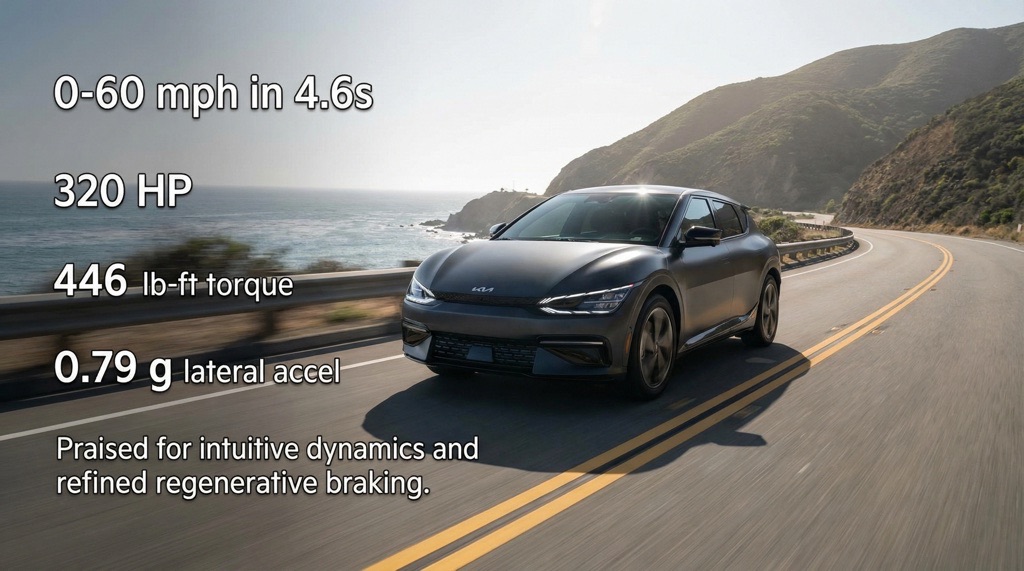
Verdict (Driving): ➡️ Tie (Different Preferences) – The Model Y offers raw performance; the EV6 delivers refined, predictable dynamics and superior ergonomics.
Interior, Comfort & Technology
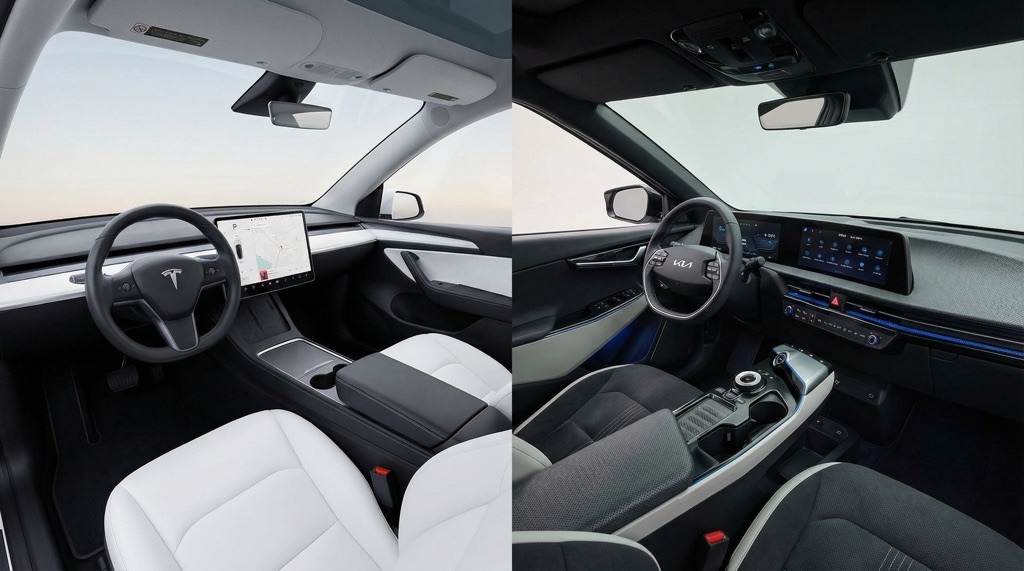
Tesla Model Y: The Model Y features a minimalist interior dominated by a 15-inch central touchscreen, with most controls integrated into the display. Premium materials include vegan leather and a glass panoramic roof, creating an airy, modern cabin. The design prioritizes technology integration and a futuristic aesthetic. However, the lack of physical controls frustrates some users, and the interior shows signs of cost-cutting in areas like door panels and trim materials.
Kia EV6: The EV6 offers a more traditional interior layout with physical buttons, knobs, and a 12.3-inch touchscreen, providing intuitive control without excessive menu diving. The cabin features higher-quality materials, better ergonomics, and superior seating comfort—particularly for taller occupants. The EV6’s design balances modern technology with practical usability, and owners consistently praise its interior refinement and space efficiency.
Verdict (Interior): ➡️ Kia EV6 – Superior material quality, ergonomics, and user-friendly controls make it more comfortable for daily use, though the Model Y offers a more futuristic aesthetic.
Safety & Driver Assistance
Both vehicles offer comprehensive safety features and advanced driver assistance systems. The Model Y includes Tesla’s Full Self Driving (FSD) capability, which offers impressive autonomous features but remains underdeveloped and prone to errors in real-world scenarios. The EV6 provides Kia’s SmartSense suite with standard safety features, including adaptive cruise control, lane-keeping assist, and collision avoidance. Both vehicles achieve strong safety ratings from NHTSA and IIHS, with the EV6 offering a 10-year/100,000-mile battery warranty compared to the Model Y’s 8-year/120,000-mile coverage.
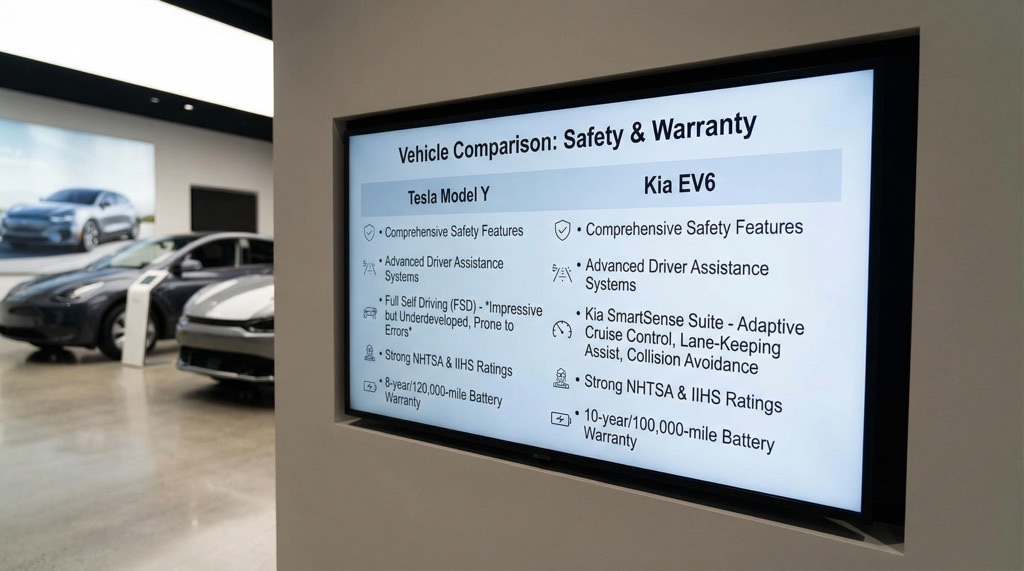
Verdict (Safety): ➡️ Tie – Both vehicles offer excellent crash protection and ADAS features; the EV6’s superior warranty provides additional peace of mind.
Reliability & Known Issues
Tesla Model Y – Known Issues: The Model Y has experienced software-related challenges, including Full Self Driving system errors and occasional infotainment glitches. Build quality inconsistencies have been reported, particularly in panel gaps and interior trim fitment. Tesla’s over-the-air update system addresses many issues, but the underdeveloped FSD system remains a source of frustration. Some owners report excessive cost-cutting in interior materials despite premium pricing.
Kia EV6 – Known Issues: The EV6 has demonstrated strong reliability overall, with minimal widespread issues reported. Early production vehicles experienced minor software updates, but these have been resolved through OTA updates. The vehicle’s 800-volt charging architecture has proven robust, and long-term ownership reports indicate consistent performance. No major reliability concerns have emerged in 2025–2026 model years.
Ownership Costs & Resale Value
| Factor | Tesla Model Y | Kia EV6 |
|---|---|---|
| Efficiency (mpg-e) | 104 combined | 110 combined |
| Maintenance (Annual) | $200–$400 | $250–$500 |
| Tire Replacement Cost | $1,200–$1,600 | $1,000–$1,400 |
| Insurance (Annual) | $1,400–$1,800 | $1,200–$1,600 |
| Estimated 3-Year Resale Value | 55–60% of MSRP | 58–63% of MSRP |
Verdict (Ownership): ➡️ Kia EV6 – Lower starting price, better efficiency, superior warranty coverage, and stronger resale value retention make it the more economical choice over the vehicle’s ownership lifecycle.
Pros & Cons
Tesla Model Y
- Pros: Fastest acceleration (4.1 sec 0–60), advanced Full Self Driving capability, premium interior materials, extensive Supercharger network, minimalist design appeals to tech enthusiasts.
- Cons: Underdeveloped FSD system makes frequent errors, higher starting price, interior cost-cutting despite premium pricing, lower real-world range consistency, slower charging speed than EV6.
Kia EV6
- Pros: Fastest charging speed (350 kW), best real-world range consistency, superior interior materials and ergonomics, lower starting price ($45,000), longer battery warranty (10 yr/100k mi), excellent reliability track record.
- Cons: Slightly less powerful (4.6 sec 0–60), no autonomous driving equivalent to FSD, smaller touchscreen, less futuristic interior aesthetic.
Who Should Buy Which?
Buy the Tesla Model Y if you: Prioritize cutting-edge autonomous driving technology, want the fastest acceleration in the segment, prefer a minimalist interior aesthetic, and value access to Tesla’s extensive Supercharger ecosystem. Best for tech enthusiasts willing to accept software quirks for advanced features.
Buy the Kia EV6 if you: Prioritize charging speed and real-world efficiency, want superior interior comfort and material quality, prefer traditional controls and intuitive interfaces, seek the best value proposition, and plan to keep the vehicle long-term (the superior warranty and reliability justify the choice). Best for practical buyers seeking balanced performance and dependability.
Final Verdict
The Kia EV6 emerges as the better overall choice for most buyers in 2026. While the Tesla Model Y offers impressive acceleration and advanced autonomous features, the EV6’s superior charging speed (350 kW vs. 250 kW), real-world range consistency (266 miles vs. 252 miles at 70 mph), lower starting price ($45,000 vs. ~$43,990), and exceptional interior quality create a more compelling value proposition. The EV6’s 800-volt architecture and 10-year battery warranty provide long-term ownership advantages that outweigh the Model Y’s performance and technology edge. For buyers seeking a practical, reliable, and efficient electric SUV with industry-leading charging capabilities, the Kia EV6 is the superior choice. The Model Y remains the better option only for those specifically seeking advanced autonomous driving features and willing to accept higher costs and slower charging speeds.
FAQ
Is the Kia EV6 better than the Tesla Model Y?
For most buyers, yes. The EV6 offers faster charging (350 kW vs. 250 kW), better real-world range efficiency, superior interior quality, and a lower starting price. The Model Y is only better if you prioritize autonomous driving features and raw acceleration.
Which EV has better range?
The Tesla Model Y has a higher EPA rating (300 miles vs. 295 miles), but the Kia EV6 achieves better real-world consistency, covering 266 miles in highway testing compared to the Model Y’s 252 miles.
Which is better for long trips?
The Kia EV6 is superior for long trips due to its 350-kW charging speed, which adds 160 miles in 15 minutes—significantly faster than the Model Y’s 133 miles in the same timeframe. The EV6’s real-world range consistency also makes trip planning more predictable.
Is the Kia EV6 reliable?
Yes, the EV6 has demonstrated excellent reliability with minimal widespread issues reported. Its 10-year/100,000-mile battery warranty and robust 800-volt charging architecture provide strong long-term durability assurance.
Which EV is cheaper to own?
The Kia EV6 is cheaper to own overall. It starts at $45,000 (vs. ~$43,990 for the Model Y), but offers better efficiency (110 vs. 104 mpg-e), a superior warranty, and stronger resale value retention, resulting in lower total cost of ownership over five years.
Last updated: January 2026. Sources: MotorTrend 2026 EV comparison test, Car and Driver specifications, YouTube owner reviews, real-world road-trip range testing, manufacturer warranty data, and EPA efficiency ratings.