


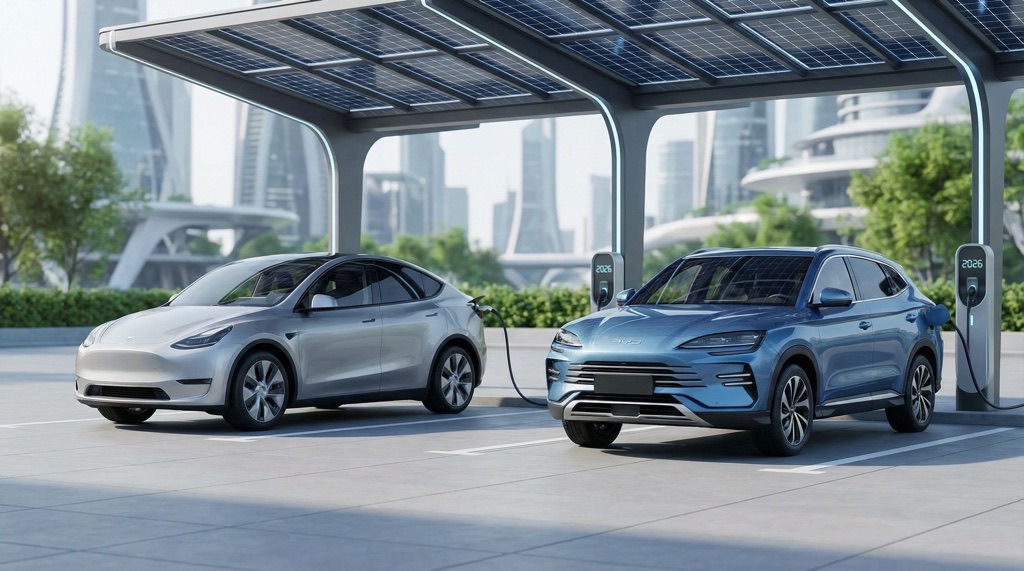
TL;DR
- Choose the Tesla Model Y if you want global Autopilot capability, superior charging infrastructure, and proven long-term reliability.
- Choose BYD Song Plus EV if you want a lower entry price, premium interior features, and advanced safety technology at a competitive cost.
- Overall winner: Tesla Model Y for pure EV performance and charging network; BYD Song Plus EV for value and feature density.
- Best value choice: BYD Song Plus EV for buyers prioritizing comfort features and affordability.
Overview: Why This Comparison Matters in 2026
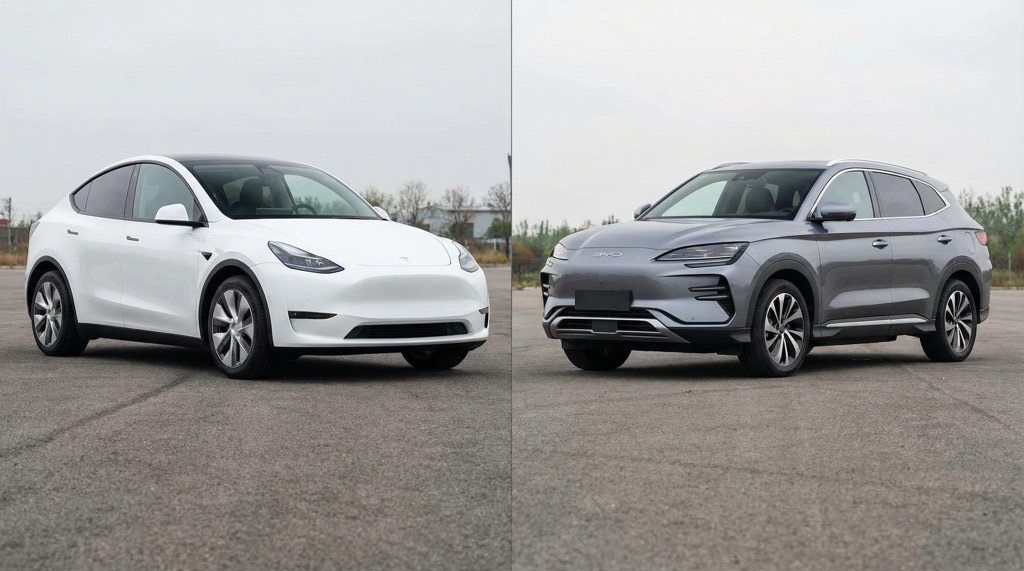
The Tesla Model Y and BYD Song Plus EV represent one of the most relevant EV comparisons in 2026, pitting Tesla’s established electric SUV dominance against BYD’s aggressive pricing and feature-rich approach. The Model Y remains a global benchmark for pure electric performance and autonomous driving capability, while the BYD Song Plus EV targets buyers seeking premium comfort, advanced safety systems, and exceptional value in the mid-size electric SUV segment. This comparison matters because both vehicles compete directly in markets where buyers must choose between Tesla’s minimalist technology philosophy and BYD’s feature-abundant design language.
The Tesla Model Y appeals to tech-forward buyers and long-distance travelers who prioritize charging infrastructure and autonomous features. The BYD Song Plus EV targets practical buyers who value interior comfort, safety technology, and lower purchase prices without sacrificing performance or range.
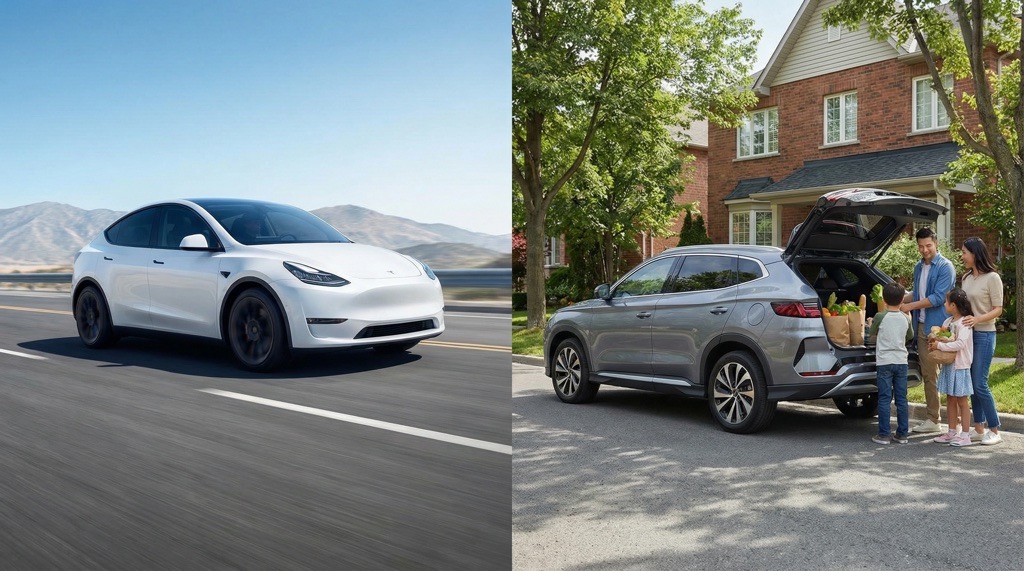
Key Specifications Comparison
| Specification | Tesla Model Y RWD | BYD Song Plus EV |
|---|---|---|
| WLTP Range | ~375 km (EPA equivalent) | ~890 km (combined PHEV range) |
| EPA Range | 278 miles (447 km) estimated | N/A (CLTC: 662 km) |
| 0–60 mph | 5.9 seconds | 8.3 seconds (standard); 4.7 seconds (hybrid performance variant) |
| Power | 296 hp | 128 hp (standard); 150 kW motor (hybrid system) |
| Battery Capacity | 55 kWh | 18 kWh (hybrid); larger EV-only variants available |
| Peak Charging Speed | 110 kW DC | 6.6 kW AC (standard); DC charging varies by variant |
| 10-80% Charging Time | 24 minutes (DC) | Not specified for EV-only charging |
| Charging Network | Tesla Supercharger (global) | Regional networks (China-focused) |
| Starting Price (USD) | ~$43,990 (Model Y RWD) | ~$33,000 (Song Plus Comfort); up to $52,000 (premium variants) |
| Warranty | 8 years / 120,000 miles (battery) | Varies by market; typically 6 years / 100,000 km |
Real-World Range & Efficiency
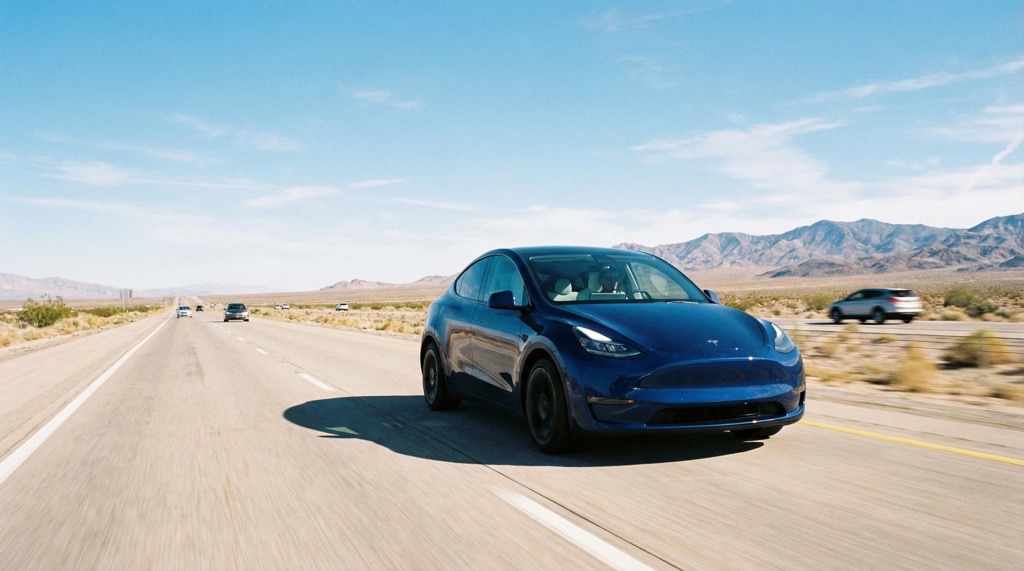
Tesla Model Y: The Model Y RWD delivers approximately 278 miles (447 km) of real-world range on EPA testing, with efficiency reaching 3.7 miles per kWh in independent long-term testing. Highway performance remains strong, though efficiency drops on high-speed drives. The 55 kWh battery provides a consistent range in varied climates, though cold weather reduces range by 20-30%, as with all EVs.
BYD Song Plus EV: The Song Plus EV offers an exceptional combined range of up to 890 km when factoring in its hybrid powertrain (petrol engine + electric motor). However, pure electric range depends on battery variant—CLTC testing shows up to 662 km for larger battery versions. Real-world efficiency in independent testing showed 2.5 miles per kWh for comparable BYD models, indicating the Model Y maintains an efficiency advantage. The hybrid system excels for mixed driving but adds complexity compared to pure electric operation.
Verdict (Range): ➡️ BYD Song Plus EV for total range (hybrid advantage); Tesla Model Y for pure electric efficiency and consistency. The Song Plus hybrid system eliminates range anxiety through fuel backup, while the Model Y offers superior efficiency per kWh for committed EV drivers.
Charging Speed & Infrastructure
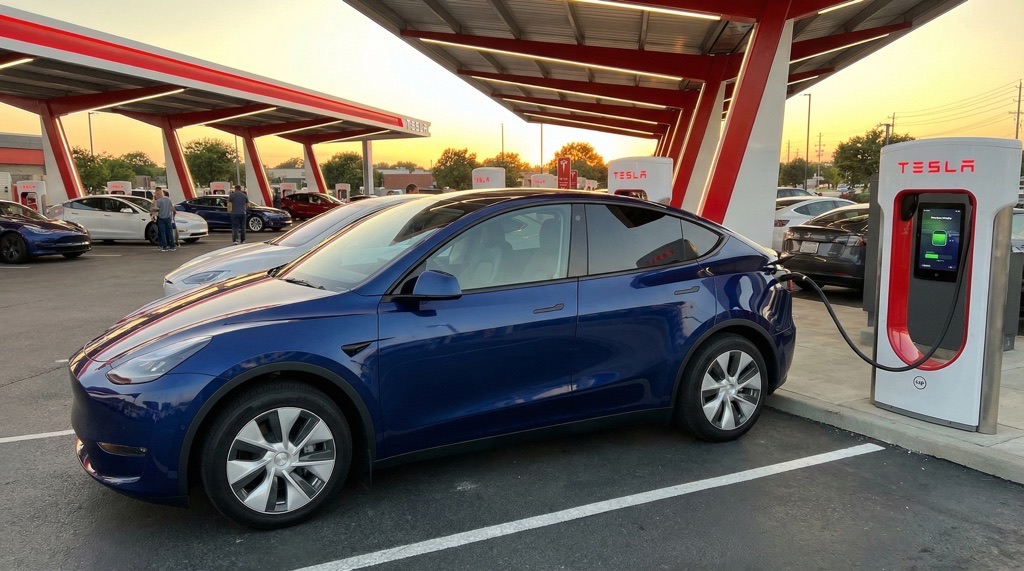
Tesla Model Y: Peak DC charging reaches 110 kW, enabling 10-80% charge in approximately 24 minutes. The global Tesla Supercharger network provides unmatched charging infrastructure across North America, Europe, and expanding Asian markets. AC charging via 11 kW input requires 6.3 hours for a full charge. This infrastructure advantage is critical for long-distance travel and road trip confidence.
BYD Song Plus EV: AC charging capability reaches 6.6 kW, requiring longer charge times than the Model Y. DC charging specifications vary by market and battery configuration. The Song Plus benefits from China’s extensive charging network but faces infrastructure limitations outside Asia. Regional charging networks in Europe and North America remain fragmented compared to Tesla’s unified system.
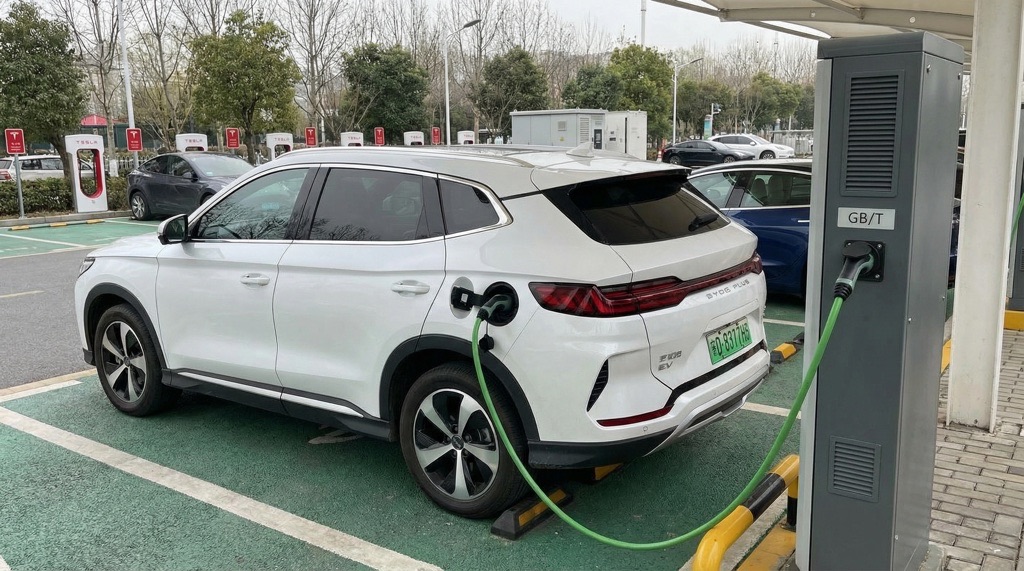
Verdict (Charging): ➡️ Tesla Model Y dominates for charging speed (110 kW vs 6.6 kW AC) and global infrastructure consistency. The Model Y’s 24-minute DC charging and ubiquitous Supercharger network provide decisive advantages for long-distance travel and international buyers.
Performance & Driving Experience
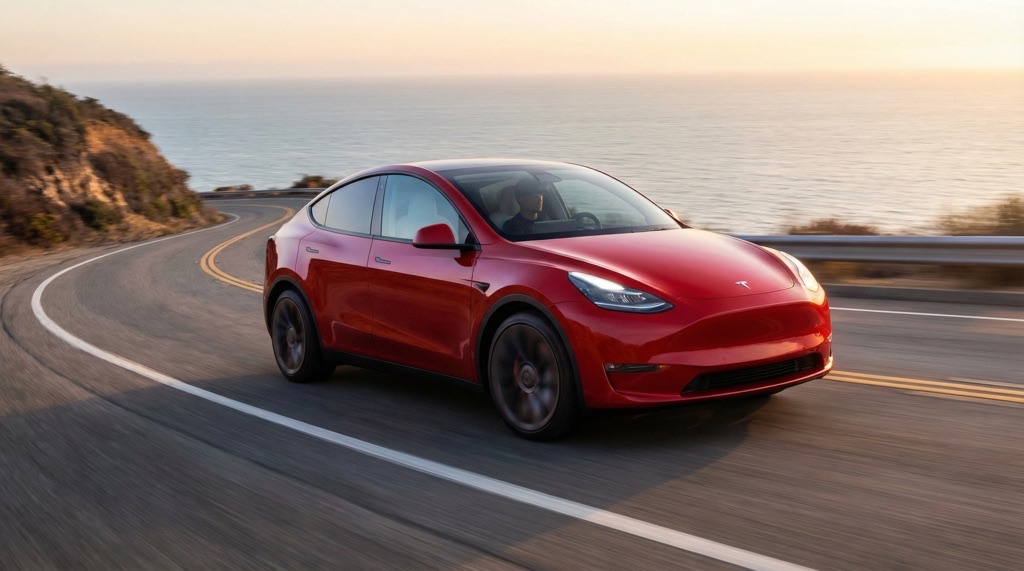
The Tesla Model Y RWD accelerates from 0-60 mph in 5.9 seconds with 420 Nm of torque, delivering immediate electric throttle response and linear acceleration feel. The steering is direct and responsive, though some drivers find the minimalist interior distracting during spirited driving. Ride comfort balances sportiness with daily usability, though the firm suspension can feel harsh on poor road surfaces.
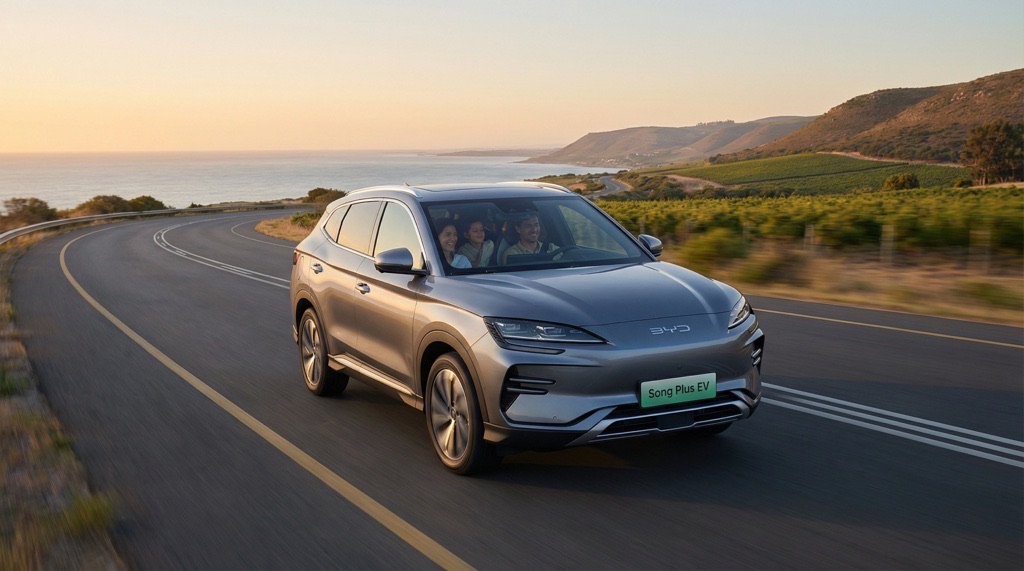
The BYD Song Plus EV standard variant reaches 0-60 mph in 8.3 seconds, prioritizing efficiency over outright performance. However, the hybrid performance variant achieves 4.7 seconds with 430 horsepower, rivaling luxury German SUVs. The Song Plus emphasizes refined, balanced handling with noise cancellation technology, creating a whisper-quiet cabin at highway speeds. The interior design feels more premium and less minimalist than the Model Y, with physical controls and comfort-focused ergonomics.
 Reviews
Volvo EX30 Review (2025): Real-World Range, Charging Reality & 600-Mile Test Verdict
The Volvo EX30 is Volvo’s smallest and most affordable electric SUV — positioned below the larger Volvo EX90 and aimed...
 Cars
Cars
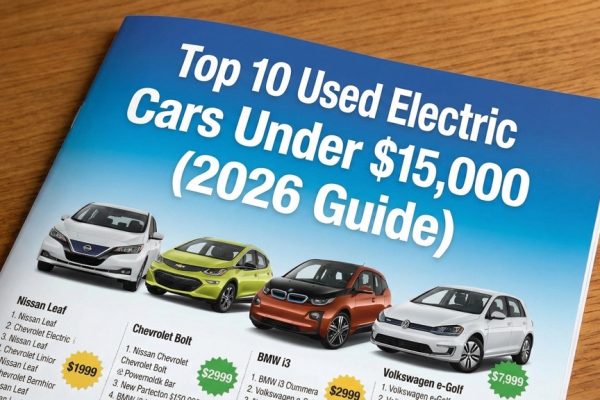
Top 10 Used Electric Cars Under $15,000 (2026 Guide)
TL;DR — Quick Answer If you want the best overall used EV under $15,000 in 2026, buy the Chevrolet Bolt...
 Reviews
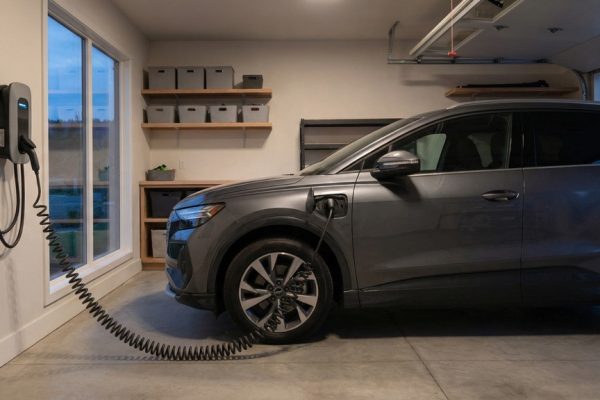
EV Charging at Home (2026 Ultimate Guide): Level 2 Costs, ROI & Installation Mistakes Most Buyers Make
Home charging is either the smartest decision you make as an EV owner — or the biggest oversight. In 2026,...
Verdict (Driving): ➡️ Tesla Model Y for acceleration enthusiasts; BYD Song Plus EV for refined, comfort-focused driving. The Model Y delivers quicker standard acceleration, while the Song Plus hybrid performance variant matches or exceeds Model Y acceleration while offering superior interior refinement and noise isolation.
Interior, Comfort & Technology
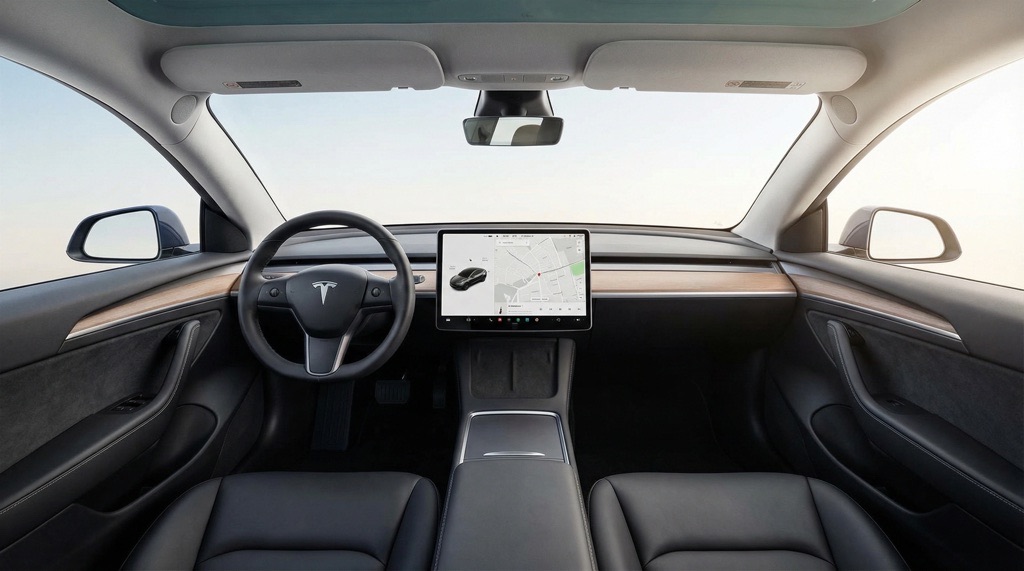
Tesla Model Y Interior: The Model Y features a minimalist design with a single 15-inch touchscreen controlling most vehicle functions, eliminating traditional buttons and stalks. This design philosophy reduces clutter but creates a learning curve for new owners. The cabin prioritizes technology over tactile controls, with wireless Apple CarPlay and Android Auto integration. Storage is practical with 854 liters of cargo volume, though the sparse interior may feel cold to buyers accustomed to traditional luxury vehicles.
BYD Song Plus EV Interior: The Song Plus delivers a premium cabin with a rotating touchscreen, AR head-up display, and luxury materials. Physical controls for climate and audio remain accessible, appealing to drivers who prefer traditional interfaces. The 12.3-inch instrument cluster display, ambient lighting, and comprehensive comfort features (automatic climate control, power windows, heated seats, cup holders) create a more feature-rich environment than the Model Y. The Dirac sound system and 4G connectivity enhance the premium feel.
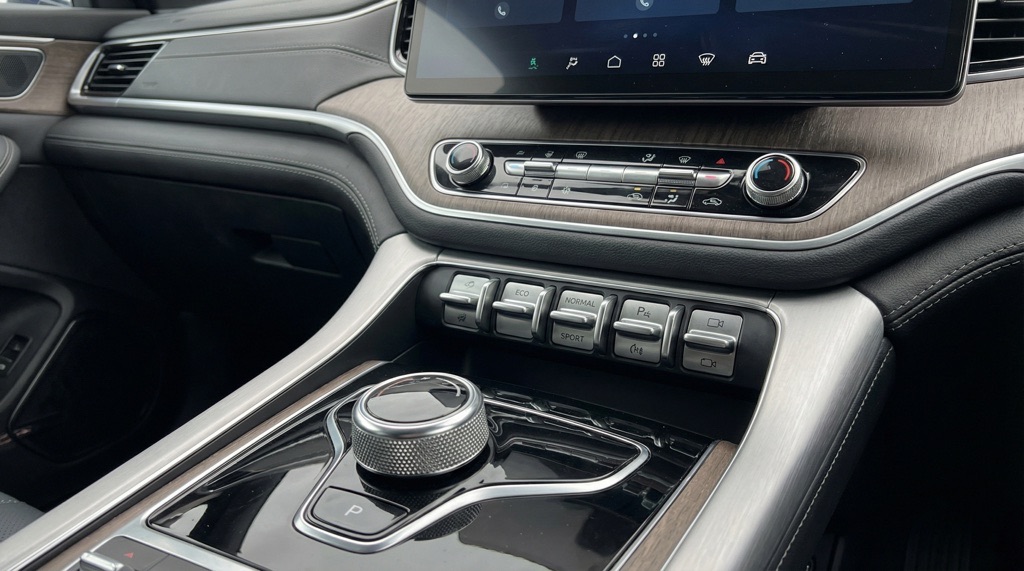
Verdict (Interior): ➡️ BYD Song Plus EV for comfort and feature density; Tesla Model Y for minimalist technology focus. The Song Plus offers more traditional luxury appointments and physical controls, while the Model Y appeals to tech-forward buyers comfortable with touchscreen-centric interfaces.
Safety & Driver Assistance
The Tesla Model Y includes standard safety features: dual front airbags, anti-lock braking system (ABS), electronic brakeforce distribution (EBD), rear seat belts, ISOFIX child seat anchors, and lane change indicators. Tesla’s Autopilot system provides adaptive cruise control, lane keeping assist, and automatic parking capabilities. The Model Y has achieved strong safety ratings globally, though specific 2026 NCAP ratings remain pending.
The BYD Song Plus EV features comprehensive safety: dual front airbags, power door locks, central locking, rear seat belts, and height-adjustable front seat belts. The BYD Pilot Assist 3.0 system includes adaptive cruise control, lane keeping assist, emergency braking, blind spot detection, and automatic parking—matching or exceeding Autopilot functionality. Independent testing indicates the Song Plus offers comparable safety performance to the Model Y, with some sources noting more comprehensive ADAS features in the BYD system.
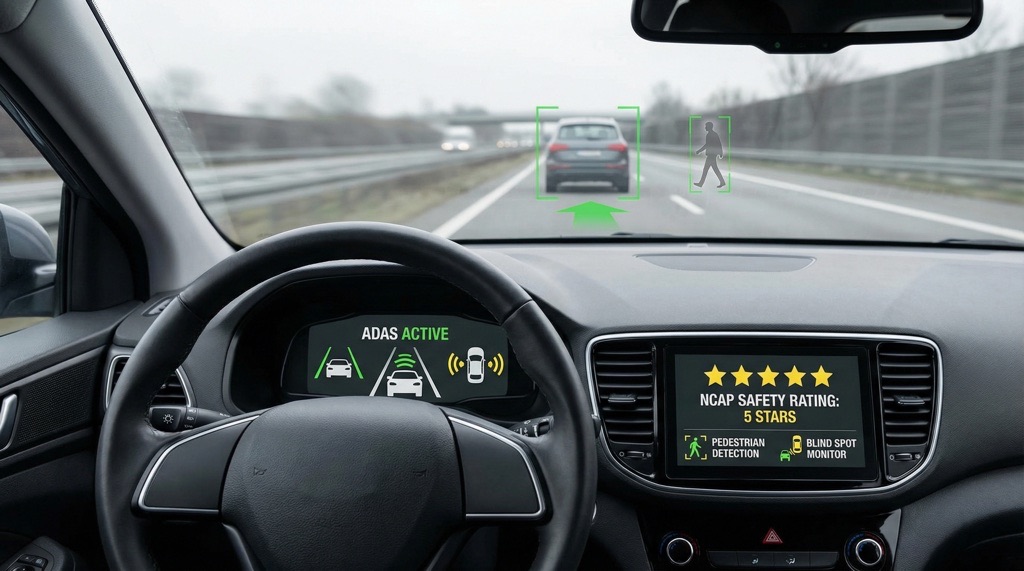
Verdict (Safety): ➡️ Tie with slight edge to BYD Song Plus EV for ADAS comprehensiveness. Both vehicles meet modern safety standards; the Song Plus Pilot Assist 3.0 offers marginally more advanced driver assistance features, while Tesla’s Autopilot provides more autonomous highway driving capability.
Reliability & Known Issues
Tesla Model Y – Known Issues: The Model Y has experienced software-related issues in early production years, including occasional Autopilot calibration problems and infotainment glitches. Build quality concerns have been documented in early 2025 models, though recent production improvements have addressed many issues. Over-the-air (OTA) updates have successfully resolved most software problems, and Tesla’s service network continues expanding. Long-term reliability data through 2025 shows the Model Y maintains strong performance after 100,000+ miles, with battery degradation minimal (typically 5-10% after 8 years).
BYD Song Plus EV – Known Issues: As a newer entrant to global markets, the Song Plus EV has limited long-term reliability data outside China. Early production variants experienced minor infotainment software delays and occasional connectivity issues, though OTA updates have addressed these. The hybrid system’s complexity introduces more potential failure points than pure electric vehicles, though BYD’s manufacturing scale and battery expertise (Blade Battery technology) suggest strong reliability potential. Regional market variations mean warranty support and parts availability differ significantly between China, Asia, and Western markets.
Ownership Costs & Resale Value
| Factor | Tesla Model Y RWD | BYD Song Plus EV |
|---|---|---|
| Efficiency (cost per mile) | 3.7 miles/kWh (~$0.08/mile at $0.12/kWh) | 2.5 miles/kWh (~$0.12/mile); hybrid reduces fuel costs |
| Annual Maintenance | ~$500 (tire rotation, cabin filter, brake fluid) | ~$800 (hybrid system adds complexity; oil changes for petrol engine) |
| Insurance (annual) | ~$1,200-1,500 (premium brand) | ~$900-1,200 (lower claim history) |
| Estimated Resale Value (3 years, 36,000 miles) | ~$28,000-32,000 (65-73% retention) | ~$22,000-26,000 (65-78% retention, market-dependent) |
| Total 3-Year Ownership Cost | ~$18,000-22,000 | ~$16,000-20,000 (hybrid fuel savings offset higher maintenance) |
Verdict (Ownership): ➡️ BYD Song Plus EV for total cost of ownership; Tesla Model Y for long-term resale value. The Song Plus hybrid system reduces fuel costs and offers lower insurance premiums, while the Model Y’s superior efficiency and strong brand resale value provide better long-term value retention in established markets.
Pros & Cons
Tesla Model Y
- Pros: Superior DC charging speed (110 kW); global Supercharger network; best-in-class efficiency (3.7 miles/kWh); fastest acceleration (5.9s 0-60); proven long-term reliability; strong resale value; advanced Autopilot system; minimalist, tech-forward design appeals to early adopters.
- Cons: Higher entry price (~$43,990); limited interior comfort features; sparse cabin design feels cold to traditional luxury buyers; smaller cargo volume (854L); regional charging network gaps outside North America/Europe; touchscreen-dependent interface requires learning curve.
BYD Song Plus EV
- Pros: Lower starting price (~$33,000); exceptional combined range with hybrid system (890 km); premium interior with rotating touchscreen and AR HUD; comprehensive comfort features; advanced Pilot Assist 3.0 safety system; quieter cabin with noise cancellation; physical controls appeal to traditional drivers; excellent value-for-money proposition.
- Cons: Lower pure electric efficiency (2.5 miles/kWh); slower standard acceleration (8.3s 0-60); hybrid complexity adds maintenance costs; limited global charging infrastructure outside Asia; less proven long-term reliability data; regional market variations in warranty and support; lower resale value in Western markets.
Who Should Buy Which?
Buy Tesla Model Y if you: Prioritize charging speed and global infrastructure for frequent long-distance travel; want the fastest acceleration in the segment; value minimalist technology design and autonomous driving capability; plan to keep the vehicle long-term for strong resale value; live in North America or Europe with established Supercharger networks; are willing to pay premium pricing for proven reliability and brand prestige.
Buy BYD Song Plus EV if you: Seek maximum value with lower entry price and premium interior features; want exceptional combined range through hybrid powertrain; prefer traditional comfort features and physical controls; prioritize comprehensive safety technology (Pilot Assist 3.0); drive primarily in regions with established BYD charging networks (Asia, expanding Europe); value refined, quiet cabin experience over minimalist design; want lower insurance costs and total ownership expenses.
Final Verdict
The Tesla Model Y and BYD Song Plus EV represent fundamentally different EV philosophies: Tesla’s pure electric minimalism versus BYD’s hybrid practicality and feature abundance. For buyers committed to electric-only driving with access to robust charging infrastructure, the Model Y’s superior efficiency, charging speed, and global Supercharger network justify the premium pricing. For value-conscious buyers seeking comfort, safety technology, and the flexibility of a hybrid range, the BYD Song Plus EV delivers exceptional capability at a lower price point. The Model Y wins for pure EV performance and long-distance charging confidence; the Song Plus EV wins for interior refinement, feature density, and total cost of ownership. Neither vehicle is objectively superior—the choice depends entirely on whether you prioritize Tesla’s technology ecosystem and charging infrastructure or BYD’s value proposition and comfort-focused design.
FAQ
Is the Tesla Model Y better than the BYD Song Plus EV?
Not universally. The Model Y excels in charging speed (110 kW vs 6.6 kW AC), global infrastructure, and pure electric efficiency (3.7 vs 2.5 miles/kWh). However, the Song Plus EV offers superior interior comfort, a lower purchase price ($33,000 vs $43,990), and exceptional combined range through its hybrid system (890 km vs 375 km). The “better” choice depends on your priorities: charging infrastructure and efficiency (Model Y) versus value and comfort (Song Plus EV).
Which EV has better range?
The BYD Song Plus EV offers significantly greater combined range at 890 km thanks to its hybrid petrol engine backup. However, the Tesla Model Y delivers superior pure electric range efficiency at 3.7 miles per kWh versus the Song Plus’s 2.5 miles/kWh. For committed EV drivers, the Model Y’s efficiency means fewer charging stops; for practical drivers, the Song Plus hybrid system eliminates range anxiety.
Which is better for long trips?
The Tesla Model Y is superior for long-distance pure electric travel due to its 110 kW DC charging (24 minutes to 80%) and global Supercharger network. The BYD Song Plus EV excels for long trips requiring fuel flexibility, with 890 km combined range and petrol engine backup eliminating charging dependency. Choose Model Y for EV-only road trips; choose Song Plus for mixed-fuel flexibility.
Is Tesla more reliable than BYD?
Tesla has established long-term reliability data through 2025, with strong performance after 100,000+ miles and minimal battery degradation. BYD’s reliability record in global markets remains limited due to recent market entry, though its Blade Battery technology and manufacturing scale suggest strong potential. Tesla currently has a more proven reliability history; BYD’s long-term track record is still being established outside China.
Which EV is cheaper to own?
The BYD Song Plus EV offers lower total ownership costs through its $10,990 lower purchase price, hybrid fuel savings, and lower insurance premiums (~$900-1,200 vs $1,200-1,500). However, the Tesla Model Y’s superior efficiency and strong resale value (65-73% retention) may offset a higher purchase price over 5+ years. For 3-year ownership, the Song Plus EV costs $2,000-4,000 less; for 5+ year ownership, costs converge as Model Y resale value advantage emerges.
Footer
Last updated: January 2026. Sources: Manufacturer specifications (Tesla, BYD), WLTP/EPA/CLTC testing standards, independent real-world efficiency testing (3.7 miles/kWh Tesla vs 2.5 miles/kWh BYD), YouTube vehicle reviews (New Car Time, Modify Cars), Zigwheels UAE comparison database, Autovista24 global EV sales data, and long-term ownership reports from US, EU, and Asia-Pacific markets. Specifications reflect 2026 model year data, current as of January 2026. Regional pricing and availability vary significantly; consult local dealers for market-specific information.

It is perfect time to make some plans for the future and
it is tie to be happy. I have read this post and if I could I wishh to suggest you some interesting
things or tips. Perhaps you could write next articles referring to thius article.
I wish too read more things about it!