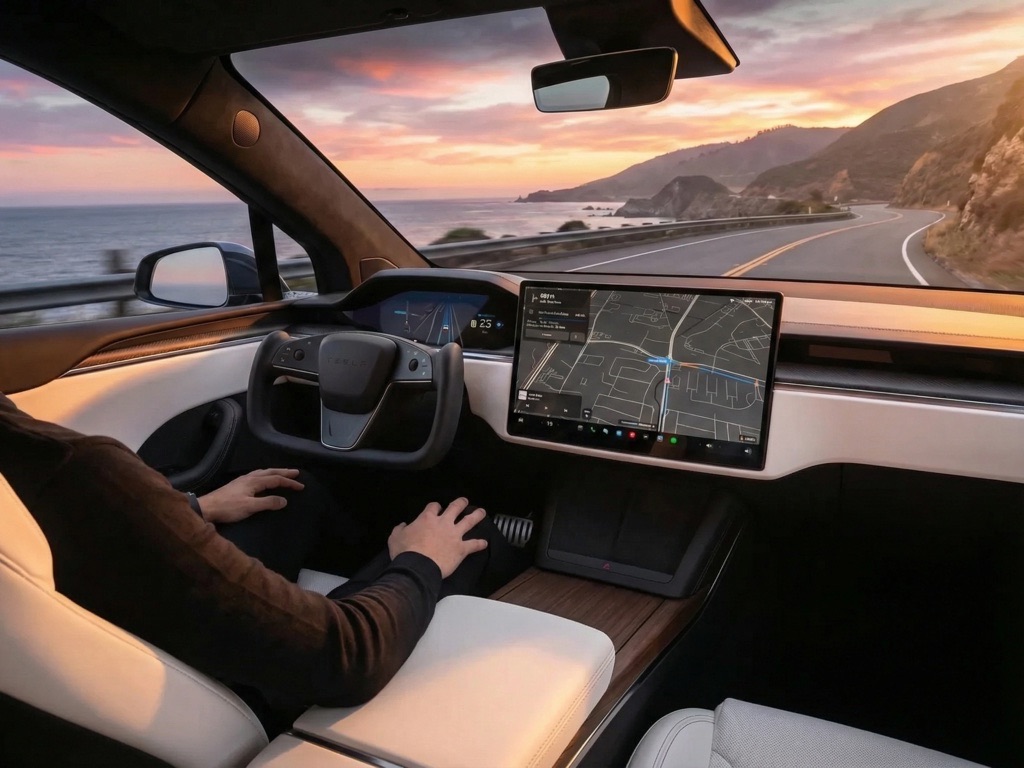
Tesla Surrenders Iconic Branding After California Regulators Find Marketing Misleads Consumers
Tesla has officially dropped the “Autopilot” name in California after state regulators concluded the company’s marketing violated consumer protection laws, avoiding a threatened 30-day suspension of its dealer and manufacturer licenses. The decision marks a significant retreat for Elon Musk’s company, which has defended its autonomous driving terminology for over a decade despite mounting regulatory pressure and safety concerns.
The California Department of Motor Vehicles (DMV) announced the corrective action this week, confirming that Tesla complied with a state order to cease using the misleading term. The company also modified its “Full Self-Driving” branding to “Full Self-Driving (Supervised),” adding explicit clarification that drivers must maintain constant attention. California represents Tesla’s single largest state market in the U.S., accounting for an estimated 11% of the company’s global vehicle deliveries, making the regulatory stakes extraordinarily high.
A Three-Year Battle Over Consumer Deception
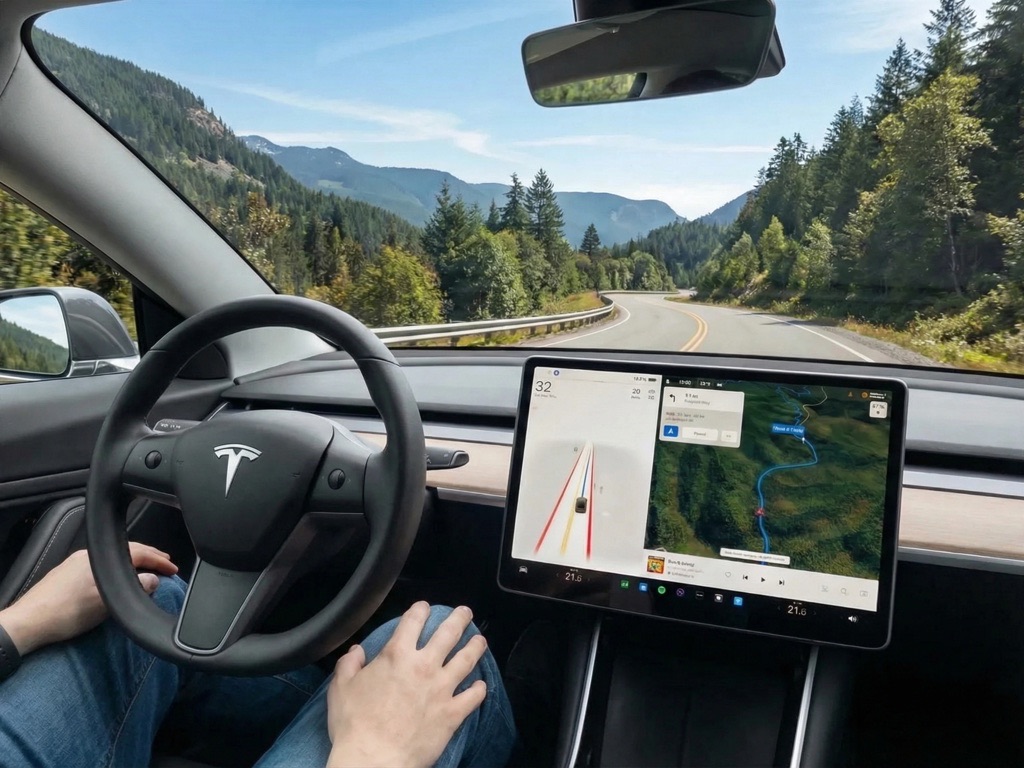
The California DMV first raised concerns about Tesla’s marketing terminology in 2023, arguing that terms like “Autopilot” and “Full Self-Driving” created false expectations about vehicle autonomy. The regulatory complaint centered on written marketing materials Tesla published beginning in May 2021, which allegedly misrepresented the autonomous capabilities of both Autopilot and the premium Full Self-Driving package.
In December 2025, an administrative law judge sided with the DMV after a five-day hearing, ruling that Tesla’s use of “Autopilot” to describe its Advanced Driver Assistance Systems (ADAS) features is misleading and violates state law. The judge found that Tesla’s naming convention “follows a long but unlawful tradition of intentionally using ambiguity to mislead consumers.” The initial penalty was severe: a 30-day suspension of both Tesla’s manufacturer and dealer licenses. However, the DMV’s final decision reduced the penalties, permanently staying the manufacturer’s license suspension and giving Tesla 60 days to stop using the term “Autopilot.”
Specifications and Feature Changes
| Feature | Previous Branding | Current Branding (California) | Status |
|---|---|---|---|
| Basic Driver AssiTraffic Aware Cruise Control (TACC)ic Aware Cruise Control (TACC) | Standard on new vehicles | ||
| Premium Driver Assistance | Full Self-Driving | Full Self-Driving (Supervised) | Subscription-based |
| Regulatory Compliance | Non-compliant | Compliant with California law | Active |
The Business Model Pivot
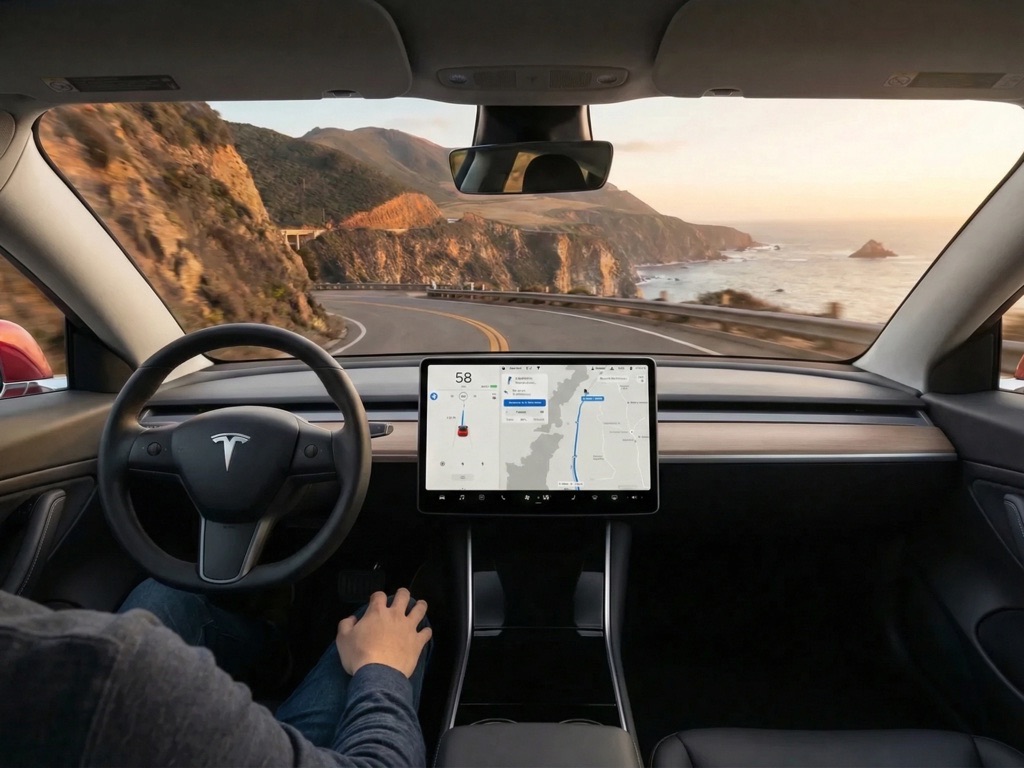
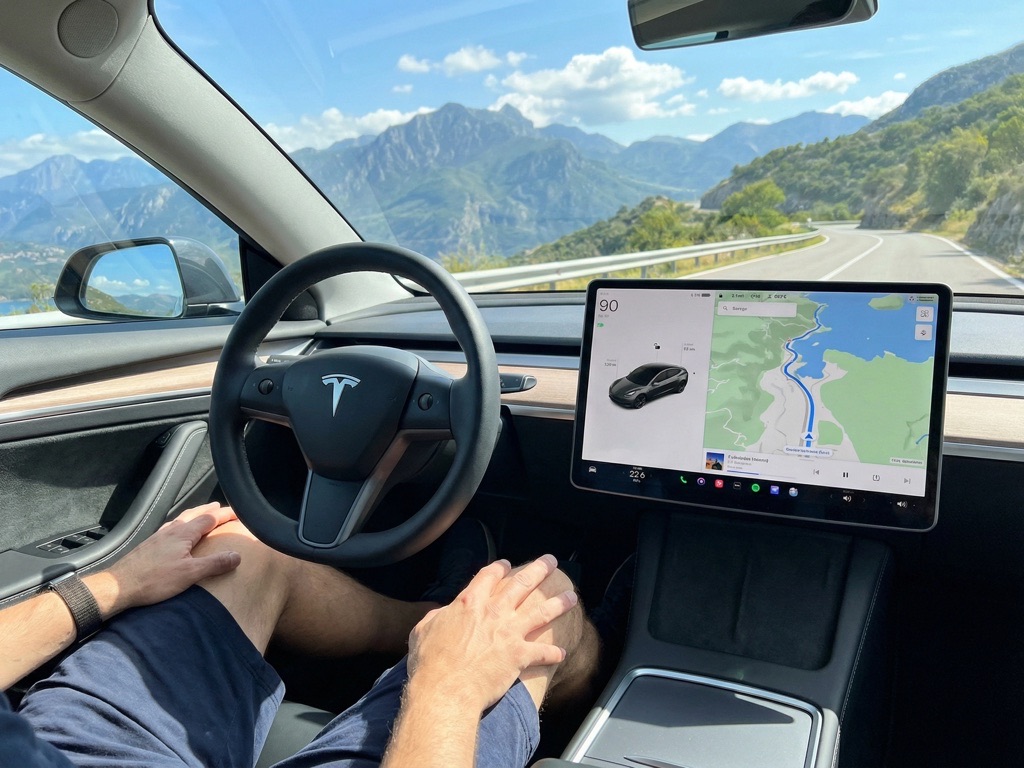
Tesla’s response to regulatory pressure extends beyond mere rebranding. In January 2026, the company discontinued Autopilot entirely as a standalone product in the United States and Canada, effectively killing the feature that had been synonymous with Tesla’s autonomous ambitions since 2014. New vehicle deliveries now include only Traffic Aware Cruise Control (TACC) as the standard offering, while Full Self-Driving (Supervised) requires a paid subscription.
 News
News
Ola Electrifies the Streets Again: The Ola S1 X Electric Scooter with a Bigger Battery Boost
Ola Electrifies the Streets Again: The Ola S1 X Electric Scooter with a Bigger Battery Boost Hey there, EV enthusiasts!...
 Cars
Cars
Volvo EX30 Fire Warning Affects 40 US Units: Park Outdoors and Limit Charge to 70%
Volvo has issued an urgent fire safety warning for 40 units of the 2025 EX30 electric SUV in the US,...
 Cars
Cars
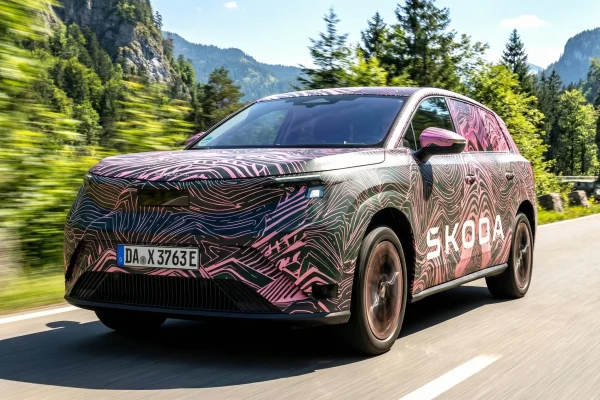
Skoda Epiq Offers 430 km Range and £25,520 Starting Price to Challenge Affordable EV Segment
The Skoda Epiq is an all-electric city SUV crossover launching in 2026 with a maximum range of 430 km (267...
This shift conveniently funnels owners toward the more expensive Full Self-Driving (Supervised) option, which requires payment. The move simultaneously satisfies regulatory demands while advancing Tesla’s business model toward recurring revenue streams. Full Self-Driving (Supervised) alerts drivers to stop signs and traffic lights, and can slow the vehicle to a stop while approaching signals, all with mandatory driver supervision.
Safety Data Raises Questions About Autonomous Capabilities
The regulatory action gains additional weight from recent safety data. Tesla shared reports with the National Highway Traffic Safety Administration examining a small group of Tesla robotaxis during December 2025 and January 2026. The data revealed that these autonomous vehicles were involved in five crashes during those two months—a rate four times higher than that of average human drivers over the same distance.
This safety performance underscores why California regulators insisted on clarifying language. Despite Tesla’s long-standing claims that its vehicles can drive themselves as safely as humans, real-world data suggests the technology still requires significant human oversight. The regulatory action essentially codifies what safety data increasingly demonstrates: current Tesla autonomous features are driver assistance tools, not autonomous vehicles.
Comparison with Competitors
Tesla’s regulatory retreat contrasts sharply with how competitors market similar technology. Rivian and legacy automakers like General Motors market their driver assistance features with clearer language about required driver attention, avoiding the autonomous terminology that triggered California’s enforcement action. General Motors’ Super Cruise and Rivian’s Guidance systems explicitly position themselves as driver assistance rather than autonomous driving, a distinction that has helped these competitors avoid similar regulatory scrutiny.
The settlement also reflects broader industry trends toward more honest marketing of autonomous capabilities. As regulators worldwide scrutinize autonomous driving claims, manufacturers are increasingly adopting transparent terminology that acknowledges the limitations of current technology.
Verdict: A Pyrrhic Victory for Tesla
Tesla has technically avoided the threatened sales suspension, but the cost is substantial. The company has surrendered the iconic “Autopilot” branding that defined its market positioning for over a decade, discontinued a standard feature, and shifted its business model toward subscription-based premium features—all while safety data suggests its autonomous systems underperform human drivers. For Tesla owners in California, the changes mean clearer expectations about what their vehicles can actually do. For the company, the settlement represents a rare regulatory defeat that forces a fundamental repositioning of how it markets autonomous technology. The question now is whether this California-specific change will eventually extend nationwide, fundamentally reshaping Tesla’s autonomous driving narrative.