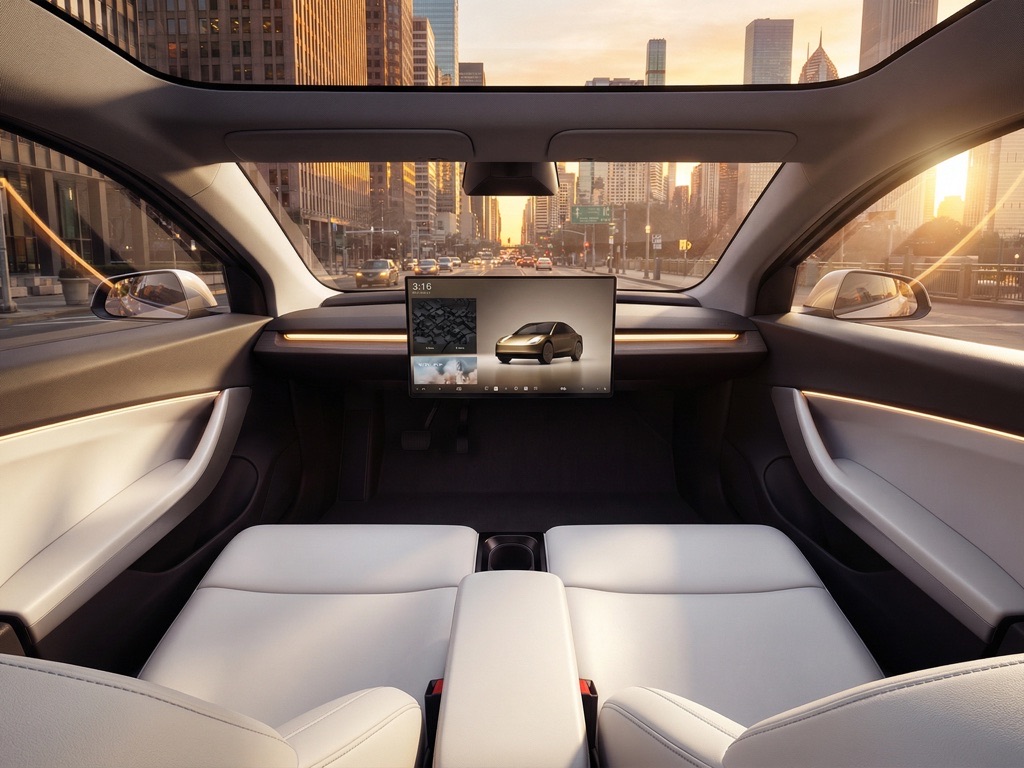
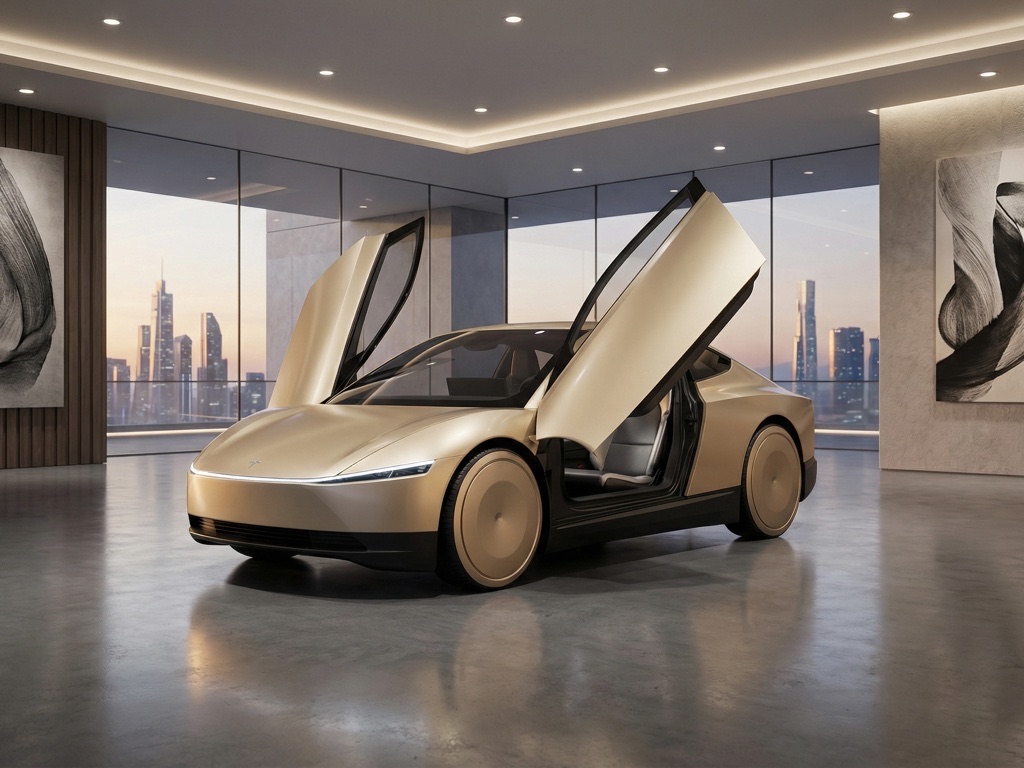
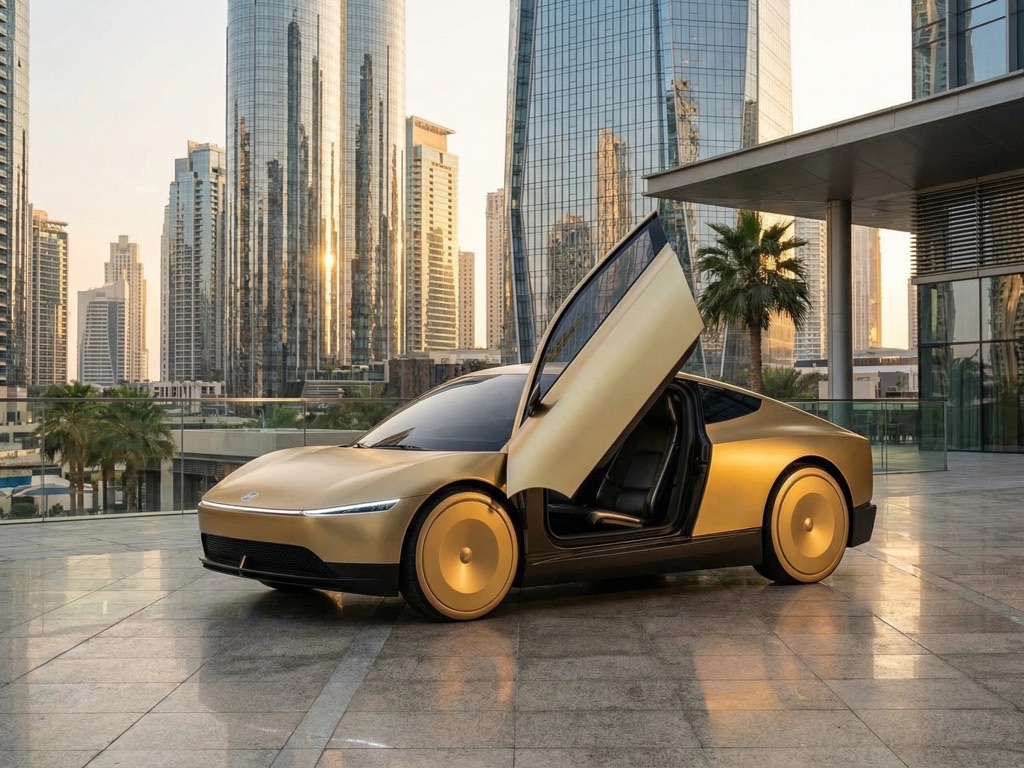
Tesla has achieved a critical milestone in its autonomous vehicle ambitions: the first production Cybercab rolled off the assembly line at Gigafactory Texas on February 17, 2026. The steering wheel-less, two-seat robotaxi represents Tesla’s most aggressive push yet toward fully autonomous mobility, with Elon Musk confirming the vehicle will retail for under $30,000 when consumer sales begin before 2027.
This achievement marks the transition of the Cybercab from prototype testing into initial production, though continuous manufacturing won’t begin until April 2026. The milestone comes as Tesla prepares to scale its Robotaxi network, which recently launched fully unsupervised rides in Austin.

The Vision Behind the CybercCybercab was unveiled in October 2024ber 2024 as Tesla’s purpose-built autonomous vehicle, designed specifically to anchor the company’s ride-hailing network rather than serve traditional personal ownership. Unlike Tesla’s existing lineup, the Cybeoptimized for high-utilization commercial service service, featuring roughly half as many parts as a Model 3 to keep costs low and production efficient.
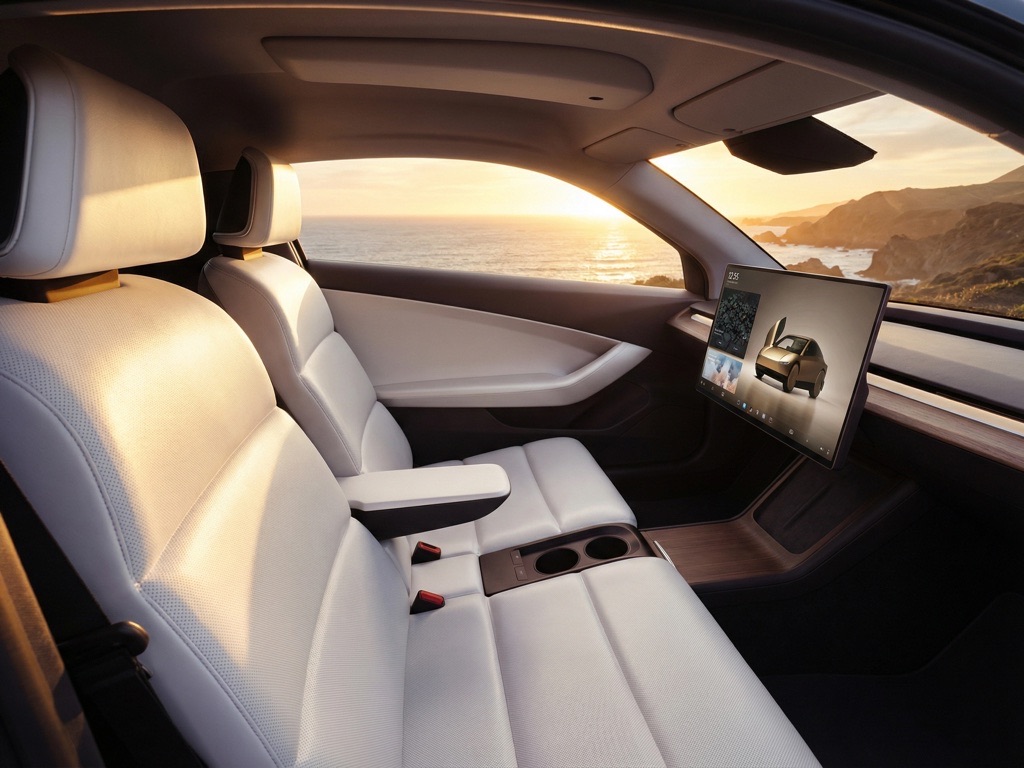
The vehicle ships without traditional driver controls—no steering wheel, pedals, or even side mirrors. Instead, it relies entirely on Tesla’s vision-based Full Self-Driving (FSD) system, equipped with washers for all cameras to maintain unhindered autonomy functionality. However, Tesla has confirmed a contingency plan: the company will add a steering wheel and pedals if regulators require them for fleet deployment.
The Cybercab’s design philosophy reflects Tesla’s confidence in autonomous technology. The company has subjected prototypes to extensive real-world validation, including harsh winter testing in Buffalo and Alaska to ensure the camera-based system handles snow, ice, and freezing temperatures.

Production Timeline and Manufacturing Innovation
The first Cybercab production unit rolled off the line on February 17, 2026—approximately six weeks ahead of the planned April volume production start. This early achievement indicates Tesla is progressing toward its manufacturing goals, though significant work remains before full-scale production.
 News
News
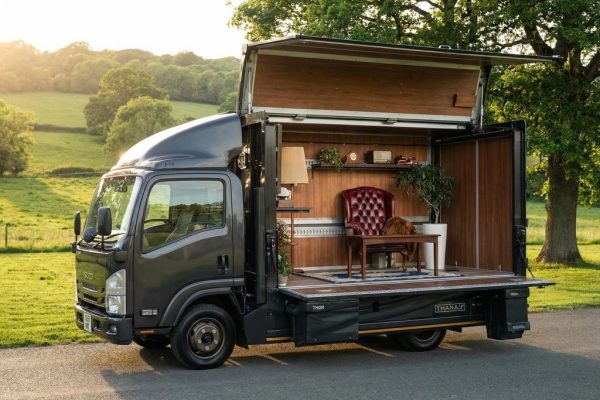
Isuzu Elf MUV: 161 HP Electric Box Truck with Gullwing Living Room Door Debuts at Tokyo Auto Salon 2026
Isuzu unveiled the Elf MUV concept at Tokyo Auto Salon 2026, transforming its standard electric Elf box truck into a...
 Cars
Cars
All-Electric Renault Twingo E-Tech Confirmed From €19,490, Redefining the Affordable EV Segment
Renault has officially delivered on its promise of a truly affordable electric city car. The Renault Twingo E-Tech electric will...
 News
News
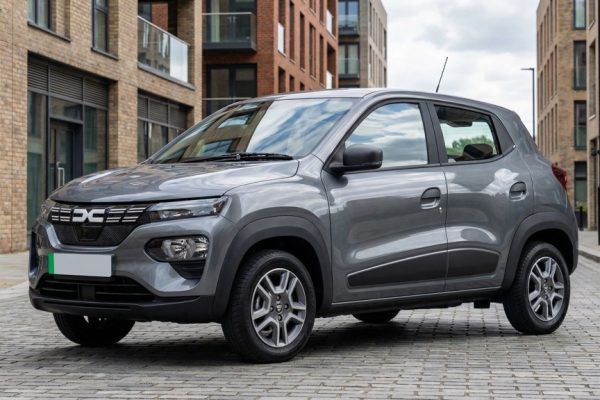
2026 Dacia Spring Gets 69bhp Base Motor and 99bhp Top Engine: First Major UK Update
Dacia has substantially upgraded its budget city EV for 2026, introducing two new electric motors that dramatically improve performance across...
Tesla has linked Cybercab production to its “Unboxed” manufacturing process, an innovative approach that assembles large vehicle modules separately before integration, rather than following a traditional production line. The method is designed to cut costs, reduce factory footprint, and accelerate output—critical advantages for scaling a new vehicle platform.
Elon Musk has set realistic expectations for the ramp-up. “For Cybercab and Optimus, almost everything is new, so the early production rate will be agonizingly slow, but eventually end up being insanely fast,” he stated. Initial volumes will be limited as Tesla refines manufacturing processes, but the company expects production to accelerate significantly once operations stabilize.
| Specification | Details |
|---|---|
| Seating Capacity | 2 passengers |
| Steering Wheel | None (Level 5 autonomous only) |
| Pedals | None |
| Autonomy System | Vision-based Full Self-Driving (FSD) |
| Target Price | Under $30,000 |
| First Unit Produced | February 17, 2026 |
| Volume Production Start | April 2026 |
| Consumer Sales Timeline | Before 2027 |
| Manufacturing Location | Gigafactory Texas (Austin) |
Regulatory Hurdles and Competitive Positioning
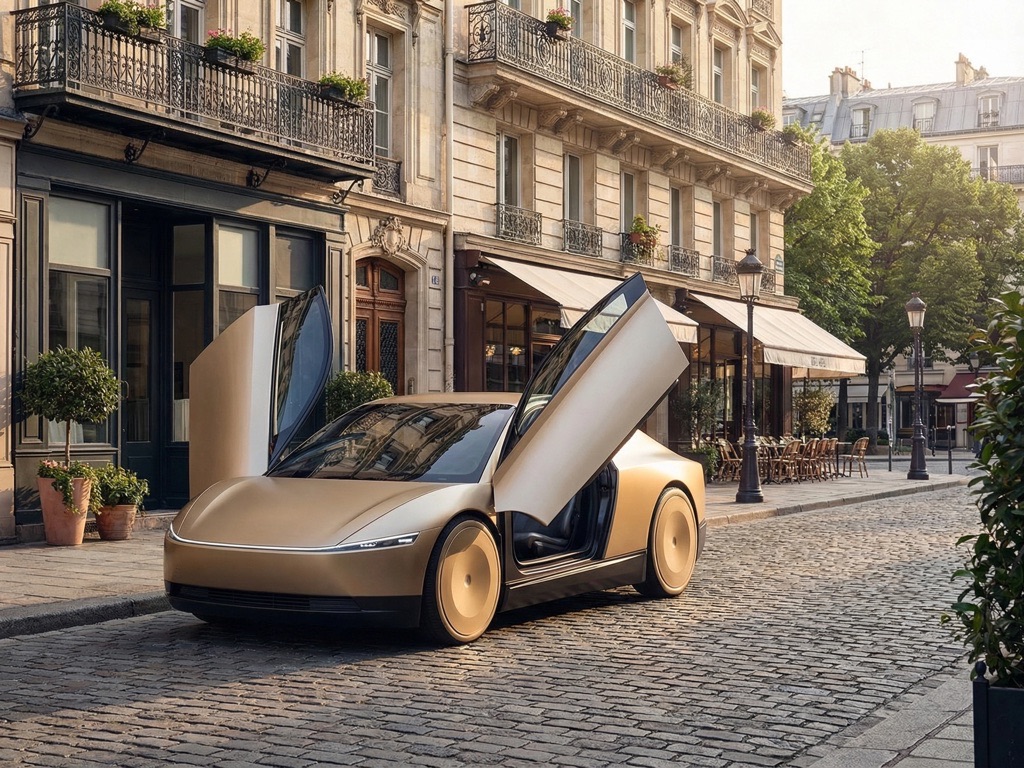
A critical unanswered question remains: when will the Cybercab achieve full street legality? Federal vehicle safety standards were written with human control systems in mind, meaning Tesla likely needs special regulatory approval for a steering wheel-less vehicle. Precedent exists—Zoox received a federal exemption and now operates limited public service in Las Vegas and San Francisco—but the timeline for Tesla’s approval is unclear.
The Cybercab positions Tesla directly against autonomous services like Waymo, which has already deployed robotaxis in multiple cities. While Tesla has launched limited Robotaxi operations in Austin and the Bay Area using Model Y vehicles, the Cybercab represents a purpose-built platform designed for rapid scaling once regulatory and technical hurdles are cleared.
The $30,000 price point is particularly significant. If achieved, it would make the Cybercab Tesla’s most affordable vehicle and substantially undercut competitors’ autonomous offerings. However, skepticism exists within the tech community—popular YouTube reviewer Marques Brownlee (MKBHD) has publicly questioned whether Tesla can deliver the vehicle at this price point by 2027, a wager that has become a point of discussion among Tesla enthusiasts.
What This Means for the EV Market
The Cybercab’s production milestone signals Tesla’s commitment to autonomous mobility as a core business strategy. Unlike traditional automakers developing autonomous features for consumer vehicles, Tesla is building a dedicated robotaxi platform from the ground up. This approach mirrors Waymo’s strategy but with Tesla’s advantage of vertical integration and existing manufacturing infrastructure.
The vehicle’s simplified design—half the parts of a Model 3—suggests Tesla believes autonomous vehicles can be cheaper and faster to produce than conventional cars. If manufacturing scales as planned, the Cybercab could fundamentally reshape the ride-hailing industry and accelerate the adoption of autonomous technology across transportation.
Verdict
Tesla’s first Cybercab production unit represents a genuine engineering milestone, but the real test begins in April when volume production starts. The vehicle’s success depends on three critical factors: regulatory approval for steering wheel-less operation, manufacturing execution at scale, and real-world performance validation in diverse conditions. The $30,000 price target is ambitious but unconfirmed in production reality. For investors and autonomous vehicle enthusiasts, the next six weeks will reveal whether Tesla can execute its “Unboxed” manufacturing vision or whether early production challenges will delay the robotaxi revolution. The Cybercab is designed for fleet operators and ride-hailing services, not individual consumers—at least initially.