

Polestar is executing its most ambitious product expansion ever, with four new premium electric vehicles confirmed to launch globally by 2028. Following record retail sales in 2025, the Swedish EV brand is targeting high-demand segments while expanding its retail network by 30% and aiming for low double-digit volume growth in 2026.
The Four-Model Offensive
The expansion spans multiple vehicle categories, each targeting specific market segments where customer demand and profit margins remain strong. CEO Michael Lohscheller emphasized the strategy: “We are targeting the heart of the EV market, where customer demand and profit pools are high.”
| Model | Type | Launch Timeline | Key Details |
|---|---|---|---|
| Polestar 5 | Grand Tourer | Summer 2026 | Halo model; 421-mile range; 0-60 in 3.1 seconds; 650kW power; starts from £89,500; built in China; availability in Europe and North America |
| Polestar 4 (New Variant) | Estate-SUV Crossover | Q4 2026 | Best-selling current model; combines estate practicality with SUV capability; targets UK, US, and Canadian markets |
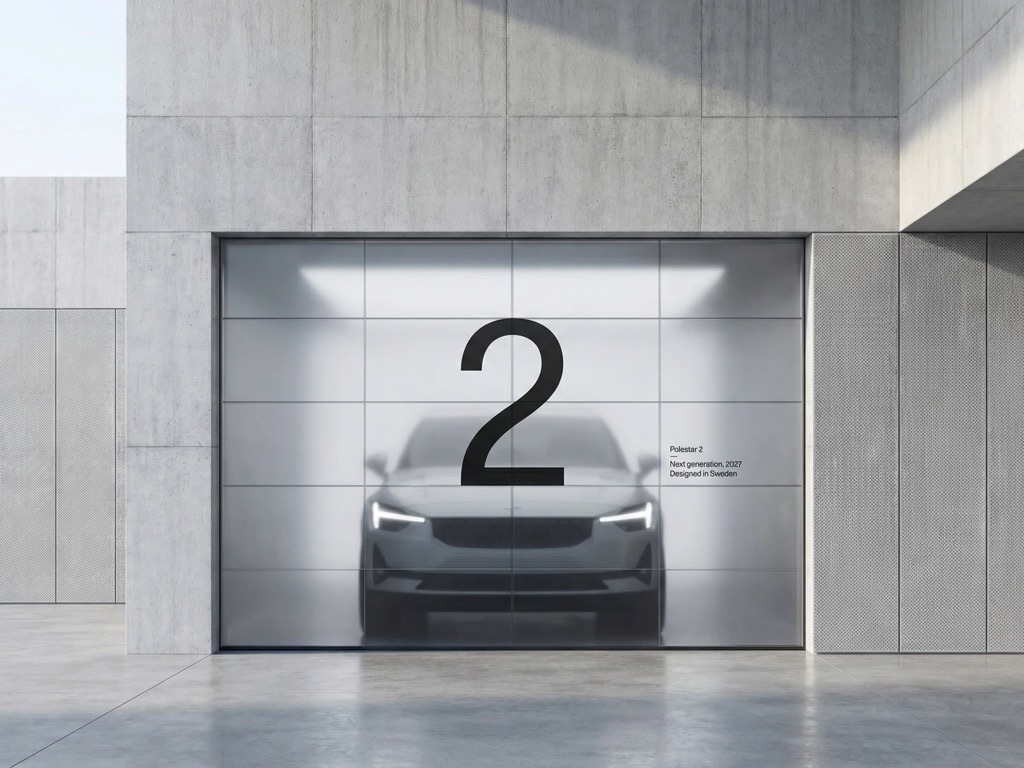
| Polestar 2 (Next Generation) | Premium Sedan | Early 2027 | Fully redesigned successor; 190,000+ units sold globally; targets competitive US and UK sedan markets |
| Polestar 7 | Compact Premium SUV | 2028 | Enters the largest EV category in Europe; performance-focused; planned European production; attractive price point |
The Polestar 5: Halo Model Sets the Tone
The Polestar 5 arrives first and represents the brand’s performance ambitions. This four-door Grand Tourer is built on a lightweight bonded aluminium platform and has already generated strong early reviews during its European launch tour. With 421 miles of range, a 3.1-second 0-60 time, and 650kW of power, the Polestar 5 positions itself as a direct Porsche Taycan rival. The vehicle features an unconventional design element: no traditional rear window, instead using high-definition cameras for a wider field of view. Deliveries begin in summer 2026 across Europe and North America, though US availability timing remains uncertain.
Competitive Context
Polestar’s four-model offensive positions it against established premium EV players. The Polestar 5 competes directly with Porsche’s Taycan in the performance GT segment. The Polestar 7 enters a crowded compact premium SUV market dominated by Tesla Model Y, BMW iX2, and Mercedes EQE SUV. The redesigned Polestar 2 faces competition from Tesla Model 3, BMW i4, and Mercedes EQE in the premium sedan category. The Polestar 4 variant targets buyers seeking crossover versatility, competing with vehicles like the BMW iX and Audi Q4 e-tron.
Unanswered Questions
Several details remain unclear. The Polestar 5 will not arrive in the US at launch, with timing for eventual US availability to be determined. Pricing for the Polestar 4 variant, next-generation Polestar 2, and Polestar 7 has not been announced. Production locations for the Polestar 5 (China) and Polestar 4 variant remain unconfirmed. Full financial guidance for 2026 will be announced with the company’s 2025 full-year results.
Verdict
Polestar’s four-model offensive represents a calculated bet on profitable growth in premium EV segments. The strategy balances halo performance (Polestar 5) with volume-driving practicality (Polestar 4 variant, redesigned Polestar 2) and emerging categories (Polestar 7). For UK and US buyers, the next three years will deliver a significantly broader lineup spanning grand tourers, versatile crossovers, and next-generation sedans. The brand’s focus on retail expansion and operational efficiency suggests confidence in sustainable profitability rather than pure volume chasing. This is a brand positioning itself as a serious contender in the EV transformation, not a niche player.