
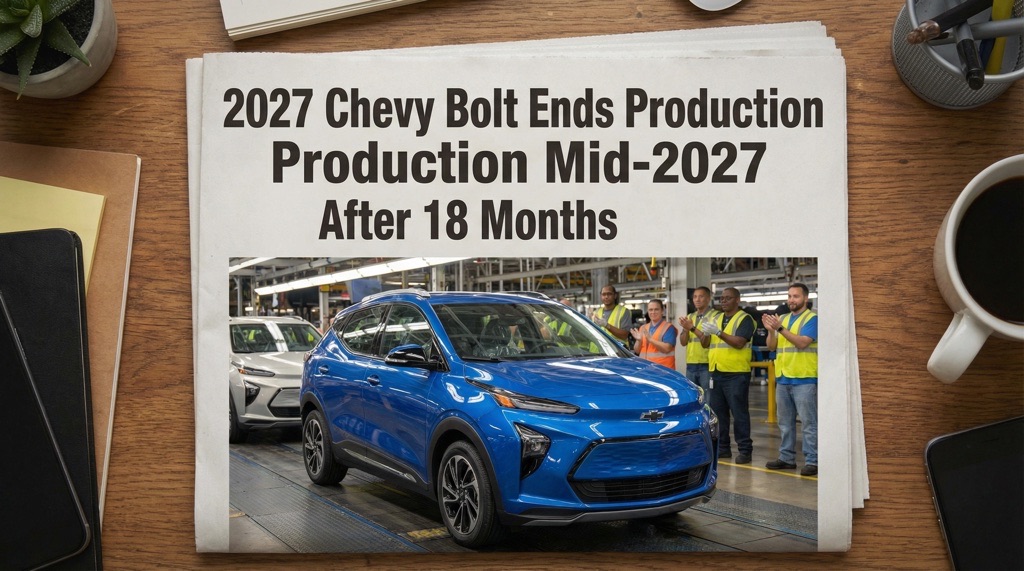
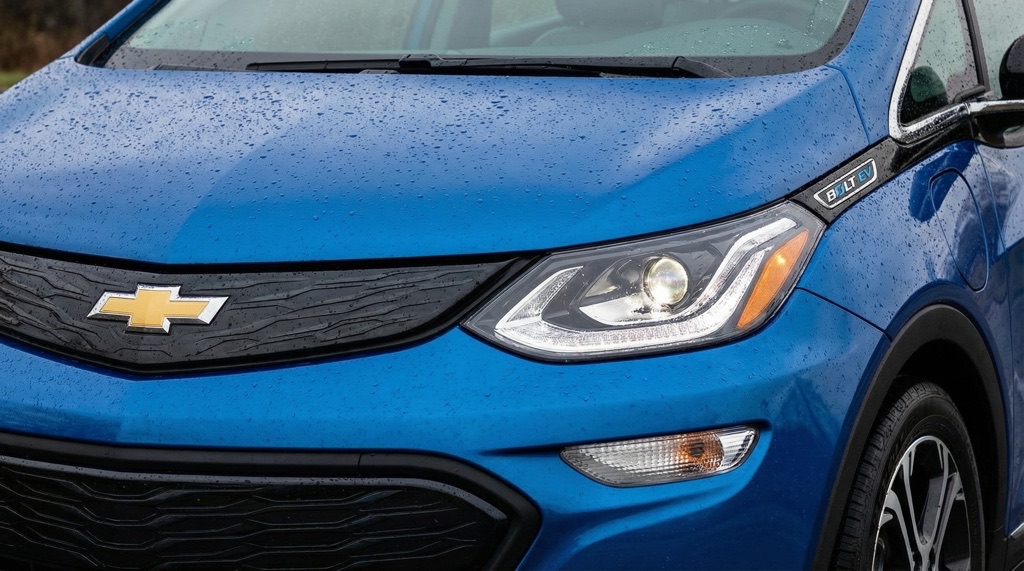
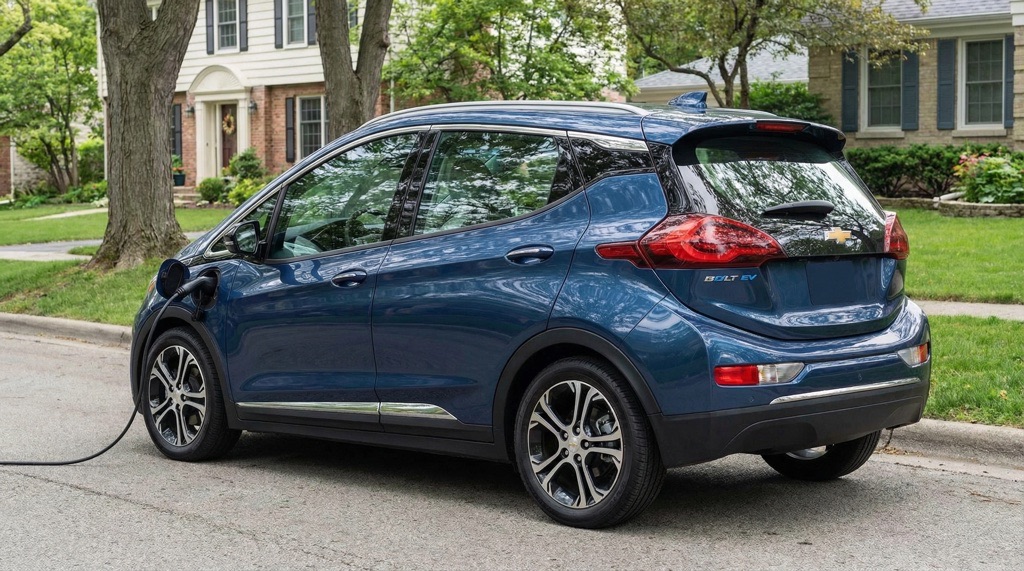
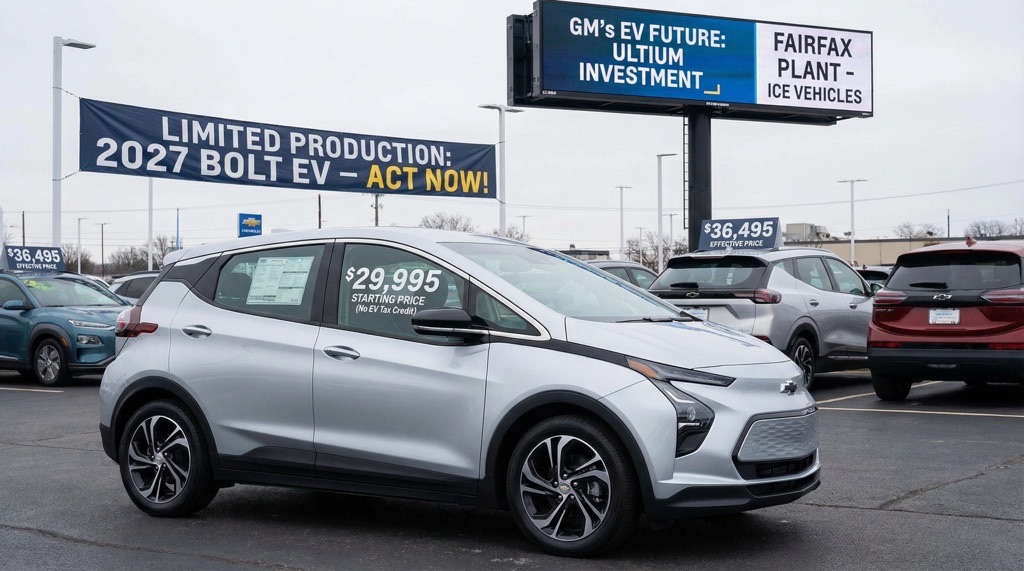
General Motors will cease production of the revived 2027 Chevrolet Bolt EV at its Fairfax Assembly plant in Kansas around mid-2027, just 18 months after starting in November 2025. This limited run makes way for internal combustion engine models like the Chevrolet Equinox and next-generation Buick Envision, driven by U.S. tariffs and policy shifts under the Trump administration. For EV buyers seeking an affordable option under $30,000, this timeline underscores the fragility of low-cost electric cars amid shifting manufacturing priorities.
Background: GM’s Bolt Rollercoaster and Strategic Pivot
General Motors first launched the Chevrolet Bolt EV in 2016 as one of the most affordable electric vehicles in the U.S., achieving over 255 miles of EPA range and strong sales until battery issues led to recalls and its discontinuation in late 2023. The Bolt and its EUV sibling were North America’s top-selling affordable EVs, but GM paused production to address Ultium platform development and cost concerns. In October 2025, GM surprised the market by announcing a second-generation Bolt revival at a customer event, positioning it as a ‘limited-run’ model built on shared tech with the Equinox EV to meet pent-up demand.
Production restarted at the Fairfax plant in November 2025, with deliveries beginning early 2026 as 2027 model-year vehicles—a common U.S. practice. However, the plant operates on a single shift with 900 workers furloughed, signaling constrained output. GM’s decision reflects broader pressures: the elimination of the $7,500 federal EV tax credit under the Trump administration has softened demand, while high tariffs on imports push production of ICE models like the Equinox (from Mexico) and Buick Envision (from China) back to U.S. soil. Relaxed fuel economy standards further favor gas-powered vehicles, squeezing EV plans at dedicated plants.
Key Specifications
| Specification | Details |
|---|---|
| Range (EPA) | 255 miles (410 km) |
| DC Fast Charging | 150 kW |
| Motor Power | 157 kW |
| Battery | 65 kWh LFP (underbody mounted) |
| Base Price (1LT) | $28,995 |
| LT with Comfort Package | $29,990 |
| RS Base | $32,995 |
| RS with Tech Package & Panoramic Roof | $35,685 |
| Optional Features | SuperCruise ($3,000+), GM PowerUp 2 NACS Charger ($899), PowerShift V2H Wallbox |
| Production Start | November 2025 |
| Production End | Mid-2027 (approx. 18 months) |
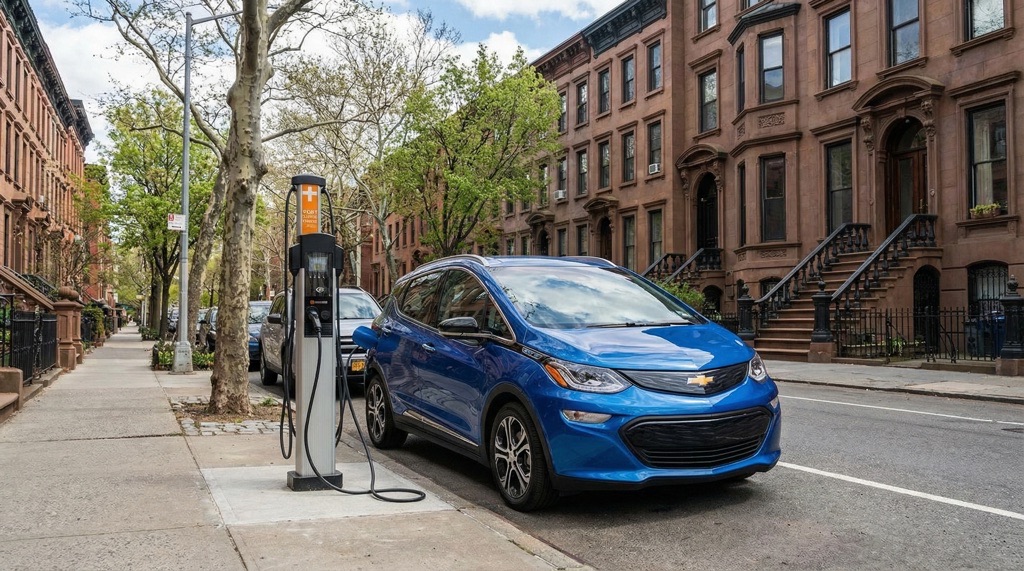
These specs represent upgrades from the first-gen Bolt: improved charging speed via shared Equinox EV tech and cost savings from LFP batteries, enabling sub-$30,000 pricing. GM confirmed the Bolt will drive most of Chevrolet’s 2026 EV volume alongside the Equinox EV.
Analysis: Manufacturing Realities Override EV Ambitions
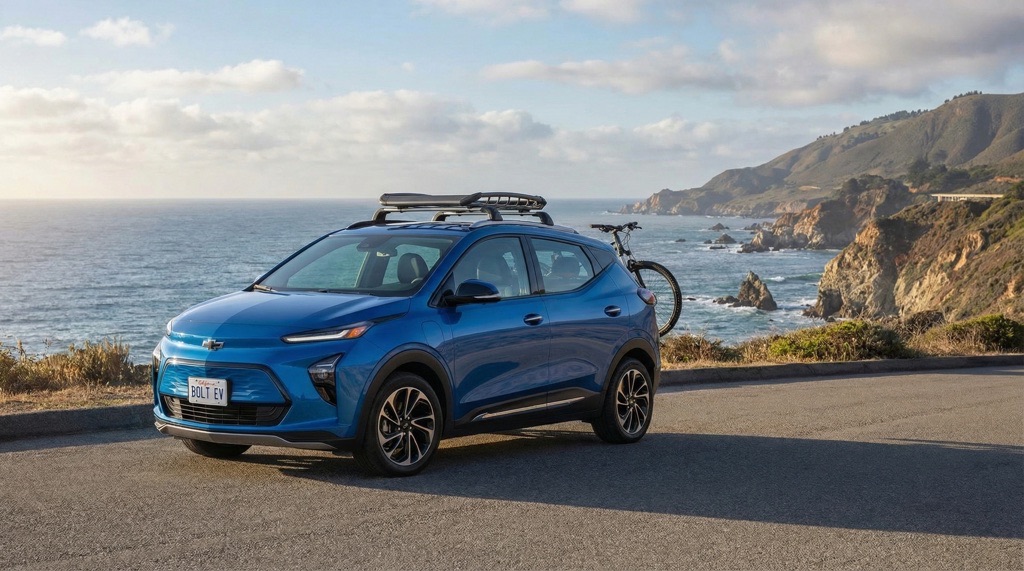
The Fairfax plant’s switch to ICE production highlights GM’s pragmatic response to policy headwinds. With the Equinox as Chevy’s second-best seller and the Buick Envision relocating from China, capacity allocation favors high-volume gas models amid 25%+ tariffs on Mexican and Chinese imports. Bloomberg reports confirm the 18-month Bolt run, aligning with GM’s October statements on its limited scope. Chevrolet spokespeople reiterated: ‘It’d be a limited-run model… accounting for the majority of EV volume for Chevrolet in 2026’.
 Cars
Cars
The Iconic MOKE Returns as a $50,000 Electric Beach Cruiser for Adults
California has a new toy — one that’s equal parts nostalgia, lifestyle, and wonderfully impractical engineering. The legendary MOKE, a...
 Cars
Cars
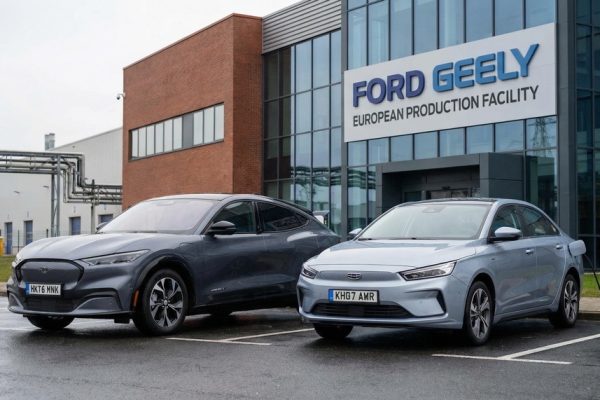
Ford and Geely in Talks to Share European Factory Space and ADAS Tech – Tariff Dodge and Cost Cuts at Stake
Ford and Geely are advancing discussions for Geely to use Ford’s underutilized European factories to produce EVs, potentially avoiding EU...
 Cars
Cars
The Cyber Hummer: North American Electric Vehicles Transforms the Iconic H1 into a Tesla-Powered Beast
Electric Evolution of an Off-Road Legend The iconic Hummer H1, known for its military heritage and commanding presence, has received...
Speculation from InsideEVs points to upcoming regulatory changes GM may struggle to meet, though details remain vague—possibly tied to evolving emissions or safety rules. Plant constraints exacerbate this: single-shift operations limit Bolt output, potentially capping total units produced at under 100,000 annually if ramp-up stalls.
Market Impact: A Blow to Affordable EVs
At prices starting below $30,000, the 2027 Bolt fills a critical gap left by pricier rivals like the Equinox EV ($35,100+). Its 255-mile range and 150 kW charging make it practical for urban commuters, while LFP batteries promise durability over NMC cells plagued in Gen-1. Yet, lost tax credits erode its edge—effective pricing jumps to $36,495 without incentives. Demand appears strong per GM, but single-shift production and mid-2027 cutoff mean buyers must act by early 2026 for best availability.
Critically, this revival feels like a stopgap. GM invests billions in Ultium but pivots Fairfax to ICE, raising questions on long-term EV commitment. Will excess Bolt inventory linger into 2028? Unconfirmed details on the exact end-date (April vs. mid-year) and total production volume persist.
Competitor Comparison
| Model | Starting Price | Range (EPA) | DC Charging | Notes |
|---|---|---|---|---|
| 2027 Chevy Bolt EV | $28,995 | 255 miles | 150 kW | Limited to mid-2027; LFP battery |
| 2026 Chevy Equinox EV | $35,100 | 319 miles (FWD) | 150 kW | GM sibling; ongoing production |
| 2026 Hyundai Kona Electric | $32,975 | 261 miles | 100 kW | Stable production; tax credit eligible |
| 2026 Nissan Leaf | $28,140 | 212 miles | 50 kW (base) | Cheapest EV; CHAdeMO port aging |
The Bolt undercuts the Equinox EV while matching its tech, but trails in range. Against Hyundai and Nissan, it offers superior charging but faces extinction sooner.
Verdict
GM’s 2027 Bolt delivers real value—255 miles, 150 kW charging, and $28,995 pricing—but its 18-month lifeline exposes EV vulnerability to tariffs and policy. Ideal for budget-conscious commuters needing a proven hatchback before stocks vanish mid-2027; avoid if longevity matters. GM prioritizes ICE profitability, leaving the affordable EV future uncertain—watch for Ultium scaling elsewhere.