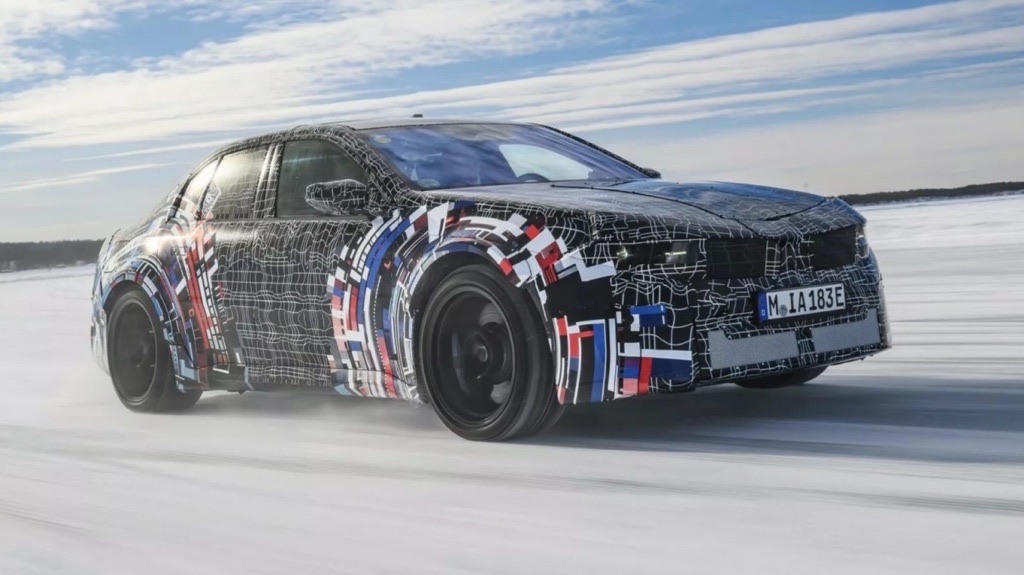
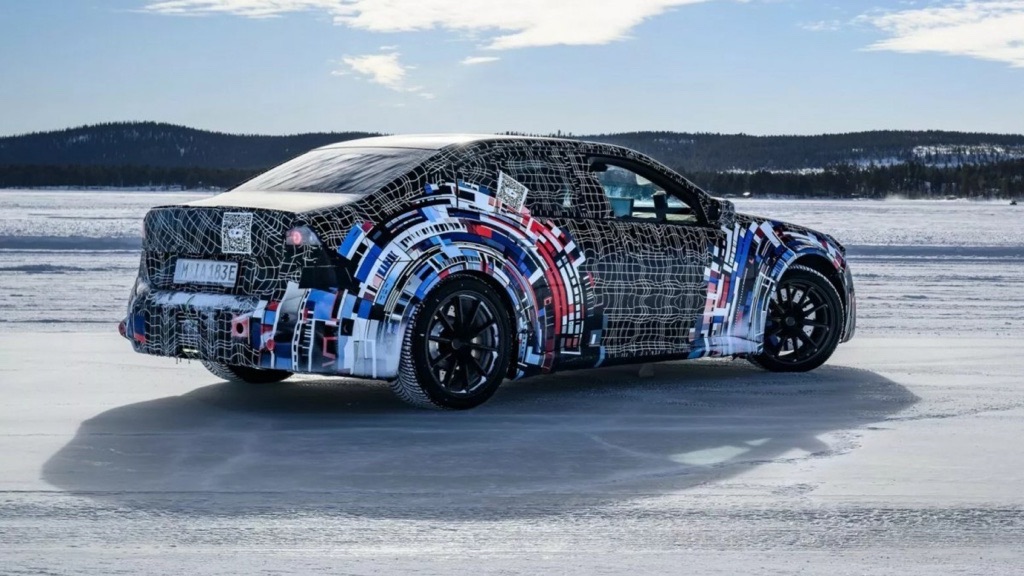
BMW’s 2027 electric M3 introduces four independent electric motors—one per wheel—on the Neue Klasse platform, delivering unprecedented torque control without mechanical differentials. This setup, paired with a battery exceeding 100 kWh optimized for high-discharge track use, positions the M3 to retain its sports sedan dominance in an EV era. Enthusiasts get rear-wheel-drive mode via front-axle disconnect, preserving the model’s drifting heritage while adding all-wheel precision.
BMW M Division’s Evolution into Electrification
BMW M has defined performance sedans since the 1986 E30 M3, blending high-revving inline-six engines with rear-wheel-drive dynamics. Nearly 40 years later, the division faces electrification mandates and market shifts toward EVs. The 2027 M3, internally coded ZA0, marks M’s full pivot to battery power as part of the Neue Klasse family—a ground-up EV platform debuting with models like the iX3.
BMW revealed initial details during a November 2025 technical workshop, showcasing the quad-motor system that eliminates traditional differentials. This aligns with BMW’s broader strategy: Gen6 Neue Klasse tech promises 40% reduced drivetrain losses, 10% weight savings, and 20% lower production costs versus Gen5 systems. M models prioritize “Design to Power” cylindrical cells with lower internal resistance for sustained high-output track performance, trading some range for power density.
The platform’s 800-volt architecture supports 400 kW DC fast charging, as seen in the baseline iX3’s 108.7 kWh usable pack (112 kWh gross), which achieves 805 km WLTP range and 15.1 kWh/100 km efficiency. M3 specifics remain under wraps, but the battery integrates structurally with the chassis for added stiffness, using lightweight natural fiber composites for agility despite EV heft.
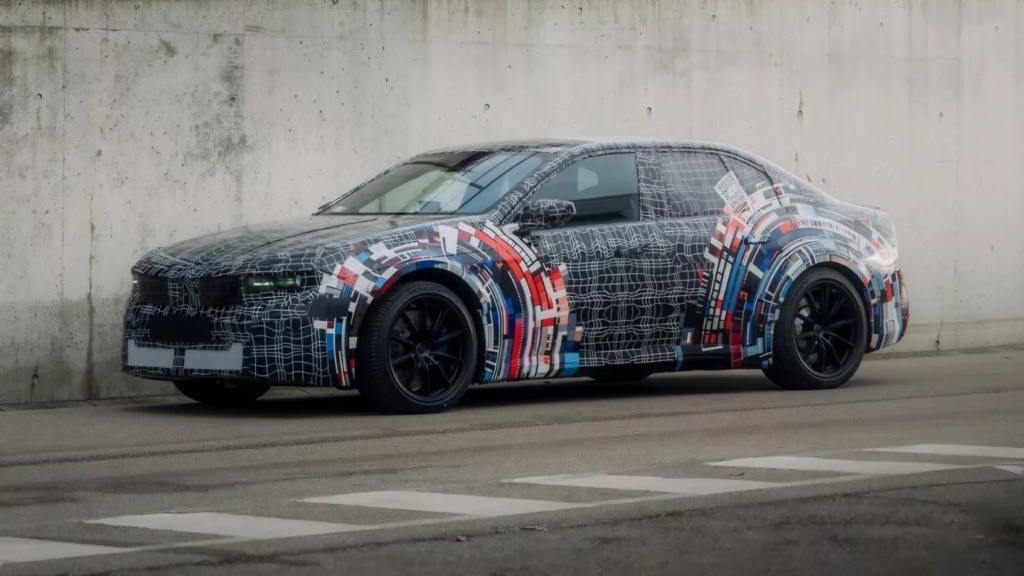
Key Specifications
| Specification | Details |
|---|---|
| Platform | Neue Klasse Gen6 (ZA0) |
| Drivetrain | Quad-motor AWD (one motor per wheel); front mechanical disconnect for RWD mode |
| Motors | Two drive units (front/rear); individual gearboxes per wheel; no mechanical differentials |
| Power Output | Baseline iX3: 345 kW (462 hp); M3 expected significantly higher (expert estimates near 1,000 hp, unconfirmed) |
| Battery | >100 kWh usable; 46mm x 95mm cylindrical NMC cells; Design to Power spec for track use; 800V architecture |
| Charging | Up to 400 kW DC (baseline) |
| Control Systems | M Dynamic Performance Control; Heart of Joy ECU; simulated gear shifts and engine soundscape |
| Weight Savings | 10% lighter Gen6 vs. Gen5 |
| Arrival | 2027 |
Note: Exact M3 power, range, weight, and per-motor outputs not yet confirmed by BMW.
Quad-Motor Drivetrain: Precision Without Compromise
The heart of the electric M3 is its four-motor setup: independent units at each wheel enable torque vectoring via software, replacing the mechanical limited-slip differential iconic to M3s since the E30. BMW’s M Dynamic Performance Control distributes power and braking individually, optimizing traction at the limit while maximizing recuperation efficiency.
 Cars
Cars
The Iconic MOKE Returns as a $50,000 Electric Beach Cruiser for Adults
California has a new toy — one that’s equal parts nostalgia, lifestyle, and wonderfully impractical engineering. The legendary MOKE, a...
 News
News
Leapmotor A10 Packs 505 km Range and Snapdragon 8295P Chip into €9,900 Compact SUV
The Leapmotor A10, known internationally as the B03X, reveals a tech-focused interior with a 14.6-inch 2.5K touchscreen and Qualcomm Snapdragon...
 Cars
Cars
Nissan Unveils Sakura Ao-Solar Extender 2025: Price, Specs, and Release Date
Nissan Takes Its Best-Selling Mini EV Solar: The Sakura Gets a 500W “Solar Hat” Prototype Nissan has officially revealed a...
Rear motors likely use EESM (Externally Excited Synchronous Motor) tech for high-speed efficiency—240 kW on iX3 rear axle—while fronts employ compact ASM (Asynchronous Motors) at 123 kW each. M versions scale this up, with “the most powerful drives BMW M has ever used,” per official statements. Front-axle decoupling allows pure RWD for slides and efficiency, blending old-school thrills with EV torque.
To counter EV numbness, BMW adds Hyundai Ioniq 5 N-inspired simulated shifts and a synthetic “soundscape” via the Heart of Joy computer, coordinating steering, braking, and power for a driver-centric feel.
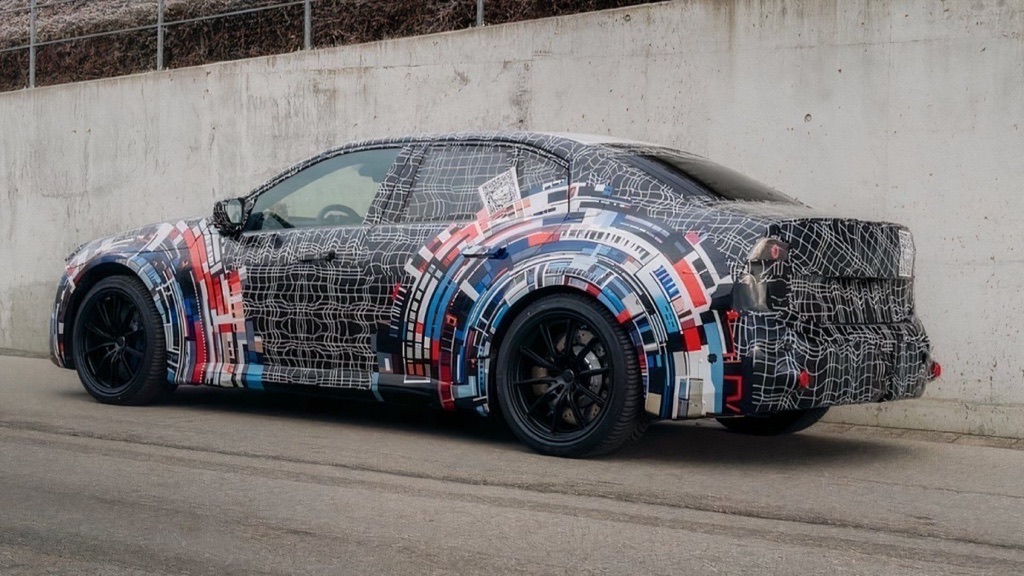
Battery and Chassis: Built for the Track
The M3’s battery exceeds 100 kWh usable capacity, with cylindrical cells (versus prismatic in prior EVs) for better heat management under track abuse. Adapted chemistry lowers internal resistance for higher peak discharge and regen thresholds, plus faster charging than standard Neue Klasse models. As a structural element linking axles, it boosts chassis rigidity.
Lightweight natural fibers replace some carbon parts for eco-gains without performance loss. Despite no exact weight, Gen6’s 10% reduction helps counter battery mass. Unanswered: precise capacity (108.7 kWh baseline?), range impact from extra motors, and motor tech (permanent magnet confirmed?).
Software and Driver Engagement
“Superbrains”—four streamlined control units—manage the system, reducing wiring complexity. M-specific software unlocks the benefits of AWD precision and RWD purity. BMW promises a “driving experience never achieved before” in production Ms, addressing fears of EVs feeling like appliances.
Comparison with Competitors
| Model | Power | Motors | Battery | 0-60 mph Est. | Key Edge |
|---|---|---|---|---|---|
| 2027 BMW M3 EV | >700 hp (est. ~1,000 hp) | Quad (per wheel) | >100 kWh | <3 sec (est.) | RWD mode, track battery |
| Tesla Model S Plaid | 1,020 hp | Tri-motor AWD | 100 kWh | 1.99 sec | Brute acceleration |
| Porsche Taycan Turbo GT | 1,019 hp | Dual-motor AWD | 105 kWh | 2.1 sec | Track pedigree |
| Hyundai Ioniq 5 N | 641 hp | Dual-motor AWD | 84 kWh | 3.4 sec | Simulated shifts |
The M3 stands out with per-wheel control and RWD option, potentially matching Plaid/Taycan speed while prioritizing track sustainability over straight-line sprints. Ioniq 5 N influences engagement tech but lags in power.
Verdict
The 2027 electric BMW M3 delivers on promises of massive power, individual wheel control, and selectable RWD in a track-optimized package—ideal for purists demanding M heritage in EV form. It suits track-day enthusiasts and sedan buyers seeking AWD grip with tail-happy dynamics, though unconfirmed power/range leaves room for skepticism. If BMW nails execution, it reclaims sports sedan supremacy; failure risks alienating fans amid heavy competition.