


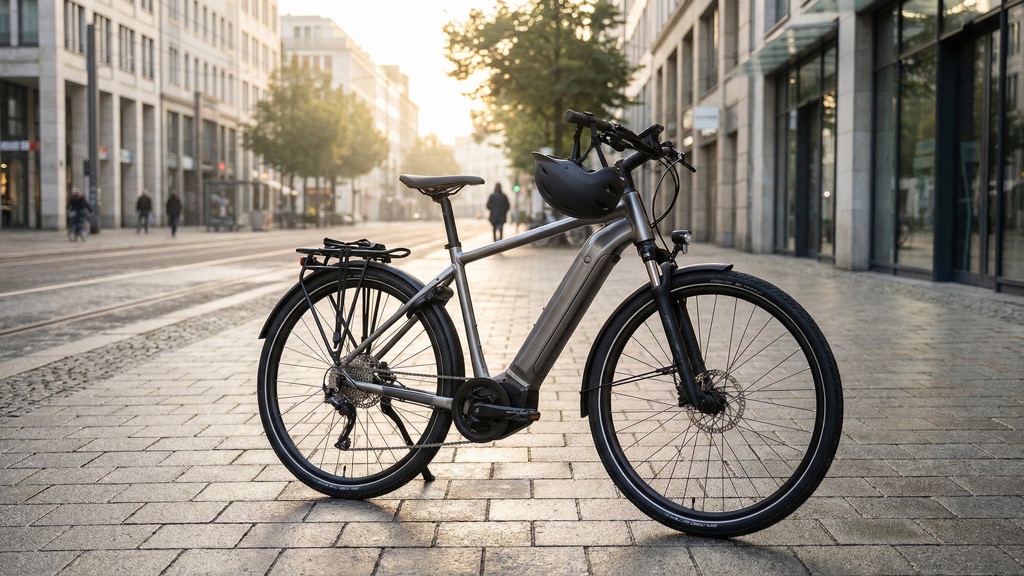
Most commuters overpay for power they will never use.
In 2026, electric bike marketing is louder than ever. Brands compete on torque numbers, range claims, and battery size. But daily commuting is not about peak specs.
It’s about:
- Smooth power delivery
- Reliable hill climbing
- Comfort over 10–30 km
- Long-term ownership costs
This review of the Giant Explore E+ is based on realistic commuter conditions:
- 85–100 kg rider
- 5 kg backpack or groceries
- 5–8% urban hills
- Mixed pavement
- Moderate wind
No laboratory fantasy numbers. Just a practical evaluation.
TL;DR
Best for: Daily commuting + light gravel + utility use
Motor: Mid-drive SyncDrive (Yamaha-based)
Torque: ~70 Nm (peak figure)
Battery: 500Wh or 625Wh
Real-world range: 50–90 km
Buy if: You want comfort, stability, and balanced pricing
Avoid if: You want 28 mph Class 3 speed or aggressive mountain climbing
Table of Contents
- What the Explore E+ Is (and Isn’t)
- Motor Performance: Real Hill Test
- Peak vs Continuous Torque (What Brands Don’t Explain)
- Battery, Range & Aging Reality
- Ride Comfort & Geometry
- Mid-Drive vs Hub Motor (Practical Differences)
- Explore E+ vs Trek Allant+ vs Turbo Vado
- Price & 5-Year Ownership Reality
- Decision Tree: Is This the Right Bike?
- 3 Common Buying Mistakes
- Who Should / Shouldn’t Buy
- FAQ
- Final Expert Verdict
What the Explore E+ Is (and Isn’t)
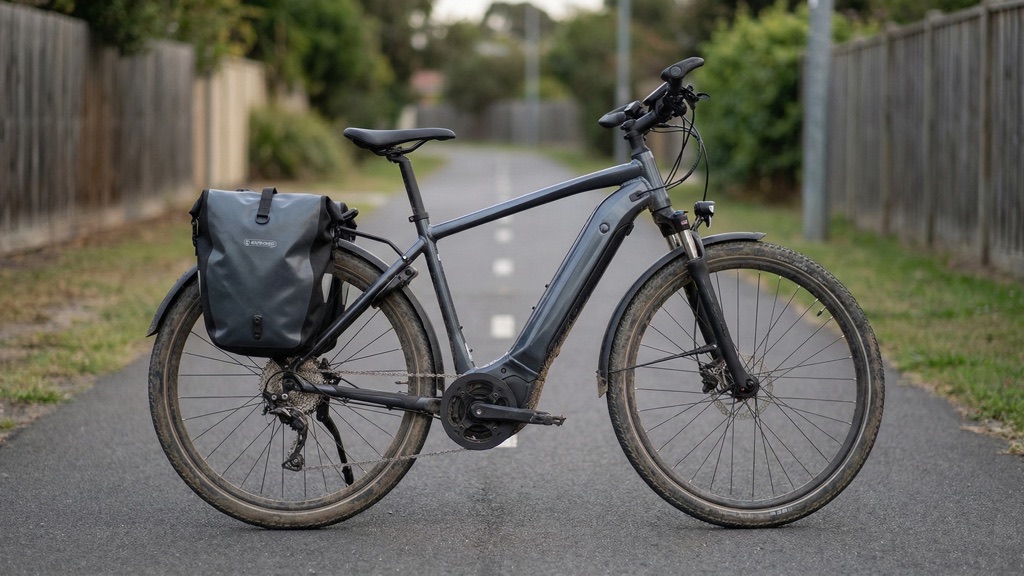
The Explore E+ is built by Giant Manufacturing, the world’s largest bicycle manufacturer. That scale matters for parts availability and dealer support.
This is a trekking-style commuter e-bike designed for:
- 10–30 km daily riding
- Moderate hills (5–8%)
- Grocery runs with panniers
- Weekend paved or light gravel paths
It is not:
- A lightweight urban e-bike
- A performance e-MTB
- A 28 mph (45 km/h) speed commuter
Typical 2026 Specs
| Feature | Giant Explore E+ |
|---|---|
| Motor | SyncDrive mid-drive |
| Torque | ~70 Nm (peak) |
| Nominal Power | 250W (EU spec) |
| Battery | 500Wh / 625Wh |
| Brakes | Hydraulic disc |
| Weight | 23–25 kg |
Motor Performance: Real Hill Test
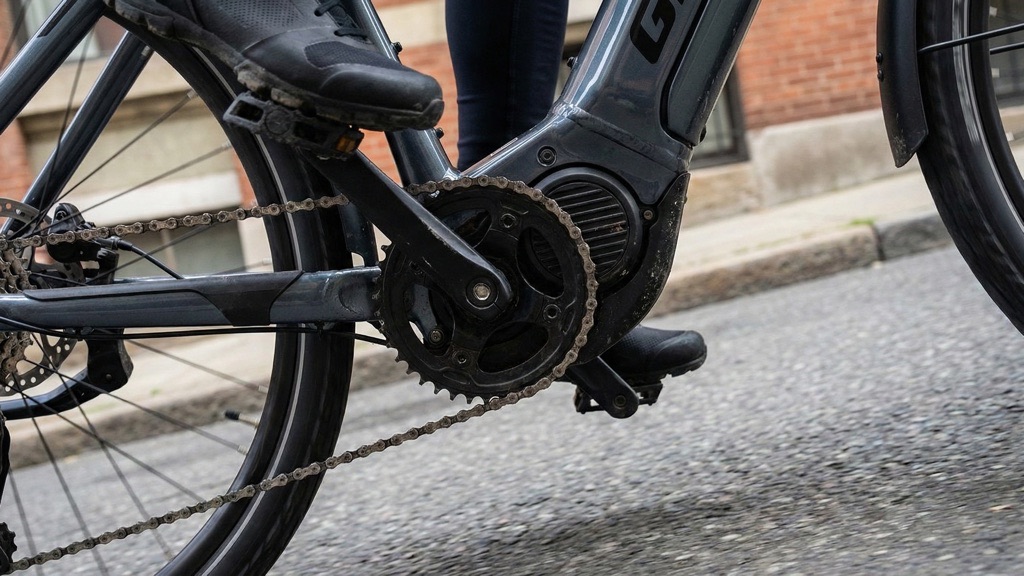
The SyncDrive motor is co-developed with Yamaha Motor Company.
Real-World Scenario
- Rider weight: 95 kg
- Cargo: 5 kg
- Hill: 6% gradient
- Distance: 2 km continuous climb
- Assist mode: Mixed
Result:
- Stable cadence climbing
- No noticeable power fade
- Smooth engagement
- Controlled low-speed handling
For typical city gradients (5–8%), 70 Nm is sufficient.
Peak vs Continuous Torque (Important)
Brands advertise peak torque numbers.
Peak torque is not sustained climbing output.
Continuous torque — what you actually feel during a long hill — is lower but stable. For commuter use, smooth delivery matters more than maximum torque spikes.
 Reviews
How Do Plug-In Hybrid Electric Cars Work?
Plug-in hybrid electric vehicles (PHEVs) combine the benefits of both electric and traditional gasoline powertrains. They use batteries to power...
 Reviews
Electric Vehicles in 2026: The Year ICE Cars Finally Start to Disappear
Introduction: A Defining Moment for the Global Auto Industry The year 2026 will be remembered as the moment when electric...
 Reviews
Dimentro DP-Pro Review — The World’s First Semi-Solid-State Battery E-Bike
Electric mobility evolves fast, but true breakthroughs are rare. The Dimentro DP-Pro changes the landscape instantly: it is the world’s...
This is why 70 Nm from a mid-drive can outperform higher-rated hub motors on hills.
When It May Feel Underpowered
- Rider above ~110 kg
- Sustained 10–12% gradients
- High-assist sprint riding
For normal commuting terrain, it performs confidently.
Battery & Real-World Range
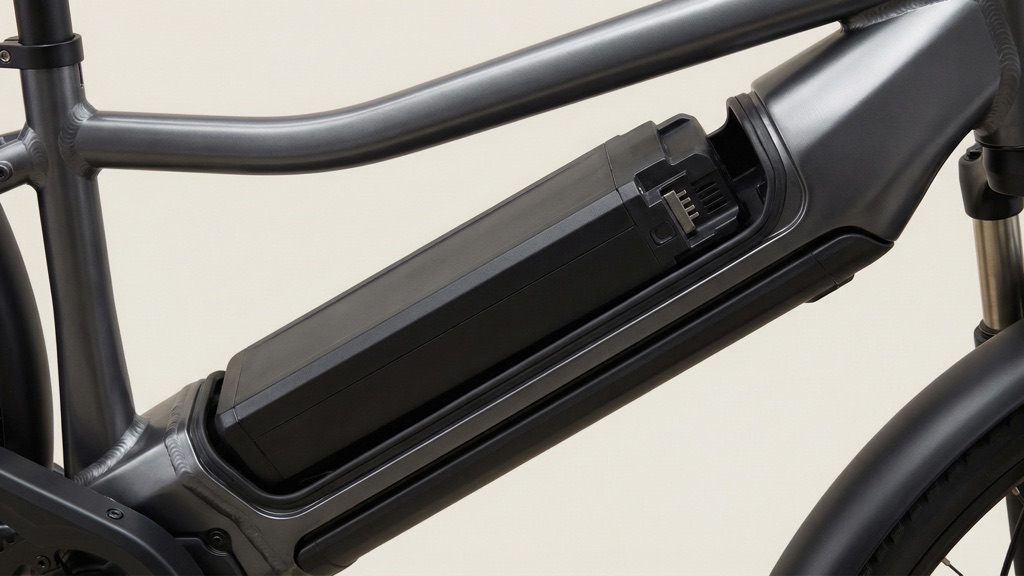
Battery size determines range, not marketing claims.
Realistic Range Estimates
| Riding Style | 500Wh | 625Wh |
|---|---|---|
| Eco mode | 70–90 km | 90–115 km |
| Mixed use | 50–70 km | 65–90 km |
| High assist | 35–50 km | 45–65 km |
Range depends on:
- Rider weight
- Wind
- Elevation
- Temperature (cold reduces 10–20%)
- Tire pressure
Ignore maximum advertised numbers unless riding flat in Eco mode.
Battery Aging & Longevity
The Explore E+ uses modern lithium-ion cells (commonly 18650 format).
Typical rating for quality e-bike batteries:
800–1,000 full charge cycles
That means gradual capacity reduction, not failure.
For a commuter riding 3–4 times weekly:
- ~10–15% reduction after 3 years
- ~15–25% reduction after 4–6 years
This is based on lithium-ion chemistry behavior, not a multi-year test of the 2026 model itself.
Replacement Cost (2026 Market)
Estimated battery replacement:
$700–900 USD (region dependent)
Comparable across this segment.
Ride Comfort & Geometry
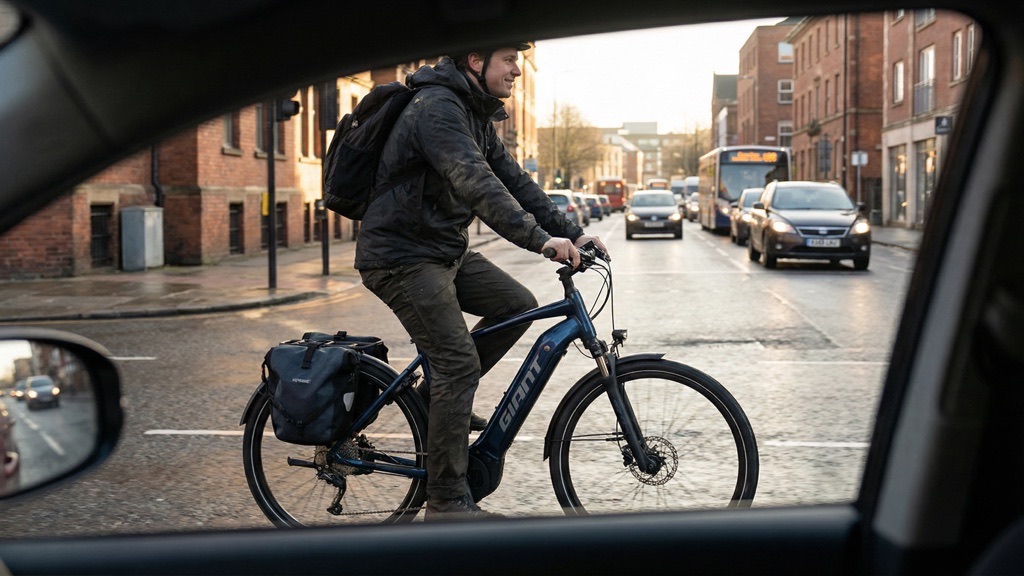
This is where the Explore E+ quietly excels.
Upright Position
- Reduced wrist strain
- Better visibility in traffic
- Comfortable for longer rides
Stability
- Balanced mid-drive placement
- Relaxed steering geometry
- Designed for rack and pannier loads
It feels planted rather than sporty.
Mid-Drive vs Hub Motor (Practical Differences)
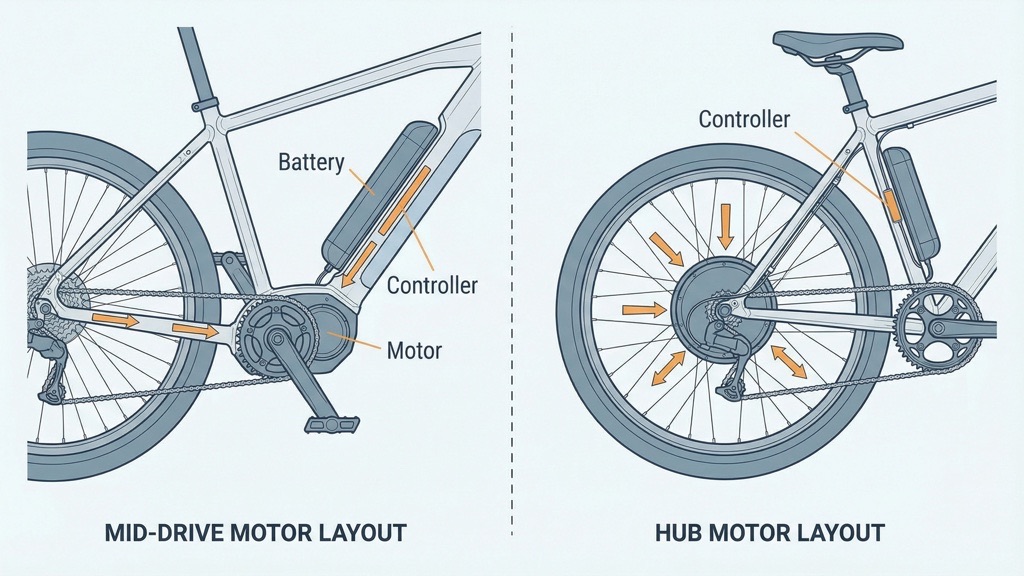
| Feature | Mid-Drive (Explore E+) | Hub Motor |
|---|---|---|
| Hill efficiency | High | Moderate |
| Weight balance | Centered | Rear-heavy |
| Drivetrain wear | Higher | Lower |
| Maintenance complexity | Slightly higher | Lower |
Mid-drive systems increase drivetrain wear because motor power passes through the chain and cassette.
That’s normal — and worth it for hill performance.
Explore E+ vs Competitors (2026)
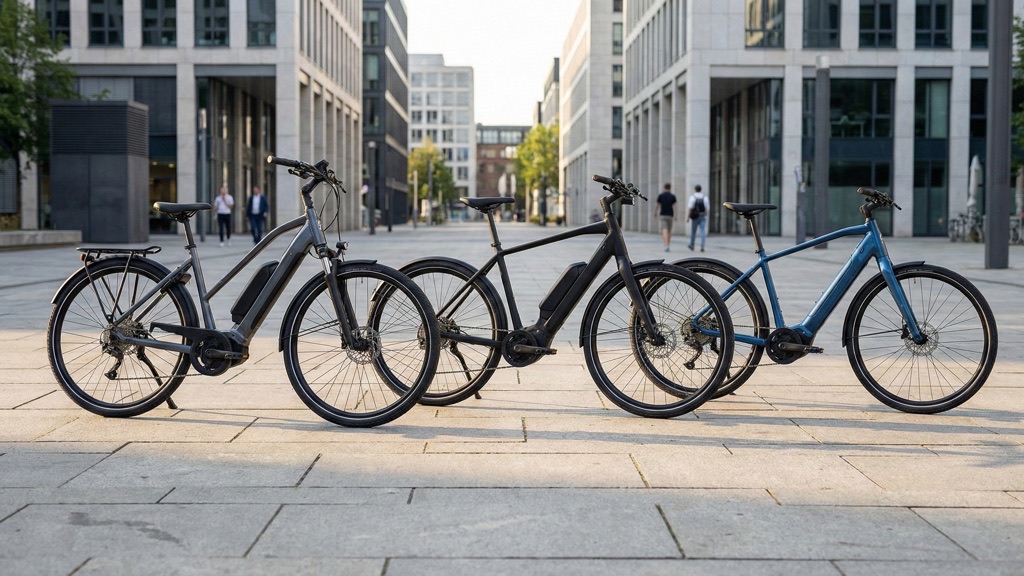
| Model | Torque | Battery | Weight | Price |
|---|---|---|---|---|
| Giant Explore E+ | 70 Nm | 500–625Wh | ~24 kg | $2,600–3,400 |
| Trek Allant+ | 75–85 Nm | 500–625Wh | ~23 kg | Higher |
| Specialized Turbo Vado | 70–90 Nm | 530–710Wh | ~24 kg | Higher |
Choose:
- Allant+ → If you want sportier acceleration
- Turbo Vado → If you want larger battery options
- Explore E+ → If you want comfort + value balance
Price & 5-Year Ownership Reality
Purchase price:
$2,600–3,400 USD
Expected 5-Year Costs
- Battery replacement (optional): ~$800
- Brake pads & chain wear: moderate
- Annual servicing: similar to a quality hybrid bike
Even including a battery replacement, long-term commuting costs remain significantly lower than car ownership.
Decision Tree: Is It Right for You?
- Mostly flat terrain → A hub motor could be sufficient
- Regular 5–8% hills → Explore E+ makes sense
- Need 28 mph speed → Look at Class 3 models
- Want aggressive trail riding → Consider an e-MTB
3 Common Buying Mistakes
- Choosing the highest torque number
- Believing maximum range claims
- Ignoring riding position comfort
For daily commuting, comfort and consistency matter more than peak performance.
Who Should Buy It?
✔ 10–30 km commuters
✔ Moderate hills (5–8%)
✔ Utility riders using racks
✔ Riders under ~110 kg
✔ Buyers prioritizing reliability
Who Should Not Buy It?
✖ 28 mph speed commuters
✖ 12%+ mountain climbs
✖ Performance-focused riders
✖ Budget under $2,000
Final Expert Verdict
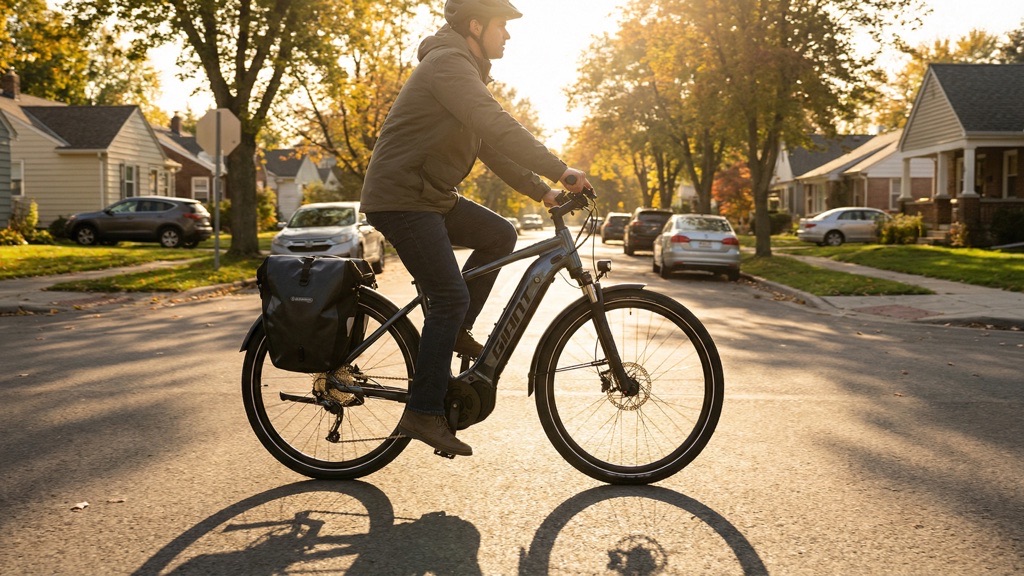
The Giant Explore E+ does not try to dominate spec sheets.
It focuses on:
- Smooth mid-drive delivery
- Stable, upright comfort
- Predictable hill performance
- Long-term practicality
It won’t impress friends with extreme torque numbers.
But it will get you to work every day without drama.
For most real commuters in 2026, that matters more than peak power.
It’s not flashy.
It’s rational.
And rational decisions age better.
FAQ
Is 70 Nm enough for hills?
Yes, for typical urban gradients up to 8%.
How long will the battery last?
Expect noticeable capacity reduction after 4–6 years under normal use.
Is it better than Trek Allant+?
Allant+ feels sportier. Explore E+ focuses more on comfort and price balance.
Can it replace a car?
For short to mid urban commutes, often yes.
You’re so awesome! I don’t believe I have read a single thing like that before. So great to find someone with some original thoughts on this topic. Really.. thank you for starting this up. This website is something that is needed on the internet, someone with a little originality!