
TL;DR
Tesla home charging is the single most important factor in long-term Tesla ownership economics.
Level 2 charging at home typically costs 2–4× less than public DC fast charging and adds 40–75 km of range per hour.
Installation costs range from $900 to $3,500+, depending on electrical infrastructure.
Without home charging, Tesla ownership becomes significantly more expensive and less convenient — especially in cold climates.
Introduction: Why Tesla Home Charging Determines Real Ownership Cost in 2026
In 2026, the biggest financial variable in Tesla ownership is not the purchase price. It is Tesla home charging.
While the Tesla Supercharger network remains the gold standard for road trips, daily reliance on DC fast charging can double energy costs and incrbattery stress battery stress.
For EV buyers, tech-focused drivers, and THome charging is infrastructure is infrastructure — not an accessory.
This guide covers:
- Tesla Wall Connector installation cost
- 5-year financial modeling
- AC vs DC battery impact
- LFP vs NCA charging strategy
- Electrical risk scenarios
- Winter ownership realities
- Competitor comparison
- Real-world ownership cases
What Tesla Home Charging Actually Means
Tesla vehicles that support home charging include:
- Tesla Model 3
- Tesla Model Y
- Tesla Model S
- Tesla Model X
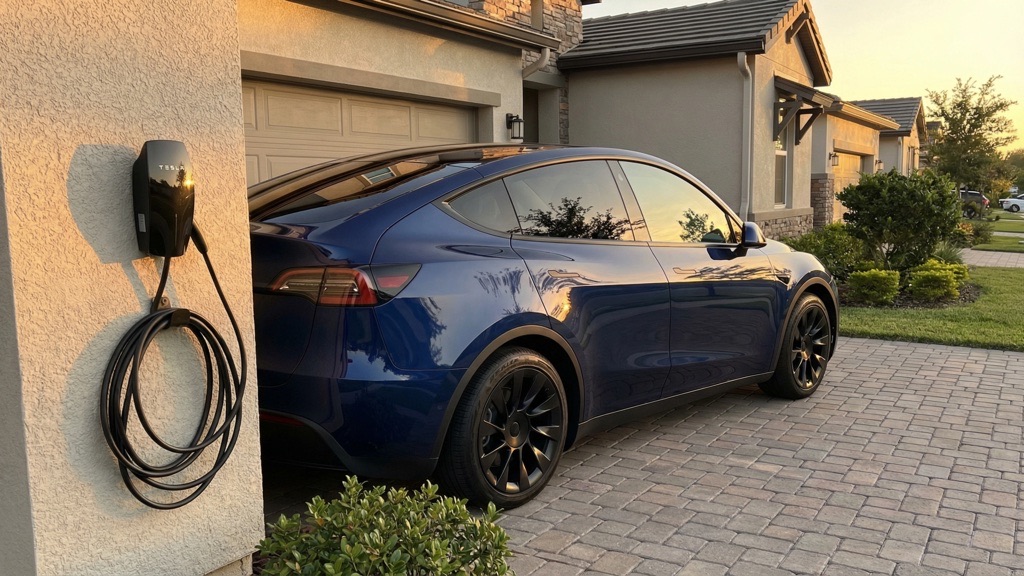
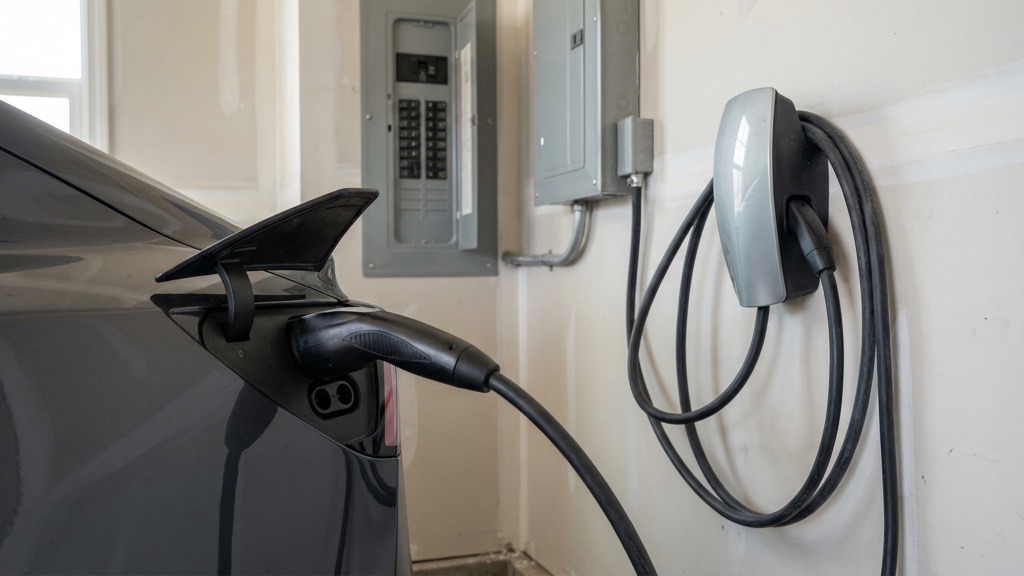
Home charging uses residential AC power via:
1. Tesla Wall Connector (Level 2)
- Hardwired
- Up to 48A (11.5 kW) in North America
- Up to 22 kW (3-phase) in Europe
- Wi-Fi enabled
- Dynamic load sharing
2. Tesla Mobile Connector
- 120V (Level 1)
- 240V adapter (lower amperage)
- Portable solution
Level 1 charging adds ~6–8 km per hour.
Level 2 adds 35–75 km per hour, depending on amperage.
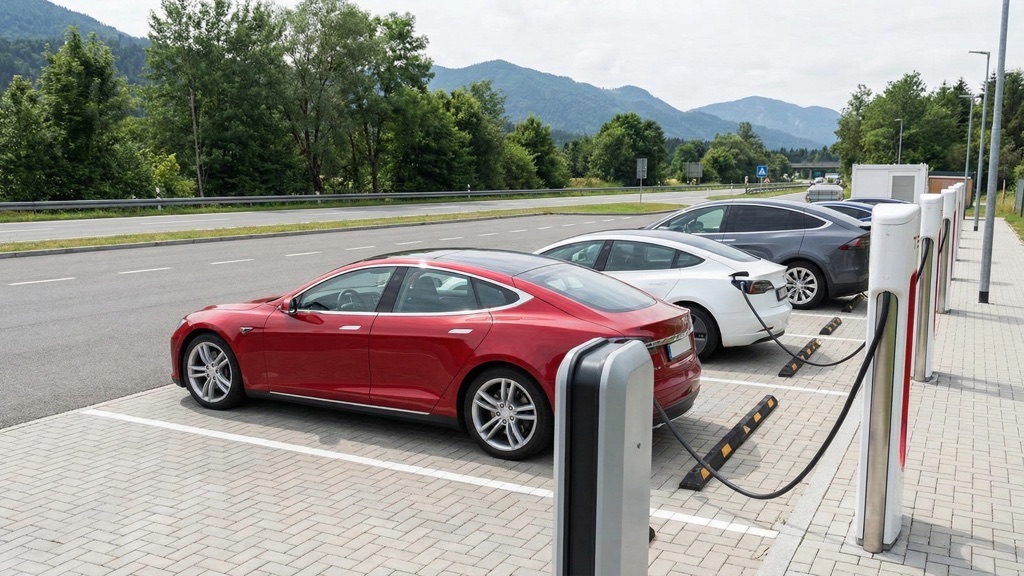
Tesla Home Charging vs Relying on Supercharging
| Factor | Home AC Charging | DC Supercharging |
|---|---|---|
| Cost per kWh | $0.12–0.28 | $0.30–0.45 |
| Cost per 100 km | $2–4.5 | $6–9 |
| Battery Stress | Low | Higher |
| Daily Convenience | Highest | Location dependent |
| Ideal Use | Daily charging | Road trips |
If you buy a Tesla without planning home charging, you are ignoring the single biggest ownership variable.
5-Year Financial Modeling
Assumptions:
- 20,000 km/year
- 18 kWh/100 km
- $0.15/kWh home
- $0.38/kWh DC fast
Annual Energy Use:
20,000 km × 18 kWh/100 km = 3,600 kWh
| Scenario | Annual Cost | 5-Year Cost |
|---|---|---|
| 90% Home Charging | ~$650 | ~$3,250 |
| 50/50 Split | ~$1,020 | ~$5,100 |
| 100% DC Fast | ~$1,368 | ~$6,840 |
Difference between 90% home and 100% DC:
~$3,600 over 5 years
 Reviews
RadRover vs Aventon Aventure (2026): Which Fat Tire E-Bike Should You Buy?
Two of the most searched fat-tire e-bikes in North America are the RadRover from Rad Power Bikes and the Aventure...
 Cars
Cars
Renault 5 EV Review (2026): Real-World Range, Charging & Verdict
TL;DR ✅ Buy Renault 5 EV if you want: Predictable real-world urban range, not brochure fantasy Compact size with excellent...
 Cars
Cars
Tesla Model 3 vs Polestar 2 (2026): Range, Charging, Price & Verdict
TL;DR Choose the Tesla Model 3 if you want maximum acceleration, the largest charging network, and the lowest starting price....
If installation costs $2,500, the ROI ≈ is 2.5–3 years.
Tesla Wall Connector Installation Cost Explained
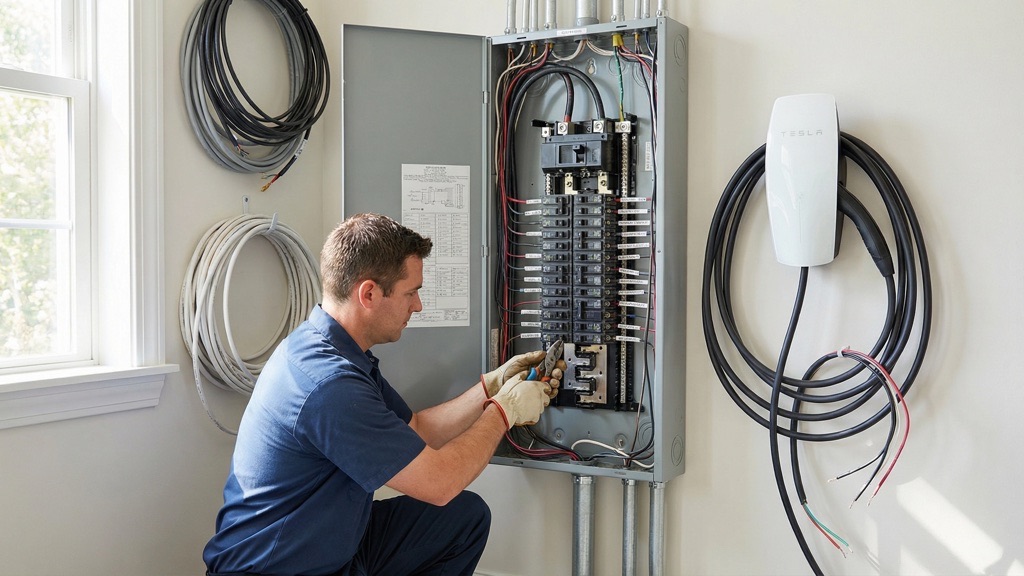
| Installation Type | Estimated Cost |
|---|---|
| Simple install (short run, 200A panel) | $900–1,200 |
| Moderate (long cable run) | $1,200–2,000 |
| Panel upgrade required | $2,500–3,500+ |
Real-World Case
Home with 100A service, HVAC + electric oven:
- Panel upgrade to 200A: $2,200
- Wall Connector install: $900
- Permit & inspection: $250
Total: $3,350
Electrical planning should be done before vehicle delivery.
Electrical Risk Matrix
| Home Type | Risk Level | Likely Cost |
|---|---|---|
| Modern home (200A) | Low | $900–1,500 |
| 100A panel | Medium | $1,200–3,000 |
| Apartment / HOA | High | Variable / Restricted |
| Detached garage far from the panel | Medium–High | +$500–1,500 |
Battery Chemistry: LFP vs NCA Charging Strategy
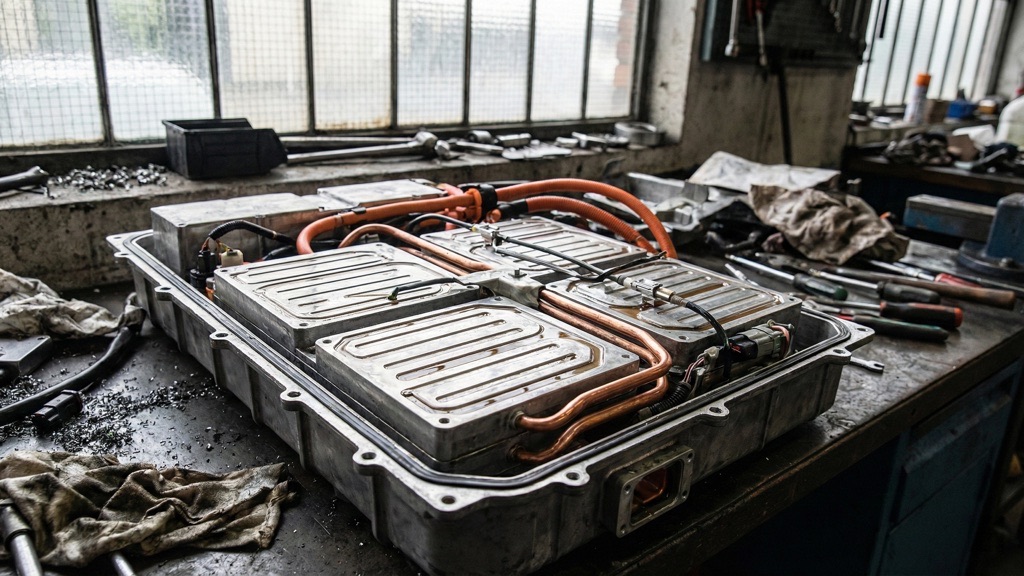
Not all Tesla batteries behave the same.
| Battery Type | Used In | Daily 100% Charging | Ideal Daily Limit |
|---|---|---|---|
| LFP | Some RWD variants | Acceptable | 100% weekly calibration |
| NCA/NCM | Long Range / Performance | Not ideal | 70–80% |
Frequent 100% charging on NCA/NCM increases chemical stress.
AC charging at 7–11 kW generates significantly less heat than 150–250 kW DC charging.
5-Year Degradation Scenarios
| Charging Pattern | Estimated Degradation (5 yrs) |
|---|---|
| 90% Home AC | 8–10% |
| 50% DC Reliance | 12–15% |
| 80% DC Reliance | 15–20% |
Tesla fleet data suggests average degradation ~10% at ~200,000 km under mixed use.
High DC reliance accelerates capacity fade.
Winter Ownership Reality
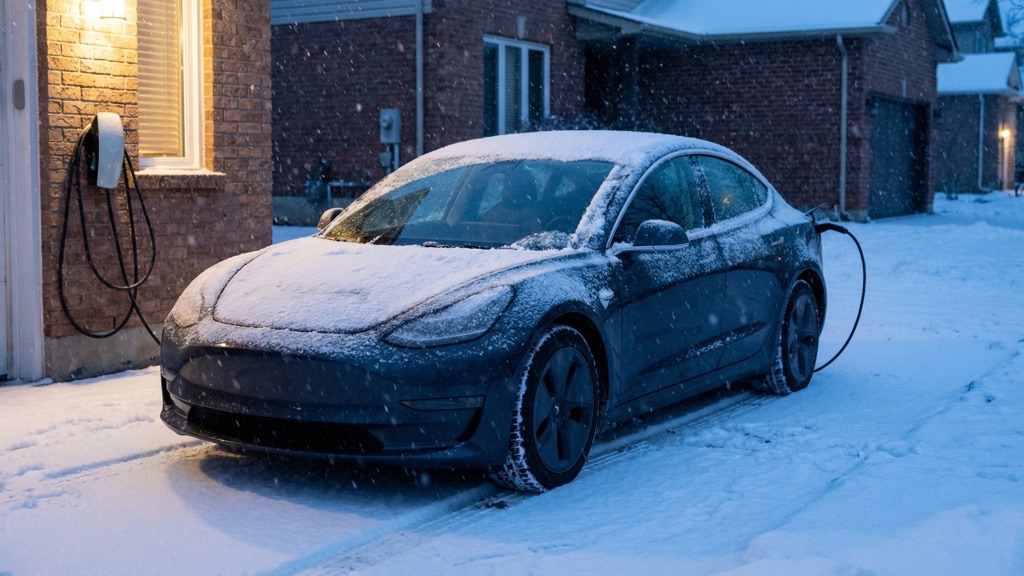
In -20°C conditions:
- Battery heating may draw 3–7 kW
- 20-minute preconditioning: 2–5 kWh
- Cold DC sessions charge more slowly without preheating
Home charging allows:
- Scheduled departure preconditioning
- Warm the battery before driving
- Reduced winter range anxiety
Without home charging, winter ownership becomes significantly less convenient.
Tesla Wall Connector vs Other Level 2 Chargers
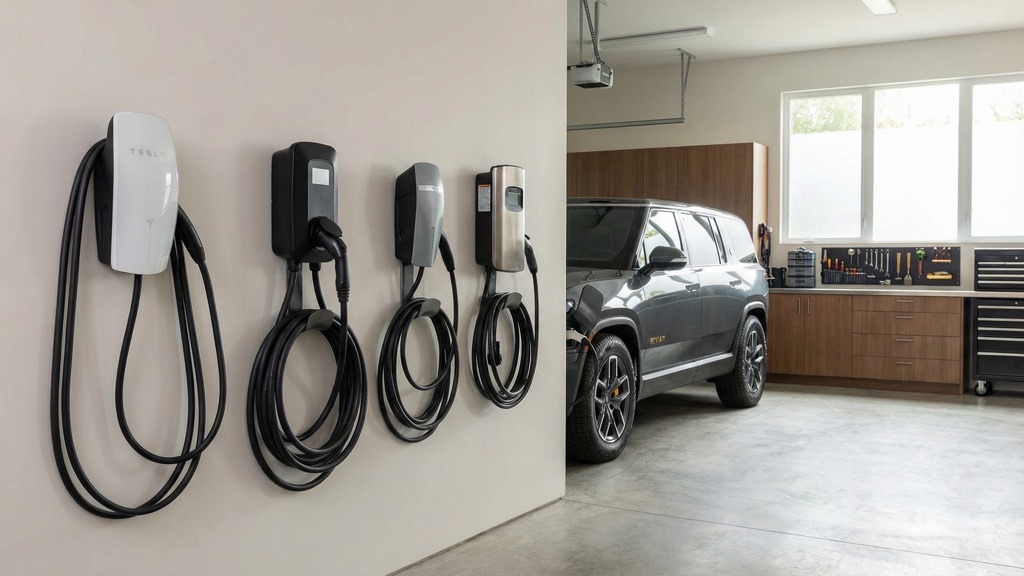
Alternatives include:
- ChargePoint Home Flex
- JuiceBox 40
- Emporia EV Charger
| Feature | Tesla Wall Connector | ChargePoint | JuiceBox | Emporia |
|---|---|---|---|---|
| Max Amps | 48A | 50A | 40A | 48A |
| Native Tesla Plug | Yes | No | No | No |
| Ecosystem Integration | Full | Separate app | Separate | Separate |
| Load Sharing | Yes | Limited | No | No |
| Price | Mid | High | Mid | Low |
Tesla’s advantage: seamless integration and native connector.
What Happens If You Rely 100% on DC Fast Charging?
- Higher annual cost
- More frequent peak pricing
- Increased thermal cycling
- Reduced long-term resale value perception
It is technically viable — financially suboptimal.
Real-World Ownership Experience
Daily Routine
- Plug in nightly
- Wake at 70–80%
- Zero detours
Common Mistakes
- Installing too far from the parking position
- Not future-proofing for the second EV
- Ignoring load calculations
- Underestimating winter cable stiffness
Who Should Install Tesla Home Charging?
Ideal Buyers
- 15,000–30,000 km annually
- Homeowners
- 3+ year ownership horizon
- Cold climate residents
- Off-peak electricity access
Who May Skip It
- <5,000 km/year drivers
- Free workplace charging access
- Short-term lease
Expert Insight
From a long-term ownership perspective, Tesla home charging is the dividing line between efficient EV ownership and compromised convenience.
Owners who rely primarily on home AC charging report:
- Lower energy costs
- Less battery anxiety
- Higher satisfaction
- More predictable monthly expenses
Those who depend heavily on public DC charging often underestimate cumulative cost and inconvenience.
Final Verdict
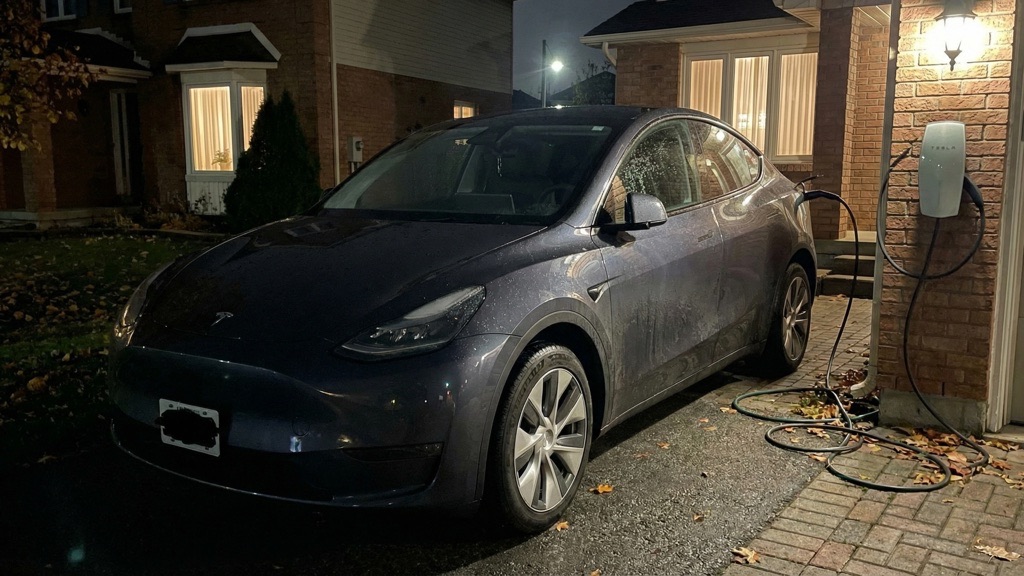
Tesla home charging is the foundation of cost-effective Tesla ownership in 2026.
For drivers exceeding 10,000–15,000 km per year, installing a Wall Connector typically:
- Pays for itself within 2–4 years
- Reduces long-term battery stress
- Maximizes winter usability
- Simplifies daily life
If you are serious about owning a Tesla long-term, Tesla home charging is not optional infrastructure — it is essential.
FAQ
Is Tesla home charging cheaper than Supercharging?
Yes. Tesla home charging typically costs 2–4× less per kWh than DC fast charging.
How much does Tesla home charging cost per month?
For 20,000 km/year, roughly $40–60/month depending on electricity rates.
Is 48-amp Tesla charging necessary?
Not always. 32A is sufficient for most daily commuters, but 48A future-proofs for higher usage.
Does Tesla home charging reduce battery wear?
Yes. Lower thermal stress compared to frequent DC fast charging reduces long-term degradation.
Do I need 200A electrical service?
Not always. Many homes operate safely with 100A using load management or lower amperage circuits.