
The Premium Commuter Benchmark — Or Just Expensive?
Introduction
In 2026, commuter e-bikes all promise the same things: more watts, more range, more speed. On spec sheets, a $2,000 hub motor bike can look close to a $3,800 premium mid-drive.
But real-world commuting exposes differences quickly.
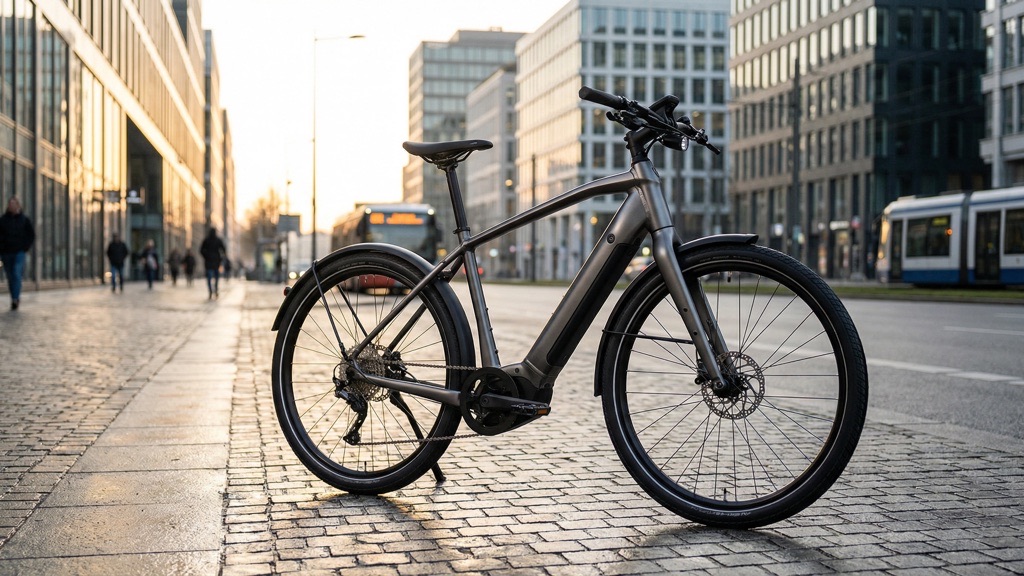
The Trek Allant+ is positioned as a premium urban platform built around Bosch mid-drive systems and long-term durability. This review breaks down how it performs in daily use: traffic starts, sustained hills, cold mornings, headwinds, and long 20–30 mile weeks.
If you’re trying to decide whether the Allant+ justifies its price, this guide will make the decision clear.
TL;DR — Quick Decision Block
Best for: Daily commuters riding 10–35 miles per day
Motor: Bosch mid-drive (65Nm or 85Nm)
Battery: 500Wh (standard) or 625Wh (extended range)
Real-world range: 25–75 miles, depending on mode
Speed: 20 mph (Allant+ 7/8) or 28 mph (8S)
Buy if: You value smooth power, stability, and long-term reliability
Avoid if: Budget under $2,000 or need lightweight portability
Table of Contents
- Model Comparison: 7 vs 8 vs 8S
- Motor Performance: What Torque Really Means
- Real-World Hill & Acceleration Analysis
- Battery & Range (Reality vs Marketing)
- Speed Classes Explained
- Ride Quality & Geometry
- Long-Term Ownership Costs
- What Most Reviews Don’t Tell You
- Who Should / Shouldn’t Buy
- FAQ
- Final Expert Verdict
1. Model Comparison — Which Allant+ Makes Sense?
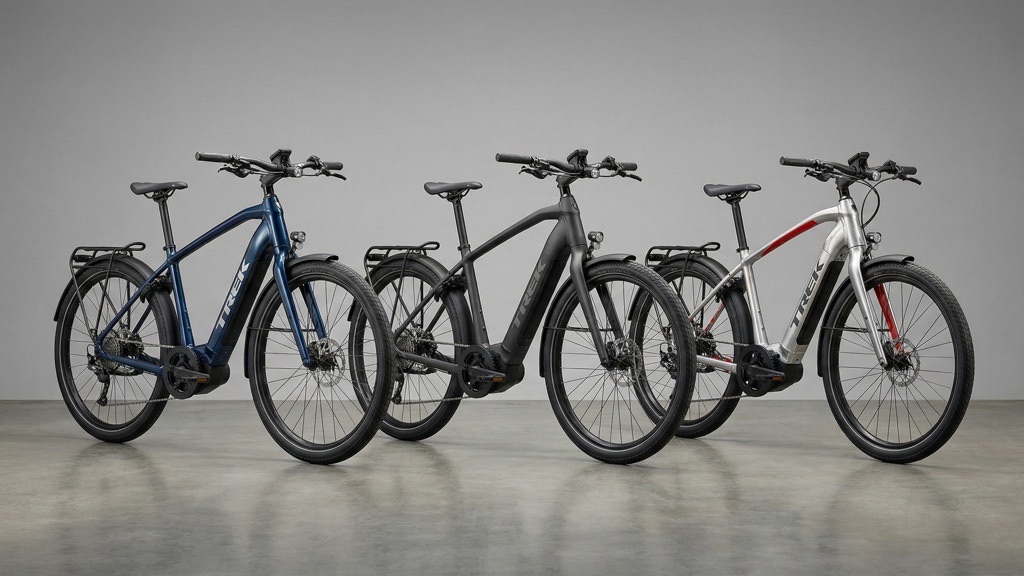
The Allant+ lineup includes three main versions.
Spec Breakdown
| Model | Motor | Torque | Battery | Max Assist | Weight | Price (USD) |
|---|---|---|---|---|---|---|
| Allant+ 7 | Bosch Performance Line | 65Nm | 500Wh | 20 mph | ~52 lbs | ~$2,800 |
| Allant+ 8 | Bosch Performance Line CX | 85Nm | 625Wh | 20 mph | ~53 lbs | ~$3,500 |
| Allant+ 8S | Bosch Performance Line Speed | 85Nm | 625Wh | 28 mph | ~54–55 lbs | ~$3,800–4,000 |
Decision Shortcut
- Flat city, <12 miles daily → Allant+ 7
- Hills or 15–25 mile rides → Allant+ 8
- Long open-road commuting → 8S
If you’re riding less than 8 miles per day on flat terrain, the Allant+ may be overbuilt for your needs.
2. MoBosch mid-drive motors instead of rear hub motors0W
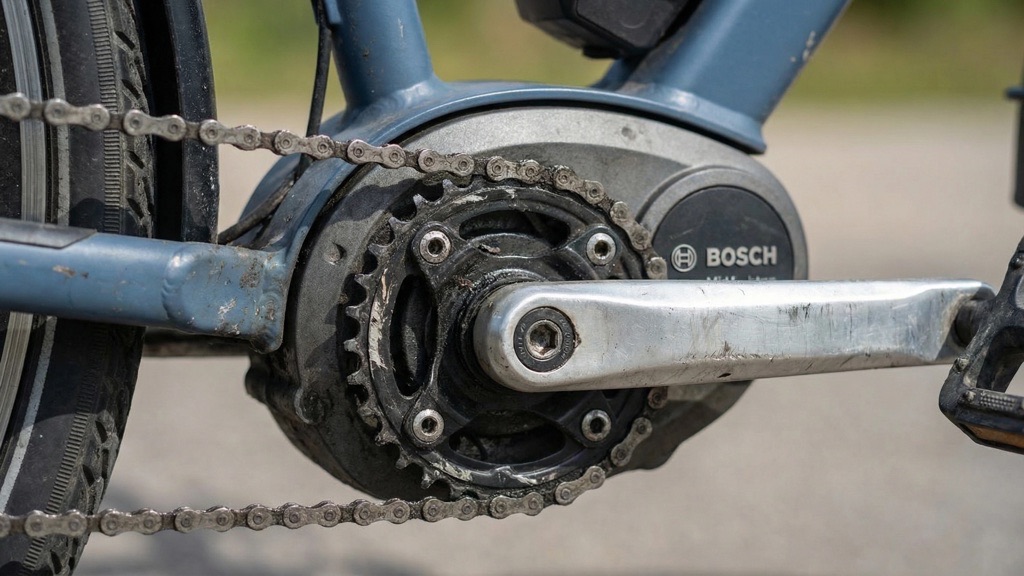
The Allant+ uses Bosch mid-drive motors instead of rear hub motors.
Mid-Drive vs Typical 750W Hub Motor
| Category | Bosch 85Nm Mid-Drive | 750W Hub Motor |
|---|---|---|
| Hill climbing | Excellent | Good |
| Gear usage | Uses drivetrain | Direct drive |
| Weight balance | Centered | Rear-heavy |
| Acceleration | Progressive | Aggressive start |
| Efficiency | Higher | Lower |
| Ride feel | Natural | Push sensation |
Why This Matters
Mid-drives multiply torque through gears.
That means:
- Better steep hill efficiency
- Lower motor strain
- More controlled acceleration
Real Hill Scenario (Urban Test)
On a 7–9% grade:
- 65Nm version climbs steadily in mid gears
- 85Nm version maintains a higher cadence with less rider strain
- Hub motors often heat up faster under sustained load
For cities with real elevation, 85Nm is worth it.
3. Acceleration & Traffic Behavior
Urban commuting is not about top speed.
It’s about:
- Smooth launches
- Predictable response
- No sudden surges
Bosch torque sensors detect pedal force, not just movement.
 Cars
Cars
Tesla Model Y vs BYD Song Plus EV (2026): Range, Charging, Price & Verdict
TL;DR Choose the Tesla Model Y if you want global Autopilot capability, superior charging infrastructure, and proven long-term reliability. Choose...
 Reviews
Is Buying a Used Electric Car Worth It in Europe?
From 2023 to 2025, Europe experienced the sharpest correction in EV prices in modern automotive history. Lease returns peaked in...
 Reviews
2024 Ford Mustang Mach E Rally: The Ultimate Electric Off-Road Crossover
The new 2024 Ford Mustang Mach E Rally is no mere show pony – it’s a seriously capable electric off-road...
Result:
- No jerky starts
- Controlled power at intersections
- Lower fatigue over long rides
This refinement is what separates premium mid-drives from entry-level systems.
4. Battery & Real-World Range
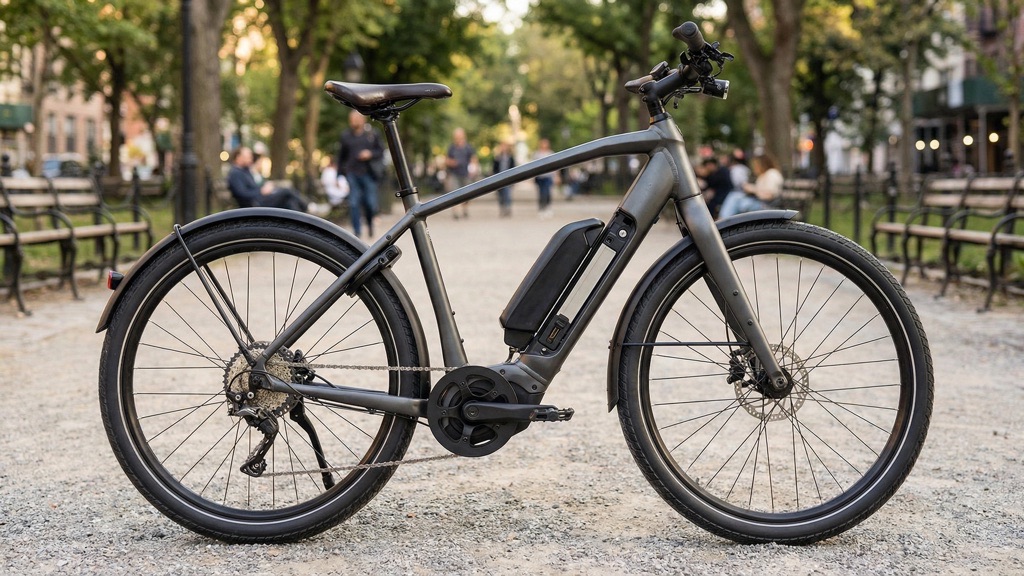
500Wh vs 625Wh Explained
Wh = energy capacity.
More Wh = more range — but only if you manage assist levels.
Realistic Range Table
| Battery | Eco | Tour | Sport | Turbo |
|---|---|---|---|---|
| 500Wh | 45–60 mi | 30–45 mi | 25–35 mi | 20–30 mi |
| 625Wh | 60–75 mi | 40–60 mi | 30–45 mi | 25–40 mi |
What Reduces Range
- Cold weather (below 40°F)
- Strong headwind
- High assist mode
- Heavy rider + cargo
- Stop-and-go traffic
Claims above 90 miles usually assume ideal lab conditions.
Battery Degradation (3–5 Year Reality)
Lithium-ion batteries typically lose:
- ~10% capacity after 2–3 years
- ~20–30% after 4–5 years (heavy use)
Replacement cost estimate (2026 market):
$700–$1,000 depending on capacity.
Plan for this in the long-term ownership cost.
5. Speed Classes Explained
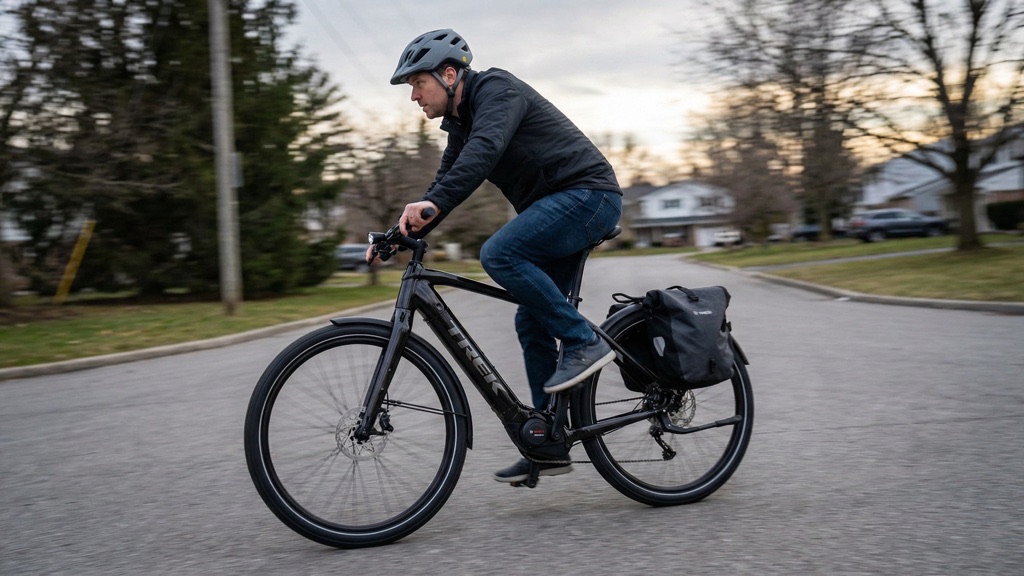
| Class | Max Assist | Where Allowed |
|---|---|---|
| Class 1 | 20 mph | Most bike paths |
| Class 3 | 28 mph | Roads, limited path access |
The Allant+ 8S is Class 3.
Important: Local regulations vary. Always check your city rules.
6. Ride Quality & Geometry
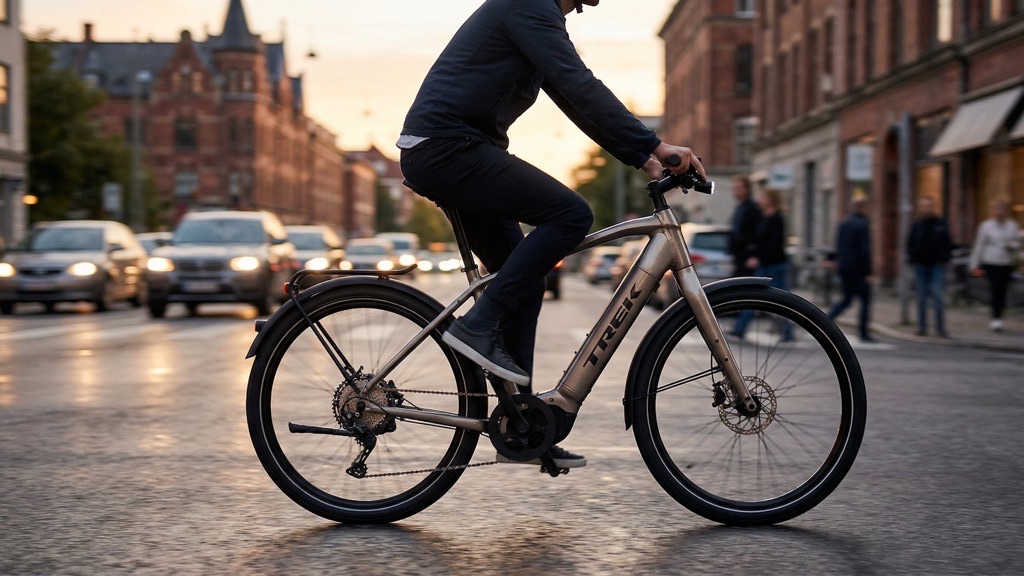
The Allant+ prioritizes stability over sportiness.
Key traits:
- Upright but efficient position
- Stable at 28 mph
- Wide tires for comfort
- Firm but controlled frame stiffness
It feels planted — not twitchy.
However:
- 50–55 lbs in weight
- Not stair-friendly
- Not designed for aggressive trail riding
It’s built for transportation.
7. Long-Term Ownership Costs (Realistic Estimate)
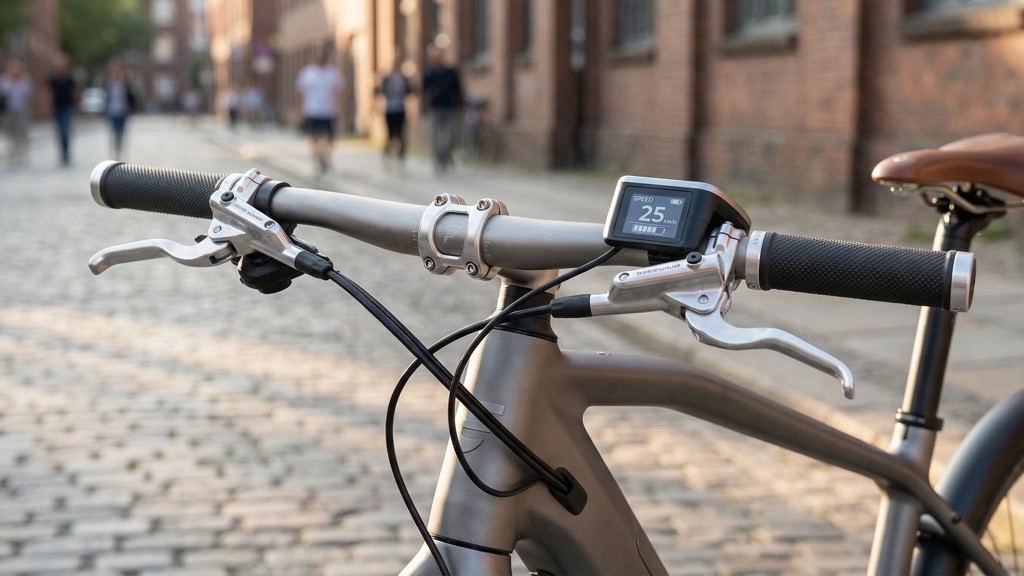
3-Year Ownership Estimate (Moderate Use):
| Item | Estimated Cost |
|---|---|
| Routine maintenance | $300–$500 |
| Brake pads/rotors | $150–$300 |
| Drivetrain wear | $200–$400 |
| Battery depreciation | $200–$400 equivalent value |
| Total (3 yrs approx.) | $850–$1,600 |
Mid-drives increase drivetrain wear compared to hub motors.
This is normal — and worth factoring in.
8. What Most Reviews Don’t Tell You
1. Drivetrain Wear
Mid-drives stress chains and cassettes more.
Expect replacements sooner if riding in Turbo frequently.
2. Thermal Performance
Bosch systems manage heat efficiently under sustained climbing.
Hub motors often reduce output when overheated.
3. Software Ecosystem
Bosch provides:
- Diagnostic tools
- Dealer network support
- Firmware updates
This adds long-term reliability value.
9. Who Should Buy the Trek Allant+
Ideal For:
- 10–35-mile daily commuters
- Riders in hilly cities
- Car replacement for short trips
- Riders valuing refinement over raw power
Not Ideal For:
- Under $2,000 budgets
- Mountain trail riders
- Apartment dwellers carrying upstairs daily
- Riders under 5 miles per day on flat terrain
Final Expert Verdict
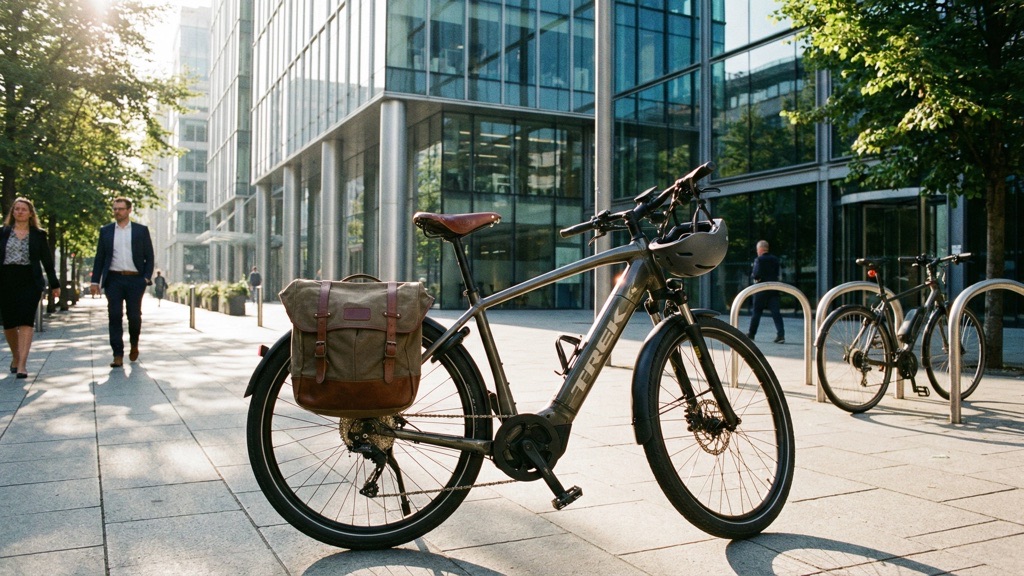
The Trek Allant+ is not built to win spec-sheet wars.
It’s built to:
- Start smoothly
- Climb confidently
- Ride stably at speed
- Last for years
If your commute is serious and regular, the Allant+ earns its price.
If you ride occasionally, short distances, and want maximum power per dollar, cheaper hub bikes exist.
But for refined, daily urban performance in 2026, the Allant+ remains one of the most balanced premium commuter platforms available.
FAQ
Is Trek Allant+ worth it?
Yes — for daily commuting and hilly cities. It offers refined motor control, stability, and long-term reliability that cheaper hub bikes often lack.
How far can it go on one charge?
25–75 miles depending on battery size, assist level, terrain, and rider weight.
Is 85Nm enough for steep hills?
Yes. For urban hills up to ~10% grade, 85Nm is more than sufficient with proper gearing.
How long does the battery last?
Typically 3–5 years before noticeable capacity reduction.
Is the 8S too fast?
Not for road commuting. At 28 mph, proper braking and awareness are essential.