
From 2023 to 2025, Europe experienced the sharpest correction in EV prices in modern automotive history.
Lease returns peaked in markets like the Netherlands and Germany. Aggressive new-car price cuts — especially from Tesla — reset residual values across the industry. Chinese brands increased pressure. Demand cooled. Supply didn’t.
Used EV prices dropped 20–35% from their 2023 highs in several EU markets.
That created something rare in the car industry:
A structural buyer’s market.
But here’s the part most people miss:
Not every used EV benefits equally from this correction. Some are exceptionally long-term buys. Others are short-term bargains with long-term compromises.
If you’re actively deciding whether to buy a used electric car in Europe in 2026, this is the clear, financially grounded answer.
⚡ QUICK VERDICT
Best for:
Homeowners with charging access driving 10,000–20,000 km/year
Not recommended for:
High-mileage motorway drivers without home charging
Real-world range (smart segment 2020–2022 EVs):
300–420 km
Biggest advantage:
€5,000–€8,000 lower 5-year ownership cost vs diesel
Main drawback:
Older charging curves and slower peak DC speeds
Overall rating (Used EV Europe 2026): 9.4 / 10
Yes — for the right buyer, a used EV in Europe is now financially superior to a comparable diesel.
📊 KEY SPECIFICATIONS (2020–2022 Used EV Sweet Spot)
| Specification | Value |
|---|---|
| Battery capacity | 58–77 kWh |
| Real-world range | 300–420 km |
| WLTP range | 350–520 km |
| DC fast charging | 100–170 kW peak |
| 0–100 km/h | 6.5–8.5 sec |
| Drivetrain | FWD / RWD |
| Starting price (EU) | €18,000–€28,000 |
This is the segment where depreciation already happened, but usability is still fully modern.
🚗 REAL-WORLD DRIVING EXPERIENCE
City Efficiency
Modern 60+ kWh EVs average:
- 13–16 kWh/100 km urban
- Near-silent operation
- Immediate torque
Compared to diesel, refinement isn’t marginal — it’s transformative.
Highway Behavior
Here’s where expert buyers separate from impulse buyers.
Peak vs Real Charging Speed
A car rated at 150 kW peak doesn’t necessarily charge faster than one rated at 120 kW.
What matters is:
- Charging curve stability
- Thermal management
- State-of-charge taper behavior
For example:
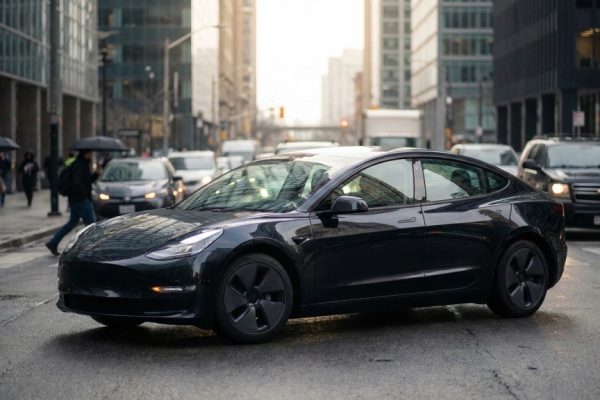
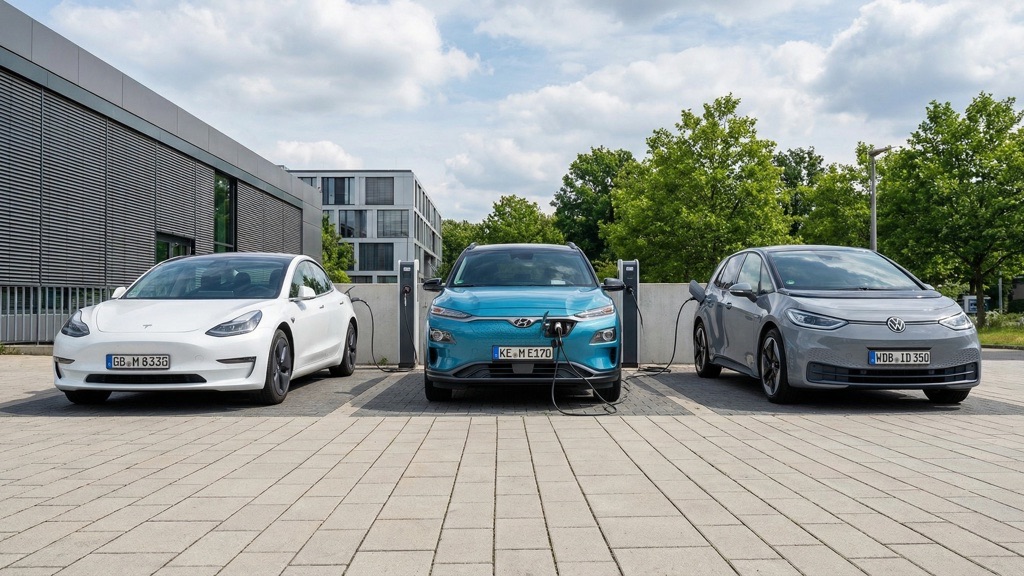
- Tesla Model 3 maintains high average speeds.
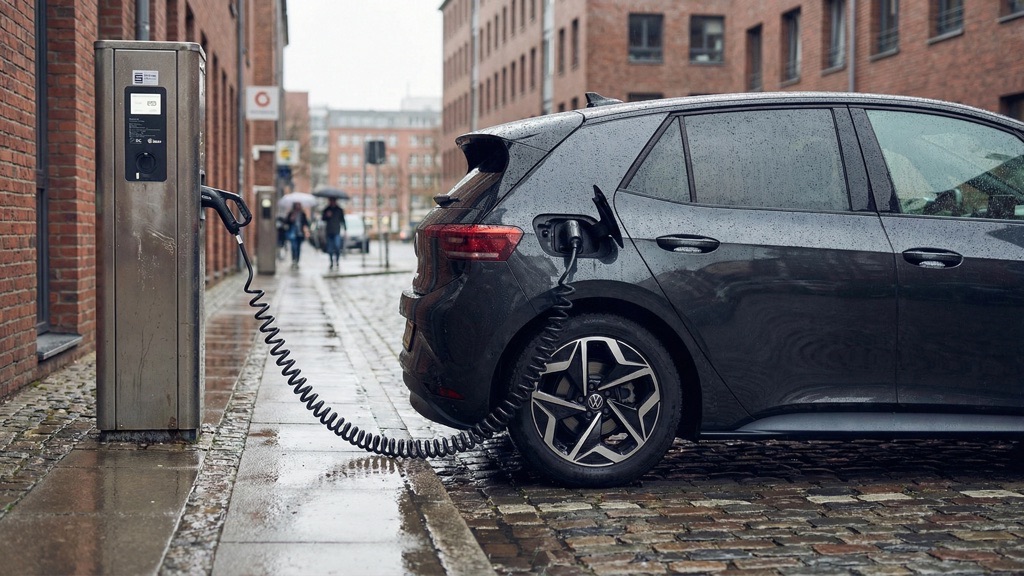
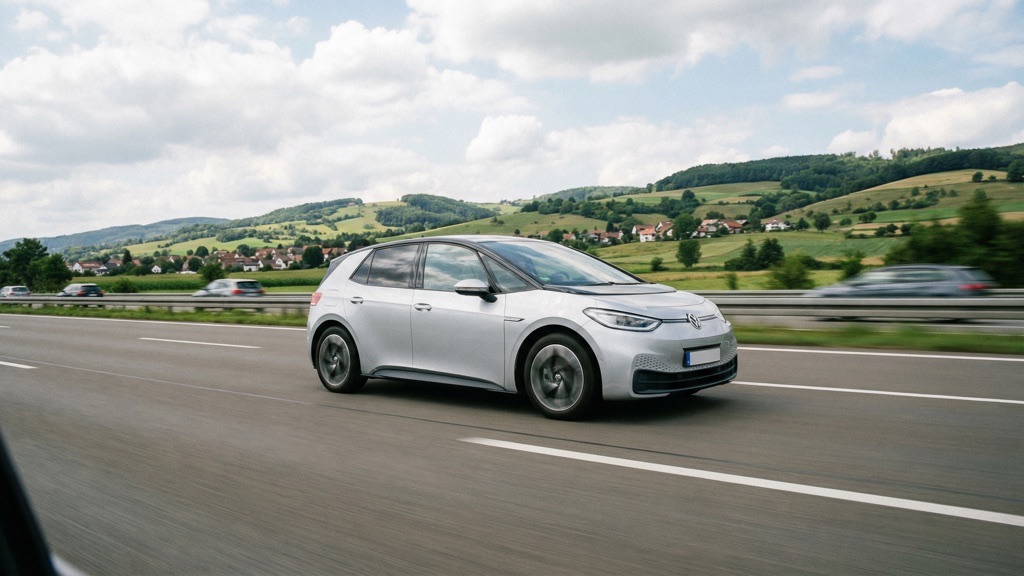
- Volkswagen ID.3 improved significantly via software updates.
- Hyundai Kona Electric peaks lower (77 kW) but remains efficient.
On real motorway trips:
- 120–150 kW capable cars: 25–35 min stops
- 50 kW-limited cars: 45–60 min stops
That difference defines long-distance usability.
🔋 BATTERY DEGRADATION: WHAT REALLY MATTERS
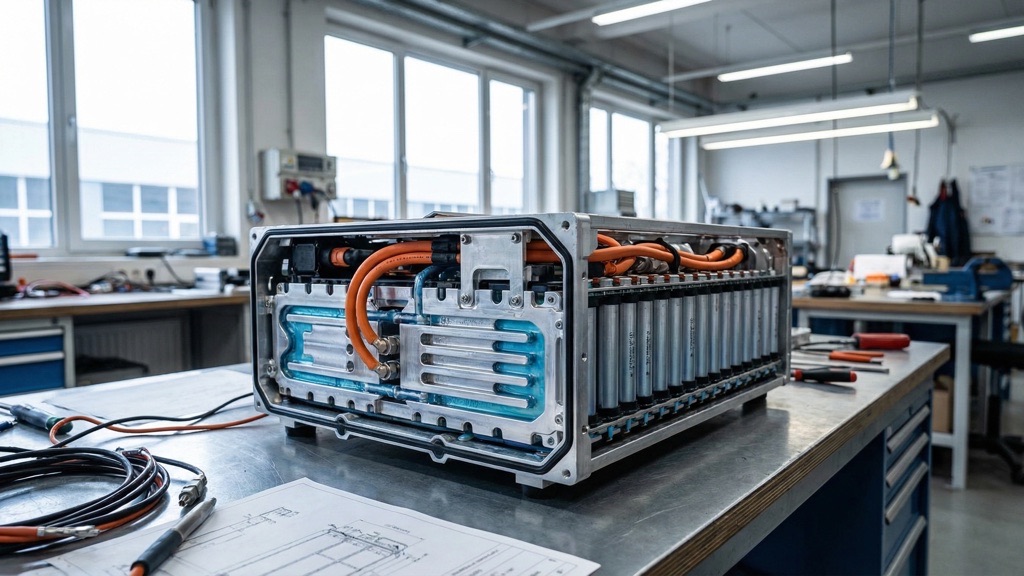
Battery fear remains the biggest psychological barrier.
Here’s the reality:
- Most 2020+ liquid-cooled EVs lose 5–10% capacity by 100,000 km
- Degradation slows significantly afterward
- 80–90% capacity after 8 years is common
LFP vs NMC
- LFP (Lithium Iron Phosphate): More cycle-stable, slightly lower energy density
- NMC (Nickel Manganese Cobalt): Higher density, slightly faster early degradation
Thermal management matters more than chemistry.
Early air-cooled packs? Riskier.
Modern liquid-cooled systems? Low structural risk.
Battery warranty (typically 8 years / 160,000 km) still applies to many 2020–2022 vehicles.
🧠 DECISION TREE: SHOULD YOU BUY?
Step 1: Home Charging?
- ✅ Yes → Continue
- ❌ No → Proceed only if a cheap workplace AC is available
Step 2: Annual Mileage?
- <20,000 km → Strong buy
- 20–30,000 km → Choose efficient 60+ kWh model
- 30,000+ km motorway → Consider newest tech only
Step 3: Battery Size?
- <40 kWh → City-only
- 58–64 kWh → Best value
- 75+ kWh → Future-proof choice
If you pass Steps 1 and 2 — probability of financial advantage is high.
💰 FULL FINANCIAL BREAKDOWN (5-Year Ownership)
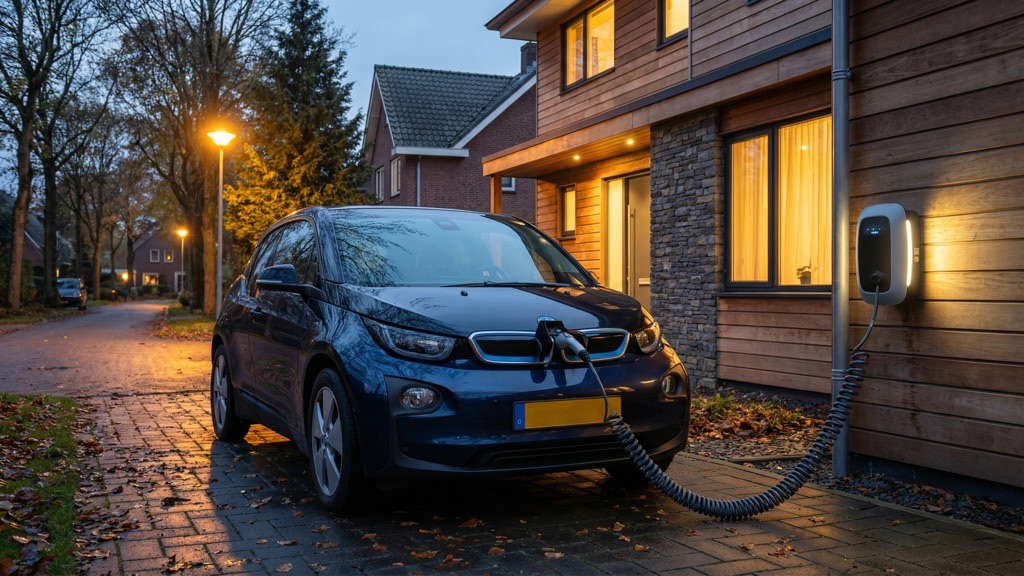
Assumptions:
 Reviews
E-Bike vs Regular Bike: Is It Worth It in 2026?
Choosing between an electric bike and a regular bicycle sounds simple — until you actually try to decide. In 2026,...
 Cars
Cars
Top 10 Used Electric Cars Under $15,000 (2026 Guide)
TL;DR — Quick Answer If you want the best overall used EV under $15,000 in 2026, buy the Chevrolet Bolt...
 Reviews
Tesla Cybertruck Problems: Advantages, Risks and What Buyers Must Know in 2026
TL;DR Tesla Cybertruck problems in 2026 are largely early-production quality issues, repair cost complexity, and first-generation software calibration — not...
- 15,000 km/year
- Electricity: €0.30/kWh
- Diesel: €1.80/L
- Diesel consumption: 6 L/100 km
- EV consumption: 17 kWh/100 km
Energy Cost Comparison
| Type | Cost per 100 km | Annual Cost |
|---|---|---|
| Used EV (home) | €5.10 | €765 |
| Diesel | €10.80 | €1,620 |
Annual savings: €855
5-year savings: €4,275
📊 MEGA TCO TABLE (5 YEARS, €22K PURCHASE)
| Category | Used EV | Used Diesel |
|---|---|---|
| Purchase | €22,000 | €22,000 |
| Fuel/Energy | €3,825 | €8,100 |
| Maintenance | €2,000 | €4,500 |
| Tax | Low / often zero | Moderate |
| Total 5-Year Cost | ~€27,825 | ~€34,600 |
Advantage: ~€6,775
And that’s before considering:
- Urban low-emission zones
- Future diesel taxation risk
- Brake replacement frequency
🌍 COUNTRY-SPECIFIC REALITY
Germany
High electricity costs, but a dense fast charging network.
Netherlands
Strongest used EV supply due to the leasing culture.
France
Incentives on new EVs influence used pricing.
Spain / Italy
Infrastructure improving — home charging critical.
Market conditions vary — but financial logic remains similar.
⚠️ REAL-WORLD OWNERSHIP PAIN POINTS
Honest view:
- Insurance premiums rising in some EU countries
- Public DC charging expensive (€0.50–€0.75/kWh)
- Early software glitches (notably first-year ID models)
- Winter range loss of 15–25%
- Residual values are still adjusting
Used EV ownership isn’t perfect, but structurally lower maintenance risk than diesel.
⏳ IS 2026 THE RIGHT TIME TO BUY?
Yes.
Supply of 3–5 year old EVs remains high.
Demand has normalized post-subsidy boom.
Price correction already happened.
Waiting may save marginally more upfront, but operational savings already justify ownership.
⚖️ COMPETITOR COMPARISON
| Model | Range | Charging | Price | Key Difference |
|---|---|---|---|---|
| Tesla Model 3 | 350–420 km | 170 kW | €23–28k | Superior charging network |
| Hyundai Kona Electric | ~350 km | 77 kW | €19–24k | Excellent efficiency |
| Volkswagen ID.3 | 320–380 km | 120 kW | €18–23k | Balanced European option |
Best overall value: 58–64 kWh battery + 100+ kW DC charging.
👍 PROS & 👎 CONS
👍 Pros
- Significant depreciation advantage
- Lower 5-year ownership cost
- Smooth, premium driving feel
- Fewer mechanical failure points
- Many still under battery warranty
👎 Cons
- Charging speed gap vs 2024–2025 EVs
- Public DC pricing reduces savings
- Winter range impact
- Residual volatility
- Software aging in some brands
🧠 FINAL EXPERT VERDICT
🔹 SHORT VERDICT
Buy — if you have home charging and choose a 2020+ 60+ kWh EV.
Skip early small-battery models unless extremely cheap.
🔹 DETAILED VERDICT
From an industry standpoint, 2026 represents a structurally strong entry point into used EV ownership in Europe.
Depreciation has already occurred.
Battery reliability data is mature.
Infrastructure is stable in Western Europe.
Ideal buyer:
- Suburban homeowner
- 12,000–20,000 km annually
- Plans to keep vehicle 4–6 years
Long-term outlook:
Operational savings remain structural.
Battery replacement risk remains statistically low.
Diesel regulatory risk continues rising.
For most rational buyers with charging access, used EVs are no longer experimental — they’re economically logical.
TL;DR
Yes — buying a used electric car in Europe in 2026 is worth it.
Choose:
- 2020–2022 model
- 58–77 kWh battery
- 100+ kW charging
- Home charging access
Expect €5,000–€7,000 savings over 5 years vs diesel.
FAQ
Are electric cars reliable in Europe?
Yes — especially 2020+ models with liquid-cooled battery systems.
Modern EVs have:
- Fewer moving parts than diesel or petrol cars
- No turbochargers, clutches, timing belts, DPF, or EGR systems
- Lower mechanical failure rates overall
Reliability depends far more on battery management and software maturity than mileage alone.
How much do used EV batteries degrade after 5 years?
Typical real-world degradation:
- 5–10% capacity loss in the first 100,000 km
- Slower decline after that
Most 2020–2022 European EVs currently show 88–95% State of Health (SOH).
Key factors affecting degradation:
- Frequency of DC fast charging
- Climate (heat matters more than cold)
- Battery chemistry (LFP vs NMC)
- Thermal management system quality
Is it safe to buy a used EV with 120,000 km?
Yes — if:
- The battery health is verified
- Service history is documented
- There is no accident damage affecting the battery pack
In EV terms, 120,000 km is not considered high mileage if the battery is healthy.
Are electric cars cheaper to insure in Europe?
Not always.
In some markets (Germany, France, parts of Scandinavia):
- Insurance premiums can be slightly higher due to battery repair costs
However:
- The gap is narrowing
- Total ownership cost still favors EV in most cases
Always get an insurance quote before purchase.
What happens if the battery fails after the warranty?
Complete battery failure is rare.
More common scenarios:
- Replacement of individual modules
- Software recalibration
- Reduced but usable capacity
Full battery replacement is expensive — but statistically uncommon in 2020+ models with proper thermal management.
Are used EV prices still falling in 2026?
The sharpest correction happened in 2023–2024.
Price pressure followed aggressive new-vehicle pricing adjustments by Tesla and increased supply from lease returns.
In 2026:
- Market stabilization is visible
- Depreciation curves are normalizing
- Extreme volatility has reduced
The biggest drop has already occurred.
Is public charging too expensive for used EV ownership?
If you rely 100% on DC charging at €0.60–€0.75/kWh, savings shrink significantly.
Used EV ownership makes the most financial sense when:
- 60–80% of charging happens at home
or - Affordable workplace AC charging is available
Without home charging, the TCO advantage narrows.
How much range do used EVs lose in winter?
Expect:
- 15–25% range reduction in cold weather
- Larger impact if the car lacks a heat pump
Cold affects efficiency — but heat accelerates degradation more than cold does.
Northern European fleet data shows strong long-term battery durability.
Is buying a used Tesla in Europe a smart choice?
Models like Tesla Model 3 remain strong used-market options due to:
- Efficient powertrain
- Access to the Supercharger network
- Continuous software updates
However, consider:
- Insurance costs
- Suspension wear in high-mileage examples
What is the best battery size for a used EV in Europe?
The sweet spot:
58–64 kWh
Why?
- Real-world range: 300–380 km
- Affordable purchase price
- Good motorway usability
- Strong resale stability
Under 40 kWh only makes sense for city-focused use.
Are used EVs better than used hybrids?
In most cases, yes, if you have home charging.
Hybrids:
- Still rely on fuel
- Have more mechanical complexity
- Offer smaller long-term savings
However, without charging access, hybrids may be the safer choice.
Can I road-trip across Europe in a used EV?
Yes — with the right model.
Look for:
- 60+ kWh battery
- 100+ kW DC charging capability
Older 50 kW models can do long trips — but charging stops will be significantly longer.
What is the biggest mistake used EV buyers make?
Choosing the smallest battery to save €2,000–€3,000 upfront.
That decision:
- Reduces daily comfort
- Limits resale value
- Increases range anxiety
Battery size affects ownership satisfaction more than brand badge.
Will diesel restrictions increase used EV value?
Likely in major EU cities.
Low-emission zones continue expanding.
Diesel vehicles face increasing regulatory pressure.
Used EVs are less exposed to policy risk over the next 5–10 years.
Are used electric cars a good investment in 2026?
As an asset, cars are a depreciating product.
But as a total-cost decision, in 2026:
- Used EVs often deliver a lower 5-year cost
- Energy savings are structural
- Maintenance risk is lower
For the right buyer profile, the financial logic is strong.