
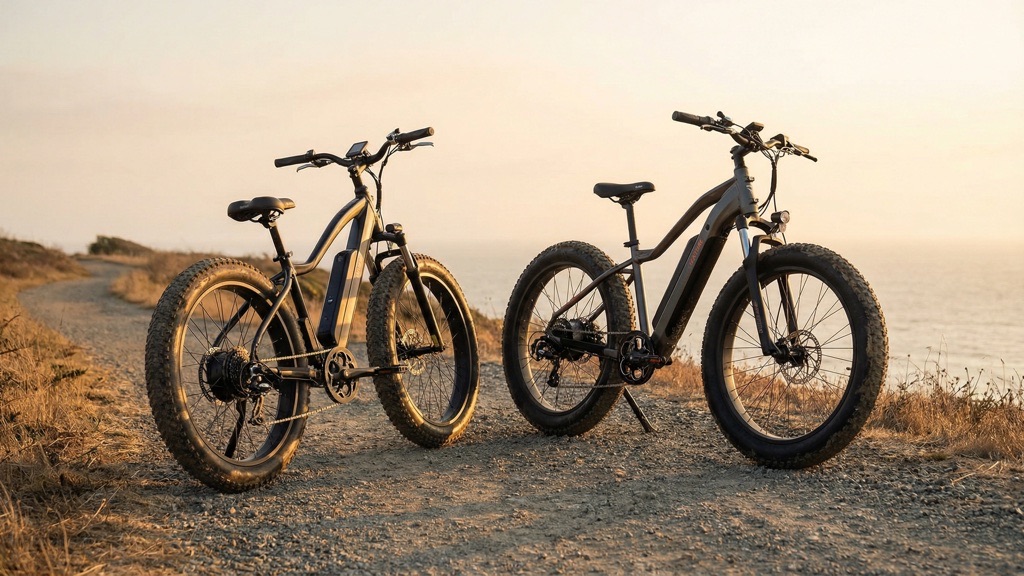
Two of the most searched fat-tire e-bikes in North America are the RadRover from Rad Power Bikes and the Aventure series from Aventon.
On paper, they look similar:
- 750W motors
- 4” fat tires
- 20 mph Class 2 setups
- Commuter + all-terrain positioning
But in real-world riding, they feel very different.
This guide compares them in detail — motor behavior, braking, hill performance, range efficiency, ownership costs, and who each bike is actually for in 2026.
No marketing language. Just practical analysis.
TL;DR — Quick Decision Block
Buy RadRover if:
- You prioritize stability and simplicity
- You prefer throttle-heavy riding
- You ride sand or snow regularly
- You don’t care about pedal refinement
Buy Aventon Aventure if:
- You want smoother torque-sensing pedal assist
- You ride hills often
- You want hydraulic brakes standard
- You value a more modern ride feel
Short verdict:
RadRover = stable tank.
Aventure = refined all-rounder.
Table of Contents
- Core Spec Comparison
- Motor & Pedal Feel
- Hill Performance Test Logic
- Braking Systems Compared
- Battery & Real-World Range
- Ride Comfort & Handling
- Weight & Transport Reality
- Ownership Costs Over 3 Years
- Who Should Buy Which
- FAQ
- Final Expert Verdict
Core Spec Comparison (2026 Models)
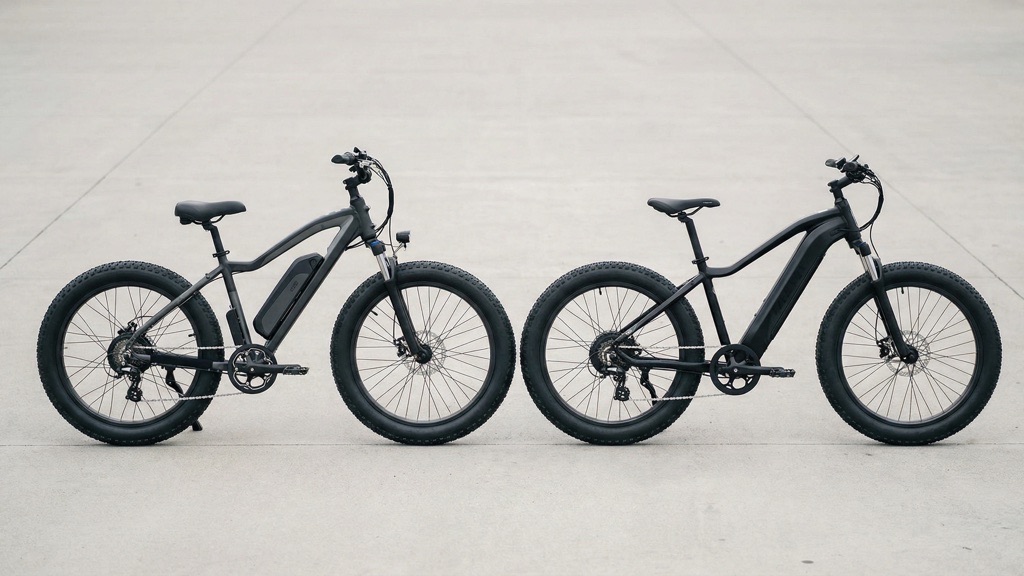
| Feature | RadRover | Aventon Aventure |
|---|---|---|
| Motor | 750W rear hub | 750W rear hub |
| Sensor | Cadence | Torque |
| Battery | ~672Wh | ~720Wh (varies by model) |
| Brakes | Mechanical (manfat-tire hub motor bikes | |
| Tires | 26” x 4” | 26” x 4” |
| Weight | ~73–75 lbs | ~72–77 lbs |
| Top Speed | 20 mph (Class 2) | 20 mph (Class 2, often configurable to 28 mph Class 3) |
Both are fat-tire hub motor bikes.
The difference is in refinement.
Motor & Pedal Feel
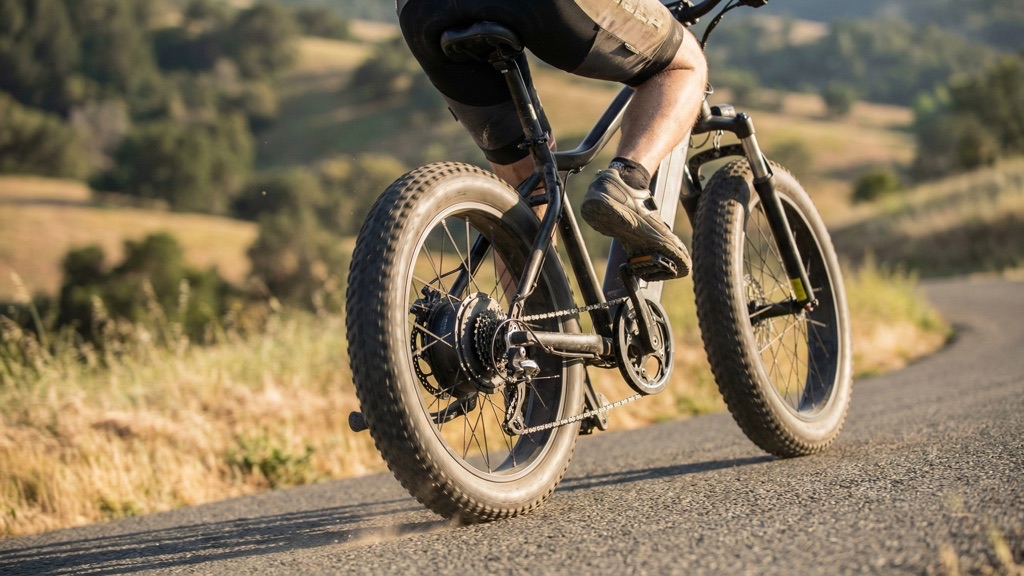
Both bikes use 750W rear hub motors.
The key difference is the sensor.
RadRover: Cadence Sensor
- Motor activates after crank movement
- Power feels on/off
- Throttle-heavy riding feels natural
It’s simple and predictable.
But it doesn’t respond to how hard you pedal.
Aventon Aventure: Torque Sensor
- Motor responds to pedal pressure
- Assist feels proportional
- Smoother acceleration
- More natural ride feel
Real-World Impact
On flat paths, the difference is small.
 Reviews
How Do Hybrid Electric Vehicle Work?
Hybrid electric vehicles (HEVs) combine an internal combustion engine (ICE) with one or more electric motors powered by batteries. Unlike...
 Reviews
EV Range Explained: Why Your 300-Mile EV May Only Drive 210 Miles (Real vs WLTP)
Most EV buyers overestimate how far their future car will actually drive. They don’t realize it in summer. They realize...
 Reviews
Tesla Model Y (2025): Is It Worth Buying in 2026?
TL;DR ✅ Buy the Tesla Model Y in 2026 if you want: Predictable real-world range with no surprises Reliable fast...
On rolling terrain, the Aventure feels smoother and more intuitive.
If you care about pedaling feel, torque sensing wins.
Hill Performance
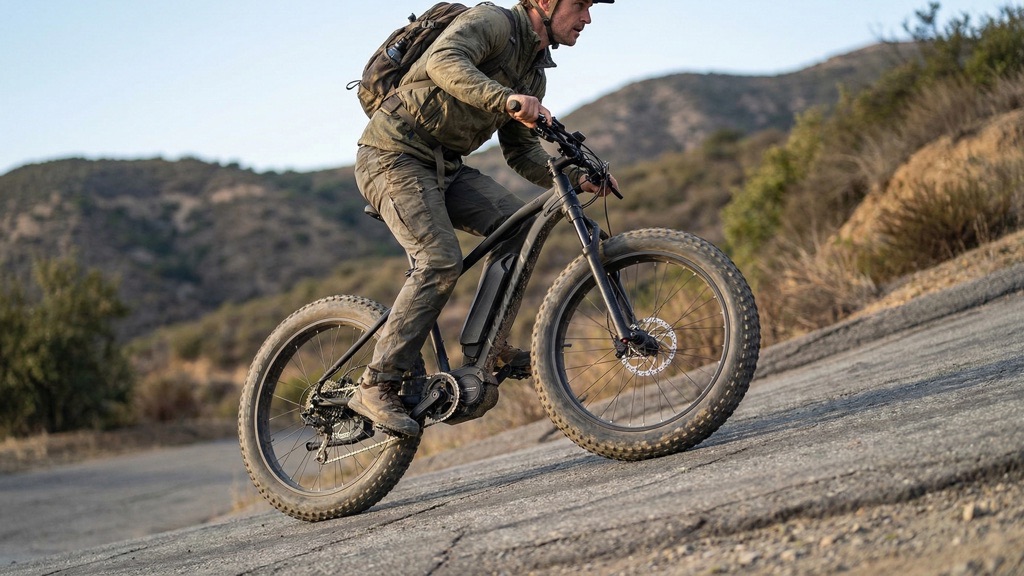
Test scenario logic (similar rider weight ~200–220 lbs, 10% paved incline):
RadRover
- PAS high: ~14–16 mph
- Feels strong but less efficient
- More battery drain on long climbs
Aventon Aventure
- PAS high: similar peak speed
- Smoother power delivery
- Better perceived climbing efficiency
Because torque sensors adjust power based on effort, the Aventure feels less “surgey” on hills.
Neither is a mid-drive climber — but Aventure feels more modern.
Braking Systems Compared
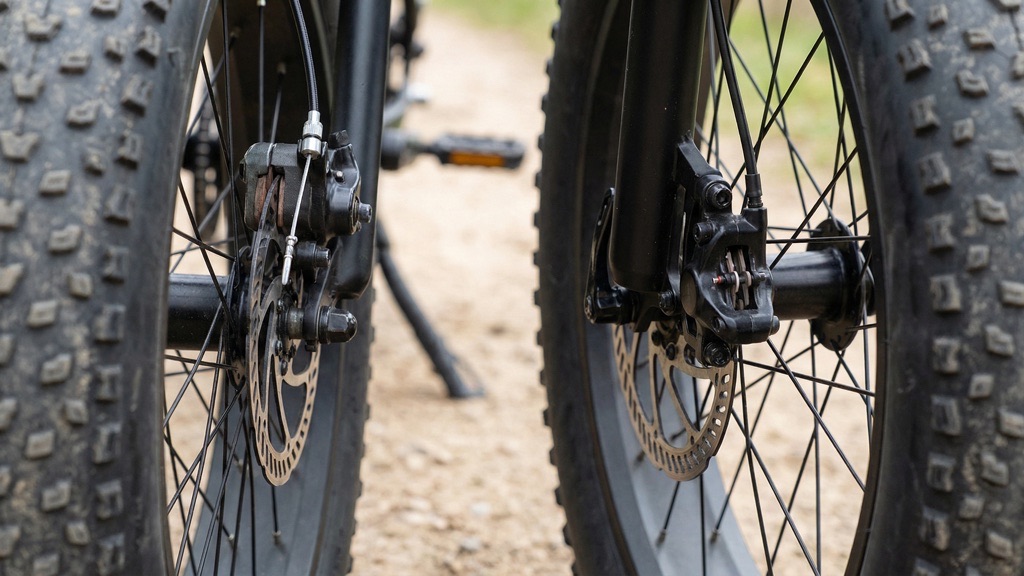
Brakes matter on 70+ lb bikes.
RadRover (Many trims)
- Mechanical disc brakes
- More hand effort
- Adequate stopping power
- Requires periodic cable adjustments
Aventon Aventure
- Hydraulic disc brakes are standard
- Better modulation
- Stronger braking feel
- Less hand fatigue
In 2026, hydraulic brakes are expected at this price point.
Adventure clearly wins here.
Battery & Real-World Range
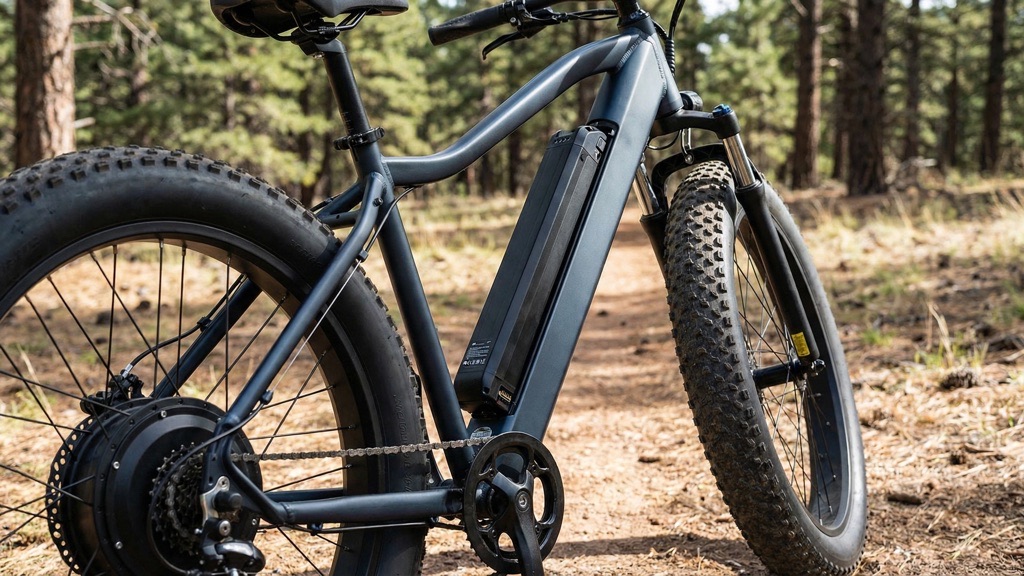
Battery capacity:
- RadRover: ~672Wh
- Aventure: ~720Wh (model dependent)
Energy use for fat-tire hub bikes:
- 18–22 Wh/mi flat
- 22–28 Wh/mi mixed terrain
Realistic Range Estimates
| Riding Style | RadRover | Aventure |
|---|---|---|
| Heavy throttle | 25–30 mi | 28–32 mi |
| Mixed PAS | 30–40 mi | 35–45 mi |
| Eco riding | Up to 45 mi | Up to 50 mi |
The Aventure’s slightly larger battery and torque efficiency can extend range modestly.
Cold weather reduces both by 15–25%.
Ride Comfort & Handling
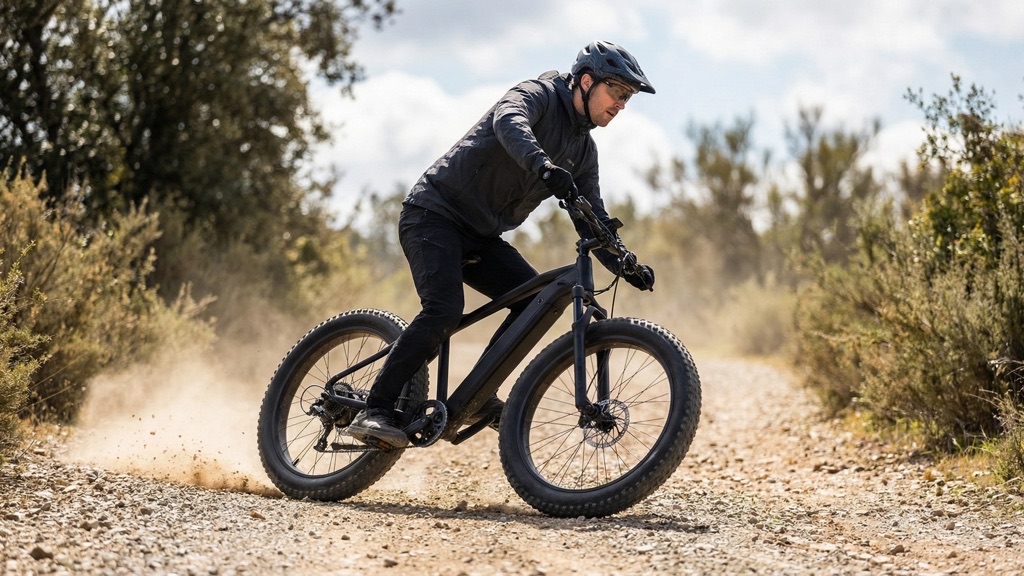
Both bikes offer:
- 4” tires for vibration absorption
- Front suspension
- Upright geometry
Differences:
RadRover
- Extremely planted
- Slower steering
- Feels heavier in tight turns
Aventure
- Slightly more responsive
- Feels more refined
- More balanced weight distribution
If you ride technical gravel paths, Aventure feels easier to manage.
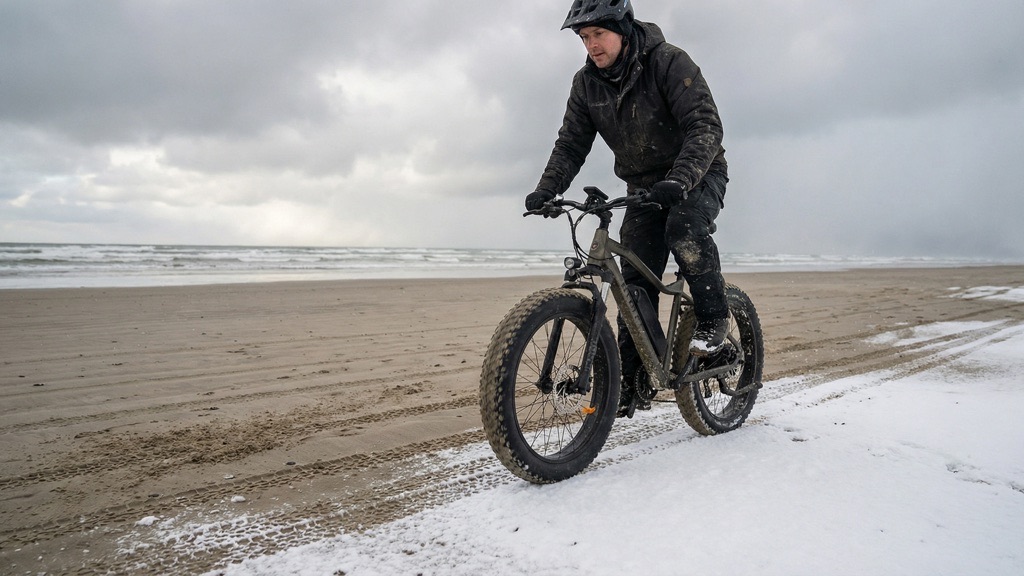
If you ride straight beach stretches, RadRover feels solid and confidence-inspiring.
Weight & Transport Reality
Both bikes weigh around 70–75 lbs.
That means:
- Difficult to lift onto car racks
- Hard to carry upstairs
- Challenging to pedal without assist
Neither is ideal for apartment living.
Ownership Costs (3-Year Perspective)
Battery replacement: $500–$700 range
Fat tires: $60–$120 per tire
Brake service:
- RadRover: more frequent adjustments
- Aventure: hydraulic bleed occasionally
Drivetrain wear is similar (hub motors reduce chain stress vs mid-drives).
Total ownership cost is comparable.
Who Should Buy RadRover
- Beach riders
- Snow commuters
- Riders who prefer throttle riding
- Those who want simple mechanical systems
- Riders who prioritize stability over refinement
Who Should Buy Aventon Aventure
- Daily commuters
- Hill riders
- Riders who care about pedal feel
- Those wanting hydraulic braking
- Anyone who wants a more “modern” ride experience
Final Expert Verdict
The RadRover and Aventon Aventure target the same category — but different priorities.
RadRover feels like a stable, proven workhorse.
Aventure feels like a modern evolution of the same concept.
If you want simplicity and terrain confidence, RadRover makes sense.
If you want smoother pedal assist, stronger brakes, and better refinement, Aventure is the smarter 2026 choice.
Choose based on how you ride — not just motor wattage.
FAQ
Which is better for hills?
Aventon Aventure feels smoother and more efficient due to its torque sensor.
Is RadRover more durable?
Both are durable. RadRover is mechanically simpler.
Which has better brakes?
Aventon Aventure typically offers hydraulic brakes, which provide better modulation.
Which has a longer range?
Aventure usually offers a slightly longer range due to a larger battery and torque efficiency.
Are they good for snow?
Yes. Both use 4-inch fat tires suitable for snow and sand.