Buying an e-bike is easy.
Buying a legal e-bike in 2026 is not.
A throttle that’s fine in one US state can restrict trail access in another. A 750W bike that’s normal in America may be illegal as a bicycle in Europe. And unlocking a speed limiter can quietly turn your “bike” into a moped in the eyes of the law.
This guide is built from real-world use, regulatory frameworks, and enforcement patterns.
Clear. Practical. No legal jargon. Not legal advice — just how it works on the street.
TL;DR — Stay Legal With Minimum Stress
US safest choice: Class 1 (20 mph, pedal assist)
EU safest choice: 250W / 25 km/h pedelec
Throttle in EU: Generally not allowed (beyond walk assist)
Modifying limiter: Often changes vehicle classification
Who should buy standard class: Commuters, recreational riders
Who should avoid high-speed setups: Teen riders, trail users, shared-path riders
If you want maximum access and minimum regulation, stay within standard limits.
Table of Contents
- US E-Bike Law Framework
- Federal vs State: What Actually Applies
- EU E-Bike Categories Explained
- Speed & Power Limits Compared
- Where You Can Legally Ride
- Real Enforcement Examples
- Modifications & Derestricting: Legal Consequences
- Typical Fines & Penalties (Approximate)
- Scenario Simulations
- Expanded FAQ
- Final Expert Verdict
US E-Bike Laws (2026)
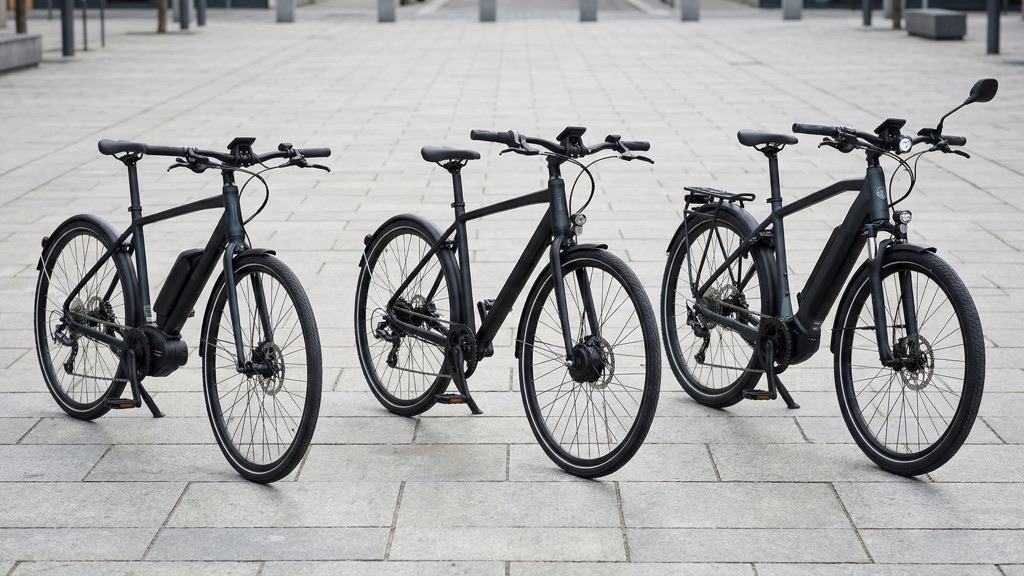
The 3-Class System
Most states follow the industry-backed 3-class structure.
| Class | Max Assisted Speed | Throttle | Typical Access |
|---|---|---|---|
| Class 1 | 20 mph | No | Bike paths, trails |
| Class 2 | 20 mph | Yes | Urban use |
| Class 3 | 28 mph | Usually no | Roads, limited path access |
States like California formally codified this model.
New York and Florida follow similar but locally nuanced rules.
Federal vs State — What Many Riders Miss
At the federal level (via consumer product definitions), an e-bike is:
- ≤ 750W motor
- ≤ 750W bikeder motor power
This affects manufacturing and sales classification.
But road use is regulated by states and municipalities.
That means:
- A 750W bike may be federally “legal”
- But access to trails depends on state or city rules
- Cities can restrict Class 3 from shared paths
Federal = product definition
State/local = riding rules
This confusion causes most legal misunderstandings.
EU E-Bike Regulations (2026)
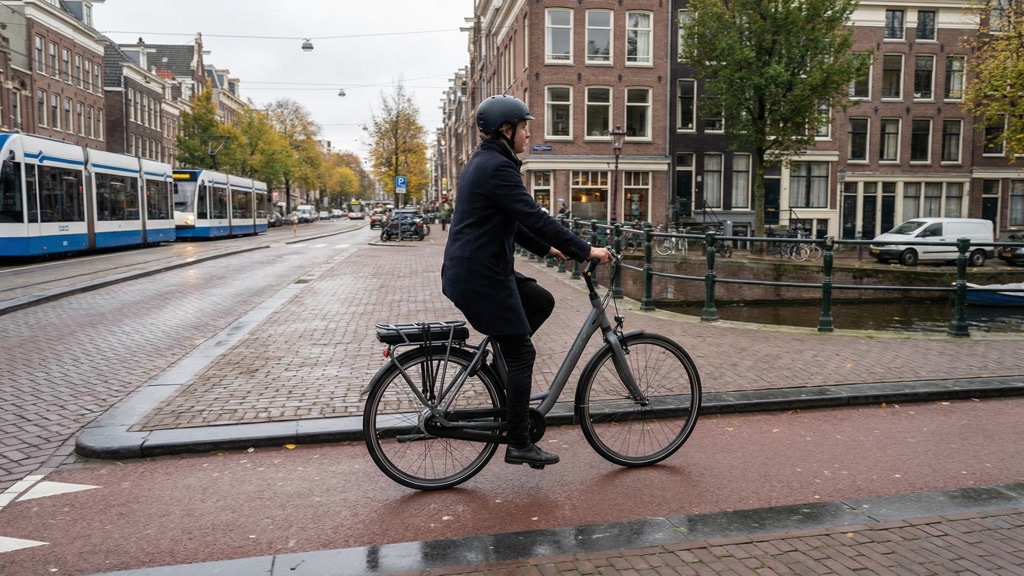
Europe regulates by vehicle category, not marketing class.
Standard Pedelec (Most Common Legal Category)
- 250W continuous motor
- Assistance up to 25 km/h (15.5 mph)
- Pedal assist only
Countries including:
 Reviews
Giant Explore E+ Review (2026): Real-World Test, Ownership Costs & Final Buying Decision
Most commuters overpay for power they will never use. In 2026, electric bike marketing is louder than ever. Brands compete...
 Reviews
E-Bike Battery Life & Degradation Explained (2026 Authority Guide)
In 2026, e-bike batteries are bigger, more integrated, and more expensive than ever. You’ll see claims like “1,000 cycles,” “80+...
 Reviews
BYD Dolphin vs Volkswagen ID.3 (2026): Which One Is the Better Buy?
Choosing between the BYD Dolphin and the Volkswagen ID.3 is no longer about specs. It’s about money vs refinement. One...
- Germany
- France
- Netherlands
treat these as bicycles.
No registration.
No insurance (in most cases).
No driver’s license.
Speed Pedelec (45 km/h)
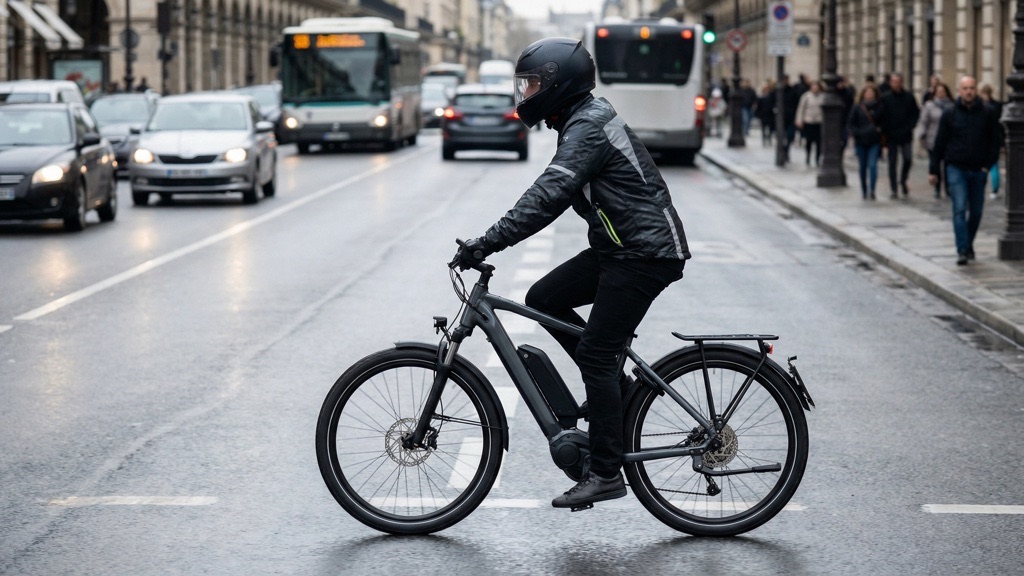
- Up to 45 km/h assist
- Often 500W+
- Treated closer to mopeds
Typically requires:
- Registration plate
- Insurance
- Approved helmet
- Minimum age
This is legally not just a “faster bike.”
US vs EU: Key Legal Differences
| Feature | United States | European Union |
|---|---|---|
| Power Limit | ≤ 750W (federal definition) | 250W continuous |
| Speed Limit | 20–28 mph (by class) | 25 km/h standard |
| Throttle | Allowed (Class 2) | Generally not |
| Registration | No (standard classes) | No (pedelec only) |
| Insurance | No | No (pedelec only) |
EU rules are stricter on power.
US rules are stricter on classification by speed.
Where You Can Legally Ride
US (General Patterns)
- Roads: Allowed
- Bike lanes: Allowed
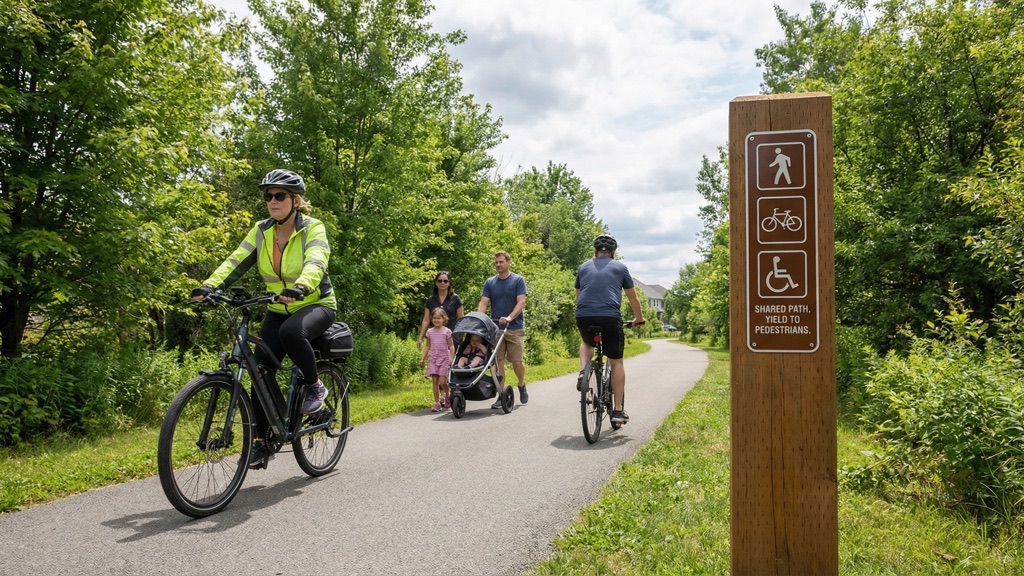
- Shared paths: Usually, Class 1 allowed
- Class 3: Often restricted from multi-use trails
Rules vary by city. For example, New York City has specific local access restrictions.
EU
- Pedelec: Treated as a bicycle
- Speed pedelec: Often road-only
- Some countries restrict high-speed models from cycle paths
Local signage always overrides general rules.
Real Enforcement Examples (2023–2025 Trends)

Example 1 — US Trail Access Enforcement
Several municipalities in western states have issued citations for riders using Class 3 bikes on restricted shared-use trails. Enforcement often occurs after complaints from pedestrians.
Typical outcome:
- Warning first
- Citation if repeated
Example 2 — EU Modified E-Bike Confiscation
In parts of Germany, police have confiscated unrestricted e-bikes after roadside speed checks. If assistance exceeds 25 km/h without proper registration, the bike can be reclassified as an uninsured motor vehicle.
Outcome:
- Fine
- Insurance violation charge
- Temporary confiscation
Enforcement is not constant — but it happens.
Modifications & Derestricting: The Legal Reality
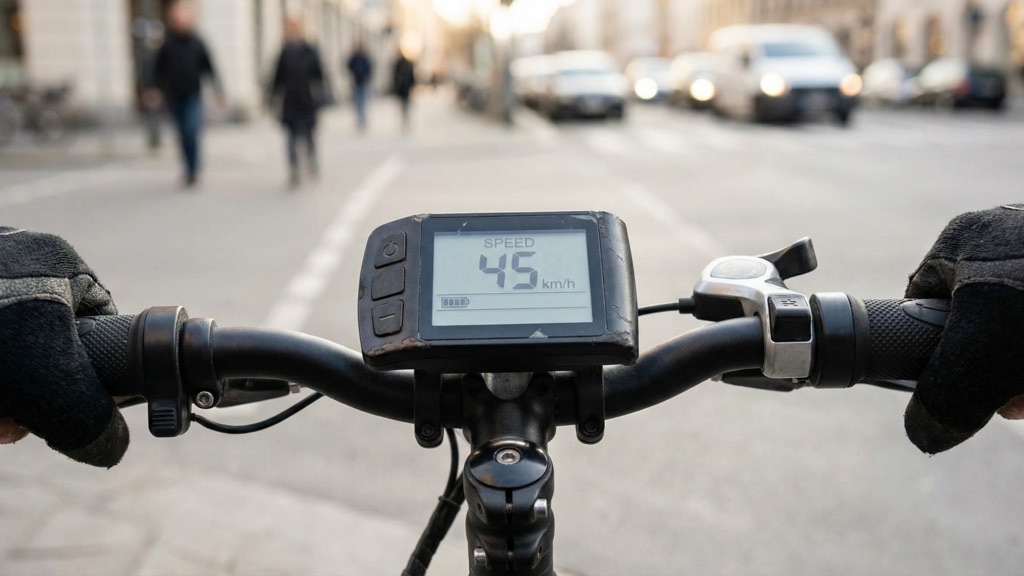
Unlocking a speed limiter may:
- Void the manufacturer’s warranty
- Change vehicle category
- Invalidate insurance
- Expose rider to motor vehicle penalties
In the EU, removing a 25 km/h limiter typically turns the bike into a vehicle requiring registration and insurance.
In the US, exceeding the class definition may:
- Remove access to bike paths
- Lead to citation under the motor vehicle code
Many online kits advertise “easy unlock.”
Legally, it’s rarely simple.
Typical Penalty Ranges (Approximate)
| Violation | Region | Possible Consequences |
|---|---|---|
| Riding a restricted class on the path | US | $50–$250 citation |
| Operating an unregistered speed pedelec | EU | €100–€500+ fine |
| No insurance (reclassified vehicle) | EU | Higher fines + liability exposure |
| Reckless riding | Both | Traffic violation penalties |
Exact amounts vary by jurisdiction.
Scenario Simulations
Scenario 1 — US Commuter
You buy a 28 mph Class 3 bike.
You ride on a mixed-use trail marked “Class 1 only.”
Risk:
- Warning first
- Citation if repeated
- Possible access ban
Best fix: Use road lanes or switch to Class 1 mode.
Scenario 2 — EU Rider Unlocks Limiter
You unlock your 25 km/h bike to 35 km/h.
If stopped:
- The bike may be inspected
- Classified as a motor vehicle
- Insurance violation possible
The cost of a mistake can exceed the cost of a bike upgrade.
Final Expert Verdict
If your goal is:
- Daily commuting
- Shared-path riding
- Zero legal stress
Choose:
US: Class 1
EU: 250W / 25 km/h pedelec
Higher speed sounds attractive.
But in practice, access and simplicity matter more than top speed.
Legal clarity is part of smart ownership.
Choose the category that keeps you riding — not arguing.
Expanded FAQ
Are e-bikes street legal?
Yes, if they meet the class (US) or pedelec (EU) definitions.
Is 1000W legal in the US?
Federally, above 750W falls outside the consumer definition. State road legality varies.
Are throttle bikes legal in Europe?
Generally, no, beyond limited walk-assist functions.
Can police test my e-bike?
Rare, but speed-based suspicion can trigger inspection.
Do I need insurance?
Not for standard US classes or EU 25 km/h pedelecs.
Is removing the speed limiter illegal?
Often yes, because it changes vehicle classification.