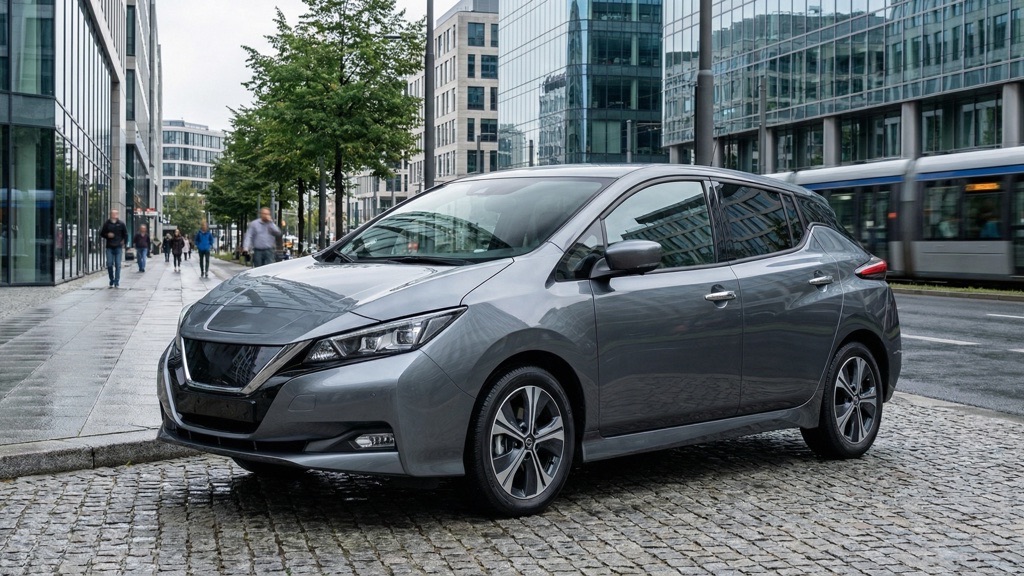
The 2026 update of the Nissan Leaf keeps one of the world’s most recognizable EV names alive.
But here’s the reality in 2026:
The EV market has matured. Charging networks evolved. Platforms improved. Thermal management became standard. The Leaf… mostly stayed the same.
That doesn’t make it a bad car.
It makes it a very situational purchase.
If you’re deciding whether to buy one in the US or Europe right now, this review will tell you clearly: buy, consider, or skip.
Best for: Urban commuters for: Urban commuters with home charging and predictable daily mileage
Not recommended for: One-car households, frequent highway driveReal-world range
Real-world range (expert estimate):
- 40 kWh: 140–160 miles (225–260 km)
- 62 kWh: 180–210 miles (290–340 km)
Biggest advantage: Low upfront cost + proven simplicity
Main drawback: CHAdeMO + no liquid battery cooling
Overall rating: 7.6 / 10
Yes — that’s a cautious score. Here’s why.
📊 Key Specifications
| Specification | 40 kWh | 62 kWh |
|---|---|---|
| Battery capacity (gross) | 40 kWh | 62 kWh |
| Real-world range | 140–160 mi | 180–210 mi |
| EPA range | 149 mi | 212 mi |
| Efficiency (mixed driving) | ~3.8 mi/kWh | ~3.3–3.5 mi/kWh |
| DC fast charging | Up to 50 kW (CHAdeMO) | Up to 50 kW (CHAdeMO) |
| 10–80% (ideal temp) | ~45–60 min | ~60–75 min |
| Battery cooling | Passive air | Passive air |
| 0–60 mph | ~7.4 sec | ~6.9 sec |
| Drivetrain | FWD | FWD |
| Battery warranty (US) | 8 yr / 100k mi | 8 yr / 100k mi |
| Starting price (US est.) | ~$28,000 | ~$34,000 |
Important context: In 2026, 50 kW charging is entry-level. Many rivals charge at 100–170 kW.
🚗 Real-World Driving Experience
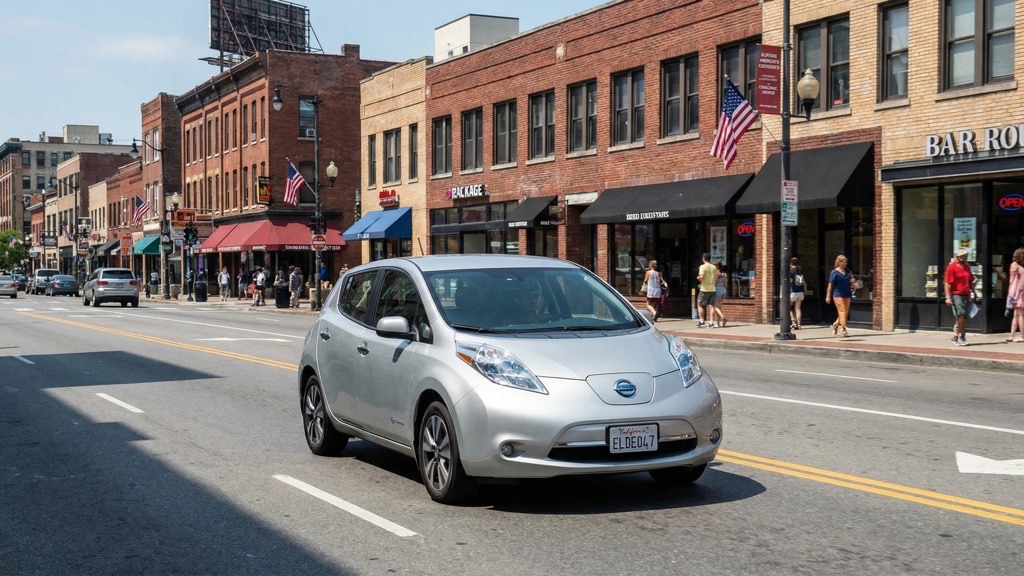
City Driving: Where It Still Works
In urban use, the Leaf is easy to live with.
- Smooth throttle calibration
- Excellent one-pedal driving (e-Pedal remains one of the best-tuned systems)
- Comfortable suspension over broken pavement
- Tight turning circle
For 20–40 miles per day, you barely think about charging. Plug in at home twice per week, and you’re done.
If your driving profile fits this, the Leaf feels completely adequate.
Highway Driving: Where Age Shows
At 70–75 mph:
- Efficiency drops to ~2.7–3.0 mi/kWh
- Wind noise is noticeable
- Range shrinks quickly in winter
But the real issue isn’t efficiency.
It’s thermal behavior during DC charging.
🔥 Thermal Throttling — The Hard Truth
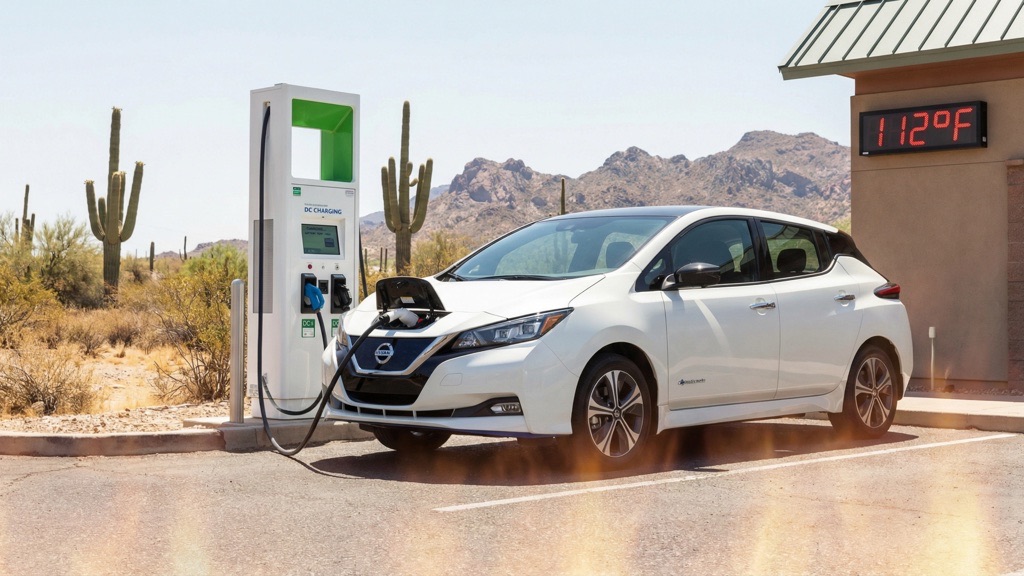
The Leaf uses passive (air) cooling.
 Cars
Cars
Tesla Model Y vs BYD Song Plus EV (2026): Range, Charging, Price & Verdict
TL;DR Choose the Tesla Model Y if you want global Autopilot capability, superior charging infrastructure, and proven long-term reliability. Choose...
 Reviews
Zeekr 007 (2025) vs Nio ES6 (2024): What China’s New-Generation Electric Crossovers Can Do
China’s electric vehicle market continues to evolve at an extraordinary pace, and new models from Zeekr and NIO clearly show...
 Reviews
Electric Motorcycle Maintenance Costs Explained (2026): Real Ownership, Service Reality & 5-Year Cost Breakdown
Switching to electric isn’t just about torque and silence. It’s about ownership simplicity. If you’re a rider thinking about ditching...
In mild weather (60–75°F / 15–24°C):
- First fast charge: ~45–50 kW peak
- 10–80%: about 60 minutes (62 kWh version)
After one or two consecutive fast charges:
- Battery temps rise significantly
- Charging speed can drop below 30–35 kW
- 10–80% may stretch well past 75 minutes
In hot climates (Arizona, Southern Spain, Middle East conditions):
- Charging can throttle even on the first session
Modern EVs with liquid cooling maintain consistent performance.
The Leaf doesn’t.
For daily home charging — irrelevant.
For road trips — absolutely relevant.
⚡ Charging in 2026: The Strategic Risk
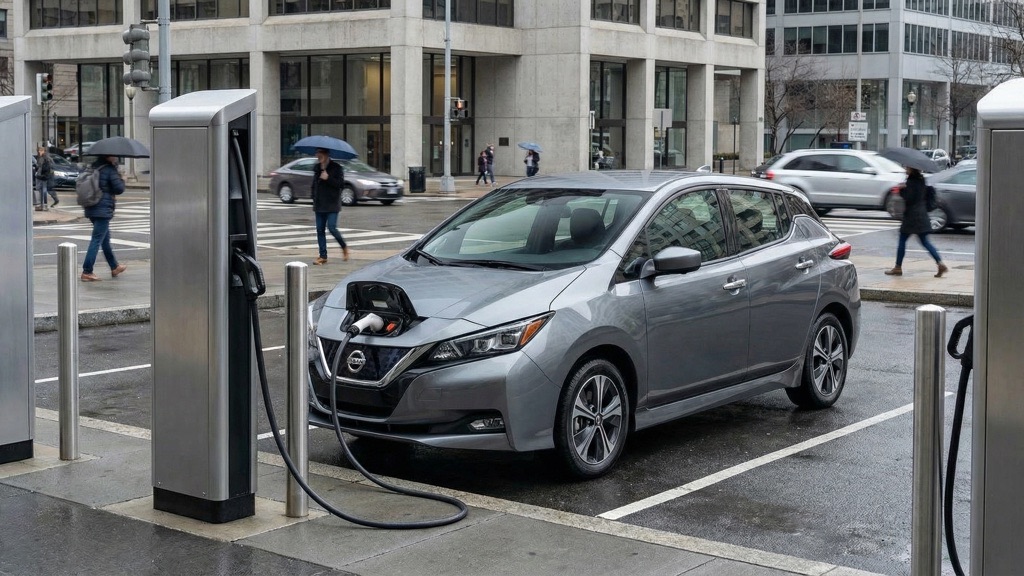
The Leaf still uses CHAdeMO.
In 2026:
- New US infrastructure prioritizes CCS and NACS
- Many sites offer only one CHAdeMO plug
- Europe is overwhelmingly CCS-dominant
This creates three long-term risks:
- Fewer expansion investments in CHAdeMO
- Higher chance of arriving at a single occupied connector
- Reduced resale appeal as networks modernize
Buying a CHAdeMO EV today is not catastrophic — but it is less future-proof.
👍 Pros & 👎 Cons
👍 Pros
- One of the most affordable mainstream EVs
- Very simple ownership experience
- Comfortable city ride
- Proven drivetrain reliability record
- Good for predictable daily commuting
👎 Cons
- Outdated charging standard (CHAdeMO)
- No liquid battery cooling
- Charging slows dramatically when hot
- Mediocre highway efficiency
- Aging interior tech
- Long-term resale uncertainty
⚖️ Competitor Comparison (2026 Market Reality)
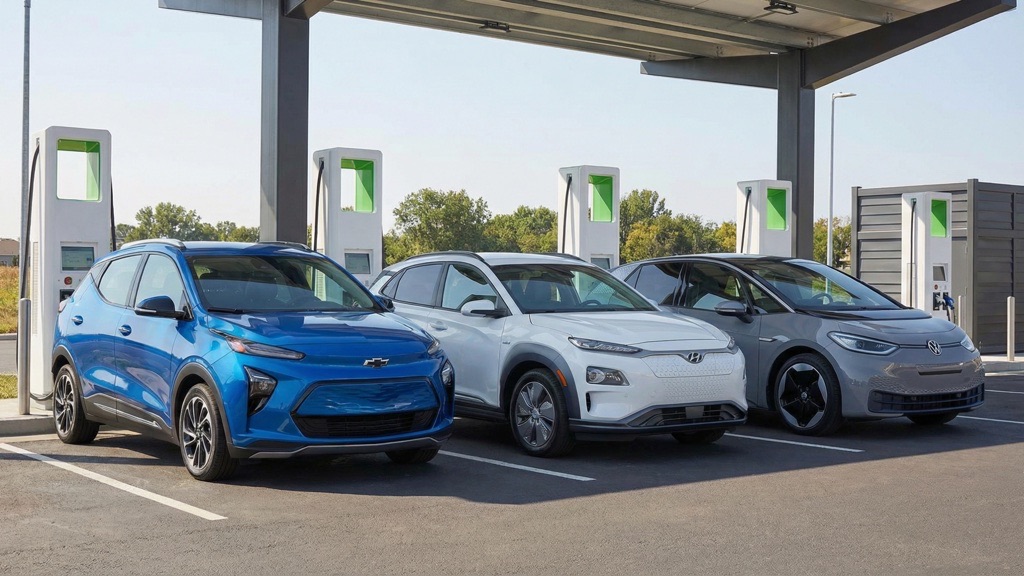
| Model | Real Range | Peak Charging | Cooling | Price | Key Advantage Over Leaf |
|---|---|---|---|---|---|
| Chevrolet Bolt EUV | ~240–250 mi | 55 kW CCS | Liquid | ~$28k | More range + CCS |
| Hyundai Kona Electric | ~250–260 mi | 100 kW CCS | Liquid | ~$33k | Much faster charging |
| Volkswagen ID.3 | 260–340 mi WLTP | 120 kW CCS | Liquid | €35k+ | Modern EV platform |
The Leaf is the only one without liquid cooling.
It’s also the only one still tied to CHAdeMO.
That defines its market position.
💰 Ownership & Running Costs
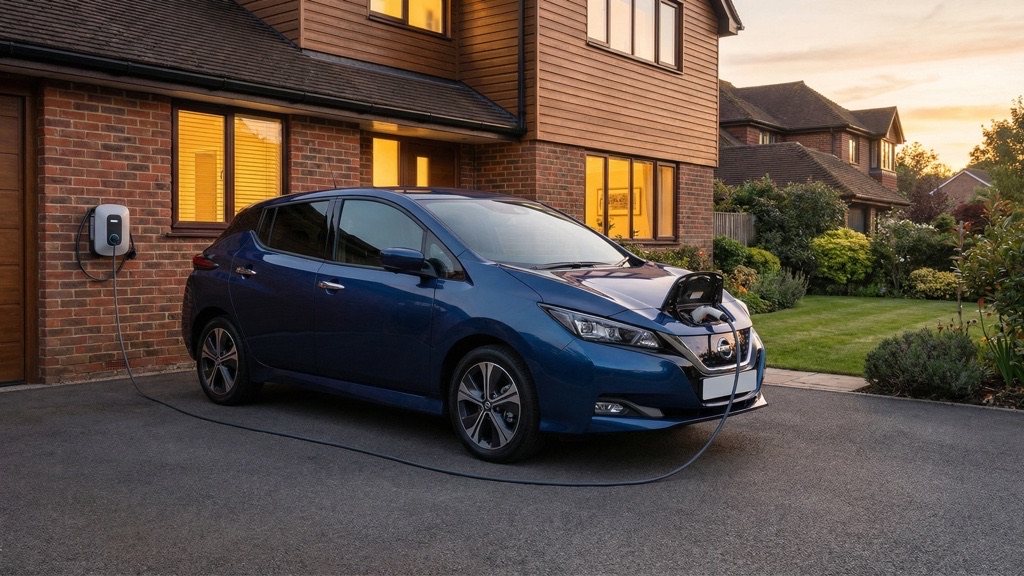
Charging Cost
US home average (~$0.15/kWh):
- 40 kWh full charge ≈ $6
- 62 kWh full charge ≈ $9
Cost per mile: roughly 3–4 cents.
Public DC charging reduces savings, especially in Europe.
Maintenance
Low maintenance expectations:
- No oil changes
- Reduced brake wear
- Mature drivetrain components
Historically, the Leaf has been reliable mechanically.
Battery Degradation Reality
Without liquid cooling:
- Hot climates accelerate degradation
- Frequent fast charging increases stress
Expect:
- 10–15% loss by 100k miles in warmer regions
- Slightly better performance in temperate climates
Not catastrophic — but not class-leading.
🤔 Why Hasn’t Nissan Modernized the Leaf?
Strategically, Nissan appears to have shifted focus to newer platforms like the Nissan Ariya.
Re-engineering the Leaf for liquid cooling and CCS would likely require:
- A new platform
- Major cost increases
- Internal product overlap
Instead, Nissan has kept the Leaf as a lower-cost legacy EV.
That keeps pricing competitive — but limits long-term competitiveness.
📉 Resale Outlook (2026–2030)
Here’s what many buyers ignore:
By 2028–2030:
- CCS/NACS dominance will intensify
- Fast-charging expectations will rise
- 100+ kW charging will become baseline
CHAdeMO vehicles may depreciate faster.
If you lease for 2–3 years — manageable risk.
If you plan to own for 7+ years, this matters.
🧭 Decision Matrix — Should YOU Buy It?
| If you… | Recommendation |
|---|---|
| Drive under 40 miles/day | ✅ Buy (40 kWh works) |
| Have reliable home charging | ✅ Strongly consider |
| Live in a hot climate | ❌ Skip |
| Take frequent road trips | ❌ Skip |
| Need one car for everything | ❌ Skip |
| Want the lowest upfront EV price | ✅ Consider |
This car only works if your usage profile fits it.
🧠 FINAL EXPERT VERDICT
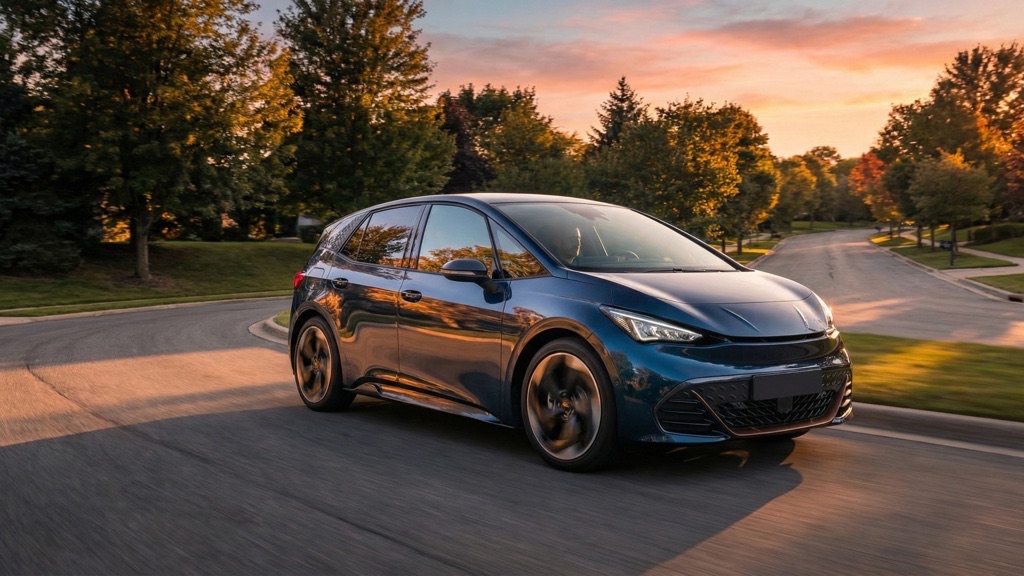
🔹 SHORT VERDICT: Buy Only If Your Usage Is Predictable
The Leaf is no longer a universal EV recommendation.
It’s a budget urban EV with structural limitations.
🔹 DETAILED VERDICT
If you:
- Drive locally
- Charge at home
- Don’t rely on fast charging
- Plan to keep it 3–5 years
The Leaf can still make financial sense.
If this is your only household vehicle, or you value charging flexibility and long-term resale, better alternatives exist.
This isn’t about whether the Leaf is “good.”
It’s about whether it fits your real life in 2026.
For many buyers, the market has moved forward.
For a narrow group, the Leaf still works.
TL;DR
The 2026 Nissan Leaf is a solid city commuter with low operating costs.
But outdated charging tech and passive cooling make it a niche choice.
Good second car. Risky primary EV.
FAQ
Is the Nissan Leaf still worth buying in 2026?
Yes — but only if you mainly drive locally and charge at home.
Is CHAdeMO dying?
It’s not disappearing overnight, but the expansion focus is clearly elsewhere.
Is the 40 kWh version enough?
For short daily commutes, absolutely.
Would I personally buy one today?
Only heavily discounted, and as a second car.