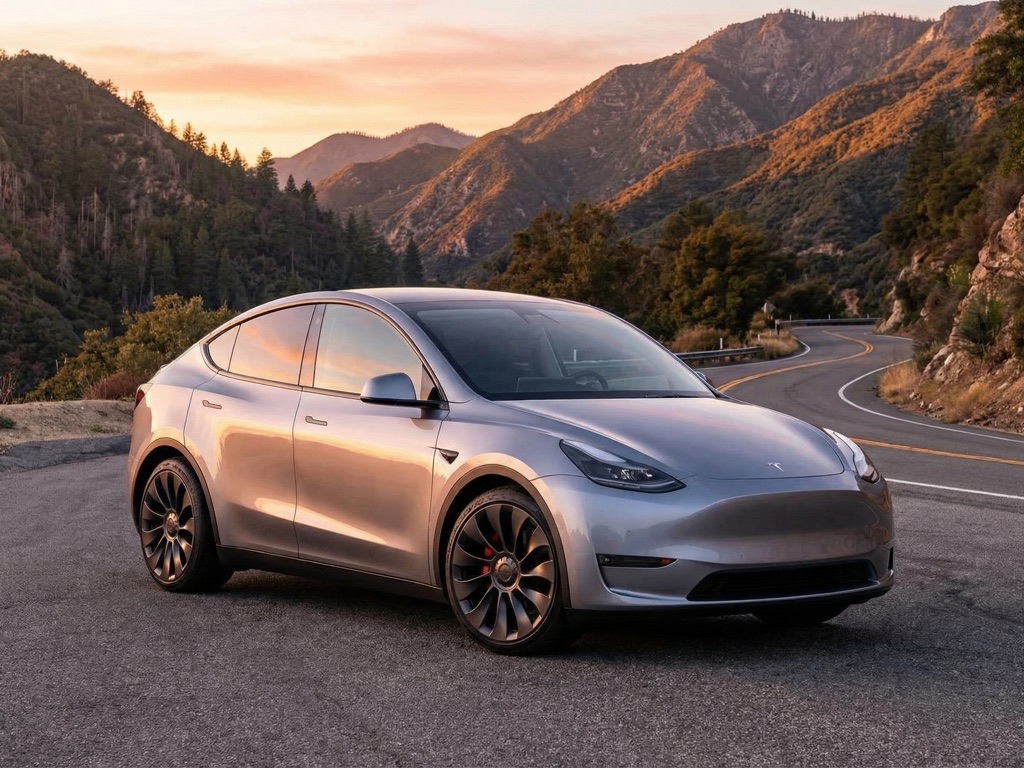
A Tesla Model Y abruptly lost power on a Chinese highway despite displaying 72 km of remaining range, slowing to 60 km/h, and later shutting down completely, endangering passengers, including an elderly person, a child, and a pregnant woman. This incident, reported on February 17, 2026, has ignited public debate in China over EV displayed range reliability and the need for larger safety buffers during highway driving. Tesla’s response—citing an out-of-warranty, unstable battery and advising on charging below 100 km range—has fueled owner frustration amid similar power-loss reports.
Tesla's Challenges in China and Global Context
Tesla’s position in China, its second-largest market, has weakened significantly. In 2025, Tesla sold 625,698 electric vehicles in China, a 4.8% decline from 2024, according to data from the China Passenger Car Association. Company revenue in China stagnated, contributing to Tesla’s first annual revenue drop and nearly halving its net profit for 2025. Intensified competition from BYD and macroeconomic pressures, such as high interest rates, have eroded margins, despite price cuts.
Globally, Tesla faces quality scrutiny. A U.S. recall affects 12,963 vehicles—7,925 2026 Model Y units built March 15 to August 2025 and 5,038 2025 Model 3 units built March 8 to August 12, 2025—due to a battery contactor defect that can cause power loss while driving. The issue stems from a manufacturing flaw in the solenoid coil termination by supplier Sistemas Mecatronicos InTiCa (Mexico), assembled by SongChuan (Taiwan), leading to poor electrical contact over time. Tesla reports 36 warranty claims and 26 field reports, with no crashes or injuries noted. Owners must visit service centers for free contactor replacement.
In China, these U.S. issues overlap with local incidents. A Model Y owner reported highway power loss at 72 km displayed range, dropping to 60 km/h before full shutdown, disabling hazard lights. Customer service blamed an unstable out-of-warranty battery, offered paid inspection, and recommended charging below 100 km on highways—advice the owner called impractical. Separately, a three-month-old Model 3 lost power after Autopilot intervention on a highway, blacking out screens and locking doors/windows; Tesla offered only a one-year warranty extension.
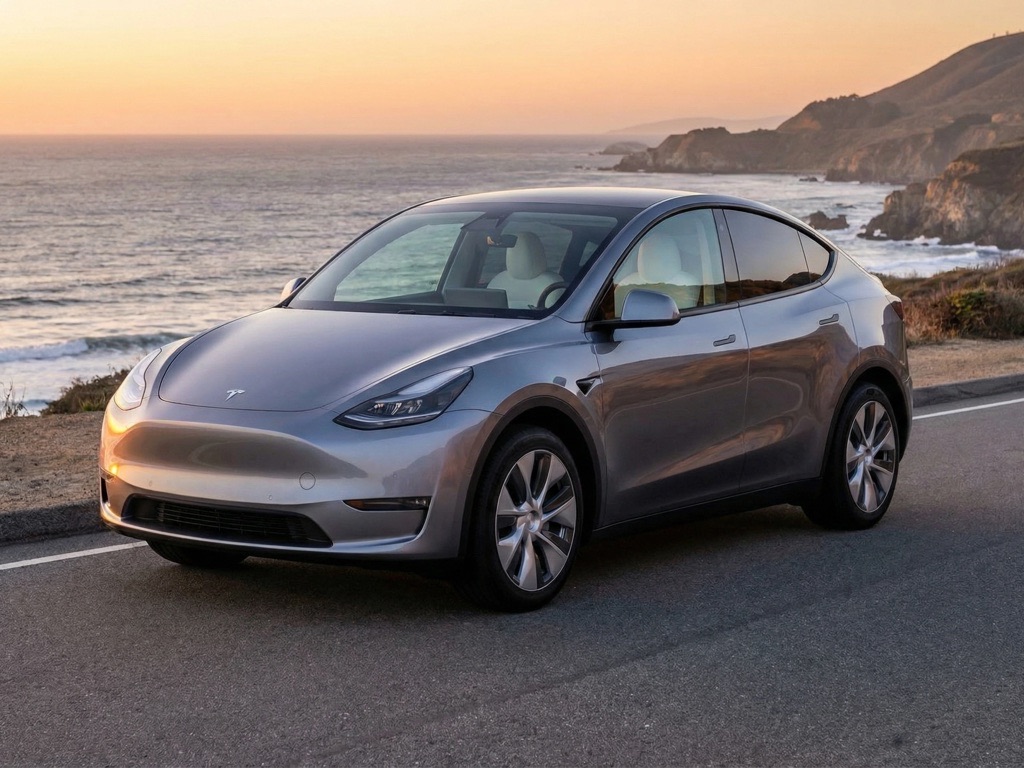
Key Specifications of Affected Models
| Model | Production Dates (Affected) | Issue | Reported Incidents | Fix |
|---|---|---|---|---|
| 2026 Model Y | March 15 – August 2025 (US: 7,925 units) | Battery contactor failure causing power loss | China highway shutdown at 72 km range; US recall | Free contactor replacement at the service center |
| 2025 Model 3 | March 8 – August 12, 2025 (US: 5,038 units) | Same contactor defect | China Autopilot-related shutdown; 36 warranty claims | Free inspection/replacement |
Note: China-specific production details not confirmed; incidents align with the US defect timeline.
 Cars
Cars
The 2025 Kia EV6: A Refreshed Look and Major Tech Upgrades
The 2025 Kia EV6: A Refreshed Look and Major Tech Upgrades The hot new 2025 Kia EV6 has arrived, bringing...
 Cars
Cars
Tesla Model Y Performance (2026): Price, Specs, and Release Date
The Family SUV That Accelerates Faster Than Your Last Bad Decision The 2026 Tesla Model Y Performance has arrived —...
 Cars
Cars
Rivian Achieves $144M Full-Year 2025 Gross Profit After $1.2B 2024 Loss – Software Drives Turnaround
Rivian Automotive reported $144 million in consolidated gross profit for full-year 2025, a $1.3 billion improvement from a $1.2 billion...
Safety Implications and Range Buffer Debate
The Chinese incidents highlight a core EV concern: displayed range versus real-world usability. Owners question trusting a 60-72 km reading if power fails on highways, where alternatives like towing are limited. Tesla’s advice to charge below 100 km implies a 20-40 km safety buffer, but critics argue this undermines EV convenience, especially post-warranty. In the US recall, power loss does not affect braking or steering, but propulsion failure on highways raises crash risks.
Tesla’s over-the-air diagnostics enabled quick US detection, affecting ~1% of 2025 production. However, China reports suggest broader issues, possibly tied to local batteries or conditions. No official Chinese recall announced as of February 17, 2026; details not yet confirmed.
Technical Root Cause and Manufacturing Insights
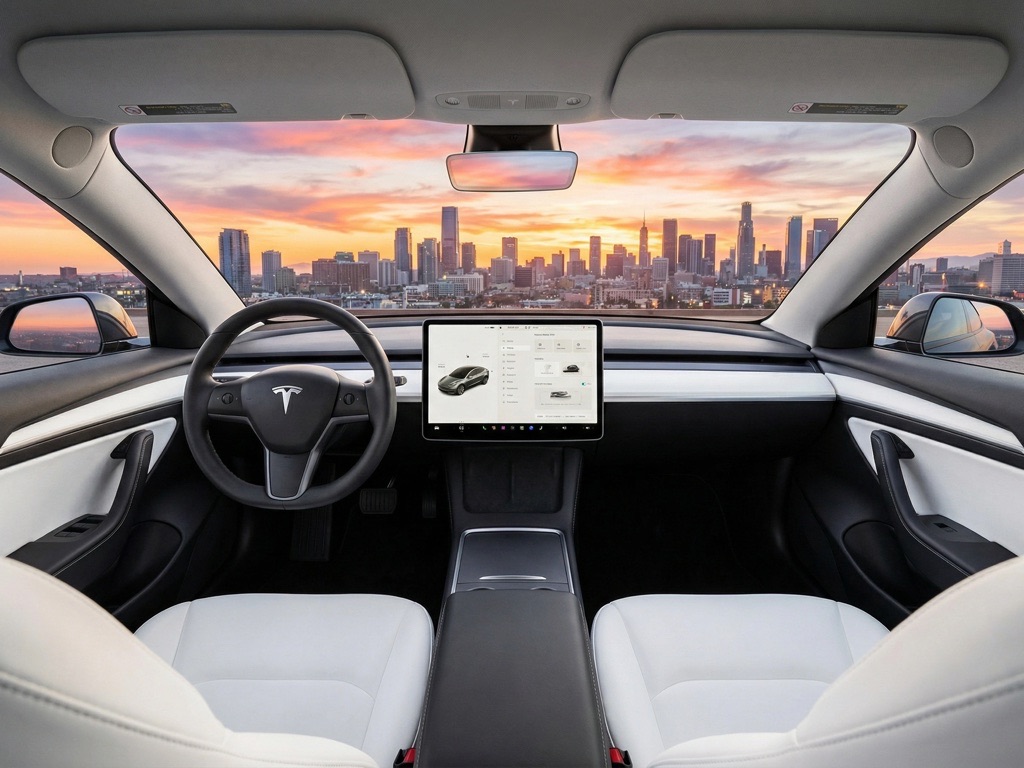
The defect involves contactors—switches controlling battery-to-motor power flow—failing due to weakened solenoid coil connections. This can happen anytime, even in motion. Tesla’s proactive NHTSA filing contrasts with China’s customer-service-only approach, raising questions on regional response differences. Owners report no apologies or goodwill in China, amplifying dissatisfaction amid Tesla’s market share loss.
Comparison with Competitors
| Aspect | Tesla Model Y/3 | BYD (e.g., Seal) | NIO ET5 |
|---|---|---|---|
| 2025 China Sales Growth | -4.8% | Strong gains, outselling Tesla | Competitive premium segment |
| Recent Power Issues | Multiple highway failures; US recalls 12,963 units | No major reports | Battery swap mitigates range anxiety |
| Warranty Response | Paid post-warranty inspection | Comprehensive coverage | Subscription battery model |
| Safety Systems | Braking intact in power loss | Similar EV standards | Advanced ADAS |
Tesla lags in China perception versus BYD’s reliability and NIO’s service innovation, though its diagnostics excel.
Verdict
Tesla must address China’s power loss incidents urgently, potentially via recall, to rebuild trust amid declining sales. These affect safety-critical highway scenarios, validating calls for conservative range buffers but exposing EV maturity gaps. Ideal for tech enthusiasts tolerant of service visits; risk-averse highway drivers should consider BYD or NIO until resolved. Unanswered: China-specific recall plans and battery supplier details.