
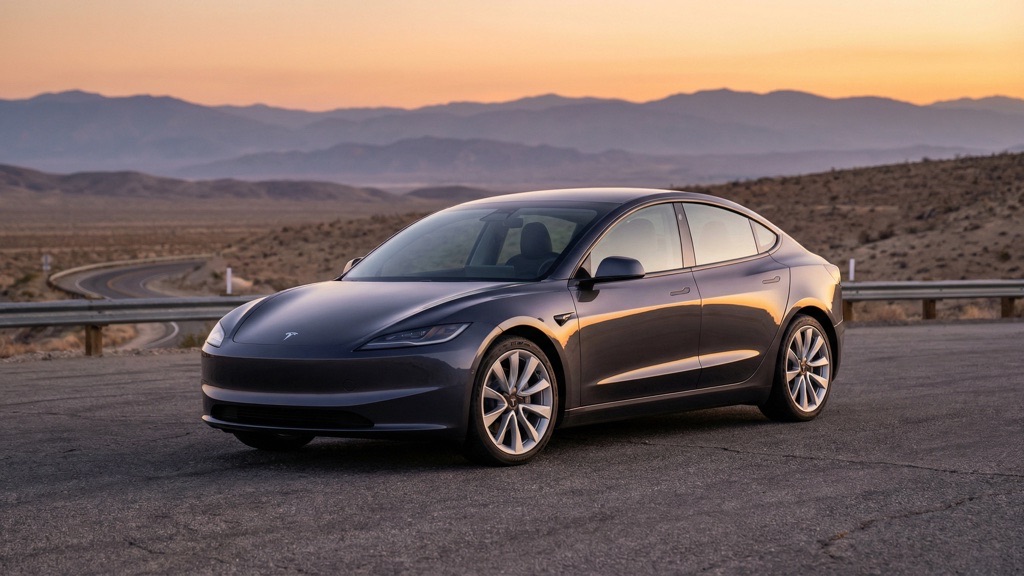
In 2026, buying a Tesla Model 3 is no longer an automatic decision.
Cheaper Chinese EVs undercut it in Europe. The Hyundai Ioniq 6 charges faster on paper. The BMW i4 feels more premium inside. And Tesla has a history of sudden price adjustments that can hit resale values.
So here’s the real question:
Is the 2026 Tesla Model 3 still the smartest EV buy under $50,000 / €50,000 — or just the default choice?
Aftereal-world range, charging behavioring behavior, ownership costs, and long-term risk, here’s the clear answer.
⚡ QUICK VERDICT
Best for: Drivers who want maximum real-world efficiency and stress-free road trips
Not recommended for: Buyers who want physical controls or a traditional luxury feel
Real-world highway range (75–80 mph): 270–310 miles (Long Range)
Biggest advantage: Efficiency + Supercharger route integration
Main drawback: Touchscreen-only control philosophy
Overall rating: 9.8 / 10
📊 Key Specifications (2026 Tesla Model 3)
| Specification | Value |
|---|---|
| Battery capacity | ~60 kWh (RWD) / ~82 kWh (Long Range) |
| Real-world range | 250–310 miles highway / 280–340 mixed |
| WLTP / EPA range | 272–363 miles EPA / up to 629 km WLTP |
| DC fast charging | Up to 250 kW |
| 10–80% DC time | ~25 minutes |
| 0–60 mph | 5.8s (RWD) / 4.2s (LR AWD) |
| Drivetrain | RWD or Dual Motor AWD |
| Starting price | ~$38,000 US / ~€42,000 EU |
Important: Tesla’s real-world efficiency is what makes these numbers meaningful — not the peak range figure.
🚗 Real-World Driving Experience (Deep Analysis)
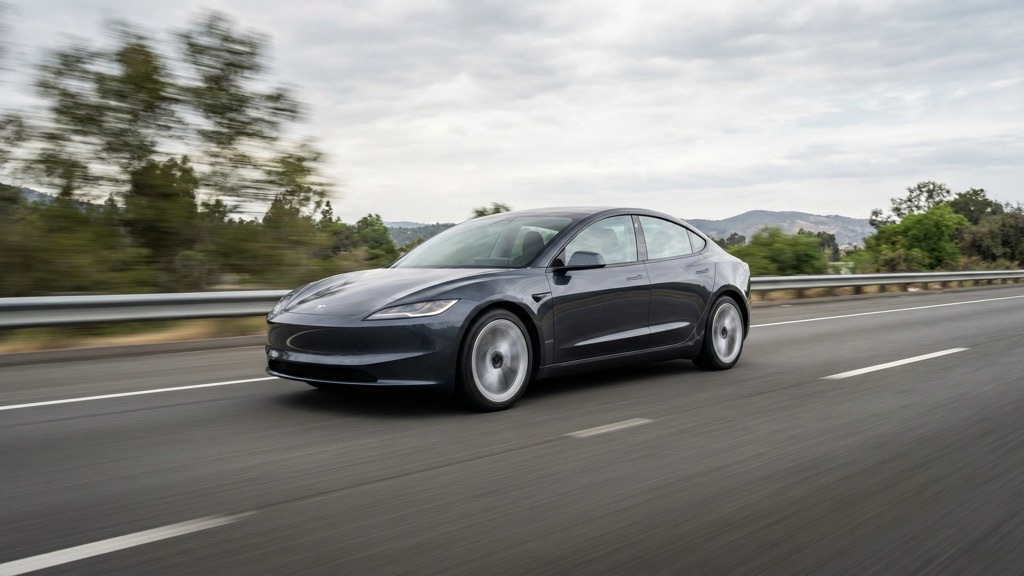
Highway Efficiency at 75–80 mph
This is where most EVs lose credibility.
At sustained highway speeds:
-
Compared to the Ioniq 6.5–3.8 mi/kWh
- Real usable highway range: ~280–300 miles
- Winter (0–5°C / 32–40°F): expect ~15–20% drop
Compared to the Ioniq 6, the Tesla is slightly more efficient at high speeds despite lower peak charging power.
This matters more than WLTP numbers.
Charging Curve Reality (Not Just Peak kW)
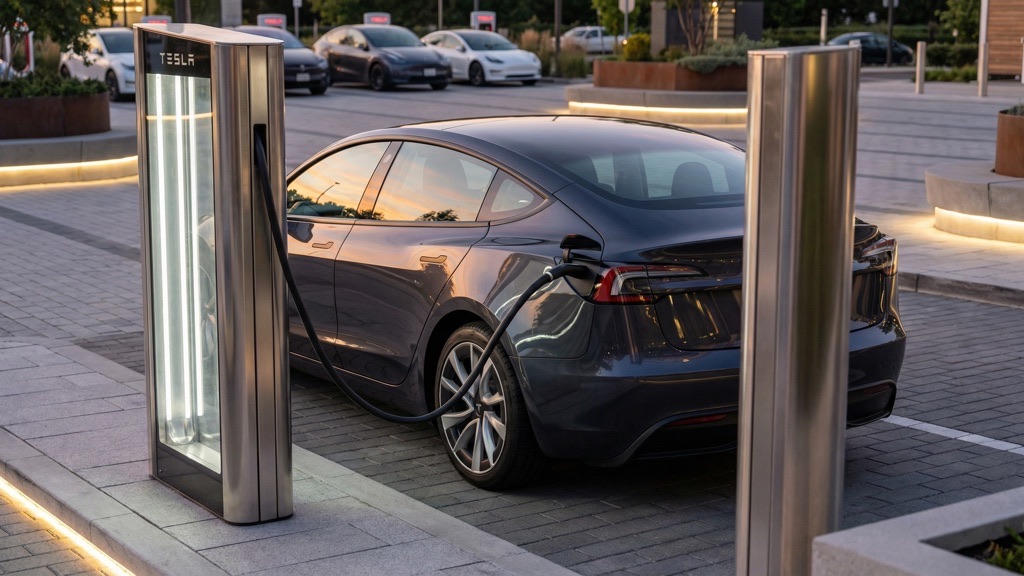
Tesla advertises 250 kW.
But what matters is how long it holds high power.
In ideal conditions:
- Peaks near 250 kW around 10–20%
- Holds above 200 kW until ~30–35%
- Smooth taper after 50%
Result:
 Reviews
ZERO DS ZF 13.0 + Power Tank – the best electric motorcycle for endless thrills
ZERO DS ZF 13.0 + Power Tank The ZERO DS ZF 13.0 + Power Tank is setting a new standard...
 Reviews
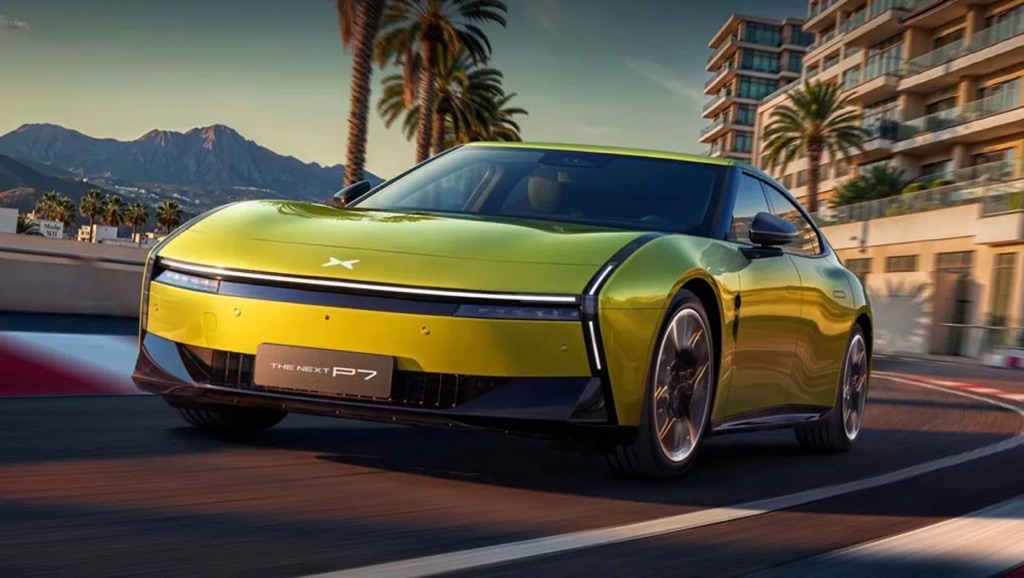
2026 XPeng P7+ Interior, Design and Features Review
2026 XPeng P7+ Interior, Design, and Features Review When the XPeng P7+ entered the market, it immediately signaled a turning...
 Reviews
Electric Car Buying Guide 2026: The Smart Buyer’s Decision Framework
In 2026, buying an electric car isn’t risky. Buying the wrong electric car is EVs are no longer early-adopter experiments....
- 10–80% in ~25 minutes
- Extremely consistent across temperatures
The difference vs many rivals? Predictability. The chargiNot as plush as the BMW i4eatable.
Ride Comfort & Suspension
The Highland suspension update improved body control and noise isolation significantly.
Still:
- Firmer than Ioniq 6
- Not as plush as the BMW i4
- Very stable at 80+ mph
If you enjoy controlled, planted dynamics, it’s excellent.
If you want floating comfort — this isn’t it.
Acceleration & Daily Drive Feel
Even the RWD version feels genuinely quick.
The Dual Motor version is the sweet spot: effortless overtaking, zero drama, strong traction in wet and cold climates.
Throttle calibration is smoother than pre-2024 models — less jerky in traffic.
Software & User Interface
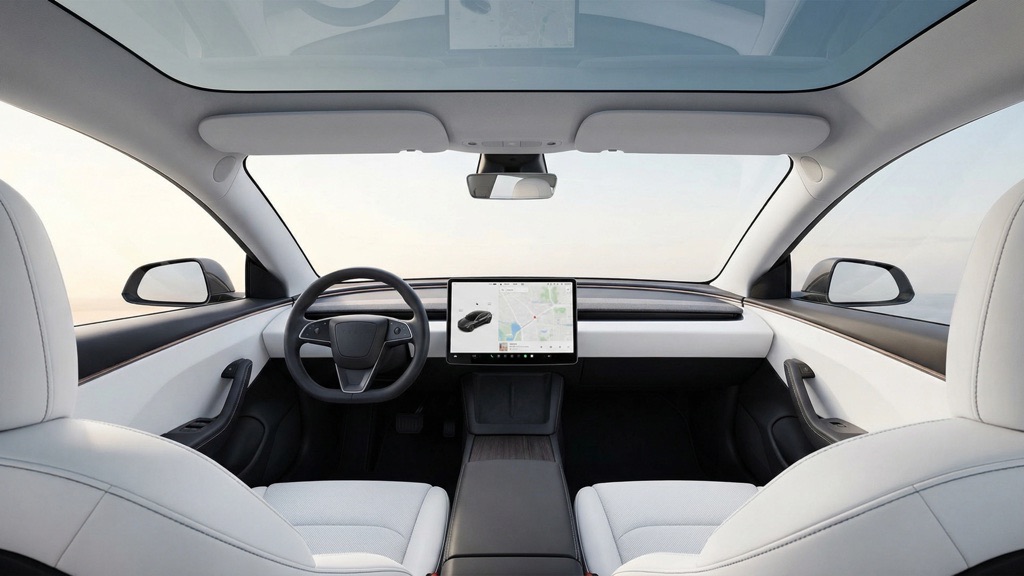
Still industry-leading.
- Best route planning
- Seamless Supercharger preconditioning
- OTA updates that genuinely improve the car
- Fast, responsive UI
But let’s be honest:
If you dislike touchscreen-only climate and mirror controls, this car will frustrate you daily.
That’s not a small issue — it’s a lifestyle preference.
👍 Pros & 👎 Cons
👍 Pros
- Class-leading real-world efficiency
- Best integrated charging ecosystem
- Excellent battery thermal management
- Strong resale demand (historically)
- OTA software ecosystem ahead of legacy brands
👎 Cons
- Minimalist cabin lacks warmth
- Everything through touchscreen
- Ride still firm for some buyers
- Insurance can be higher than that of Hyundai
- Tesla price cuts can impact resale unpredictably
⚖️ Extended Competitor Comparison (2026)
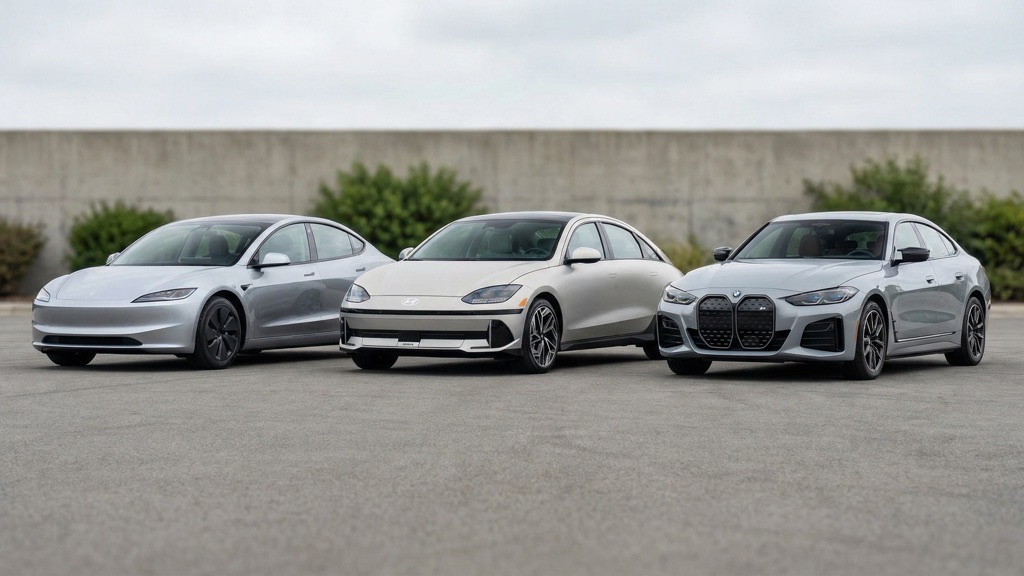
| Model | Real Highway Range | Charging (10–80%) | Starting Price | Key Difference |
|---|---|---|---|---|
| Tesla Model 3 LR | ~280–300 mi | ~25 min | ~$45k | Best efficiency balance |
| Hyundai Ioniq 6 | ~260–290 mi | ~18–20 min | ~$42k | Faster peak charging |
| BMW i4 | ~240–270 mi | ~30 min | ~$52k | Premium cabin feel |
| Polestar 2 | ~230–260 mi | ~28–30 min | ~$49k | Scandinavian design, Google OS |
Expert Insight:
- If you road-trip often → Model 3 is still the easiest to live with.
- If you mostly charge at home → Ioniq 6 may be a better value.
- If interior quality matters most → BMW i4 wins.
Tesla wins on ecosystem, not luxury.
💰 Ownership & Running Costs
Charging Cost (Realistic)
US home charging (avg $0.15/kWh):
- ~ $10–13 per 300 miles
EU home charging:
- ~ €12–18 per 500 km
Supercharging costs more but remains competitive versus third-party DC networks.
Maintenance Expectations
Minimal scheduled maintenance.
Typical long-term costs:
- Tires (heavy torque = faster wear)
- Cabin air filters
- Brake pads last longer due to regen
No oil changes. No transmission services.
Battery Degradation Reality
Fleet data suggests:
- ~90% capacity after 100,000 miles
- Gradual decline afterward
- No widespread structural battery failures
Tesla’s thermal management remains one of its biggest long-term strengths.
🧠 Decision Matrix (For Serious Buyers)
| If you want… | Choose |
|---|---|
| Longest highway range per dollar | Model 3 Long Range |
| Fastest charging stops | Ioniq 6 |
| Traditional luxury interior | BMW i4 |
| Google-based infotainment | Polestar 2 |
| Simplest road-trip experience | Model 3 |
This is where the Model 3 justifies itself.
🧠 Final Expert Verdict
🔹 SHORT VERDICT: Buy (Strategic Choice)
If your priority is efficiency, charging reliability, and long-term usability, the 2026 Tesla Model 3 remains one of the smartest EV purchases available.
🔹 DETAILED VERDICT
The ideal buyer:
- Drives 12,000–20,000 miles per year
- Takes regular highway trips
- Values software and ecosystem over interior luxury
- Plans to keep the car 5+ years
The long-term outlook is strong. Tesla’s integration of hardware, battery, and charging network creates ownership stability that many competitors still lack.
Is it the most emotional EV? No.
Is it the most rational EV under $50k? Very possibly.
The 2026 Model 3 is no longer revolutionary.
It’s optimized. And optimization wins.
TL;DR
The 2026 Tesla Model 3 remains one of the most efficient and easiest EVs to own in the US and Europe.
Buy it for range consistency and charging ecosystem.
Skip it if you want luxury textures or physical buttons.
FAQ
Is the Tesla Model 3 worth it in 2026?
Yes — especially the Long Range version for highway drivers.
What is the real highway range at 75 mph?
Around 280–300 miles in good conditions.
How long does 10–80% charging take?
About 25 minutes under ideal conditions.
Is battery degradation a concern?
Not significantly within the first 100,000 miles for most owners.