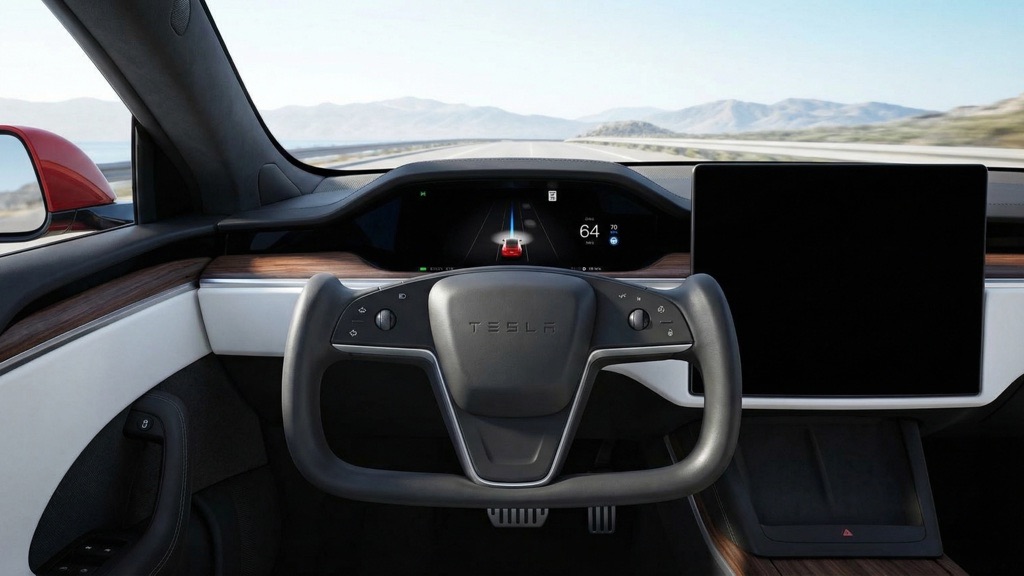
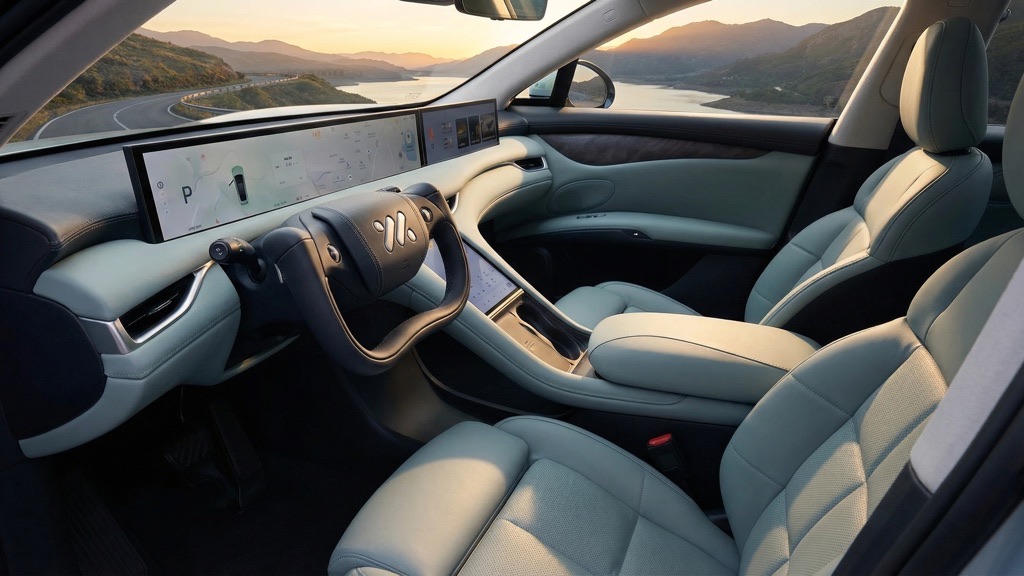
China’s Ministry of Industry and Information Technology has effectively banned yoke-style steering wheels through new mandatory safety regulations taking effect January 1, 2027, eliminating a design feature pioneered by Tesla that has gained adoption across multiple automakers in the world’s largest EV market. The updated national standard GB 11557-202X removes all technical definitions, testing methods, and compliance pathways for half-steering wheel designs, making it impossible for manufacturers to legally sell vehicles with this feature in China after the deadline.
The decision marks a significant regulatory shift in automotive safety philosophy, prioritizing crash protection over design innovation. Existing vehicles will have approximately 13 months from the regulation’s publication to adapt, while all new models seeking approval must comply immediately upon the January 2027 effective date.
Why China Is Eliminating Yoke Steering Wheels
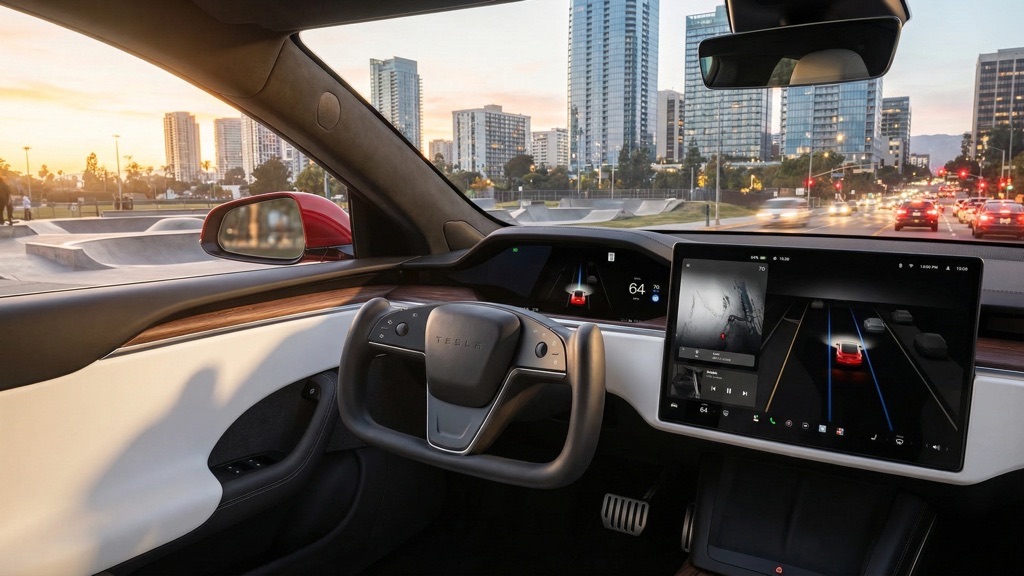
Chinese regulators cite three primary safety concerns that make yoke designs incompatible with updated crash protection standards. First, accident data show that 46 percent of driver injuries originate from steering mechanisms, and traditional wheels provide a significantly larger buffer zone if a driver pitches forward during a collision. A yoke’s missing upper half creates a gap that allows the driver’s body to slip past the rim during secondary impacts, substantially increasing injury risk.
Second, the new regulations mandate impact testing at 10 specific points around the steering wheel rim, including the midpoint of the weakest area and the shortest unsupported section. Yoke designs cannot physically accommodate these testing requirements since critical impact points simply do not exist on a half-wheel structure. This technical incompatibility makes compliance mathematically impossible rather than merely difficult.
Third, airbag deployment presents unpredictable safety hazards with yoke designs. The new rules explicitly forbid hard debris—metal or plastic parts—from being directed toward occupants during airbag inflation. Yoke structures create unstable fragmentation patterns and support structures when airbags deploy at high speed, producing hard projectiles that violate safety requirements and are difficult to predict through high-speed camera testing.
 Cars
Cars
Toyota Unveils FT-Me 2026: Price, Specs, and Release Date
Toyota has officially revealed its all-new FT-Me 2026 — a solar-powered micro EV concept built for city life. With a...
 News
News
Tesla Opens Munich Sales Role for Superchargers and Megachargers: Signals Semi Truck Push into Central Europe
Tesla is hiring a business development lead in Munich for commercial sales of Superchargers and Megachargers in Central Europe. This...
 Cars
Cars
Ford Puma Gen-E: Electrifying the Compact Crossover Segment
The Electric Evolution of a Familiar Favorite Ford is making waves in the electric vehicle market with the Puma Gen-E,...
Impact on Tesla and Other Manufacturers
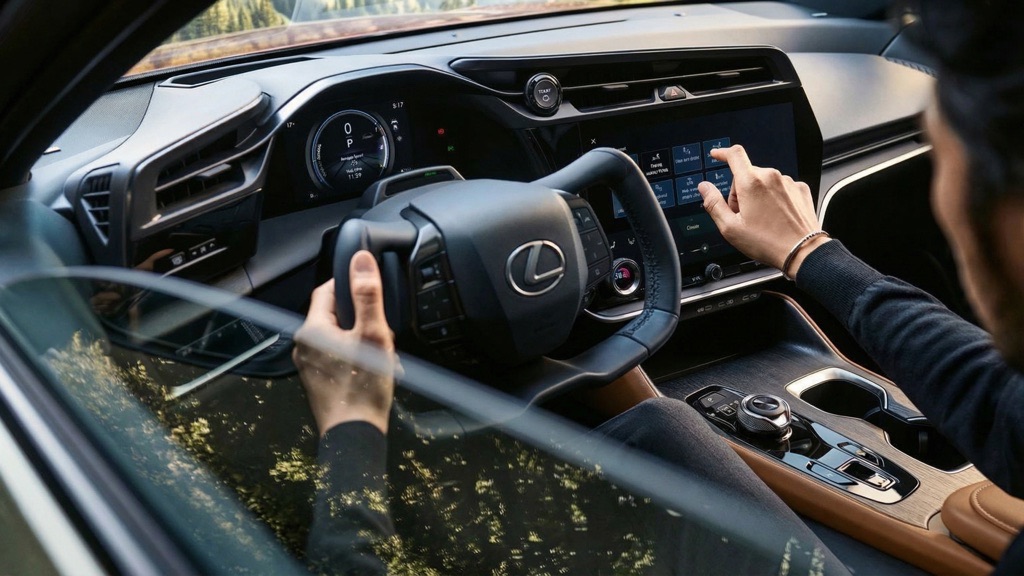
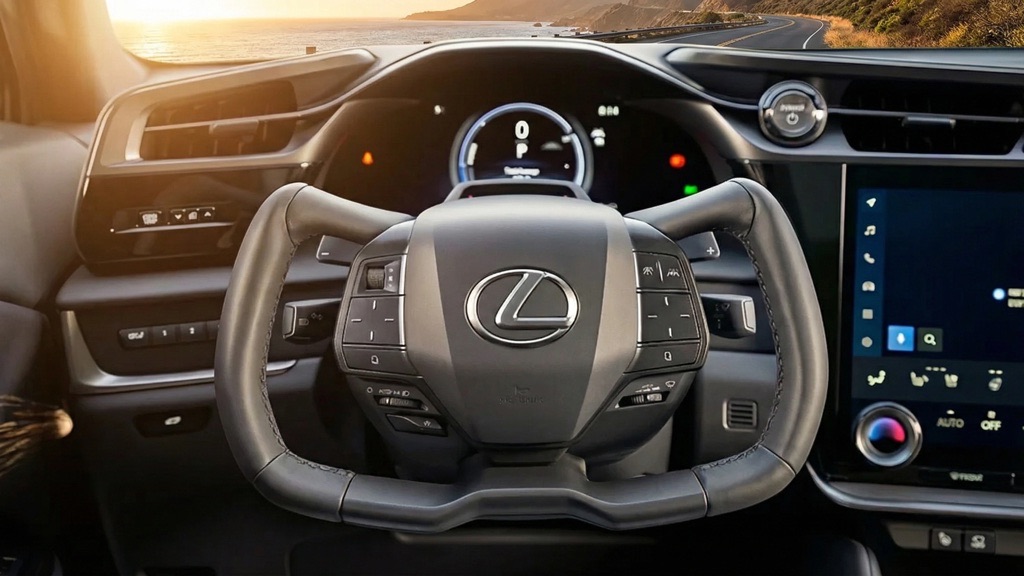
Tesla currently offers yoke steering wheels as optional equipment on the Model S and Model X in China, with the Model S Plaid featuring the design as standard. The company will need to discontinue this option or redesign affected models to comply with the January 2027 deadline. Lexus’s RZ SUV, which incorporates a yoke design paired with a steer-by-wire system, faces similar compliance requirements.
The regulation creates a practical challenge for manufacturers who adopted yoke designs to differentiate their vehicles in the competitive EV market. Beyond crash safety, regulators also noted that road vehicles require large steering inputs for parking and U-turns—unlike Formula 1 race cars where yoke designs originated—leading to documented complaints from Tesla drivers about urban maneuvering difficulty. Lexus attempted to address this limitation through high-speed gearing via steer-by-wire, but the new rules target broad compliance across all designs.
Broader Safety Regulation Updates
The yoke steering wheel ban is part of a comprehensive update to China’s 2011 steering safety standard. The new regulations also tighten crash safety requirements across multiple areas, aligning steering impact forces with international norms and capping horizontal force at 11,110 newtons per UN rules. Steering column movement during impacts faces stricter limitations, and the regulations introduce mandatory physical controls for turn signals, hazard lights, gear selectors, and emergency calling functions.
These broader changes reflect China’s regulatory approach to autonomous and semi-autonomous vehicle safety, requiring manufacturers to provide documented evidence that level three and four assisted driving systems can handle daily and high-risk scenarios. The comprehensive nature of the update suggests Chinese regulators are tightening safety standards across multiple vehicle design elements simultaneously.
Comparison: How This Affects the EV Market
| Manufacturer | Affected Model(s) | Current Status | Required Action |
|---|---|---|---|
| Tesla | Model S, Model X | Yoke optional/standard | Discontinue or redesign by Jan 1, 2027 |
| Lexus | RZ SUV | Yoke with steer-by-wire | Redesign the steering system |
| Other EV makers | Various models | Limited yoke adoption | Revert to traditional wheels |
What This Means for Global EV Design
China’s ban signals that yoke steering wheels face significant regulatory headwinds in major markets, despite their adoption by premium manufacturers seeking design differentiation. The decision prioritizes measurable crash safety data over aesthetic or technological innovation, establishing a precedent that other regulatory bodies may follow. The United States and European Union have not yet proposed similar bans, though the Chinese regulations’ emphasis on crash protection aligns with international safety philosophies.
For manufacturers, the ban reinforces that design features must pass rigorous safety testing across multiple impact scenarios. The requirement for 10 specific impact test points effectively creates a technical standard that only traditional wheels can satisfy, making this a de facto design mandate rather than a performance-based regulation.
Verdict
China’s yoke steering wheel ban represents a decisive regulatory choice favoring crash safety over design innovation. While yoke wheels offered manufacturers a distinctive design element and Tesla a signature feature, the safety data supporting traditional round wheels—particularly regarding secondary impact protection and airbag deployment—proved compelling to Chinese regulators. The January 1, 2027, deadline gives manufacturers approximately 13 months to redesign affected models, though Tesla and Lexus will face the most immediate pressure. This regulation is relevant to any EV buyer in China considering models with yoke steering wheels and signals that such designs may face increasing scrutiny in other major markets as safety data accumulates.