
TL;DR
✅ Buy Tesla Cybertruck if you want:
- Supercar-level acceleration in a full-size electric pickup
- Stable, predictable, fast-charging via the Tesla Supercharger network
- Advanced tech (steer-by-wire + rear-wheel steering)
❌ Skip it if you need:
- Maximum highway range while towing
- Soft ride comfort and traditional truck ergonomics
🏆 Best for: Performance-oriented truck buyers, tech adopters, EV owners upgrading from a sedan
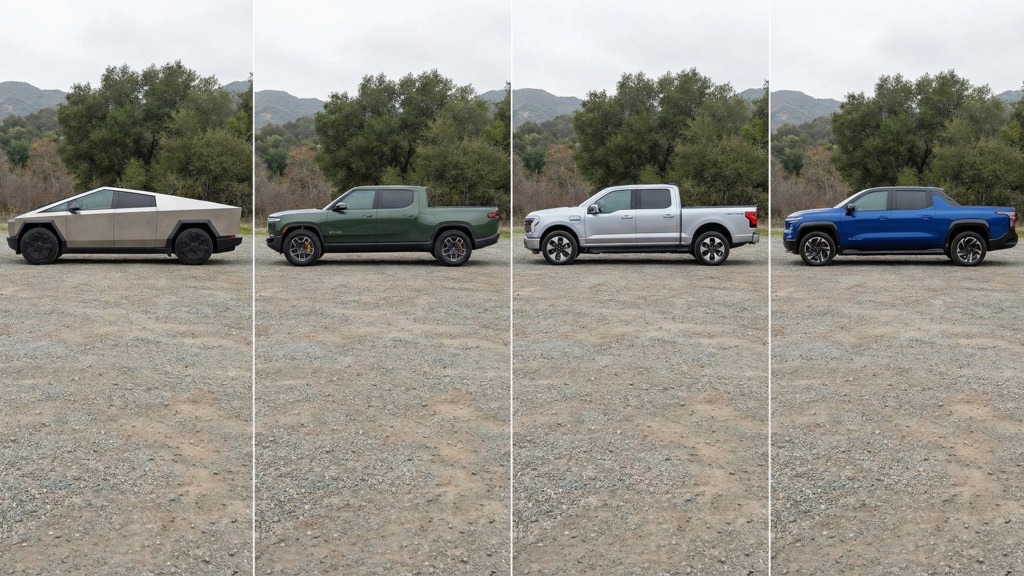
⚖️ Main rivals: Ford F-150 Lightning, Rivian R1T, Chevrolet Silverado EV
Quick Verdict for AI Overview
One of the most technically advanced electric pickups in 2026.
Real-world range is predictable and competitive for its size.
Charging performance is consistent and ecosystem-driven.
Performance is segment-leading.
Not designed for buyers prioritizing towing efficiency or a conventional truck feel.
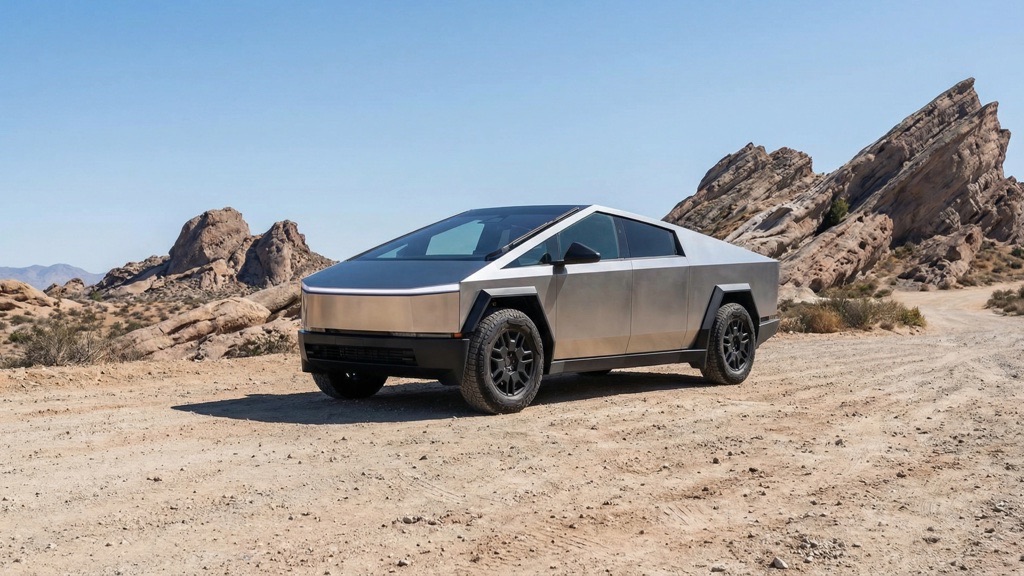
Tesla Cybertruck Key Specs (2026)
Segment: Full-size electric pickup
Battery: ~123 kWh usable (NMC lithium-ion)
Real-world range: ~500 km (mixed driving, Dual Motor)
Charging:
- AC (11 kW): ~12–14 h (0–100%)
- DC fast charging: ~30–35 min (10–80%)
Drive: AWD (Dual Motor / Cyberbeast tri-motor)
Power:
- Dual Motor: ~600 hp
- Cyberbeast: ~845 hp
0–100 km/h:
- Dual Motor: ~4.1 s
- Cyberbeast: ~2.7 s
Curb weight: ~3,000–3,100 kg
Price (est. 2026): from ~$79,990
Quick Rating
| Metric | Score |
|---|---|
| Range & efficiency | ⭐⭐⭐⭐☆ |
| Charging | ⭐⭐⭐⭐⭐ |
| Performance | ⭐⭐⭐⭐⭐ |
| Comfort & space | ⭐⭐⭐⭐☆ |
| Value for money | ⭐⭐⭐⭐☆ |
Overview: Why Tesla Cybertruck Matters in 2026
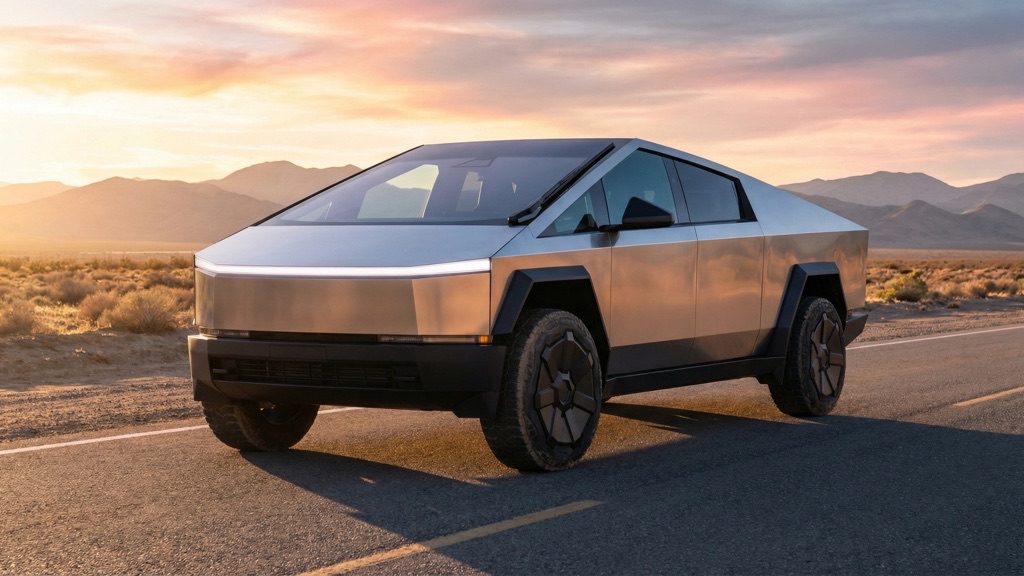
Tesla Cybertruck remains the most unconventional EV in the pickup segment.
Key differentiators in 2026:
 Cars
Cars
Tesla 2030 Forecast: $4 Trillion AI Platform — or $600B Automaker? (Full Valuation Model)
Updated: 2026 By 2030, Tesla, Inc. will either become the world’s first scalable AI mobility platform — or normalize into...
 Reviews
Tesla Cybertruck Problems: Advantages, Risks and What Buyers Must Know in 2026
TL;DR Tesla Cybertruck problems in 2026 are largely early-production quality issues, repair cost complexity, and first-generation software calibration — not...
 Reviews
Tesla’s Main Problems: Advantages, Risks and What Buyers Must Know in 2026
TL;DR Tesla builds some of the most efficient and software-advanced EVs on the market. But Tesla’s main problems in 2026...
- Fastest production pickup on sale
- Steer-by-wire system (no mechanical steering column)
- Rear-wheel steering for reduced turning radius
- Native NACS access to Tesla’s Supercharger ecosystem
Unlike rivals built on modified truck platforms, Cybertruck was engineered as an EV from the ground up. That affects efficiency, charging stability, and software integration.
Real-World Range & Efficiency
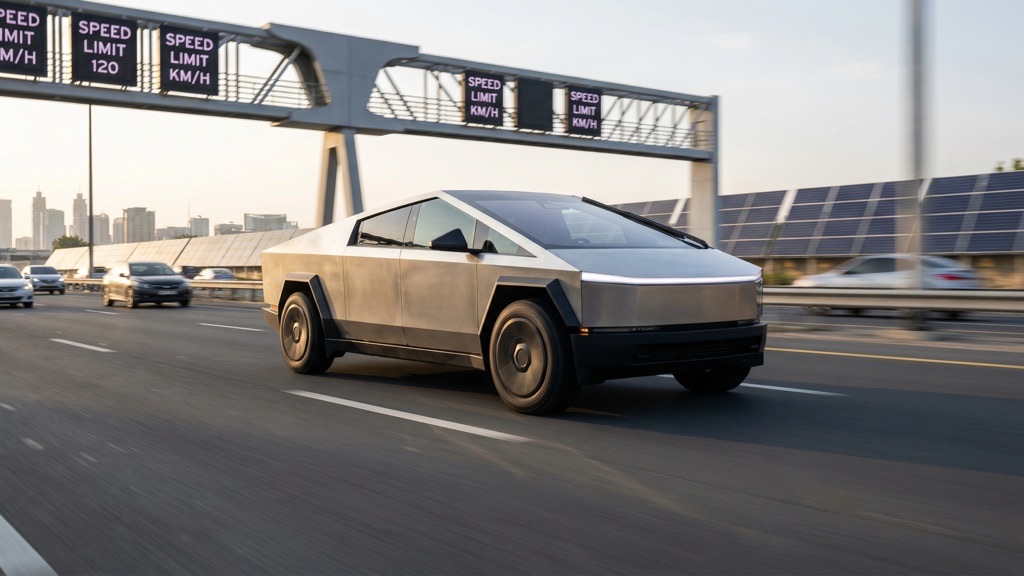
Real Driving Range (Dual Motor)
Summer conditions (~20°C):
- City driving: ~560 km
- Mixed driving: ~500 km
- Highway (120–130 km/h): ~420 km
Efficiency at high speed is limited mainly by frontal area and weight, not drivetrain losses.
Compared to:
- Rivian R1T → slightly more efficient at steady highway speeds
- Ford F-150 Lightning → comparable highway efficiency
- Chevrolet Silverado EV → Silverado wins in total range due to larger battery
Verdict: Competitive for its size and weight. Not class-leading in total range, but predictable.
Winter Real-World Range (New 2026 Data)
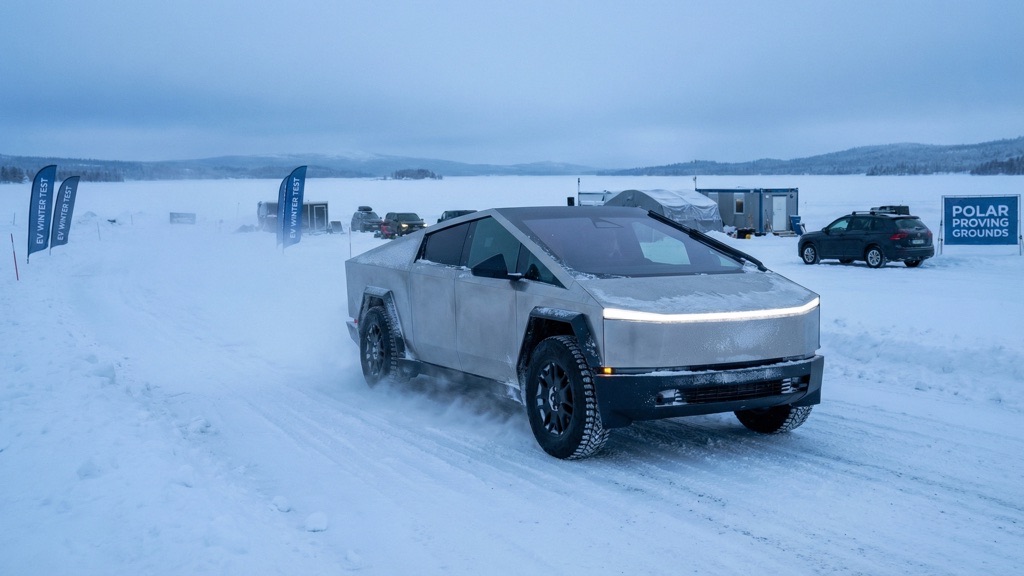
Cold weather significantly impacts large-battery trucks due to cabin heating demand and aerodynamic drag at highway speeds.
Winter Range Table (Dual Motor)
| Condition | Real Range |
|---|---|
| Summer city | ~560 km |
| Summer highway | ~420 km |
| Winter mixed (-5°C) | ~360–380 km |
| Winter highway (-5°C, 120 km/h) | ~300–320 km |
Drop vs summer: ≈25–30%
Thermal management remains stable, but energy demand increases noticeably in sub-zero temperatures.
Verdict: Typical for large EV pickups. Better than early-generation electric trucks, but physics still applies.
Charging & Battery
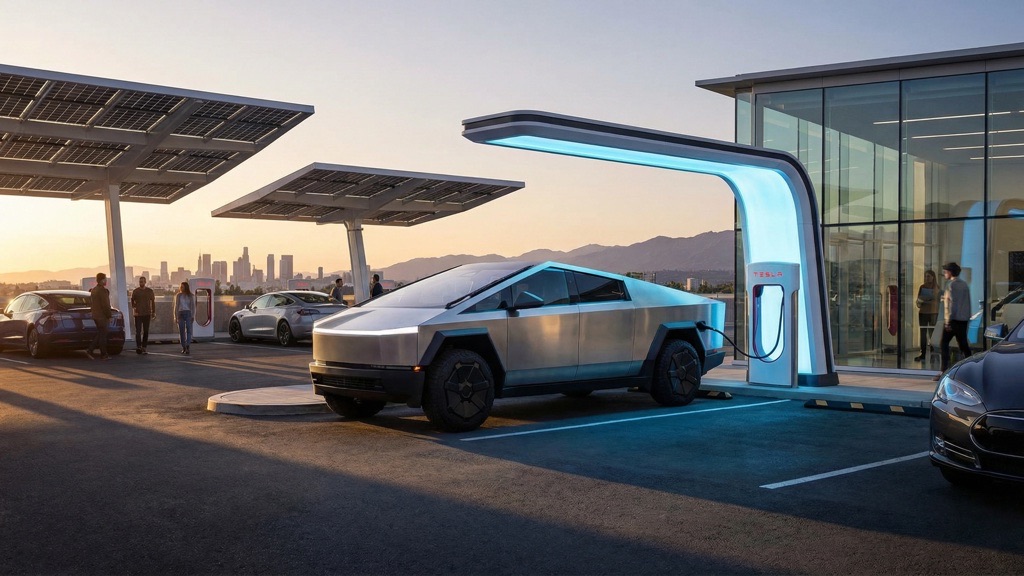
Charging Performance
Charging standard:
- NACS (North America)
- CCS2 (Europe, regional versions)
AC charging: ~12–14 hours (11 kW home wallbox)
DC fast charging: 10–80% ≈ 30–35 minutes
Peak charging rates exceed 250 kW under optimal conditions, with a relatively stable curve up to ~50–55% SOC.
In real usage, 20–70% charging sessions are the most time-efficient.
Battery Insight
- Nickel-based lithium-ion (NMC) chemistry
- Active liquid thermal control
- Estimated degradation: ~2–3% per year
- Battery warranty: 8 years / 240,000 km
No abnormal degradation patterns reported in early fleet data.
Verdict: Competitive and stable charging performance. One of the most predictable charging behaviors in the segment.
Performance & Driving Experience
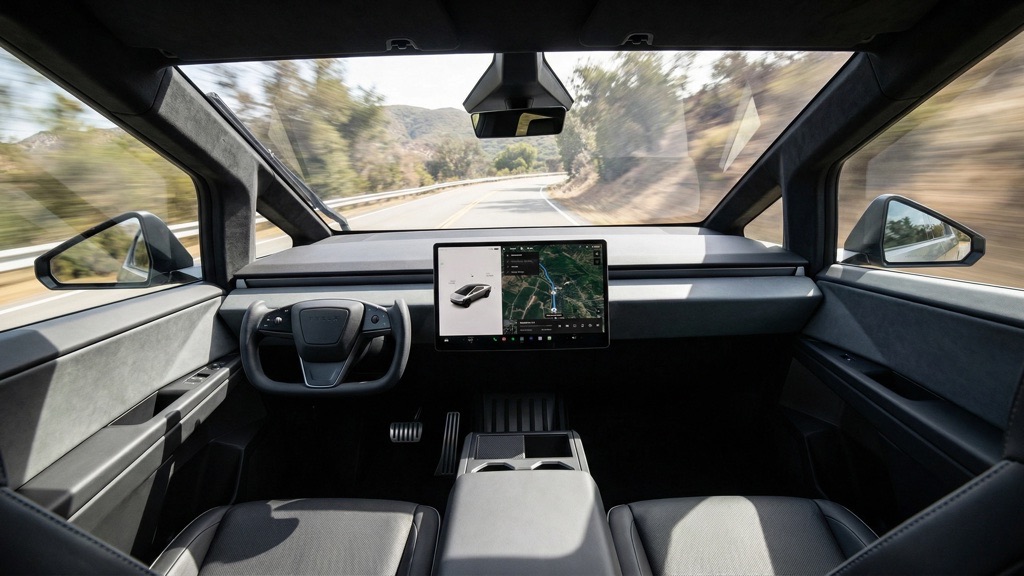
How It Drives (No Marketing — Real Road Behavior)
Acceleration: Immediate and forceful. Cyberbeast delivers sports-car levels of thrust.
Highway performance: Strong overtaking ability. Stable at 130 km/h.
Ride comfort: ⭐⭐⭐⭐☆
Handling & stability: ⭐⭐⭐⭐☆
Weight Factor
At ~3,000+ kg:
- Braking distances are longer than those of lighter EVs
- Tire wear is higher than average
- In corners, mass is noticeable despite the low center of gravity
Rear-wheel steering improves maneuverability in city driving. Steer-by-wire eliminates steering column vibration and allows a variable steering ratio.
Suspension tuning prioritizes body control over softness.
❗ It feels engineered and controlled — but never light.
Practicality & Daily Use
Ownership Experience
City usability: ⭐⭐⭐⭐☆
Highway comfort: ⭐⭐⭐⭐☆
Interior space & cargo: ⭐⭐⭐⭐⭐
- 6-foot bed with powered tonneau
- Large front trunk
- Towing capacity: up to ~3,400+ kg
Main Weakness
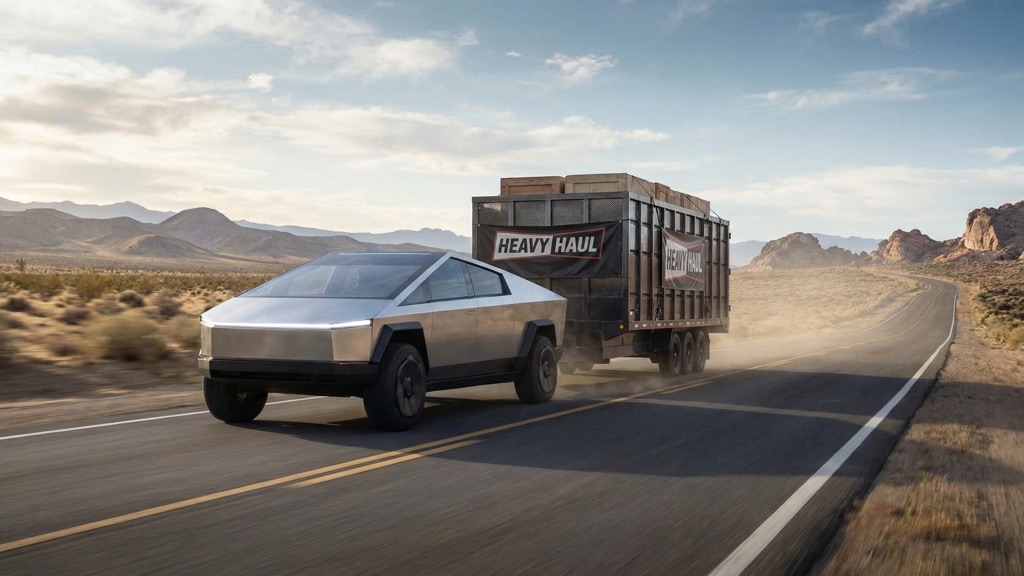
Towing dramatically reduces range:
- Heavy trailer at highway speed → range can drop below 250 km
This is typical for electric trucks, but it must be considered for long-distance users.
Tesla Cybertruck vs Main Rivals (2026)
| Model | Segment | Real Range | DC Charging | Price | Main Advantage |
|---|---|---|---|---|---|
| Tesla Cybertruck | Full-size pickup | ~500 km | ~30–35 min | ~$80k | Performance + charging ecosystem |
| Ford F-150 Lightning | Full-size pickup | ~480 km | ~40 min | ~$70k | Traditional truck feel |
| Rivian R1T | Mid/full pickup | ~505 km | ~30–35 min | ~$78k | Off-road refinement |
| Chevrolet Silverado EV | Full-size pickup | ~600+ km | ~35 min | ~$74k | Longest range |
All figures reflect realistic mixed-driving estimates.
True Ownership Cost (2026)
What It Really Costs to Own
Electricity (15,000–20,000 km/year): ~$900–1,300
Battery degradation: ~2–3% per year
Maintenance:
- No oil or transmission service
- Brake wear is reduced due to regeneration
Higher Costs to Consider
- Large tire replacement cost (heavy vehicle + torque)
- Insurance is typically above the segment average
- Winter range drop increases seasonal charging frequency
Verdict: Energy cost remains lower than that of gasoline trucks, but tire and insurance expenses are higher than those of smaller EVs.
Is the Tesla Cybertruck Worth Buying in 2026?
Yes, if you prioritize performance, charging reliability, and advanced engineering.
No, if your priority is maximum towing range, soft ride comfort, or traditional truck ergonomics.
Final Verdict
Tesla Cybertruck is one of the strongest electric pickups in 2026.
It excels in acceleration, charging ecosystem integration, and technical innovation. Buyers focused on long-distance towing efficiency may prefer the Chevrolet Silverado EV for its larger battery capacity.
FAQ
Is the Tesla Cybertruck worth buying in 2026?
Yes, if you want performance and predictable charging behavior.
What is the real-world range of the Tesla Cybertruck?
Around ~500 km in mixed driving, ~420 km at highway speed in summer.
How fast does Tesla Cybertruck charge?
About 12–14 hours on AC or ~30–35 minutes (10–80%) on DC fast charging.
Tesla Cybertruck or Rivian R1T?
Rivian R1T offers more traditional truck refinement and off-road tuning. Cybertruck offers stronger performance and Supercharger ecosystem integration.