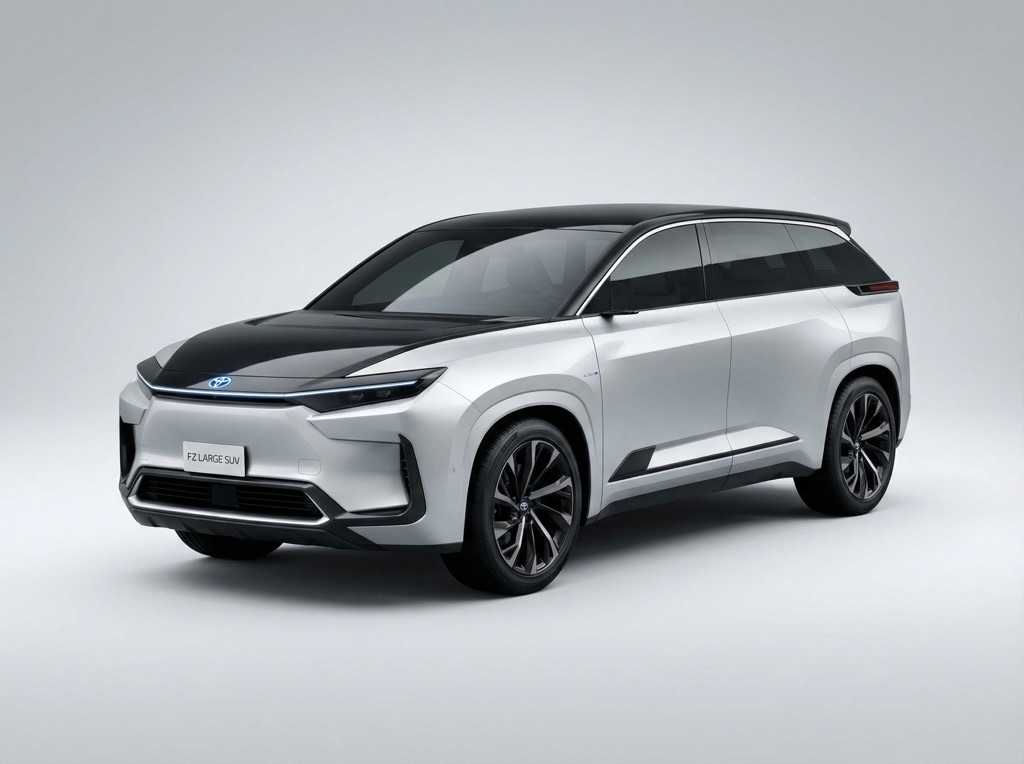
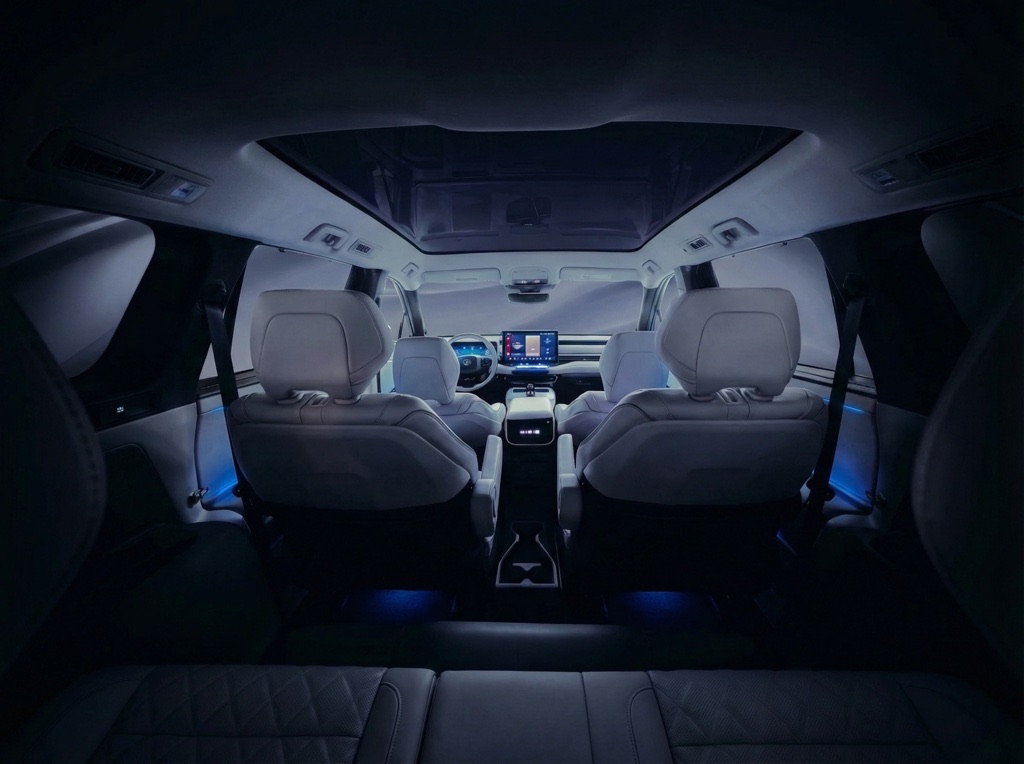
Toyota has released interior teaser images confirming three rows of seating in its upcoming electric SUV, set to debut fully on February 10, 2026. This model addresses Toyota’s lack of a three-row EV option, positioning it as a direct electric counterpart to the gas-powered Grand Highlander for large families needing space and long-range capability.
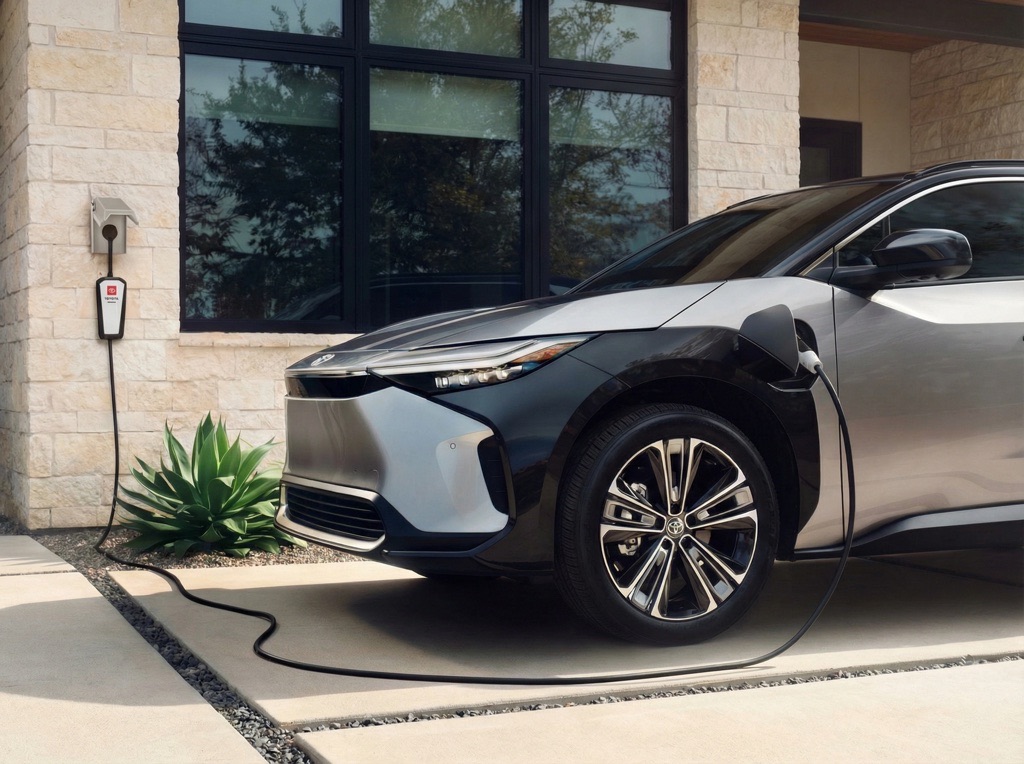
The teaser reveals a modern cabin with a large protruding touchscreen, middle-row climate controls, and a massive glass roof, built at Toyota’s Georgetown, Kentucky plant with NACS charging compatibility for Tesla Supercharger access.
Background: Toyota’s Push into Larger EVs
Toyota has expanded its U.S. EV lineup in 2026 with the updated bZ (formerly bZ4X), bZ Woodland, and reborn C-HR electric SUV, but none offer three rows, leaving a gap against competitors like the Kia EV9. The company announced in 2024 a $1.3 billion investment in its Georgetown, Kentucky, facility to produce two new three-row battery electric SUVs starting in 2026—one for Toyota and a related version for Subaru, building on their EV partnership.
Production was shifted from an initial Indiana plan to Kentucky to meet demand, with the boxy design echoing the Grand Highlander (over 5,080 mm long) rather than the standard Highlander (around 4,950 mm). This aligns with Toyota’s strategy to localize EV manufacturing amid growing U.S. demand for family-sized electrics.
Key Specifications
Full technical details remain unconfirmed ahead of the February 10 reveal, but teasers and context provide these highlights:
| Specification | Details |
|---|---|
| Seating | Three rows confirmed; second-row captain’s chairs visible, third-row with USB ports and legroom |
| Dimensions | Expected >5,080 mm long (Grand Highlander size); larger than bZ Woodland (4,831 mm) |
| Infotainment | 14-inch style protruding touchscreen for navigation/music; middle-row climate controls |
| Panoramic Roof | Massive glass roof across the cabin |
| Charging | NACS port; 10-80% in ~30 minutes (under ideal conditions) |
| Powertrain | Dual-motor AWD EV indicated on screens; details not yet confirmed |
| Range/Power | Details not yet confirmed; bZ Woodland reference: 375 hp, 418 km WLTP |
| Production | Georgetown, KY (2026 start); 2027 model year expected |
| Naming | Possibly bZ Highlander or Highlander EV; numbers dropped from the bZ lineup |
Design and Interior Analysis
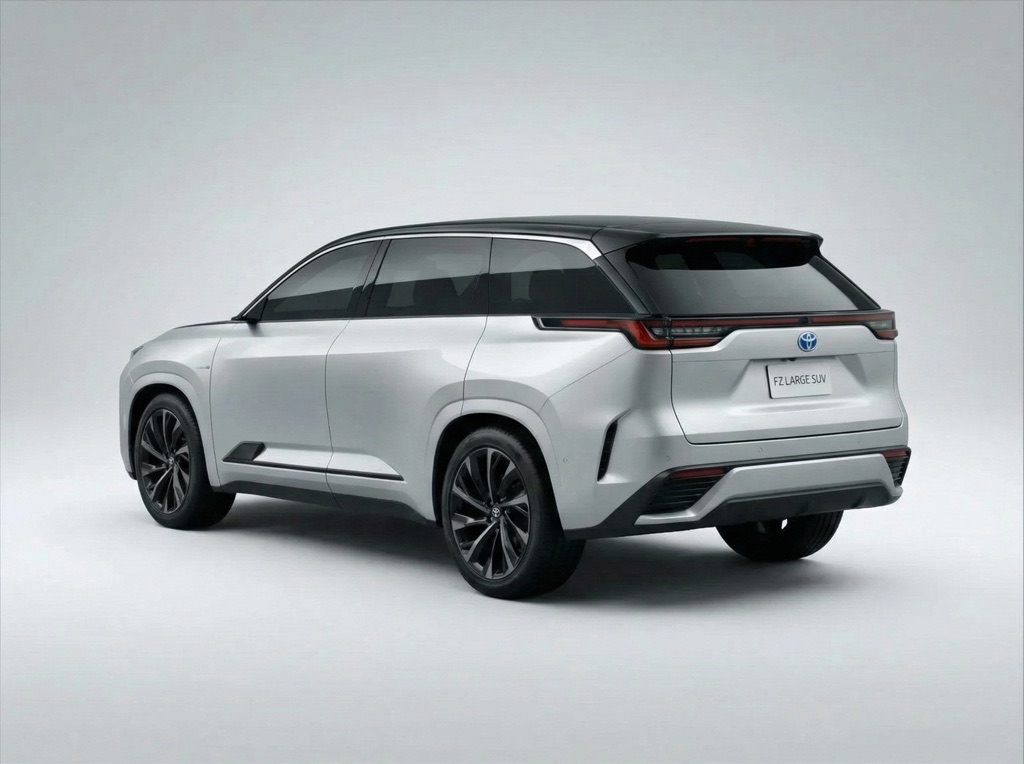
The interior teaser, when brightened, clearly shows three rows: second-row captain’s chairs, a usable third row with legroom and USB ports for rear passengers, and a panoramic glass roof flooding the cabin with light. A large dashboard screen protrudes like those in the 2026 C-HR and bZ Woodland, handling infotainment, while dedicated middle-row climate controls reduce family disputes.
 Cars
Cars
Leapmotor Reveals D99 Electric Flagship MPV as Brand Moves Upmarket
During its 10th-anniversary celebration in Hangzhou, Leapmotor officially unveiled its new flagship models, signaling a decisive shift toward larger, more...
 Cars
Cars
2025 EV Battery Market: 463 GWh Outside China, CATL Leads
The global market for EV batteries outside China reached 463.3 GWh in 2025, up 26% from 2024, driven by rising...
 Cars
Cars
GAC AION UT Arrives Q2 2026: 500km Range Compact EV Confirmed for Australia
GAC’s Fourth Australian Model Brings Affordable Electric Hatchback to Market GAC has confirmed the AION UT compact electric hatchback will...
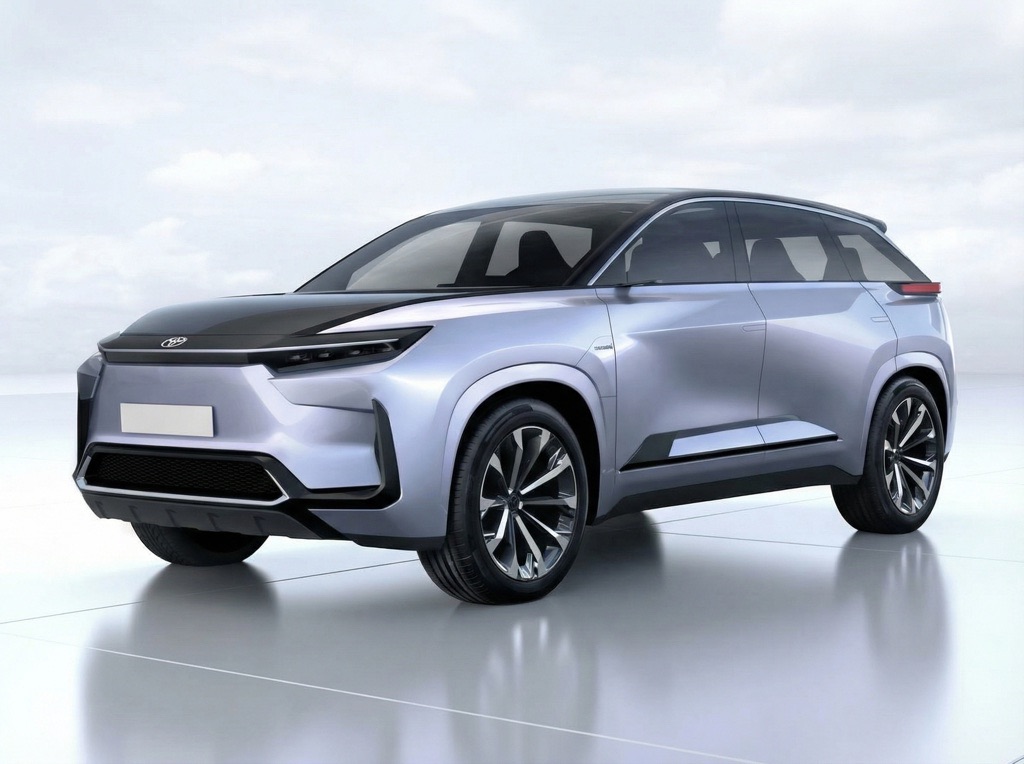
Exterior previews depict a boxy shape with a square greenhouse, thin dual LED taillights, and tapered bodywork, departing from Toyota’s current gas SUVs but matching the Grand Highlander’s proportions for maximum cargo and passenger space. Instrument cluster screens hint at dual-motor AWD power delivery and a 199-mile range figure (possibly remaining range at low-80% battery), though this is unverified from the dim image.
Powertrain and Charging Expectations
Toyota confirms NACS adoption, enabling access to Tesla’s vast Supercharger network, with 10-80% charging in about 30 minutes under optimal conditions—critical for family road trips. Powertrain specifics are absent, but screens suggest all-electric dual-motor AWD; the larger size compared to bZ Woodland (375 hp, 418 km range) implies a bigger battery for competitive range.
Unanswered questions persist: Will it offer hybrid/PHEV variants alongside pure EV, or replace the gas Grand Highlander? Exact range, horsepower, pricing, and EPA estimates await the reveal.
Market Positioning and Production
Building in Kentucky supports Toyota’s U.S. EV ramp-up, potentially qualifying for incentives while meeting demand for American-made vehicles. A Subaru sibling underscores platform sharing, similar to past collaborations, expanding reach without duplicating R&D.
This SUV targets families underserved by Toyota’s current two-row EVs, competing in a segment where EVs like Kia EV9 lead but Toyota lags. On-sale timing points to late 2026 as a 2027 model.
Comparison with Competitors
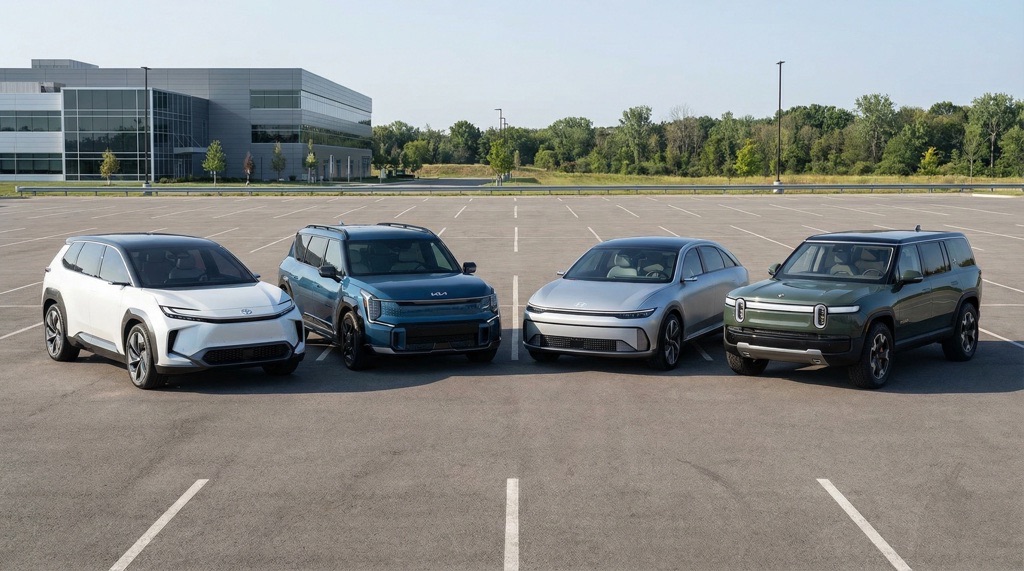
| Model | Seating/Length | Power/Range | Price (Est.) | Key Edge |
|---|---|---|---|---|
| Toyota 3-Row EV (2027) | 3 rows/>5,080 mm | TBD/>418 km? | TBD | NACS access, Toyota reliability |
| Kia EV9 (2026) | 3 rows/5,015 mm | 379 hp/451 km WLTP | $56,000+ | Established sales, V2L |
| Hyundai Ioniq 9 | 3 rows/~5,200 mm | TBD/up to 500 km? | TBD | Longer wheelbase, luxury focus |
| Rivian R2 | 3 rows/5,000 mm | Up to 665 hp/580 km | $45,000 | Off-road capability |
Toyota’s entry lags in confirmed specs but leverages brand trust and NACS for charging ease; Kia EV9 sets the benchmark with proven range, while the upcoming Ioniq 9 may stretch interior space further.
Verdict
Toyota’s three-row EV teaser signals a credible family hauler with proven elements like NACS and spacious design, ideal for Highlander loyalists transitioning to electric without sacrificing utility. It’s for parents prioritizing reliability, U.S. production, and Supercharger access over bleeding-edge performance—though range and pricing must impress at reveal to challenge Kia/Hyundai dominance. Critical gaps like exact battery size and hybrid options remain; this could redefine Toyota’s EV family role if specs deliver.