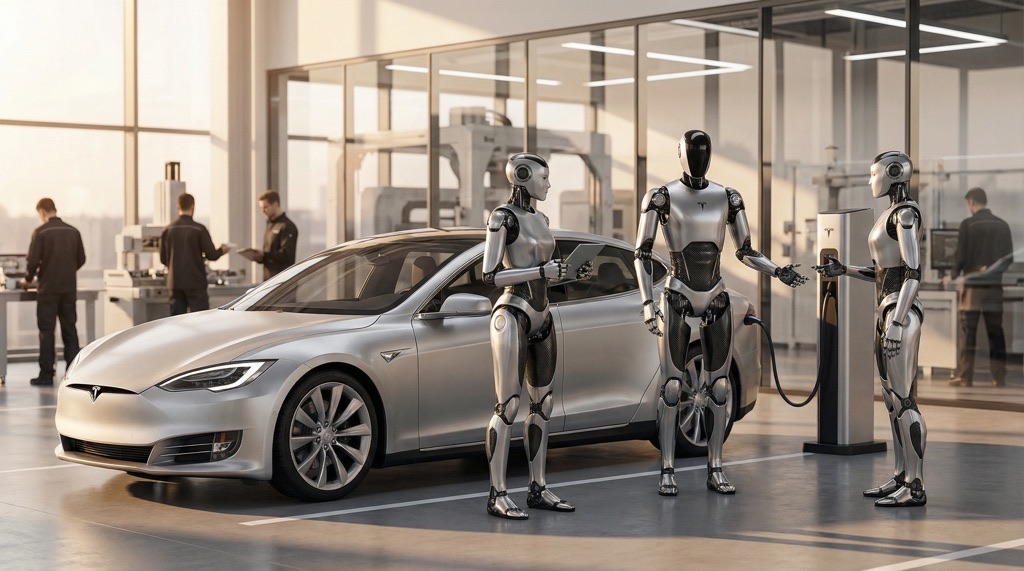

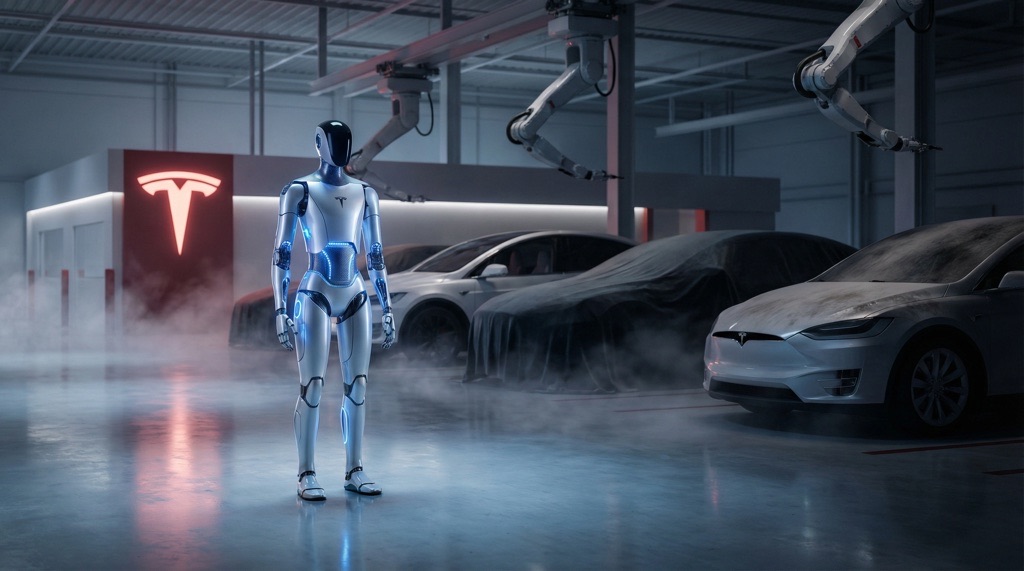
Tesla will cease Model S and Model X assembly in Q2 2026, redirecting Fremont factory capacity to manufacture up to 1 million Optimus humanoid robots annually. This shift, announced by Elon Musk during the Q4 2025 earnings call, prioritizes robotics over aging flagship EVs amid declining sales and financial pressures.
Model S (launched 2012) and Model X (2015) once defined Tesla’s premium segment but now represent under 1% of recent volumes, with 2025 deliveries at ~400,000 units versus 1.5+ million for Model 3/Y. Production halt frees resources for Optimus, targeting consumer sales by end-2026. Service and parts support for existing owners continues indefinitely.
Background: Tesla’s Evolution from Flagship Pioneer to Robotics Pioneer
Tesla transformed the EV market with Model S, the first premium electric sedan to achieve mainstream success, topping owner satisfaction surveys despite early skepticism. Model X followed as an innovative SUV with Falcon-wing doors, though reliability issues marred its debut. These models built Tesla’s reputation but aged without full platform refreshes, losing ground to newer rivals.
By 2025, Tesla’s revenue relied on mass-market Model 3/Y, delivering over 1.5 million units while S/X combined for ~400,000. Sales dipped further after halting China exports in mid-2025 due to import tariffs retaliating against U.S. measures. Annual revenue fell 3% in 2025, profit plunged 46% to $3.8 billion—the lowest in five years, and BYD overtook Tesla as the top EV maker. Shares rose 9% despite challenges. Fremont, Tesla’s oldest U.S. plant, exclusively built S/X and will retool for Optimus, expanding staff to hit 1 million robots/year.
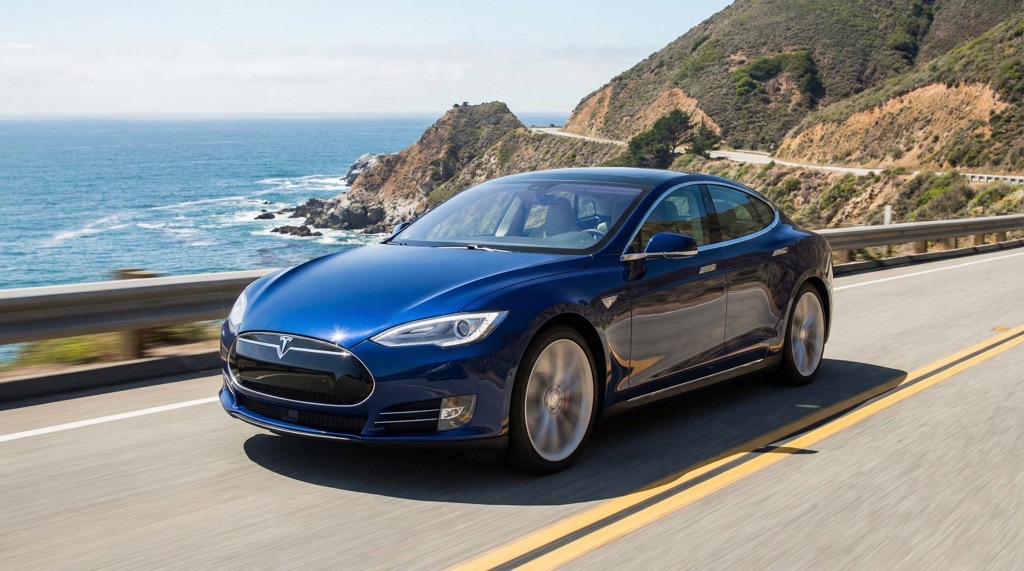
Key Specifications: Model S and X (Final Production Specs)
Before retirement, here’s a snapshot of these flagships’ capabilities:
 Cars
Cars
Tesla Discontinues Model S and Model X by Q2 2026: The End of an Era
Tesla’s Flagship EVs Face Discontinuation as Company Pivots to Robotics Tesla will discontinue its iconic Model S sedan and Model...
 Cars
Cars
Yamaha Y/AI: A Concept Motorcycle That Pushes the Boundaries of Design
Yamaha collaborates with Netflix to create a futuristic concept motorcycle for the anime series “Tokyo Override,” offering a glimpse into...
 News
News
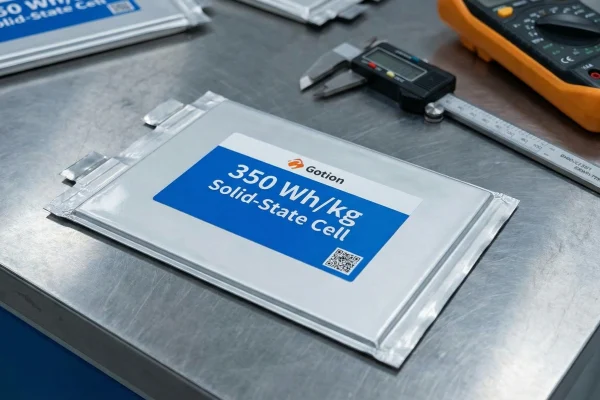
Gotion Finalizes 2GWh Solid-State Battery Line Design: 350 Wh/kg Density Targets 2026 EV Integration
Gotion High-Tech has completed design work on its first 2GWh all-solid-state battery production line, achieving a cell energy density of...
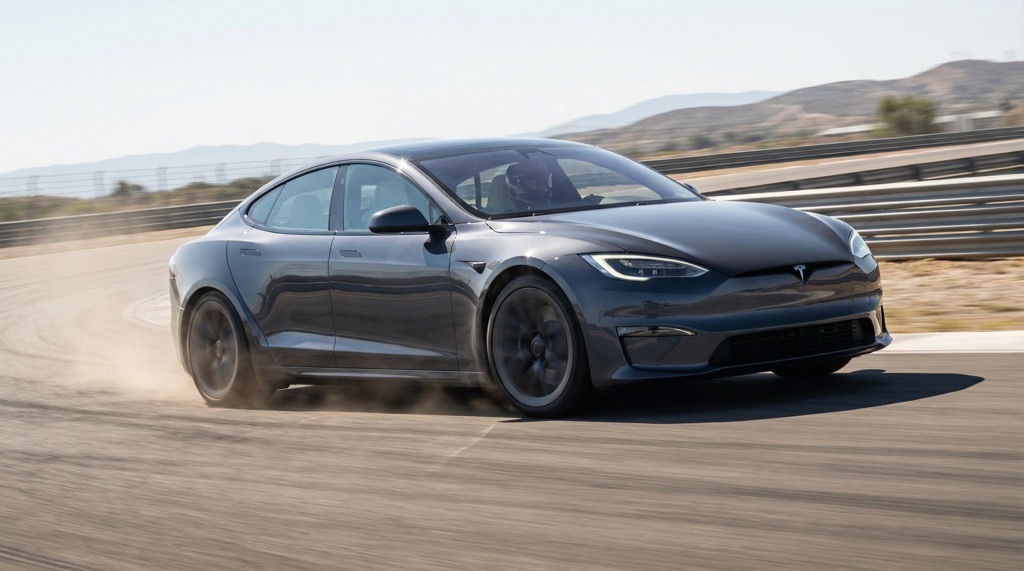
| Specification | Model S (Plaid) | Model X (Plaid) |
|---|---|---|
| 0-60 mph | 1.99 seconds | 2.5 seconds |
| Top Speed | 200 mph | 163 mph |
| Range (EPA) | 396 miles | 326 miles |
| Drive Units | Tri-Motor AWD | Tri-Motor AWD |
| Seating | 5 | Up to 7 |
| Production Start | 2012 | 2015 |
| 2025 Deliveries (Combined) | ~400,000 units | ~400,000 units |
Note: Exact final specs unchanged; deliveries estimated from reports. Optimus specs are undisclosed beyond humanoid form for tasks like household chores.
Analysis: Strategic Pivot Risks and Rewards
Financial Pressures Driving the Cut: Tesla’s 2025 profit drop to $3.8 billion reflects EV market saturation and competition. S/X high costs and low volumes (niшевый product) strained resources amid China tariffs blocking exports. Retooling Fremont accelerates Optimus scaling, potentially generating higher margins than low-volume luxury EVs.
Tech Legacy and Owner Impact: S/X pioneered OTA updates, Autopilot, and performance EVs, influencing industry standards. Owners retain full support, but resale values may soften without new production. No successor sedans/SUVs planned; focus shifts to Robotaxi and next-gen platforms. Critics note platforms’ age hinders competitiveness against Lucid or Rivian.
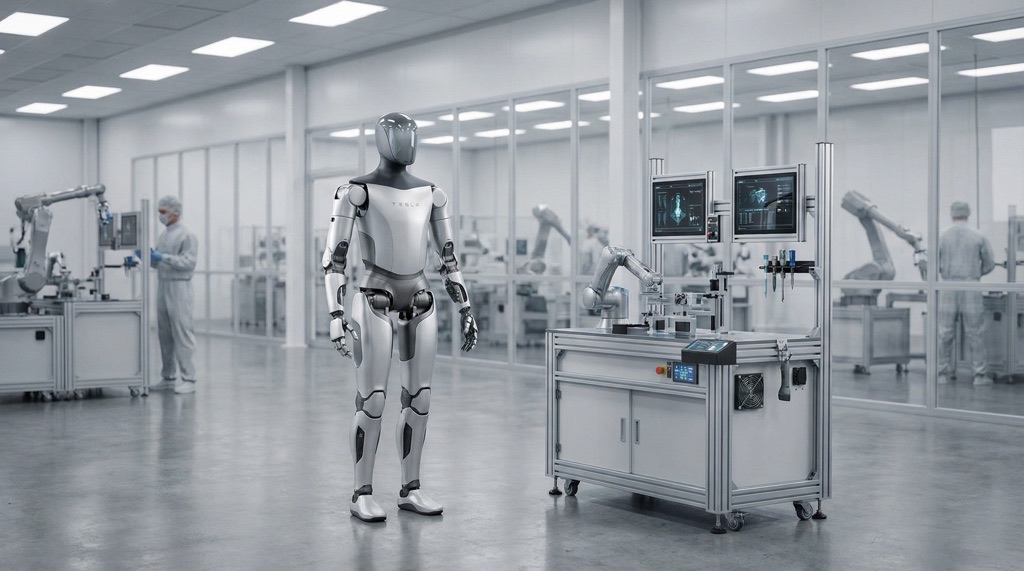
Optimus Ambitions: Musk eyes 1 million units/year on re-purposed lines, with consumer sales by late 2026. Robots target labor shortages in manufacturing/homes, but commercialization timelines have slipped before. Increasing Fremont staff supports ramp-up.
Competition: How Rivals Stack Up
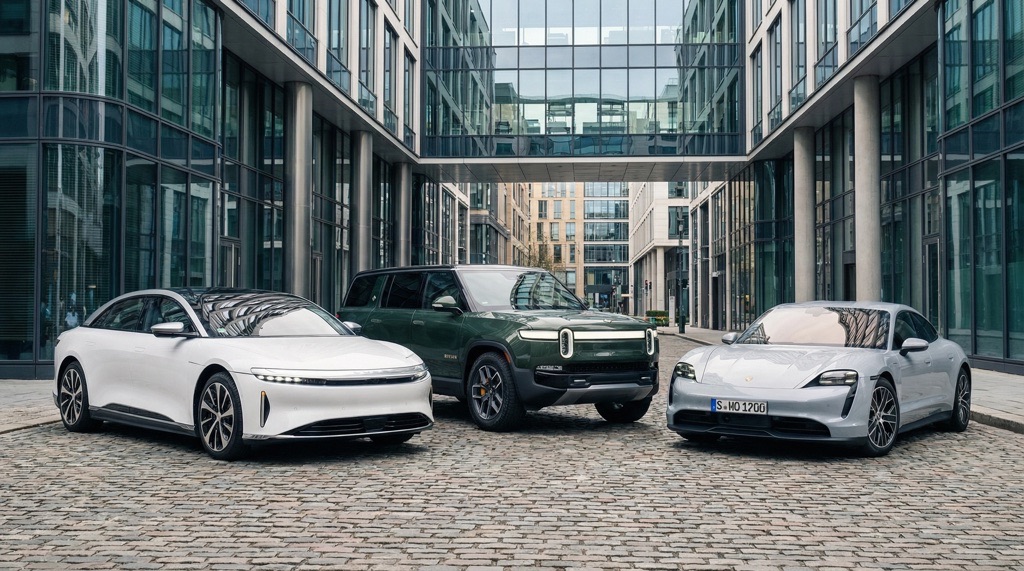
| Model | Brand | Price (est.) | Range | 0-60 mph | Status |
|---|---|---|---|---|---|
| Air | Lucid | $70k+ | 410+ miles | 2.5s | In Production |
| R1S | Rivian | $76k+ | 410 miles | 2.5s | In Production |
| Taycan | Porsche | $100k+ | 300+ miles | 2.4s | In Production |
| Model Y | Tesla | $45k+ | 320 miles | 3.5s | Tesla’s Volume Leader |
Lucid Air and Rivian R1S offer fresher platforms with superior range, filling the S/X void at similar premiums. Porsche Taycan competes on performance. Tesla’s Model Y becomes the de facto flagship for most buyers.
Verdict: Bold Bet for Loyalists and Investors
Tesla’s S/X exit marks a pragmatic end to icons, reallocating for Optimus amid EV slowdowns—this suits robotics enthusiasts and long-term shareholders betting on AI diversification, but premium EV buyers should eye Lucid/Rivian now. Unanswered: Exact Optimus pricing, Robotaxi timeline, and if S/X tech feeds unannounced successors. Production winds down Q2 2026; act fast for new units.