
Kia’s Affordable Hybrid-Electric Crossover Gets Its First Major Update Since 2023
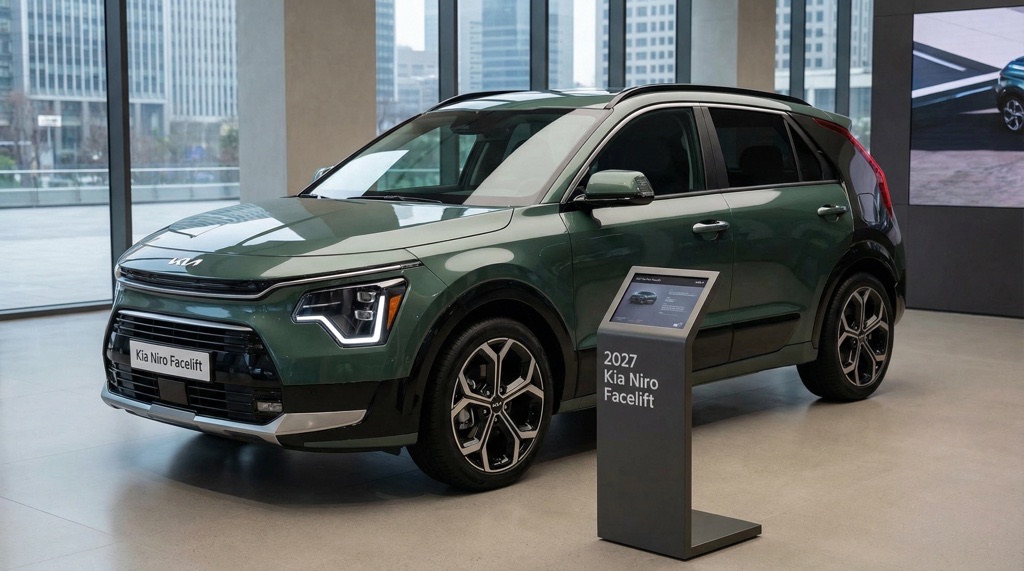
The 2027 Kia Niro is receiving its first significant facelift since launching virtually unchanged in 2023, trading its signature accent-colored C-pillar for a more cohesive design language that mirrors Kia’s electric vehicle lineup. The redesigned crossover, revealed in South Korea, features a modernized front fascia, updated interior screens, and a cleaner rear design—though the hybrid, plug-in hybrid, and electric powertrains are expected to remain largely unchanged when full technical details arrive in March.
Design Evolution: From Distinctive to Unified
The most dramatic visual change is the elimination of the Niro’s characteristic accent-colored C-pillar, which has been a defining feature since the model’s introduction. The pillar now matches the body color and appears slimmer than before, creating a less obvious transition between the rear doors and the C-pillar. This shift reflects Kia’s broader design strategy of unifying its lineup under the “Opposites United” design language used across models from the EV3 to the EV9.
The front end receives the most assertive updates. The new nose eliminates the thin chrome trim that previously stretched across the face, replacing it with a more upright, squared-off design that borrows heavily from Kia’s electric models. The headlights now feature wishbone-shaped daytime running lights similar to the EV2, EV3, EV5, and EV9, while a body-color band between the headlights helps downplay the air intakes required by the combustion and plug-in hybrid variants.
At the rear, the Niro sports a completely redesigned hatch that moves the license plate from the body to the rear bumper—a change borrowed from the ICE-powered Sportage. New smoked taillamps incorporate a slim lighting signature, and a black panel echoing the boomerang shape of the rear lights adds visual cohesion. The updated model rides on new 18-inch wheels.



Interior Refresh: Bigger Screens, Better Integration
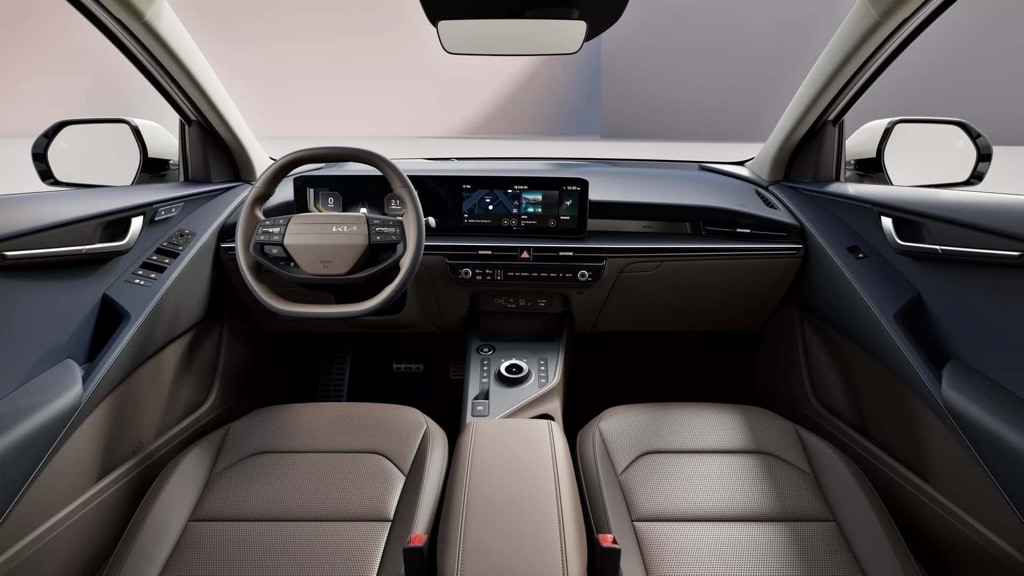
Inside, the most significant upgrade is the integration of Kia’s latest dual 12.3-inch digital display setup, which positions the infotainment and instrument displays behind a single piece of glass. This represents a substantial step up from the outgoing model’s screen configuration and aligns the Niro with more recent Kia models, including the latest Sportage and numbered EV lineup.
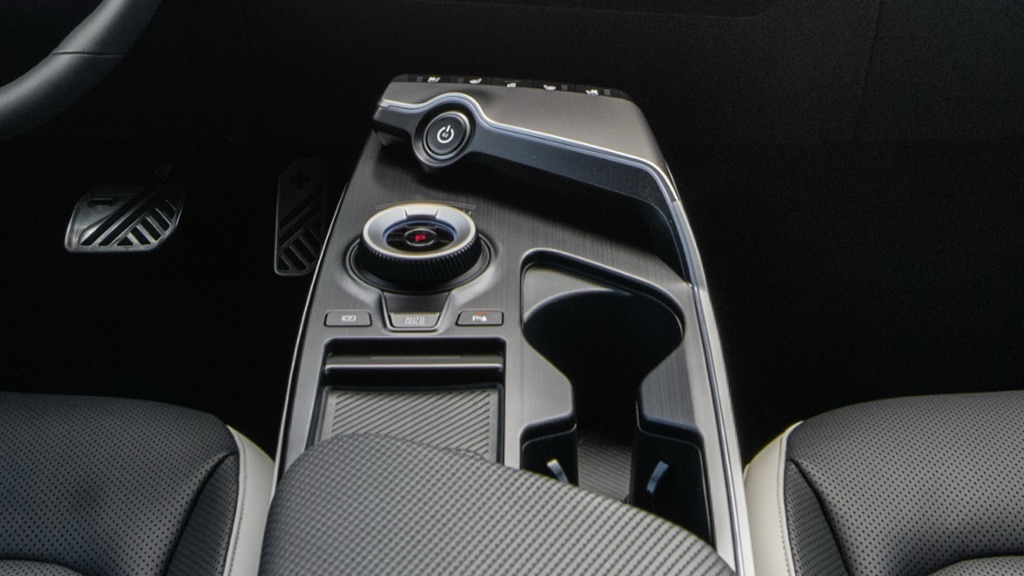
The dashboard has been reshaped to accommodate the new screen setup, and a redesigned two-spoke steering wheel with updated controls completes the refresh. Notably, Kia has retained a multitude of physical buttons throughout the cabin—a deliberate choice that reflects the company’s commitment to tactile controls for frequently used functions. Kia’s interior design chief, Jochen Paesen, explained the philosophy: “There are certain functions you need to find straight away, and you don’t want to mess up, so we keep them physical.”
 News
News
$1.5 Billion Funding Powers Wayve’s Embodied AI for L4 Robotaxis in 10+ Cities by 2026
Wayve raised $1.2 billion in Series D funding, with up to $300 million more from Uber, valuing the UK self-driving...
 Cars
Cars
BYD Seal 08 Flagship Sedan Enters Winter Testing – Ocean Series’ 2026 Q1 Launch Nears
BYD has released winter testing images of the Seal 08 flagship sedan, confirming active development ahead of its Q1 2026...
 Cars
Cars
Polestar Overtakes Tesla and Volkswagen in Sweden With a Surprise December EV Rally
Polestar delivered one of the biggest shocks in Sweden’s electric vehicle market in December, as the Polestar 4 surged past...
Beyond the screens and steering wheel, the dashboard layout feels more intentional,l and the cabin has a calmer, more modern aesthetic compared to the outgoing model. Materials appear upgraded, and controls are easier to understand, creating a space that feels more refined for everyday driving rather than experimental.
Powertrain Expectations: Efficiency Over Change
| Variant | Engine/Motor | Power | Torque | Key Specs |
|---|---|---|---|---|
| Hybrid | 1.6L Gas + Electric Motor | 139 hp | 195 lb-ft | 6-speed DCT |
| Plug-in Hybrid | 1.6L Gas + Electric Motor | 180 hp | 195 lb-ft | 11.1 kWh battery, 33 miles EV range |
| Electric | Single Front Motor | 201 hp | 188 lb-ft | 64.8 kWh battery, 253 miles range |
While Kia has scheduled a full technical reveal for March, the company has indicated that powertrains will largely follow the current lineup. The hybrid version combines a 1.6-liter gas engine with an electric motor to produce 139 horsepower and 195 pound-feet of torque. The plug-in hybrid pairs the same 1.6-liter engine with an electric motor and 11.1-kilowatt-hour battery for a combined 180 hp and 195 lb-ft, with an all-electric range of 33 miles.
The Niro EV continues to offer up to 253 miles of EPA-rated range, powered by a single front-mounted motor producing 201 horsepower and 188 pound-feet of torque, with a 64.8 kWh high-voltage battery. However, the EV variant faces competitive headwinds. When it launched in the United States in 2022, the Niro EV was among the most affordable EVs available, but its current $41,045 starting price and outdated charging specifications make it a difficult sell against competitors like the Chevrolet Bolt and Nissan Leaf, which cost approximately $10,000 less.
Market Positioning: Efficiency-Focused, Not Performance-Driven
The 2027 Niro facelift reinforces Kia’s positioning of the model as a practical, efficiency-focused crossover rather than a performance-oriented vehicle. The design updates emphasize refinement and cohesion with the broader Kia lineup, while the retention of physical controls and the focus on low running costs signal that the Niro remains targeted at drivers seeking electrified mobility without extreme commitments to pure electric power.
The facelift suggests Kia listened to owner feedback regarding cabin comfort and usability, moving away from experimental design toward a more intentional, calmer interior aesthetic. This approach contrasts with some competitors’ strategy of aggressive styling and performance-focused messaging.
Competitive Context
The Niro’s updated design language brings it into closer visual alignment with Kia’s EV lineup, particularly the EV3 and EV5, which have gained significant market traction. However, the plug-in hybrid and hybrid variants continue to serve a different market segment than pure EVs. The Niro competes in the affordable compact crossover space, where the hybrid and PHEV options provide lower total cost of ownership compared to fully electric alternatives, though the EV variant faces pricing pressure from more affordable competitors.
What We Don’t Yet Know
Kia has withheld several critical details until the March reveal, including official pricing, any powertrain refinements or efficiency improvements, battery capacity changes for the EV variant, and whether the plug-in hybrid’s all-electric range will be extended. Additionally, it remains unclear whether Kia will introduce any new trim levels or equipment packages for the 2027 model year.
Verdict: A Thoughtful Refresh for a Practical Crossover
The 2027 Kia Niro facelift represents a measured, design-focused update that modernizes an aging model without reinventing it. The elimination of the signature C-pillar accent color may disappoint longtime enthusiasts, but the new unified design language, larger integrated screens, and refined interior materials address legitimate owner feedback about cabin quality and usability. The Niro remains positioned for practical buyers prioritizing efficiency and low running costs over performance or cutting-edge technology. The hybrid and plug-in hybrid variants continue to offer compelling value propositions, though the EV variant’s competitive position has weakened significantly since launch. Full technical details in March will determine whether any powertrain improvements can help the electric Niro regain market relevance against more affordable competitors.