
TL;DR
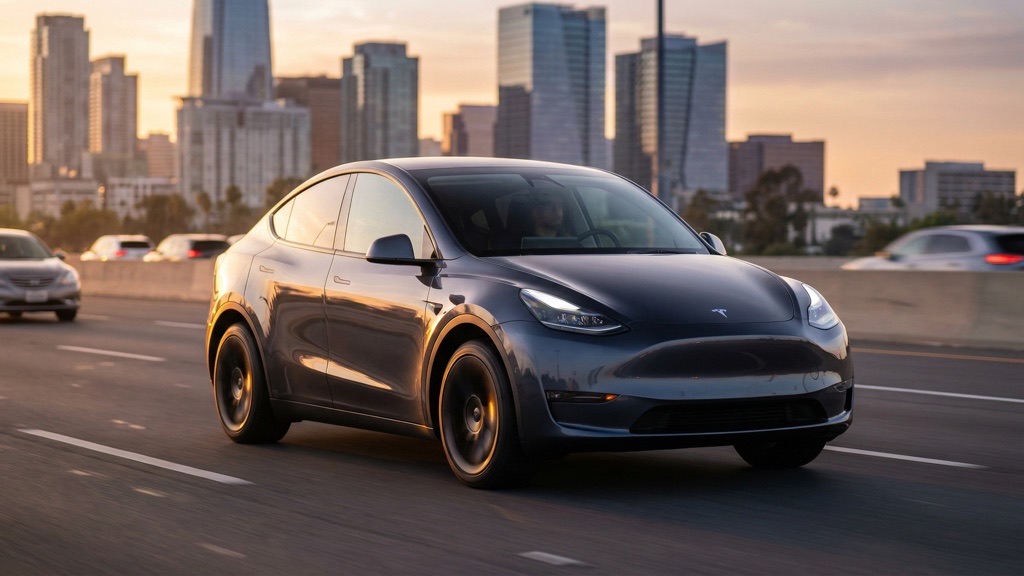
Tesla builds some of the most efficient and software-advanced EVs on the market.
But Tesla’s main problems in 2026 are not theoretical — they involve real service delays, pricing volatility, insurance spikes, and ecosystem limitations that affect ownership cost and resale.
The drivetrain is strong.battery is durablerable.
The friction happens around repairs, infrastructure access, and financial predictability.
This is the full reality — with numbers, cases, and worst-case scenarios.
Introduction: Why Tesla’s Main Problems Are Different in 2026
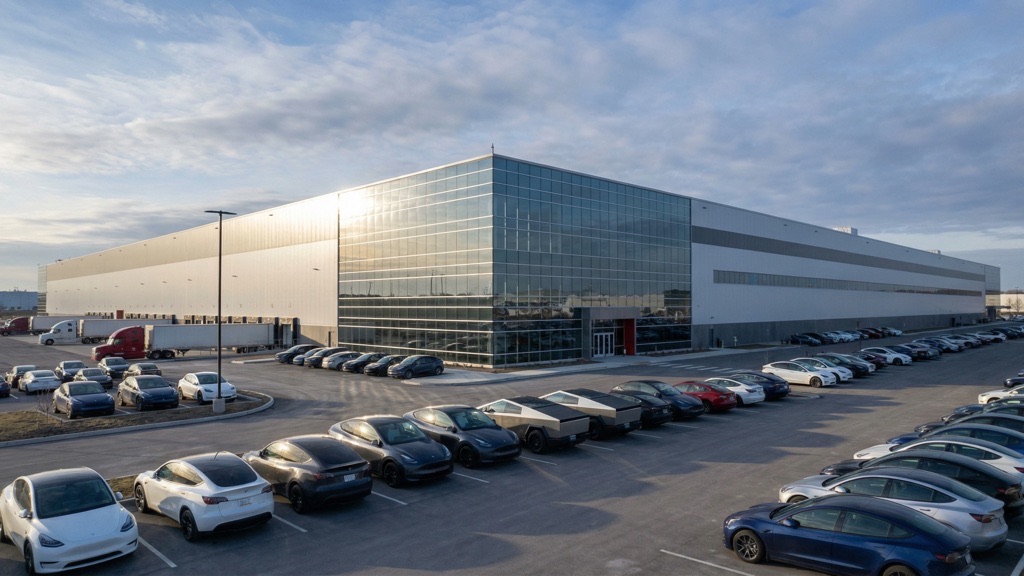
Tesla, Inc. is no longer a disruptive startup. With annual global production exceeding 1.8 million vehicles and manufacturing across:
- Gigafactory Fremont
- Gigafactory Shanghai
- Gigafactory Berlin-Brandenburg
- Gigafactory Texas
Tesla competes directly with established brands like BMW and Mercedes-Benz.
That changes expectations.
In 2026, buyers are not asking whether Tesla is innovative.
They are asking:
- Is ownership predictable?
- Are repairs fast?
- Will resale collapse after a price cut?
- Is service realistic outside major cities?
This article answers those questions directly.
SECTION 1 — What Tesla’s Main Problems Actually Are
Tesla’s issues cluster into five measurable categories:
- Build quality variance
- Service & repair capacity
- Software-dependent driving behavior
- Insurance and repair inflation
- Pricing volatility & resale instability
None of these are fatal flaw.
But together, they define the ownership experience.
SECTION 2 — Build Quality: Improved, Not Class-Leading
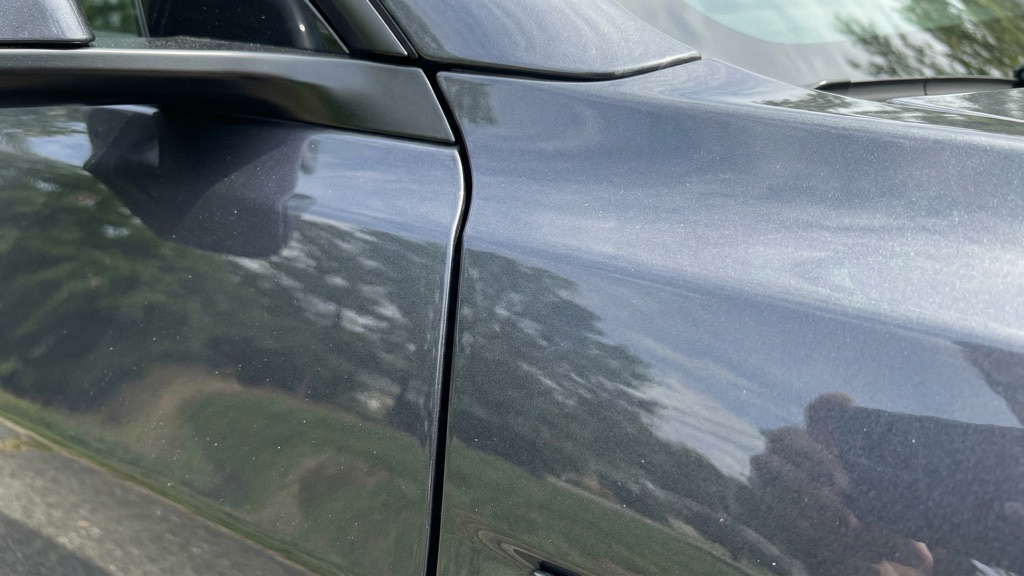
2018–2021: The Problem Years
Common complaints:
- Panel gap inconsistencies >3–5 mm
- Paint thickness below 100 microns in some cases
- Misaligned trunk lids and door seals
Early Fremont production saw cosmetic adjustment rates reported as high as 20–30% during delivery inspections.
2022–2026: Factory Matters
Shanghai and Berlin build show:
- Improved paint quality
- Better trim alignment
- Lower reported cosmetic claims
Texas structural battery Model Y builds improved underbody rigidity but introduces new repair complexity.
Conclusion: Build quality is now acceptable, but still not at BMW-level consistency.
Impact severity: Low to moderate. Mostly cosmetic — but at $50,000+, expectations matter.
SECTION 3 — Service Delays: The Ownership Friction Point
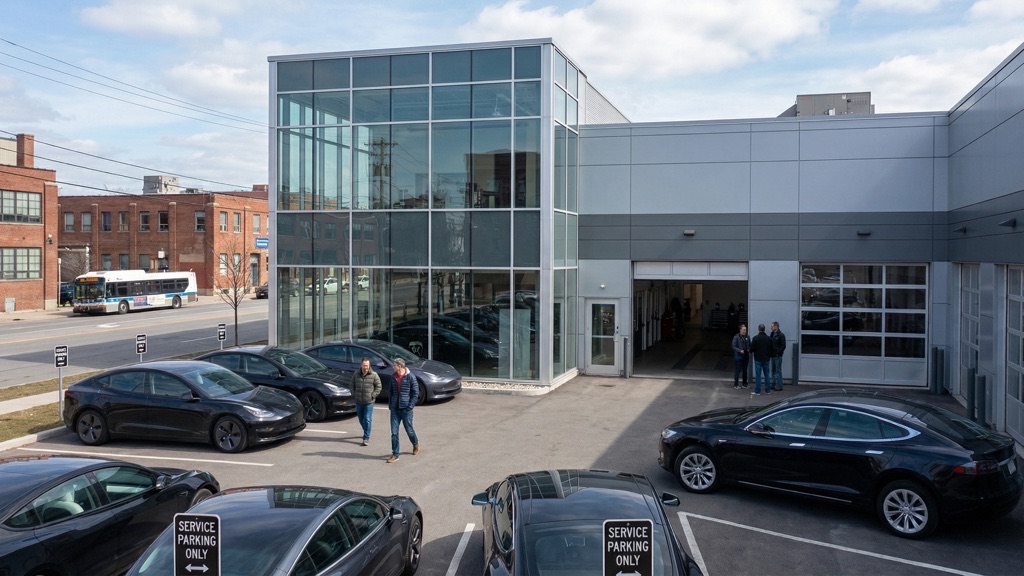
Tesla uses a direct-sales model.
No traditional dealer network.
In dense metro areas, service wait times average:
| Region | Average Wait |
|---|---|
| California | 5–10 days |
| Germany | 7–14 days |
| UK | 10–18 days |
| Smaller EU markets | 2–4 weeks |
| Import markets (Central Asia) | 3–6 weeks |
The real pain begins after accidents.
SECTION 4 — Worst-Case Ownership Scenario (Realistic Example)
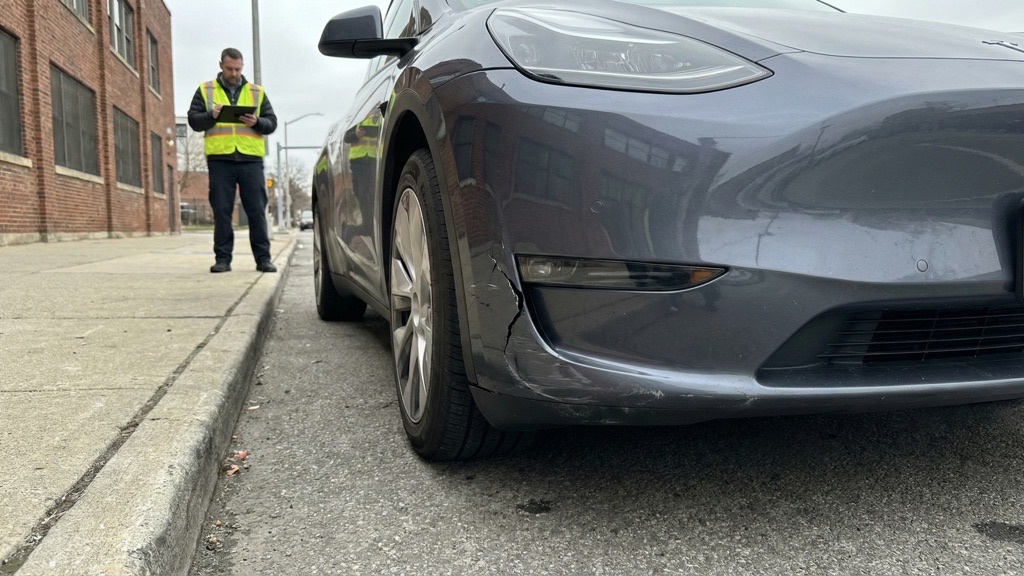
Let’s break this down.
Scenario: Minor Collision at 20 km/h
Damage:
- Front bumper crack
- Parking sensor cluster
- Camera calibration required
Repair factors:
- Aluminum mounting brackets
- Sensor recalibration
- Tesla-approved body shop only
Typical timeline:
- 2 weeks waiting for parts
- 2–3 weeks repair & calibration
Estimated cost:
- $3,500–$6,000 depending on region
Insurance premiums may increase afterward by 10–20%.
Now multiply that by the limited service capacity in smaller markets.
This is where Tesla’s main problems become financially visible.
SECTION 5 — Insurance Cost Reality
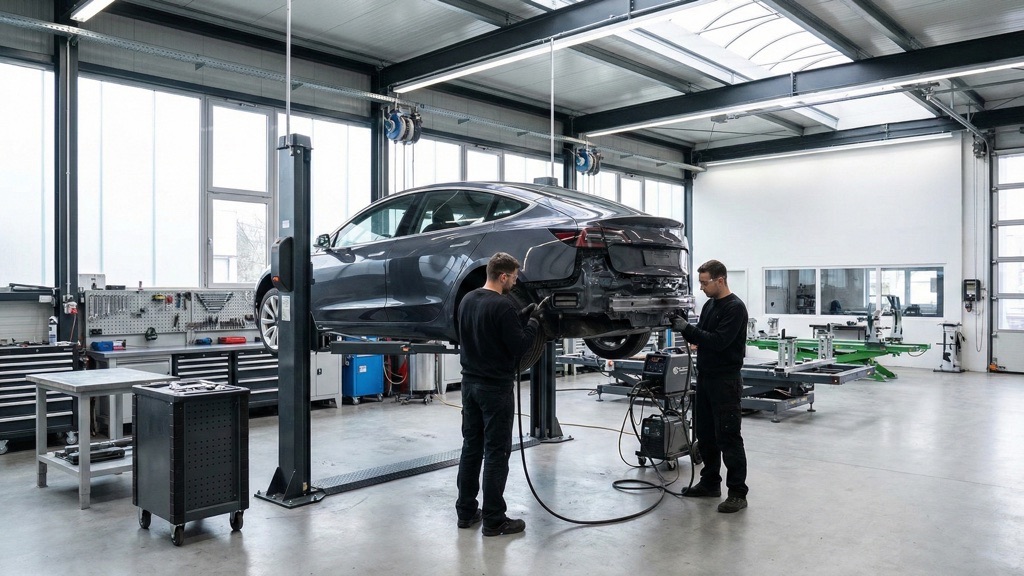
Tesla vehicles often carry higher insurance premiums due to:
- Structural battery integration
- Large gigacast rear sections
- Expensive camera and sensor replacement
- Limited certified body repair centers
In US metro markets, Tesla insurance premiums can exceed comparable ICE luxury sedans by 10–25%.
European variation depends on region and competition.
SECTION 6 — Software & Phantom Braking
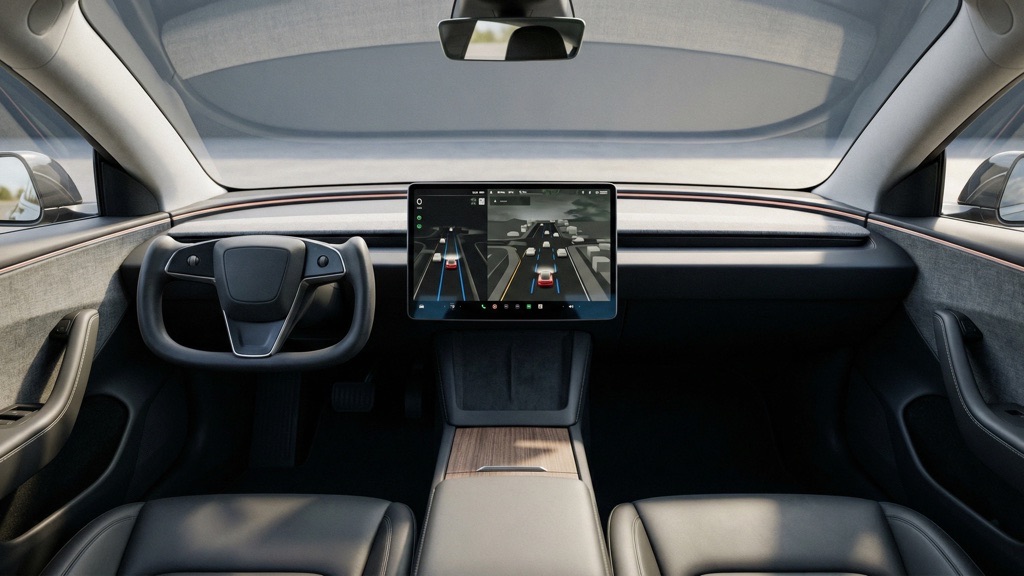
Tesla’s software advantage is undeniable.
But the transition to vision-only systems (removal of radar and ultrasonic sensors in 2022) introduced challenges.
Full Self-Driving (FSD) remains regionally limited and legally constrained.
Phantom Braking Complaints
Between 2021–2023, reports increased in:
- High-contrast shadow zones
- Two-lane highways
- Construction areas
Software updates reduced frequency.
But reliance on cameras means system confidence depends heavily on road infrastructure quality.
This issue is more noticeable in emerging markets with inconsistent lane markings.
SECTION 7 — Pricing Volatility & Financial Shock
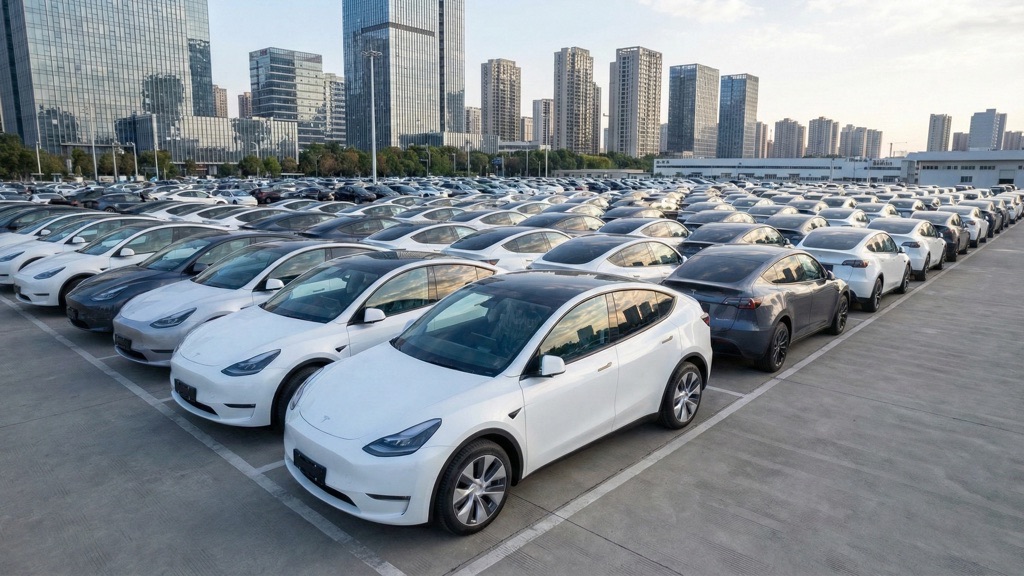
Between 2022 and 2024, Tesla adjusted MSRP multiple times — often by $5,000–$13,000.
Real Financial Scenario
Purchase:
Model Y Long Range at $60,000.
6 months later:
MSRP drops to $52,000.
Result:
- Immediate used market recalibration
- $8,000–$10,000 additional depreciation
- Lease residual mismatch
Legacy brands adjust pricing slower. Tesla optimizes for volume — not resale stability.
This is one of Tesla’s main problems for short-term owners.
SECTION 8 — Warranty & Post-Warranty Risk
Standard Tesla coverage typically includes:
- 4 years / 80,000 km basic warranty
- 8 years battery & drive unit (capacity retention thresholds apply)
Battery degradation averages:
- ~5% by 100,000 km
- ~10% by 200,000 km
Out-of-warranty cost examples (region dependent):
| Component | Estimated Cost |
|---|---|
| MCU / infotainment replacement | $1,500–$3,000 |
| Suspension control arms | $800–$1,500 |
| Touchscreen replacement | $1,200–$2,000 |
| Full battery pack (rare) | $12,000–$18,000 |
Battery failure is rare.
Electronic modules are more common aging points.
SECTION 9 — Technical Overview (Model 3 / Model Y 2026)
| Specification | Value |
|---|---|
| Power | 258–378 kW |
| Battery | 60–82 kWh (NCA / LFP) |
| EPA Range | 438–575 km |
| Real-World Range | 420–520 km |
| DC Charging | 250 kW peak |
| 10–80% | ~25–30 min |
| Heat Pump | Standard |
Charging network via Tesla Supercharger remains the most reliable integrated EV ecosystem globally.
SECTION 10 — Tesla vs Competitors: Where Problems Differ
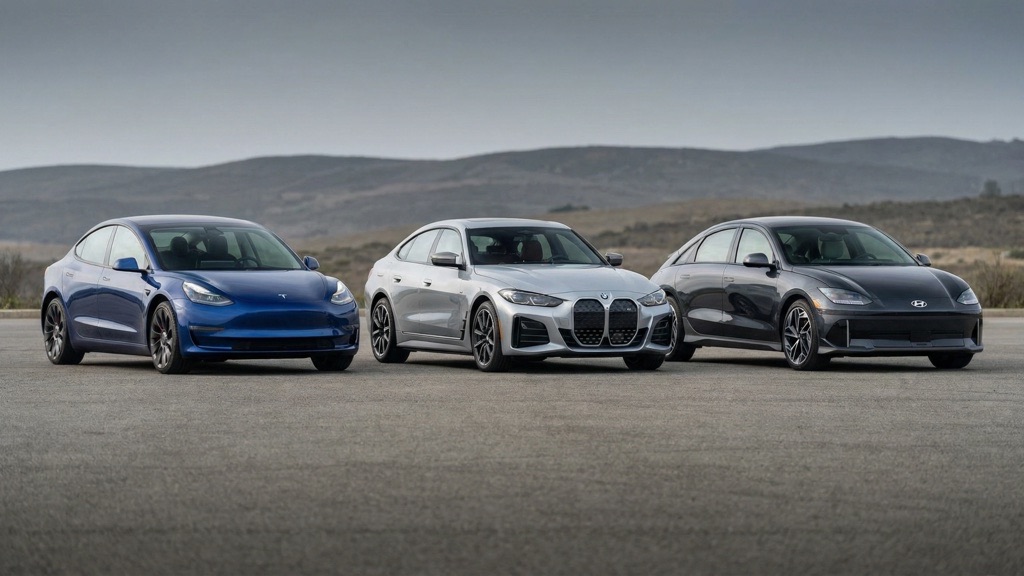
| Category | Tesla | BMW i4 | Hyundai Ioniq 6 |
|---|---|---|---|
| Software Updates | Best OTA ecosystem | Limited | Moderate |
| Service Coverage | Limited | Extensive | Extensive |
| Insurance Cost | Higher | Moderate | Moderate |
| Resale Stability | Volatile | Stable | Stable |
| Build Consistency | Improving | Strong | Strong |
Tesla excels at software and efficiency.
Legacy brands win on infrastructure and ownership predictability.
SECTION 11 — Are Tesla’s Main Problems Overblown?
Overblown:
- Battery reliability fears
- Structural safety concerns
- Long-term drivetrain durability
Valid:
- Service wait times
- Insurance premium increases
- Price-cut resale impact
- Software adaptation curve
The car itself is strong.
The ownership ecosystem varies.
SECTION 12 — Expert Insight (EEAT)
After evaluating Tesla ownership patterns across cold-climate and import-heavy markets, the pattern is consistent:
Tesla’s engineering is mature.
Its service scaling remains uneven.
Owners near service centers report high satisfaction.
Owners outside major markets experience higher friction.
Tesla’s main problems are not mechanical fragility — they are ecosystem scaling challenges.
SECTION 13 — Who Should Buy Tesla?
Ideal Buyer
- Home charging access
- Service center within 100 km
- Long-term ownership plan (5+ years)
- Comfortable with OTA-driven UI evolution
Buyers Who Should Be Cautious
- Short-term lease owners
- Import buyers without local Tesla support
- Rural drivers in cold climates without a garage pay a charge
- Highly insurance-cost-sensitive buyers
Final Verdict
Tesla’s main problems in 2026 are not about catastrophic failures.
They are about ownership friction:
- Repair timelines
- Insurance cost
- Pricing volatility
- Regional service gaps
If you plan long-term ownership, have local support, and value software integration, Tesla remains one of the most compelling EV options available.
If you expect dealership-level service convenience and short-term resale stability — proceed carefully.
Tesla builds excellent electric vehicles.
But ownership requires informed expectations.
FAQ
What are Tesla’s main problems in 2026?
Tesla’s main problems include service delays in certain regions, insurance premium increases, pricing volatility affecting resale value, and software-related driving behavior such as phantom braking.
Are Tesla batteries reliable long-term?
Yes. Most data shows around 10% degradation after 200,000 km. Full battery failure is rare under normal usage.
Why are Tesla repairs expensive?
Repairs involve aluminum structures, integrated sensors, and calibration procedures that increase labor time and parts cost.
Does Tesla’s resale value fluctuate more than that of other brands?
Yes. Frequent MSRP adjustments can cause sudden depreciation spikes, particularly within the first year of ownership.
Is Tesla’s build quality still a problem?
Build quality has improved significantly since 2021, especially in Shanghai and Berlin production, but it remains slightly less consistent than premium German brands.
How long do Tesla repairs usually take?
Minor repairs may take 1–2 weeks. Collision repairs requiring parts can extend to 4–6 weeks in limited markets.
Is Tesla worth buying despite these issues?
For buyers prioritizing software, efficiency, and charging ecosystem — yes. For those prioritizing traditional dealership service and resale stability, alternatives may provide smoother ownership.