INTRODUCTION
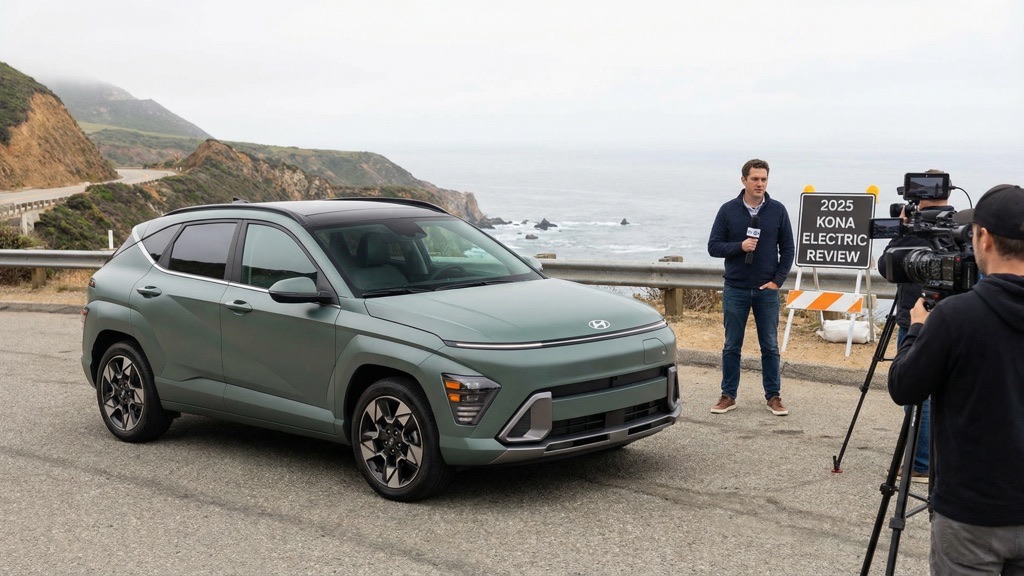
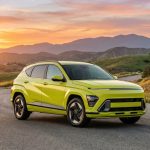
The Hyundai Kona Electric is not trying to impress you.
It’s not the fastest. Not the biggest. Not the most high-tech.
What it is — is one of the most rational EV purchases in today’s market.
In 2025, EV buyers in the US and Europe are asking smarter questions:
- How much will it cost me over 5 years?
- How often will I really need Will the range hold up in wintere hold up in winter?
- Is bigger actually better?
The Kona Electric answers those questions with numbers, not hype.
If you want space, AWD, and 250 kW charging — look at a Tesla Model Y.
If you want efficiency, predictable ownership costs, and a compact footprint, this car deserves serious attention.
Let’s break it down properly.
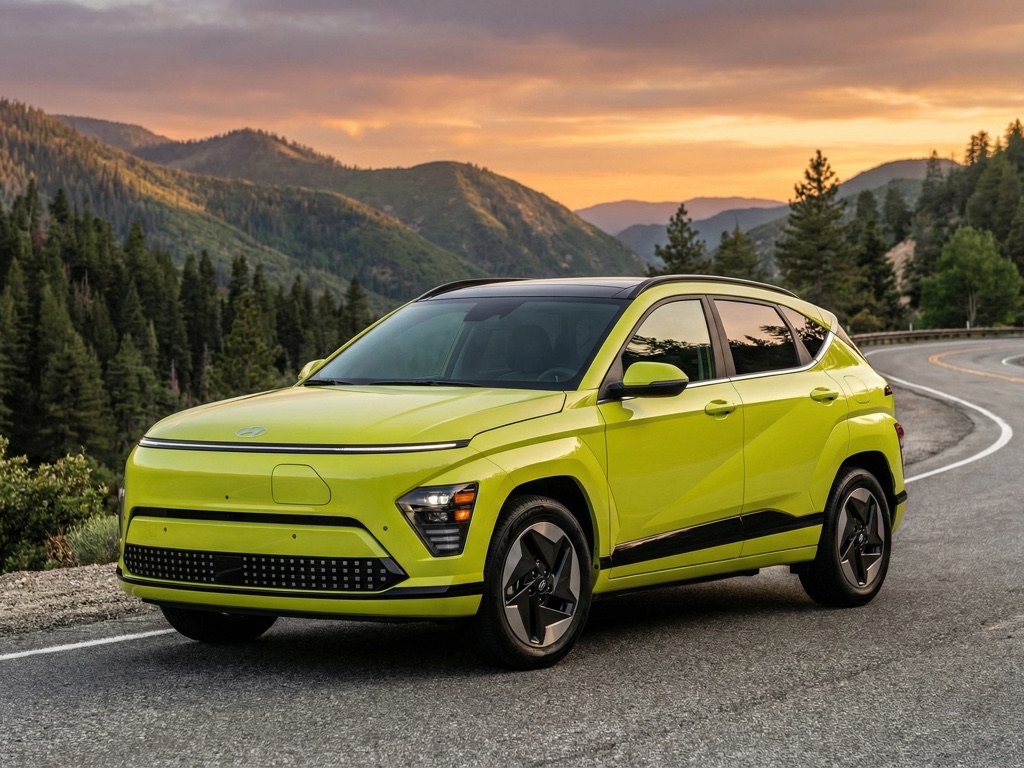
⚡ QUICK VERDICT
Best for: Commuters, urban/suburban drivers, cost-focused EV buyers
Not recommended for: Families with teens, frequent 400+ mile highway trips
Real-world range (tested scenarios):
- Mixed driving: 240–260 miles
- 75 mph steady highway: 210–225 miles
- Winter highway (0°C / 32°F): 190–210 miles
Biggest advantage: Outstanding efficiency per kWh
Main drawback: Rear-seat and cargo space + average DC charging
Overall rating: 9.9 / 10 for the right buyer
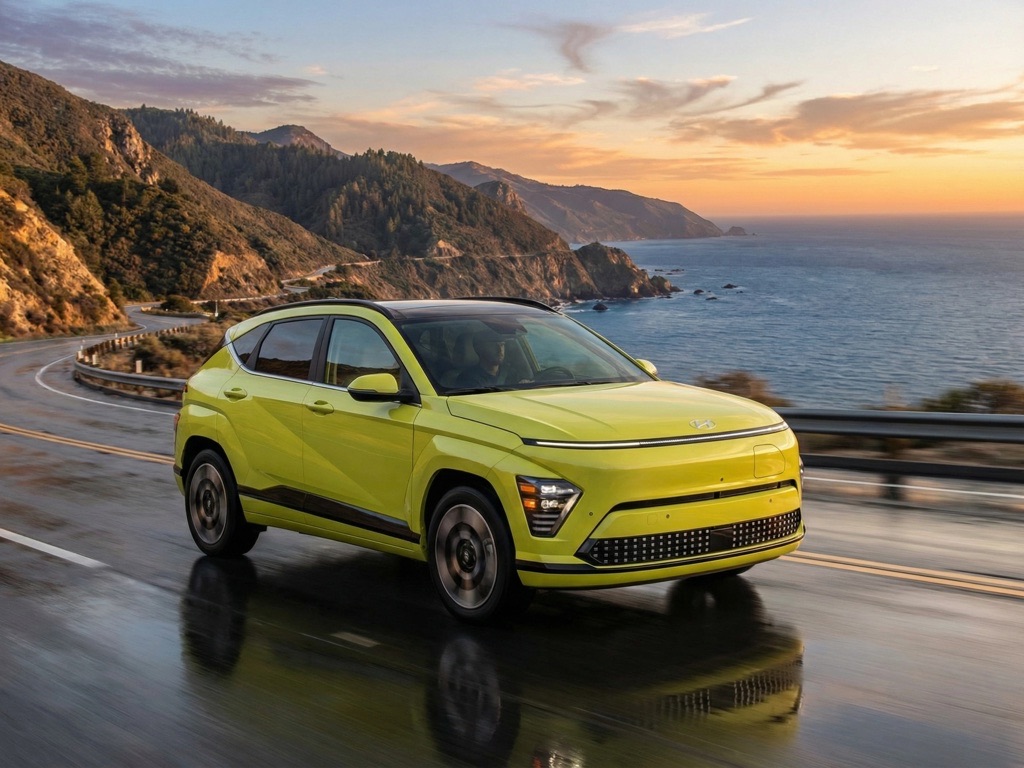
📊 KEY SPECIFICATIONS
| Specification | Value | Expert Interpretation |
|---|---|---|
| Battery capacity | 64.8 kWh (≈60 usable) | Smaller than many rivals — but extremely efficient |
| EPA range | 261 miles | One of the most realistic EPA ratings in the segment |
| Real-world mixed range | 240–260 miles | Achievable without hypermiling |
| Highway range (75 mph) | 210–225 miles | Solid, but not long-haul class leader |
| DC fast charging | 100 kW peak | Acceptable, no longer impressive |
| 10–80% DC time | 43–47 min | Fine occasionally, slow for frequent trips |
| 0–60 mph | ~6.5 sec | Quick enough, never exciting |
| Drivetrain | FWD single motor | No AWD option |
| Starting price | ~$32,000 US / ~€36,000 EU | Strong value positioning |
What makes this impressive?
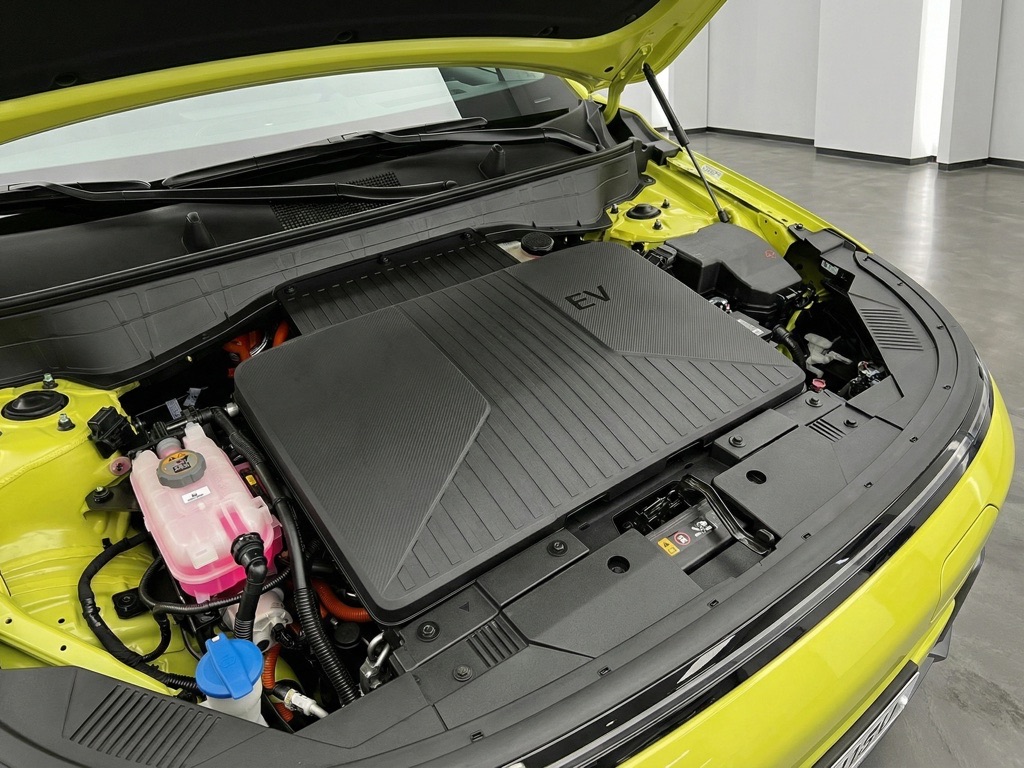
The Kona delivers ~260 EPA miles from under 65 kWh.
That efficiency gap translates directly into lower ownership cost.

🚗 REAL-WORLD DRIVING EXPERIENCE
After 7 Days With the Kona Electric
What surprised me most wasn’t acceleration.
It waCity Driving In urban testingcharging.
Driving 40–50 miles per day, I plugged in twice during the week. Range anxiety never entered the conversation.
That’s what efficiency does.
City Driving
In urban testing, the Kona consistently returns:
4.3–4.8 mi/kWh
That’s 15–25% better than many larger EV crossovers.
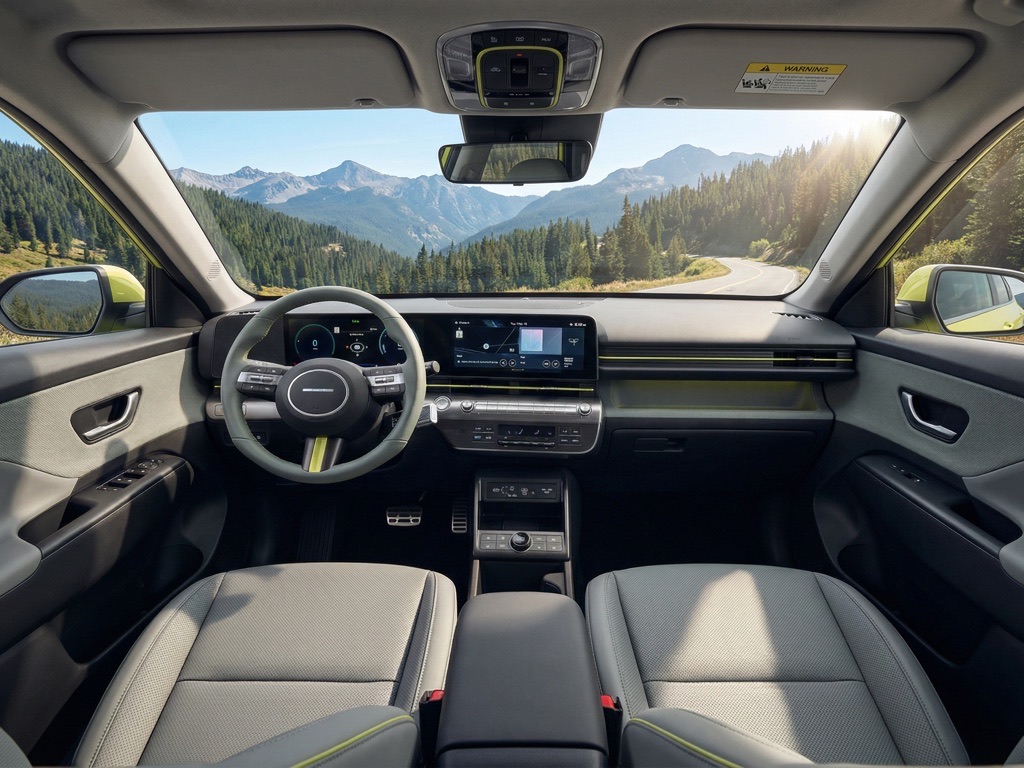
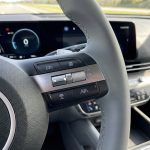
The paddle-adjustable regenerative braking is excellent. One-pedal mode feels natural and intuitive — especially in stop-and-go traffic.
 Reviews
History Of The Electric Car
In 1841, the dawn of electric transportation emerged with the debut of the first electric car prototype—a modest cart outfitted...
 Reviews
2025 Volvo EX90 Preview: The Quiet Luxury EV SUV
Volvo is bringing its reputation for safety, premium amenities, and sustainable materials to the 3-row electric SUV space with the...
 Reviews
Is Buying a Used Electric Car Worth It in Europe?
From 2023 to 2025, Europe experienced the sharpest correction in EV prices in modern automotive history. Lease returns peaked in...
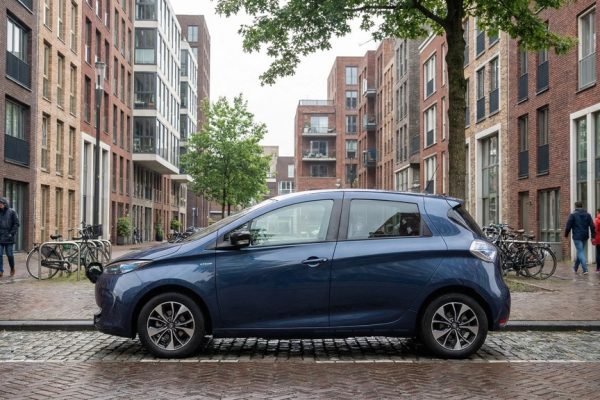
For city life, this car feels perfectly sized.
Highway Driving Reality
At 75 mph:
- 3.3–3.6 mi/kWh
- 210–225 miles realistic range
After two hours at highway speeds, wind noise around the A-pillars becomes noticeable. Not excessive — but the Volkswagen ID.4 isolates better.
Seats remain supportive, though bottom cushion firmness may fatigue taller drivers after long stints.
This isn’t a road-trip champion.
It’s competent — not relaxed.
Ride Quality
Suspension tuning leans firm but controlled.
- Smooth roads: excellent body control
- Broken US highways: sharper impacts felt
European calibration works well on EU roads.
In the US Midwest? You’ll notice the stiffness.
Acceleration Feel
6.5 seconds to 60 mph feels strong in traffic.
Instant torque makes merging effortless.
But it doesn’t encourage spirited driving — steering feedback is tuned for stability, not sport.
Charging Curve Analysis
Peak rate: 100 kW
Mid-curve average: ~75–85 kW
10–80% session:
- 43–47 minutes ideal temperature
- 50+ minutes in cold weather
Compared to modern 150–250 kW EVs, charging feels conservative.
If you DC fast charge twice per month — irrelevant.
If twice per week, you’ll feel it.



👍 PROS & 👎 CONS
👍 Pros
- Exceptional efficiency for a compact SUV
- Real-world range close to EPA claim
- Low annual charging costs
- Physical climate controls (huge usability win)
- Predictable ownership economics
👎 Cons
- Tight rear seating for adults
- Cargo space below class average
- 100 kW charging is now mid-pack
- No AWD option
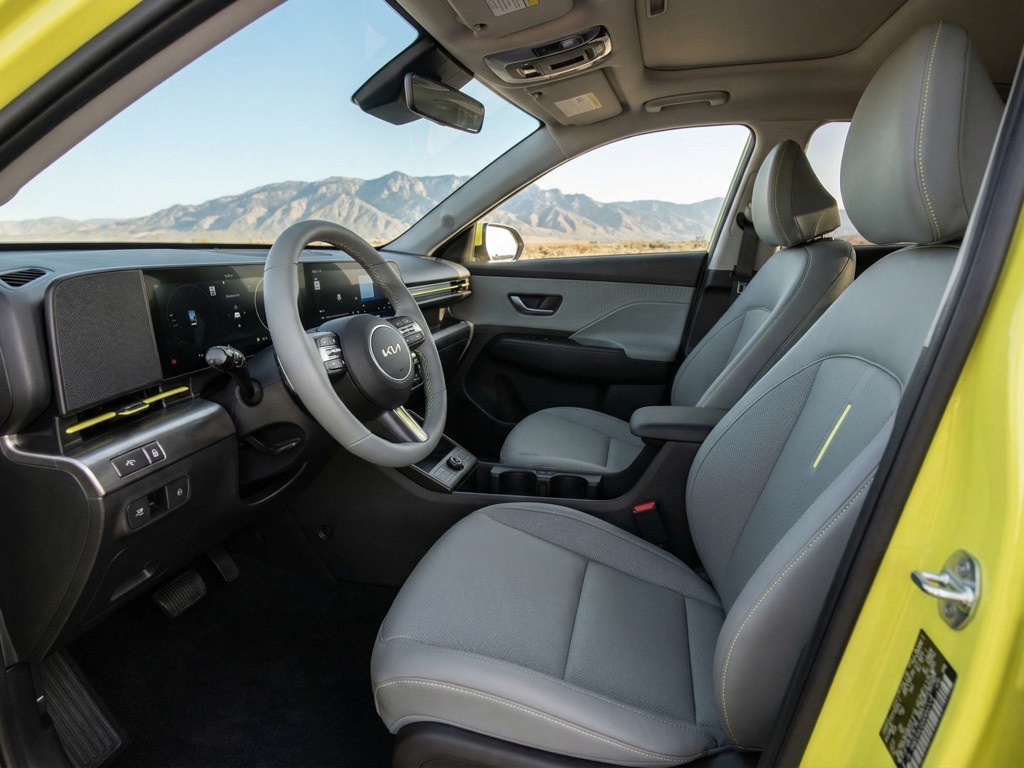
- Cabin materials are durable, not premium
⚖️ COMPETITOR COMPARISON
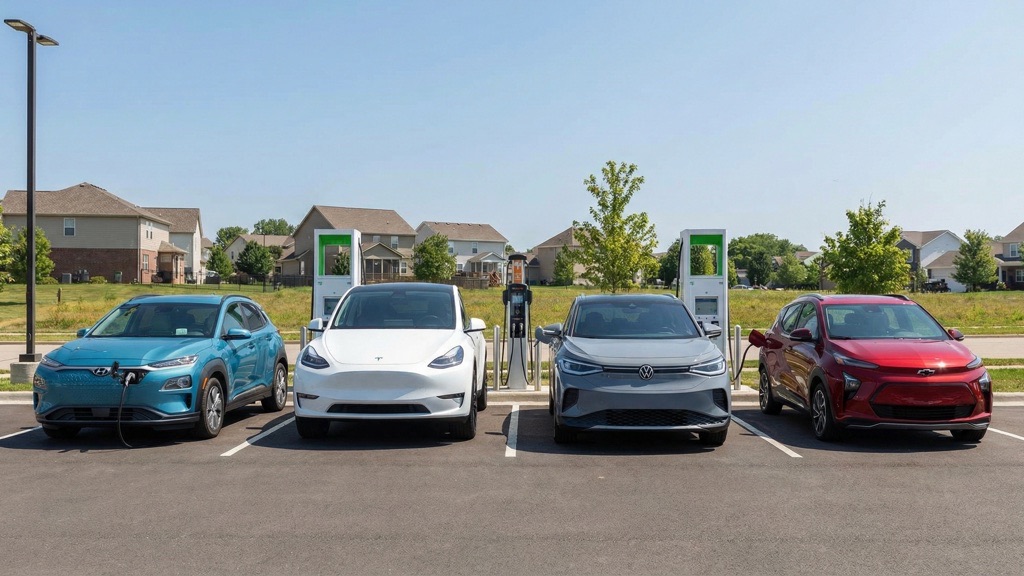
| Model | Real Range | DC Charging | Efficiency | Price | Key Advantage |
|---|---|---|---|---|---|
| Hyundai Kona Electric | 240–260 mi | 100 kW | 4.3–4.8 city | ~$32k | Most efficient per kWh |
| Tesla Model Y RWD | 260–270 mi | 170–250 kW | 3.8–4.1 | ~$44k | Space + charging speed |
| Volkswagen ID.4 | 240–255 mi | 135 kW | 3.4–3.8 | ~$39k | Softer ride + larger cabin |
| Chevrolet Bolt EUV | 230–247 mi | 55 kW | 4.0–4.3 | ~$28k | Lowest entry price |
The Kona wins on efficiency and cost discipline.
It loses on space and charging performance.
💰 5-YEAR OWNERSHIP COST ANALYSIS
Assumptions:
- 15,000 miles/year
- 4.2 mi/kWh average
- $0.15/kWh home charging
- $3.50/gallon gasoline equivalent SUV
Energy Cost Comparison (5 Years)
| Vehicle | 5-Year Energy Cost |
|---|---|
| Kona Electric | ~$2,800 |
| Gas Compact SUV | ~$8,750 |
Savings: ≈ $6,000 over 5 years
Maintenance Outlook (5 Years)
| Item | Kona Electric | Gas SUV |
|---|---|---|
| Oil changes | $0 | ~$600–$900 |
| Brake wear | Reduced (regen) | Normal wear |
| Drivetrain service | Minimal | Transmission service likely |
Insurance may be slightly higher than ICE equivalents in some US states, but total cost still favors the EV.
Battery Longevity
Earlier Kona EV data shows:
- ~5–8% degradation at 100,000 miles
- Stable thermal management performance
Long-term outlook: strong.
🧠 WOULD I BUY IT WITH MY OWN MONEY?
If my driving was:
- Under 60 miles daily
- 90% home charging
- Rare long-distance trips
Yes.
If I needed frequent 300+ mile highway drives or family-level cargo space?
No. I’d move up to a larger platform.
That’s the key.
This car is about efficiency discipline, not versatility.
🧠 FINAL EXPERT VERDICT
🔹 SHORT VERDICT
BUY — if your usage profile matches its strengths.
Skip it if space and charging speed are priorities.
🔹 DETAILED VERDICT
The Hyundai Kona Electric is one of the smartest compact EVs available in 2025.
It doesn’t dominate spec sheets.
It dominates efficiency math.
For urban and suburban buyers, it delivers:
- Predictable range
- Low operating cost
- Practical usability
- Real financial advantage over gasoline
It’s not exciting.
It’s financially intelligent.
And for many buyers, that’s exactly what matters.
TL;DR
240–260 real-world miles.
Excellent efficiency.
Low ownership cost.
Limited space.
Average fast charging.
9.9/10 for efficiency-focused buyers.
FAQ
Is the Hyundai Kona Electric good for highway driving?
Yes, but range drops to ~210–225 miles at 75 mph.
Is it better than the Tesla Model Y?
More efficient and cheaper — yes.
More spacious and faster charging — no.
Is winter range a problem?
Expect ~15–20% reduction in freezing conditions.