
Home charging is either the smartest decision you make as an EV owner — or the biggest oversight.
In 2026, public fast charging across the US and Europe is no longer “cheap backup.” In many regions, it’s approaching gasoline-equivalent cost per mile. Meanwhile, electricity at home — especially off-peak — remains dramatically cheaper and far more predictable.
But here’s the uncomfortable truth:
- Many buyers overspend on hardware they don’t need.
- Others underestimate installation combuy an EV without solving home charginging home charging first — and regret it.
This is the definitive, no-marketing, expert guide to getting home charging right.
⚡ QUICK VERDICT
Best for:
Homeowners with a driveway or garage driving 30–100 miles (50–160 km) daily
Not recommended for:
Apartment residents without guaranteed charging access
Real-world Level 2 charging speed:
25–45 miles (40–70 km) of range per hour
Typical installation cost:
$1,000–$3,500 (US) / €1,200–€3,700 (EU)
Typical ROI:
1–2 years (12,000 miles/year driver)
Biggest advantage:
Total control over charging cost and convenience
Main drawback:
Upfront electrical work and possible panel upgrade
Overall rating:
9.8/10 (with private parking)
4/10 (without it)
📊 HOME CHARGING LEVELS – WHAT ACTUALLY MATTERS
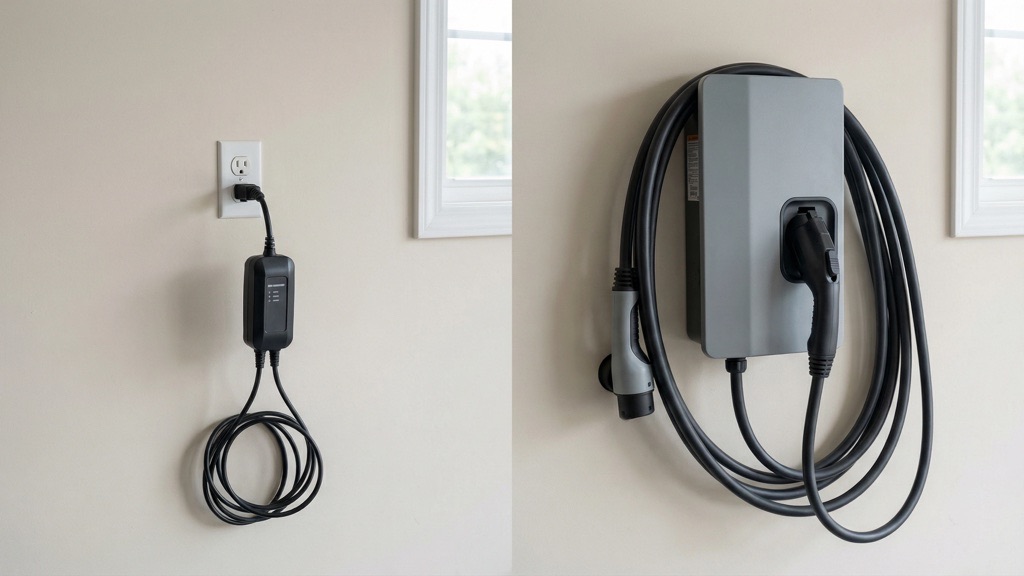
| Specification | Level 1 (Standard Outlet) | Level 2 (Dedicated Circuit) |
|---|---|---|
| Voltage | 120V (US) / 230V (EU) | 240V split-phase (US) / 400V 3-phase (EU) |
| Power Output | 1–2 kW | 7–22 kW |
| Range Added | 3–5 mi/hr (5–8 km/hr) | 25–45 mi/hr (40–70 km/hr) |
| Full Charge (75 kWh battery) | 35–50 hours | 5–8 hours |
| Installation Required | No | Yes |
| Realistic Use Case | PHEV / emergency | Daily EV ownership |
Expert position:
Level 1 is not a long-term solution for full EV drivers.
Level 2 is not an upgrade — it’s the baseline.
🔌 32A vs 40A vs 48A (US) | 7 kW vs 11 kW (EU)
Most buyers overspec.
| Power Level | Who Actually Needs It | Reality |
|---|---|---|
| 7 kW / 32A | 80–90% of drivers | More than enough |
| 9.6 kW / 40A | Heavy commuters | Good margin |
| 11 kW (EU 3-phase) | 70–120 mi daily drivers | Ideal balance |
| 48A+ / 22 kW | High-demand households | Often unnecessary |
If you drive 40 miles per day, a 7 kW charger replenishes that in ~1.5 hours.
Bigger numbers look impressive. They rarely change real life.
 Reviews
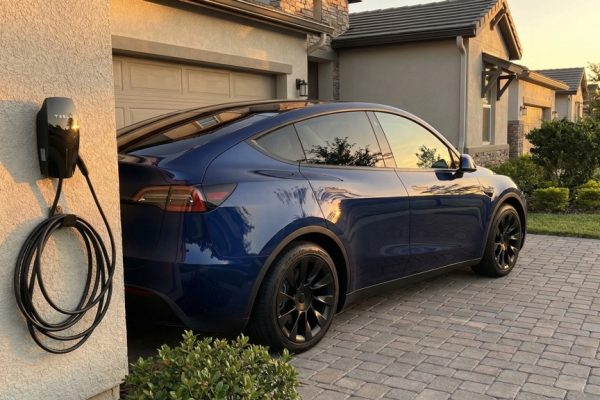
Tesla Home Charging: Advantages, Costs and What Owners Must Know in 2026
TL;DR Tesla home charging is the single most important factor in long-term Tesla ownership economics. Level 2 charging at home...
 Reviews
Xiaomi SU7 Review (2026): Real-World Range, Charging & Verdict
TL;DR ✅ Buy Xiaomi SU7 if you want: One of the most efficient large electric sedans in real-world driving Strong...
 Cars
Cars
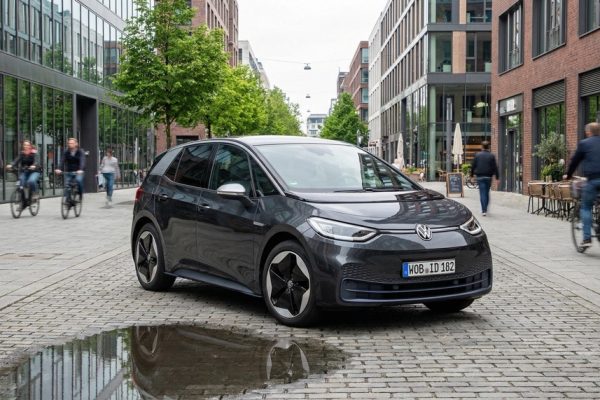
Volkswagen ID.3 Review (2026): Real Range, Charging & Verdict
TL;DR ✅ Buy Volkswagen ID.3 if you want: excellent real-world efficiency, balanced ride comfort, solid European build quality ❌ Skip...
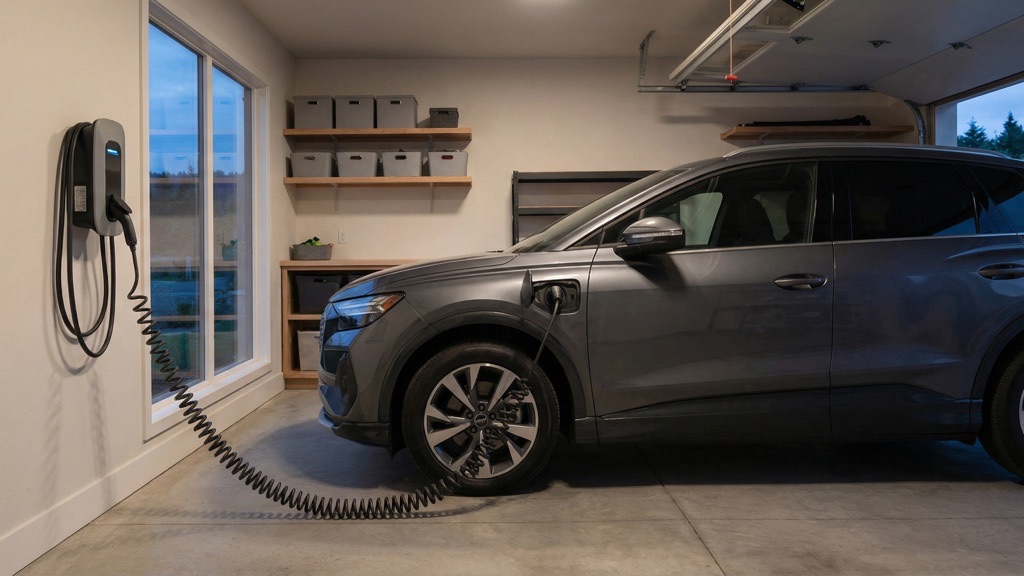
Reliable home units from companies like Wallbox, ChargePoint, and Tesla differ more in ecosystem and software than in core charging capability.
Amperage and installation quality matter more than branding.
🚗 REAL-WORLD SCENARIOS (WHAT OWNERS EXPERIENCE)
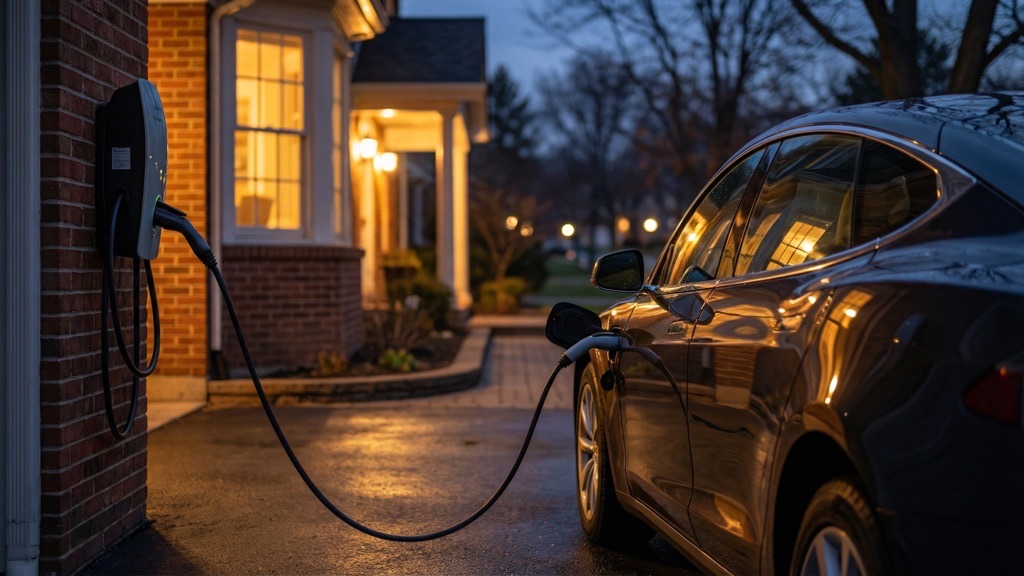
Weekday Commuter (45 miles/day)
- Battery drops from 80% → 55%.
- Plug in at 10 PM.
- Off-peak rate kicks in automatically.
- Back to 80% by midnight.
Charging disappears from your mental load.
Heavy Day (Unexpected 150 miles)
You return home at 25%.
With 7–11 kW Level 2:
- Back to 80% by early morning.
- No public stop required.
Without Level 2:
- You’re planning your next day around charging.
Winter Reality
Cold weather cuts efficiency by 10–25%.
With home charging:
- Charging simply runs longer overnight.
- You can precondition from the grid.
- Battery stress is minimized.
Public fast charging in winter? Slower and more expensive.
Power Outage Scenario
Short outage? No impact.
Long outage?
- Your EV still holds stored energy.
- Some bidirectional-capable setups can even power parts of a home (vehicle-dependent).
Home charging increases resilience — not just convenience.
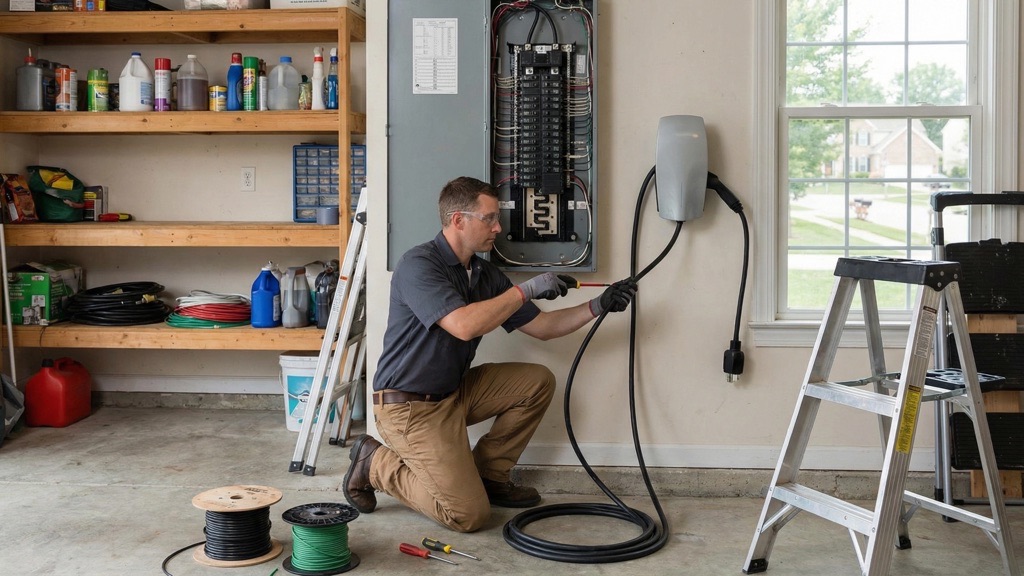
💰 INSTALLATION COSTS – FULL BREAKDOWN
| Region | Charger Hardware | Installation | Panel Upgrade (if needed) | Realistic Total |
|---|---|---|---|---|
| US | $400–$900 | $600–$1,500 | $1,000–$3,000 | $1,000–$3,500 |
| Europe | €500–€1,200 | €700–€2,000 | €800–€2,500 | €1,200–€3,700 |
What Actually Drives Cost:
- Distance to electrical panel
- Available amperage
- 3-phase availability (EU)
- Trenching for detached garages
- Local permits & inspection
- HOA restrictions (US)
Biggest mistake:
Buying the charger before checking the panel capacity.
⚡ ELECTRICITY COST VS GAS – REAL NUMBERS
Assume 30 kWh / 100 miles efficiency.
| Region | Avg kWh Price | Cost per 100 Miles |
|---|---|---|
| US ($0.15/kWh) | $0.15 | ~$4.50 |
| US Off-Peak ($0.12) | $0.12 | ~$3.60 |
| Europe (€0.25) | €0.25 | ~€7.50 |
| Europe Dynamic (€0.20) | €0.20 | ~€6.00 |
Gas equivalent:
$12–$20 per 100 miles.
Public DC fast charging in many regions now approaches $0.40–$0.60/kWh — often eliminating EV savings.
Home charging protects your economics.
📊 ROI – WHEN DOES IT PAY BACK?
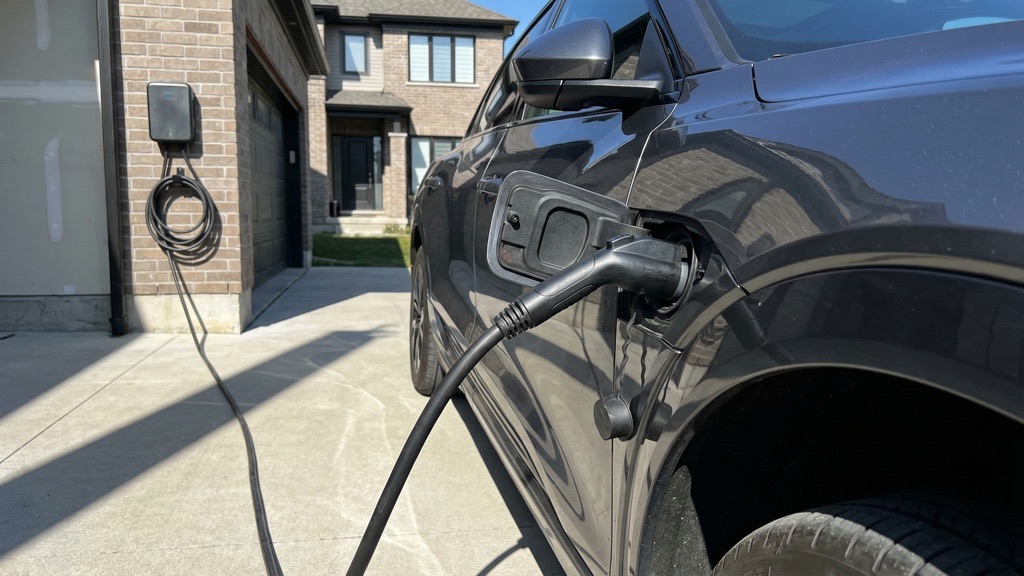
Assume:
- 12,000 miles/year
- $0.15/kWh electricity
- $3.50/gallon gas equivalent
- $2,000 installation
| Annual Miles | Annual Savings | Break-Even Time |
|---|---|---|
| 8,000 | ~$760 | ~2.6 years |
| 12,000 | ~$1,140 | ~1.8 years |
| 18,000 | ~$1,710 | ~1.2 years |
The more you drive, the faster it pays back.
🧠 DECISION MATRIX – SHOULD YOU INSTALL LEVEL 2?
| Daily Driving | Private Parking | Expert Recommendation |
|---|---|---|
| <30 miles | Yes | 7 kW sufficient |
| 30–80 miles | Yes | Install Level 2 |
| 80–120 miles | Yes | 11 kW ideal |
| Any distance | No | Reconsider full EV or ensure reliable public access |
If you’re unsure, you probably need Level 2.
Skipping home charging means choosing a harder version of EV ownership.
❌ 6 MISTAKES BUYERS MAKE
- Overspecifying amperage
- Ignoring panel capacity
- Installing the charger in the wrong location
- Not using off-peak tariffs
- Overpaying for unused “smart” features
- Ignoring local incentives or rebates
Planning beats hardware.
👍 PROS & 👎 CONS
👍 Pros
- Lowest long-term fueling cost
- Maximum daily convenience
- Gentle on battery health
- Solar-ready integration
- Predictable budgeting
👎 Cons
- High upfront installation cost
- Not viable for many renters
- Possible panel upgrade expense
- Permit delays in some regions
- HOA restrictions (US neighborhoods)
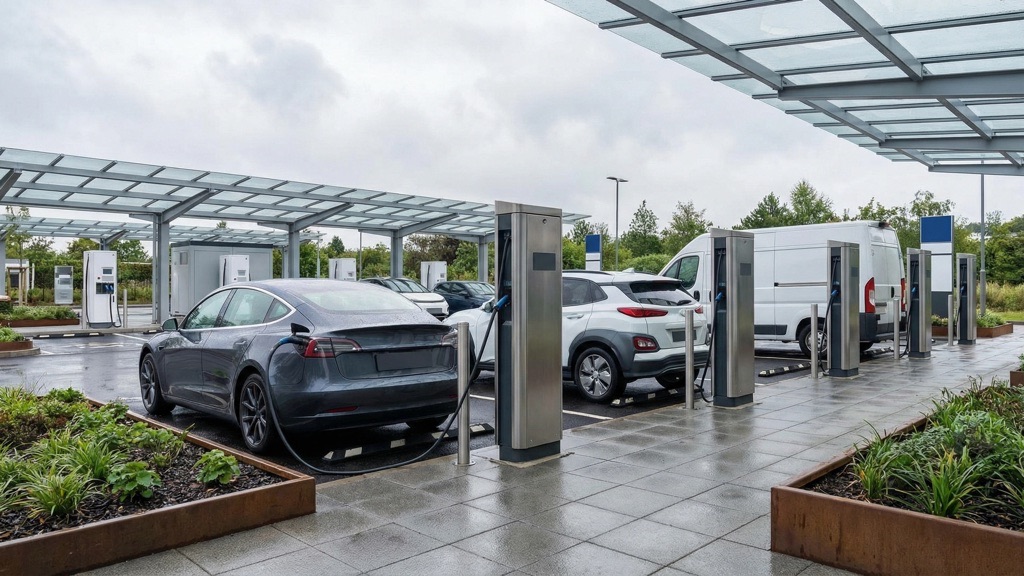
⚖️ HOME VS PUBLIC VS FAST CHARGING
| Charging Type | Cost | Speed | Daily Practicality | Stress Level |
|---|---|---|---|---|
| Home AC | Low | Moderate | Excellent | Very Low |
| Public AC | Medium | Moderate | Acceptable | Medium |
| DC Fast | High | Very High | Poor for routine use | High |
Expert stance:
Home charging should cover 80–90% of your needs.
Fast charging is for distance — not daily life.
🔋 BATTERY HEALTH – LONG TERM
Home AC charging:
- Generates less heat
- Slower charge curves
- Lower stress than repeated DC fast sessions
Typical modern EV degradation:
5–10% over 5–8 years (real-world averages).
Home charging supports longevity.
🧠 FINAL EXPERT VERDICT
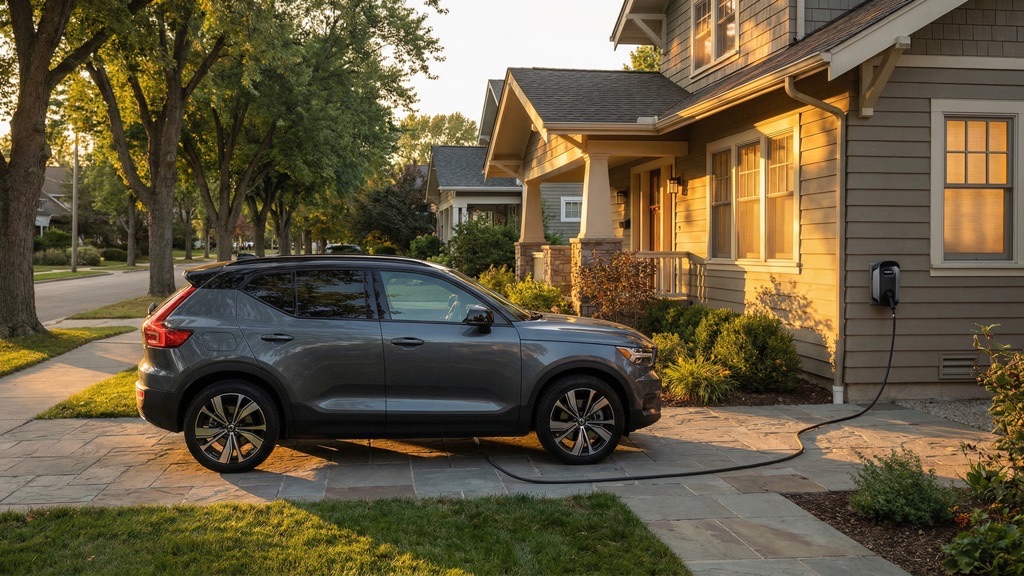
🔹 SHORT VERDICT
If you own a home with parking — install Level 2.
It transforms EV ownership from manageable to effortless.
If you cannot charge at home, you must be comfortable relying on public infrastructure — and paying more for it.
🔹 DETAILED VERDICT
Ideal Buyer Profile
- Drives 30–100 miles daily
- Plans to keep EV 5+ years
- Wants predictable ownership costs
- Values convenience over optimization stress
Long-Term Outlook
Electricity prices will fluctuate.
Public fast charging will remain premium-priced.
Home charging locks in control.
Value for Money
High upfront cost.
Strong financial return.
Major lifestyle upgrade.
In professional terms:
Home charging isn’t optional for serious EV ownership.
It’s foundational.
TL;DR
- Level 2 is essential for most EV owners
- Installation costs $1,000–$3,500
- Saves $800–$1,700 per year vs gas
- Pays back in 1–2 years
- Reduces charging stress dramatically
FAQ
Can I rely only on public fast charging?
Technically yes. Financially and practically, it’s rarely optimal.
Do I need 22 kW at home?
Rarely.
Is the installation complicated?
Usually straightforward — unless panel capacity is limited.
Is home charging always cheaper?
Almost always — especially with off-peak or dynamic tariffs.