
How to Choose the Right E-Bike (Without Overpaying or Regretting It)
Buying an electric bike in 2026 sounds simple — until you start comparing them.
Motors range from 250W to 1000W. Batteries promise 100+ miles. Prices start under $1,000 and go past $8,000. Every brand claims “best performance.”
After testing 30+ electric bikes across urban commuting, steep hills, cargo hauling, and mixed terrain, one thing is clear:
Most people buy the wrong type.
This guide is built on real-world riding, not spec sheets. By the end, you’ll know exactly what to buy, what to ignore, and how to choose confidently.
TL;DR — If You Just Want the Right Answer
Best overall setup (for most riders):
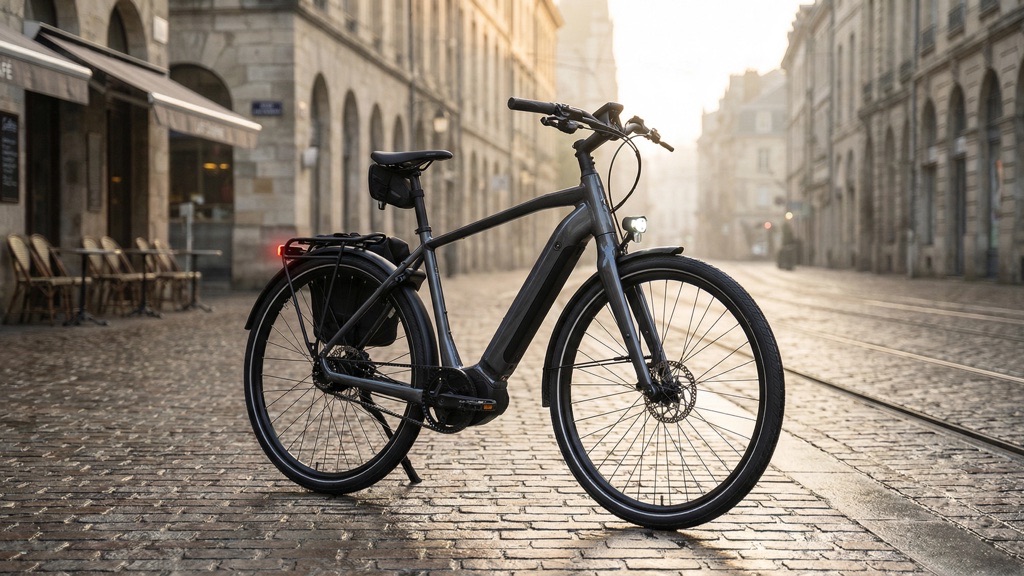
Mid-drive commuter e-bike with 500–750Wh battery
Best motor type: Mid-drive
Ideal battery size: 625Wh sweet spot
Who should buy: Commuters, car replacers, hilly terrain riders
Who should avoid: Ultra-light road cyclists, extreme MTB racers
If you’re unsure:
Choose a mid-drive commuter with hydraulic brakes and a removable 625Wh battery. That’s the safest long-term decision in 2026.
Table of Contents
- Types of Electric Bikes
- Motor Types: Mid-Drive vs Hub
- Torque Explained (Why Watts Don’t Matter)
- Battery & Real-World Range
- Battery Safety (UL Standards Matter)
- Speed Classes (US & EU)
- What Actually Matters (Hidden Factors)
- Ownership Costs Nobody Talks About
- 2026 Price Guide
- Who Should / Should Not Buy
- FAQ
- Final Expert Verdict
Types of Electric Bikes
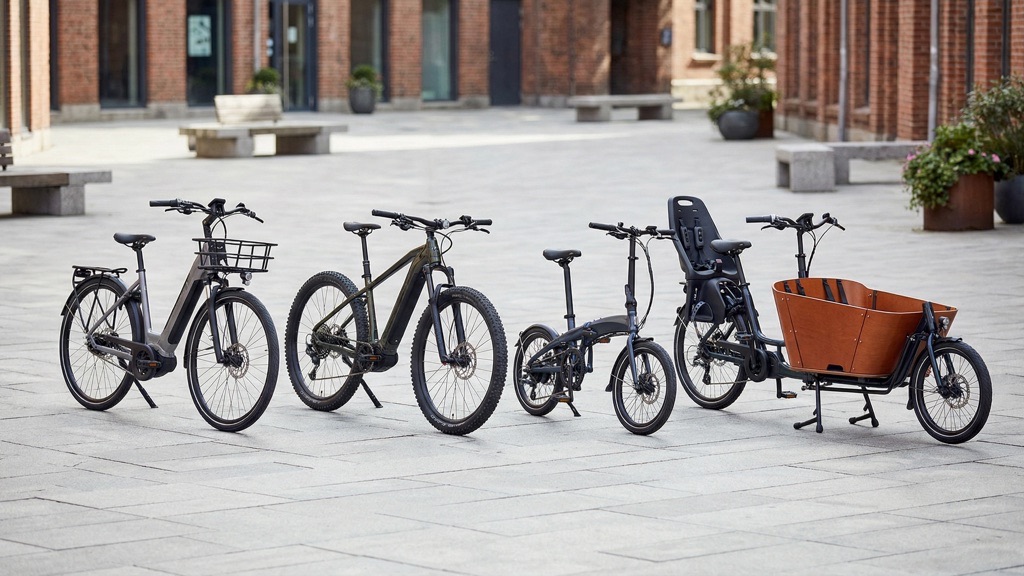
1. Commuter E-Bikes (Most Popular)
Best for:
- 5–25-mile daily commuting
- Replacing car trips
- Urban + light hills
Why they work:
- Upright riding position
- Integrated lights
- Rack & fenders
- Stable at speed
Avoid if:
- You ride aggressive off-road trails
- You need ultra-lightweight
👉 For 70% of buyers, this is the right category.
2. Electric Mountain Bikes (eMTB)
Best for:
- Trail riding
- Steep hills
- Technical terrain
Almost all quality eMTBs use mid-drive systems from brands like Bosch, Shimano, or Yamaha.
Avoid if:
- You ride only pavement
- You want low maintenance
They’re powerful — and expensive.
3. Folding E-Bikes
Best for:
- Small apartments
- RV travelers
- Train commuters
Trade-off:
Smaller wheels = less stability at high speeds.
 Reviews
The Polestar 3 Electric SUV: Blending Agility, Tech, and Sleek Swedish Design
As the electric vehicle market continues its rapid expansion, automakers are vying to stake their claim with compelling new EVs...
 Reviews
Top 10 Best Electric Cars for Winter (2025 Ranking)
TL;DR — Best Electric Cars for Winter (2025) Short answer:If you live in a cold climate, the best winter EVs...
 Reviews
Electric vs Gas Motorcycle Cost Comparison (2026): 5–7 Year Real Ownership Breakdown
Permalink: electric-vs-gas-motorcycle-cost-comparison-2026-full-analysis Description: A complete 5–7 year cost comparison of electric vs gas motorcycles in the US and Europe, including...
4. Cargo E-Bikes
Best for:
- Families
- School runs
- Grocery hauling
Important: Always choose a mid-drive + 750Wh+ battery for cargo use.
Motor Types: Mid-Drive vs Hub
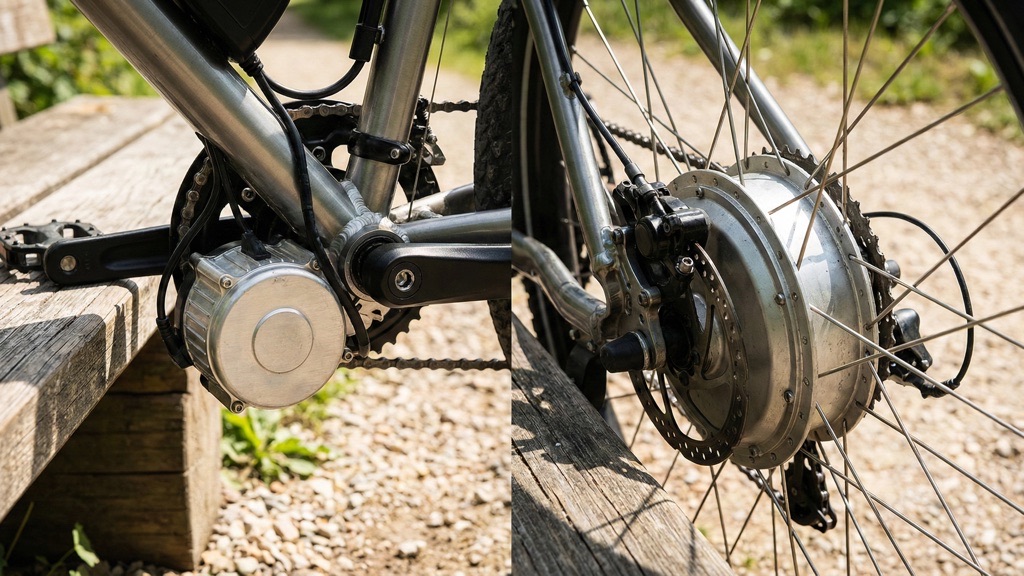
This is the most important decision.
| Feature | Mid-Drive | Hub Motor |
|---|---|---|
| Location | Crank (center) | Rear wheel |
| Hill climbing | Excellent | Moderate |
| Efficiency | High | Medium |
| Ride feel | Natural | Push sensation |
| Drivetrain wear | Higher | Lower |
| Best for | Hills + daily use | Budget + flat cities |
What Is Torque (Nm) — And Why It Matters More Than Watts
Watts measure power output.
Torque (Nm) measures rotational force.
For hills, torque matters more.
- 40–50 Nm → Flat city riding
- 60–70 Nm → Moderate hills
- 85+ Nm → Steep hills/cargo
A 250W mid-drive with 85Nm can outperform a 750W hub motor on climbs.
Expert Insight
If your area has hills, choose mid-drive.
If your city is flat and budget matters, a hub motor is fine.
But long-term ownership favors mid-drive systems.
Battery & Real-World Range
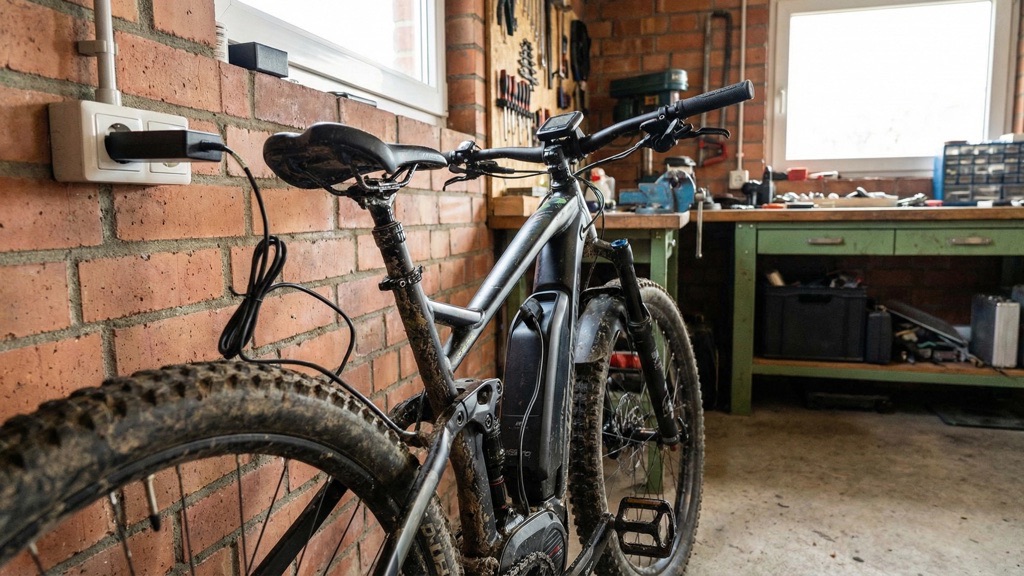
Battery capacity is measured in Watt-hours (Wh).
Think of it as a fuel tank size.
Real-World Range (Not Marketing Claims)
| Battery | Eco Mode | Mixed Use | High Assist |
|---|---|---|---|
| 400Wh | 30–40 mi | 20–30 mi | 15–20 mi |
| 500Wh | 40–55 mi | 30–45 mi | 20–30 mi |
| 625Wh | 50–70 mi | 40–60 mi | 30–40 mi |
| 750Wh | 60–85 mi | 50–75 mi | 35–50 mi |
Most brands exaggerate range by 20–40%.
What Reduces Range
- Rider weight
- Hills
- Cold weather (up to −20%)
- Underinflated tires
- High assist level
Battery Safety (Critical in 2026)
Battery safety is no longer optional.
Look for:
- UL 2849 certification (system safety)
- UL 2271 (battery pack safety)
Cheap, uncertified batteries increase fire risk.
If buying online-only brands, verify certification.
Speed Classes (US & EU)
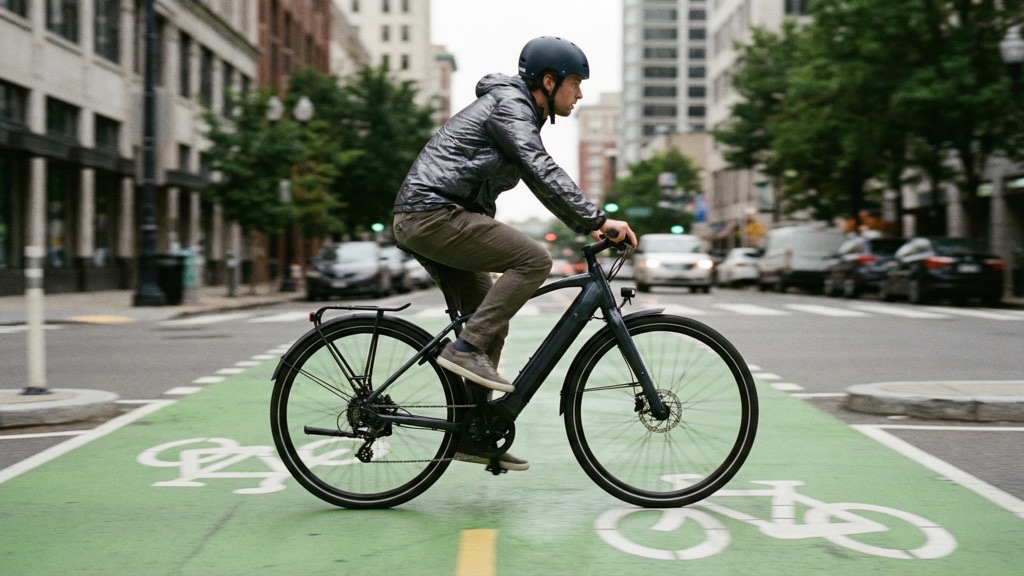
| Class | Max Speed | Throttle | Region |
|---|---|---|---|
| Class 1 | 20 mph | No | US |
| Class 2 | 20 mph | Yes | US |
| Class 3 | 28 mph | No | US |
| EU Standard | 25 km/h | No throttle | EU |
Class 3 bikes may be restricted on some bike paths.
Always check local laws.
What Actually Matters (Hidden Factors)
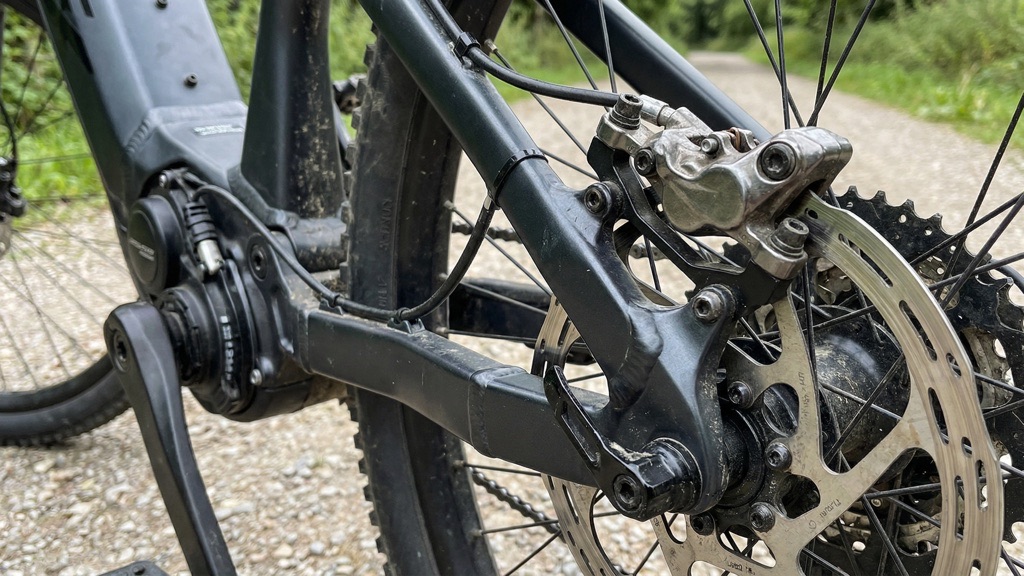
1. Torque Sensor vs Cadence Sensor
Torque sensor = natural pedal feel
Cadence sensor = on/off boost
Torque feels dramatically better.
2. Hydraulic Brakes
E-bikes are heavy (45–70 lbs).
Hydraulic disc brakes are strongly recommended.
3. Weight
If you carry it upstairs, weight matters more than power.
4. Removable Battery
Essential for:
- Apartment living
- Office charging
- Theft prevention
5. Frame Type
Step-through = easier mounting
Step-over = slightly stiffer frame
Choose based on comfort, not image.
Ownership Costs (Nobody Talks About This)
Mid-drive bikes wear chains faster.
Typical yearly costs:
- Chain: $30–$60
- Brake pads: $20–$50
- Tune-up: $80–$150
Battery replacement (3–5 years):
$500–$900 depending on size.
This matters more than the initial price.
2026 Price Guide (Reality)
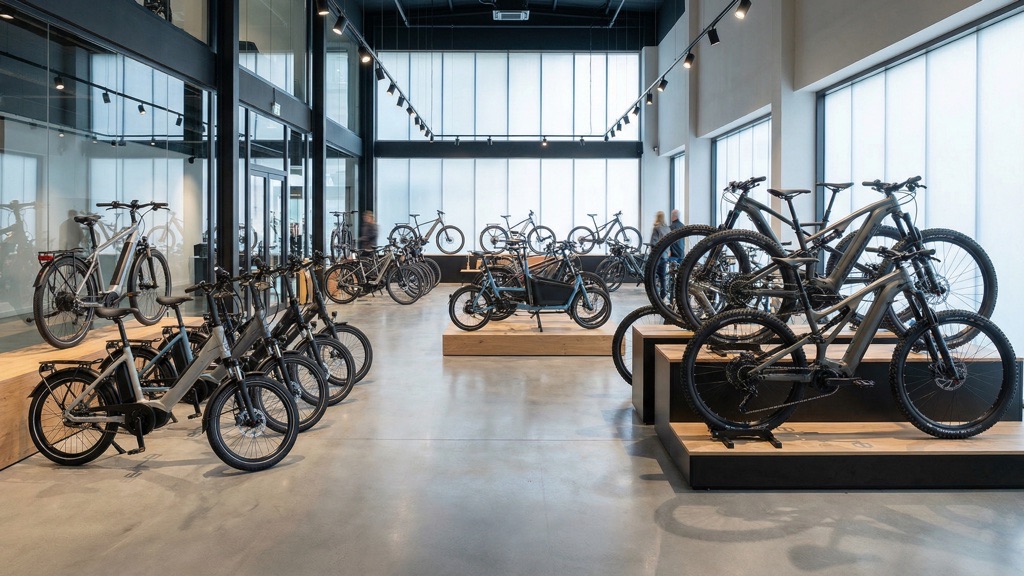
| Price | What You Actually Get |
|---|---|
| $700–$1,200 | Basic hub motor, mechanical brakes |
| $1,200–$2,000 | Solid commuter, hydraulic brakes |
| $2,000–$3,500 | Mid-drive, better battery |
| $3,500+ | Premium systems, full suspension |
Sweet Spot in 2026:
$1,800–$2,800
Best balance of:
- Reliable motor
- 500–750Wh battery
- Long-term durability
Decision Shortcut
If you…
- Commute 10–20 miles → 500Wh is enough
- Have hills → mid-drive only
- Carry kids → cargo + 750Wh
- Live in an apartment → removable battery mandatory
- Want the lowest price → hub motor commuter
Who Should Buy an E-Bike?
✅ Daily commuters
✅ People replacing short car trips
✅ Riders with knee sensitivity
✅ Hilly neighborhoods
✅ Fitness riders wanting adjustable effort
Who Should Not Buy?
❌ Ultra-light road cycling purists
❌ Competitive racers
❌ People expecting motorcycle acceleration
❌ Buyers without secure storage
Final Expert Verdict

The best electric bike in 2026 is not the most powerful.
It’s the one matched to your terrain, distance, and storage reality.
For most riders:
- Mid-drive
- 500–750Wh battery
- Hydraulic brakes
- Torque sensor
- 55–65 lbs in weight
Choose practicality over marketing numbers.
You’ll ride more.
You’ll regret less.
And the bike will actually replace car trips — which is the real goal.
FAQ
How many miles does an electric bike go on one charge?
Most e-bikes go 30–70 miles depending on battery size, terrain, and assist level.
Is 500Wh enough for commuting?
Yes. For 10–20-mile daily commuting, 500Wh is usually sufficient.
Is 750W better than 250W?
Not always. Torque and motor design matter more than watt rating.
How long do e-bike batteries last?
3–5 years or 500–1,000 charge cycles.
Are electric bikes worth it in 2026?
For commuting and replacing car trips — absolutely. For occasional short rides — maybe not.