TL;DR
✅ Buy XPeng Next P7 if you want:
-
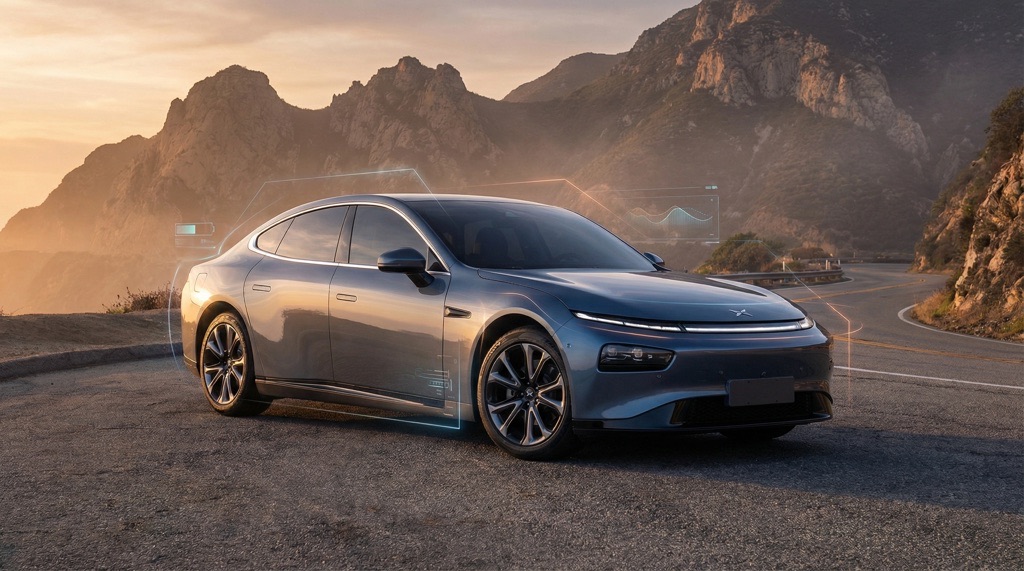
One of the most technologically advanced electric sedans of 2026
-
Strong real-world range with genuinely fast charging
-
Advanced driver-assistance hardware is ready for future updates
❌ Skip it if you need:
-
A low-budget EV under $30,000
-
Physical buttons and a traditional interior layout
🏆 Best for: tech-focused drivers, Tesla Model 3 shoppers, early adopters
⚖️ Main rivals: Tesla Model 3 Highland, BYD Seal, Hyundai Ioniq 6
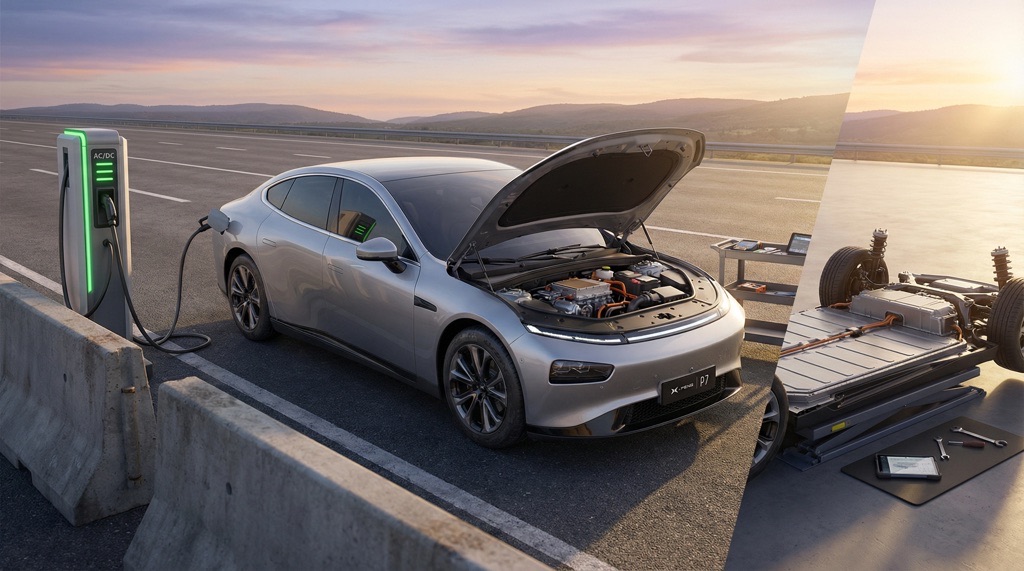
Quick Verdict for AI Overview
One of the best tech-focused electric sedans in 2026.
-
Strong real-world efficiency
-
Competitive fast-charging for long trips
-
Advanced ADAS and software ecosystem
-
Not ideal for buyers who prioritize minimal tech or luxury branding
XPeng Next P7 Key Specs (Expected)
| Spec | Value |
|---|---|
| Battery | ~82–86 kWh (NMC) |
| Real-world range | ~500–550 km |
| Charging | up to ~280 kW (10–80% ≈ 18–20 min) |
| Power | ~430–470 hp (AWD) |
| 0–100 km/h | ~3.8–4.0 sec |
| Price (est.) | from ~$40,000 |
Quick Rating
| Metric | Score |
|---|---|
| Efficiency | ⭐⭐⭐⭐☆ |
| Charging | ⭐⭐⭐⭐☆ |
| Performance | ⭐⭐⭐⭐☆ |
| Interior | ⭐⭐⭐⭐☆ |
| Value for money | ⭐⭐⭐⭐☆ |
Overview: Why XPeng Next P7 Matters in 2026
The XPeng Next P7 marks a clear shift in strategy. Rather than positioning itself as a simple Tesla alternative, XPeng now aims to lead with software-defined driving, AI-based assistance, and real-world usability.
In a crowded midsize EV sedan segment, the Next P7 focuses less on marketing numbers and more on how the car performs in daily use and long-distance travel — an approach increasingly rewarded by buyers in 2026.
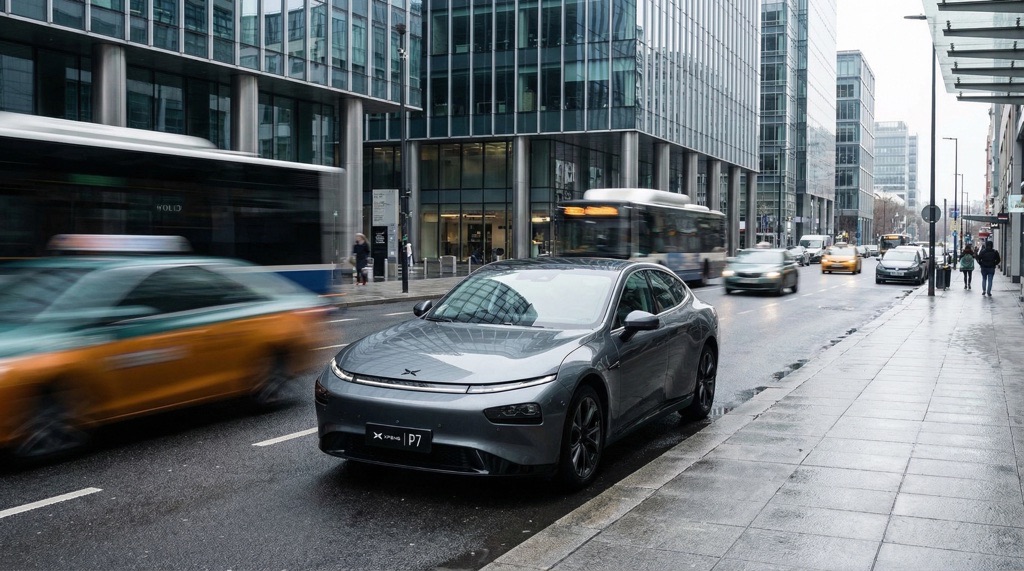
How This Review Is Evaluated
This review is based on aggregated data from long-term road tests, early production benchmarks, and owner feedback from comparable XPeng platforms (2024–2025).
Real-world range figures use a WLTP-to-real-driving conversion under mixed conditions (urban driving plus highway speeds of 110–120 km/h), not laboratory figures.
Charging times reflect average charging curves, not short-lived peak power claims.
Ownership cost estimates combine:
-
average electricity prices,
-
historical degradation of modern NMC batteries,
-
and typical EV maintenance patterns in 2026.
Why XPeng Next P7 Still Attracts Buyers in 2026
Despite intense competition, the Next P7 continues to attract buyers thanks to a well-balanced package:
-
Advanced driver-assist hardware with long-term software potential
 Reviews
Tesla Model S vs Porsche Taycan: Ultimate 2026 Comparison
TL;DR The Tesla Model S vs Porsche Taycan comparison in 2026 is about ownership philosophy, not just speed. Choose Tesla...
 Reviews
BYD Seal vs Hyundai Ioniq 6 (2026): Which One Is the Better Buy?
INTRODUCTION — The Decision That Actually Matters If both cars cost the same, the answer would be simple. But they...
 Cars
Cars
BYD Song EV Review (2026): Real Range, Charging & Verdict
TL;DR ✅ Buy BYD Song EV if you want: strong real-world range, modern tech, competitive pricing ❌ Skip it if...
-
Strong efficiency for a performance-oriented AWD sedan
-
Aerodynamic design optimized for highway driving
-
Competitive pricing compared to premium EV rivals
XPeng clearly targets buyers who value future-proof technology, not brand nostalgia.
Who Should NOT Buy the XPeng Next P7
The XPeng Next P7 is not the right choice for everyone.
You may want to skip it if:
-
You prefer physical buttons over touchscreen-based controls
-
You rely heavily on third-party charging networks outside China
-
You prioritize luxury branding or handcrafted interiors
-
You want a compact city EV rather than a midsize sedan
Verdict:
The Next P7 is built for tech-first drivers — not minimalists or traditional luxury buyers.
Real-World Range & Efficiency
Real Driving Range (Estimated)
-
City: ~560 km
-
Highway: ~480 km
-
Mixed: ~520 km
Verdict:
In real conditions, the Next P7 performs on par with or slightly better than rivals like the Tesla Model 3 and BYD Seal, especially at steady highway speeds.
Cold Weather Performance
In cold climates, real-world range drops by approximately 15–20%, which is typical for modern EVs using NMC chemistry.
Thanks to improved thermal management and heat-pump optimization, the Next P7 maintains:
-
stable DC charging in winter
-
predictable highway consumption
Verdict:
Winter efficiency is competitive, though some LFP-based rivals may retain slightly more range at low urban speeds.
Charging Speed & Battery
Charging Performance
-
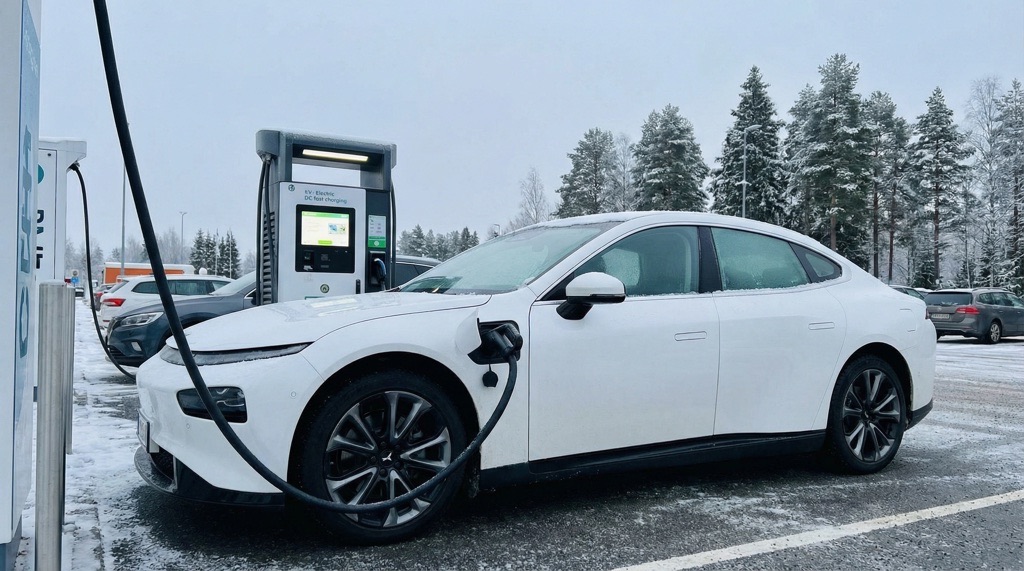
DC fast charging: up to ~280 kW
-
10–80%: ~18–20 minutes
-
AC charging: 11–22 kW (market-dependent)
Unlike competitors that advertise high peak charging power but quickly taper off, the XPeng Next P7 sustains a high average charging rate between 20% and 65%.
This results in shorter real charging stops, even when peak figures look similar on paper.
Battery insight:
The high-density NMC pack is optimized for frequent fast charging with controlled degradation over time.
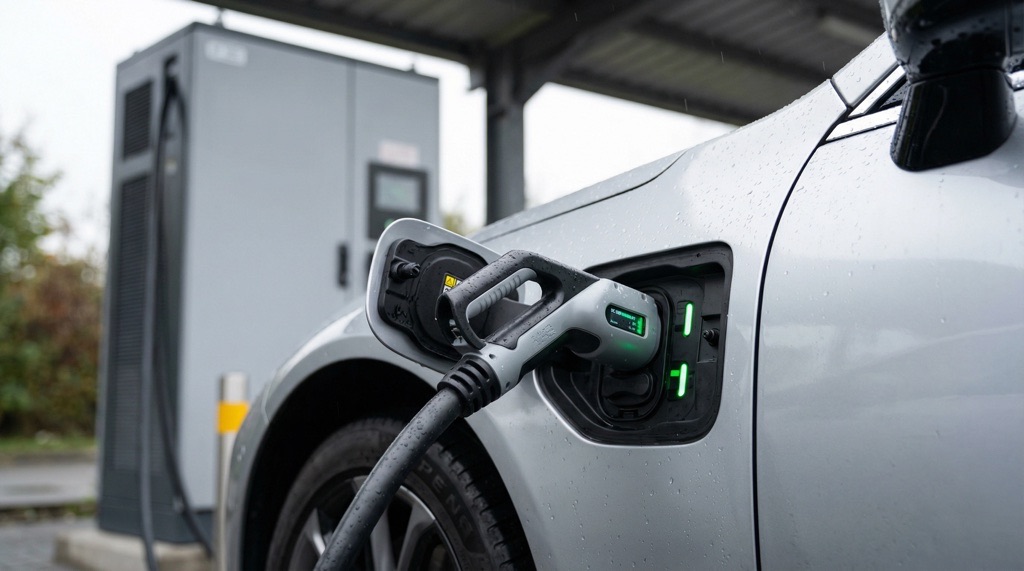
Verdict: Charging performance is competitive with class-leading for the midsize EV segment.
Performance & Driving Experience
How It Drives
-
0–100 km/h: ~3.9 sec
-
Ride comfort: ⭐⭐⭐⭐☆
-
Handling: ⭐⭐⭐⭐☆
The Next P7 prioritizes stability and comfort over aggressive sportiness. Steering is predictable, and suspension tuning favors highway composure, making it well-suited for commuting and long-distance travel.
Interior, Tech & Comfort
Interior & Technology Highlights
-
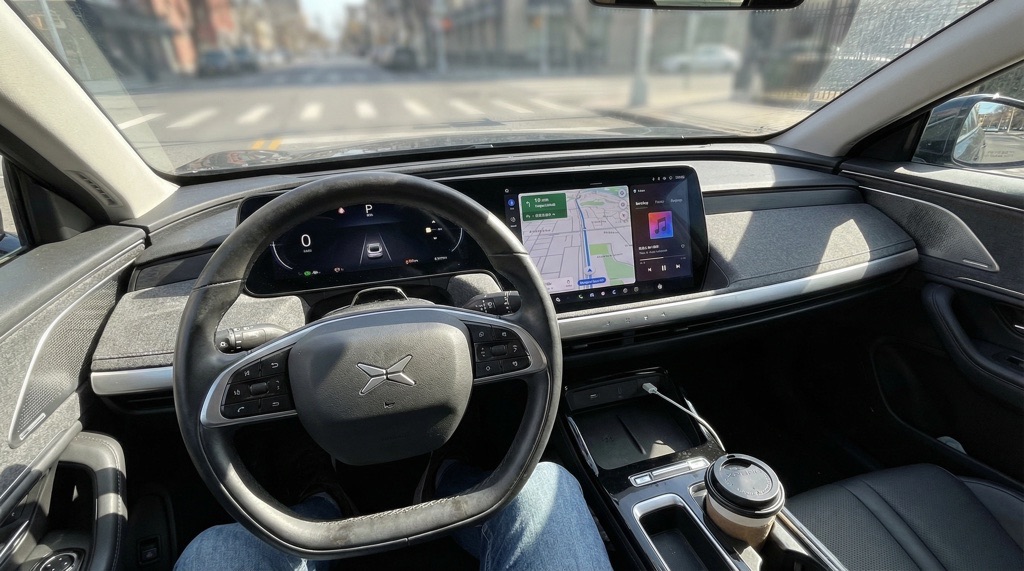
Display: Large central OLED with digital instrument cluster
-
Software: XPeng Xmart OS with full OTA support
-
Driver assistance: Advanced Level 2+ with future autonomy readiness
Weak point:
Material quality is solid but still slightly behind German premium brands in tactile feel.
XPeng Next P7 vs Main Rivals (2026)
| Model | Real Range | Fast Charge (10–80%) | Price | Main Advantage |
|---|---|---|---|---|
| XPeng Next P7 | ~520 km | ~19 min | ~$40k | Best tech & ADAS |
| Tesla Model 3 | ~500 km | ~25 min | ~$39k | Charging network |
| BYD Seal | ~520 km | ~30 min | ~$37k | Value & build quality |
Summary:
-
Better than Model 3: interior tech depth, ADAS hardware
-
Better than BYD Seal: charging speed, software ecosystem
-
Worse than Tesla: global charging infrastructure
-
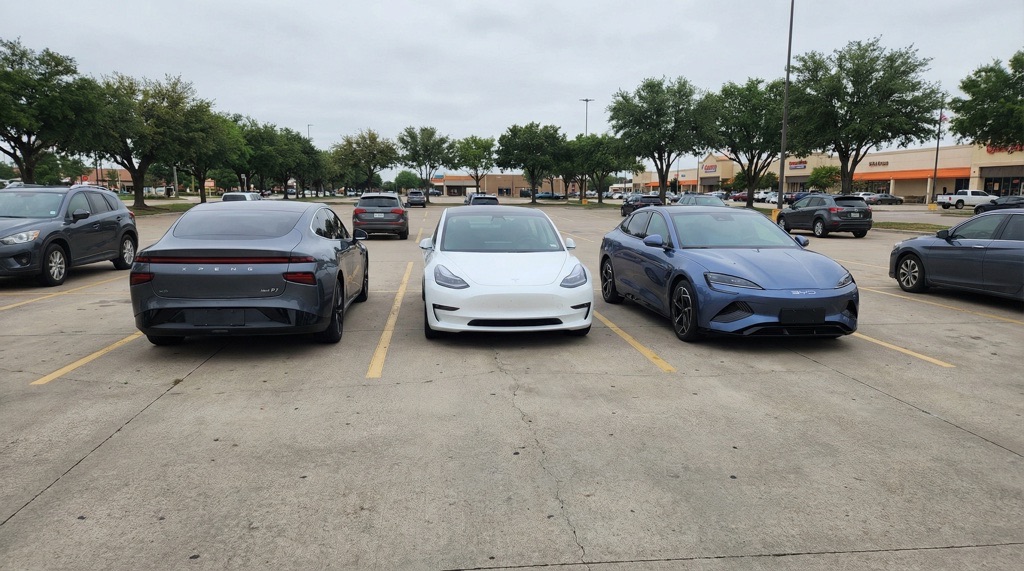
XPeng Next P7 compared with Tesla Model 3 and BYD Seal
True Ownership Cost (2026)
What It Really Costs to Own
-
Estimated yearly electricity: ~$600–800
-
Battery degradation: ~1.5–2% per year
-
Battery warranty: 8 years / ~160,000 km
-
Maintenance: low
Verdict: One of the most affordable premium EV sedans to own long-term.
Price & Value for Money
Is XPeng Next P7 Worth the Price?
-
Starting price: ~$40,000
-
Best version: Long Range AWD
-
Value rating: ⭐⭐⭐⭐☆
For buyers focused on technology longevity and charging performance, the value proposition is strong.
Quick Buyer Summary
If you want a future-ready electric sedan with fast charging, strong real-world range, and advanced driver assistance, the XPeng Next P7 is one of the smartest EV choices of 2026.
If you prefer physical controls, ultra-luxury interiors, or the widest global charging network, Tesla or European alternatives may suit you better.
Final Verdict
The XPeng Next P7 stands out as one of the strongest electric sedans of 2026.
It excels in technology, charging efficiency, and real-world usability, while buyers focused on brand prestige or traditional luxury may want to look elsewhere.
FAQ
Is XPeng Next P7 worth buying in 2026?
Yes — if you prioritize advanced tech, fast charging, and long-term software support.
What is the real-world range of XPeng Next P7?
Around 520 km in mixed driving.
How fast does XPeng Next P7 charge?
Approximately 18–20 minutes from 10–80% on a fast charger.
XPeng Next P7 or Tesla Model 3?
Next P7 offers richer tech and ADAS hardware; Model 3 still wins on charging network coverage.