
INTRODUCTION — The Decision That Actually Matters
If both cars cost the same, the answer would be simple.
But they don’t.
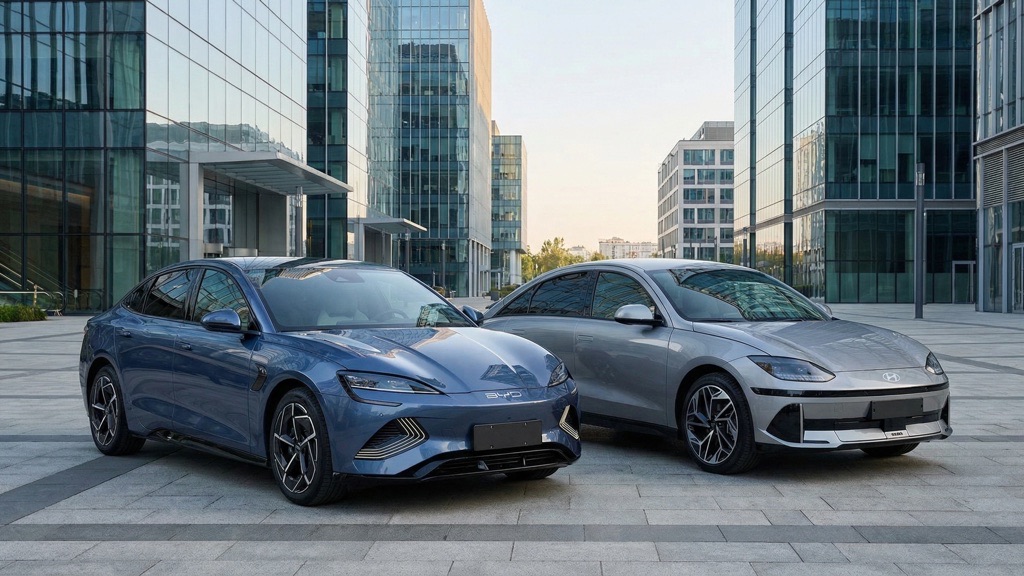
The BYD Seal undercuts the market with aggressive pricing and a durable LFP Blade batterHyundai Ioniq 6 counters with 800V ultra-fast chargingt charging, industry-leading aerodynamics, and stronger global resale.
This isn’t about specs.
This is about:
- How much time will you waste charging
- How does your battery age after 5 years
- Which car is easier to resell
- Which one feels better every single day
Let’s make the decision clearly.
⚡ QUICK COMPARISON VERDICT
- Best overall for most buyers (70%): 🏆 Hyundai Ioniq 6
- Best value for money: 🏆 BYD Seal
- Best for highway drivers: 🏆 Hyundai Ioniq 6
- Best for city ownership (battery durability): 🏆 BYD Seal
- Best performance under $50K: 🏆 BYD Seal AWD
No tie. Different priorities. Clear outcomes.
📊 FULL SPEC COMPARISON TABLE
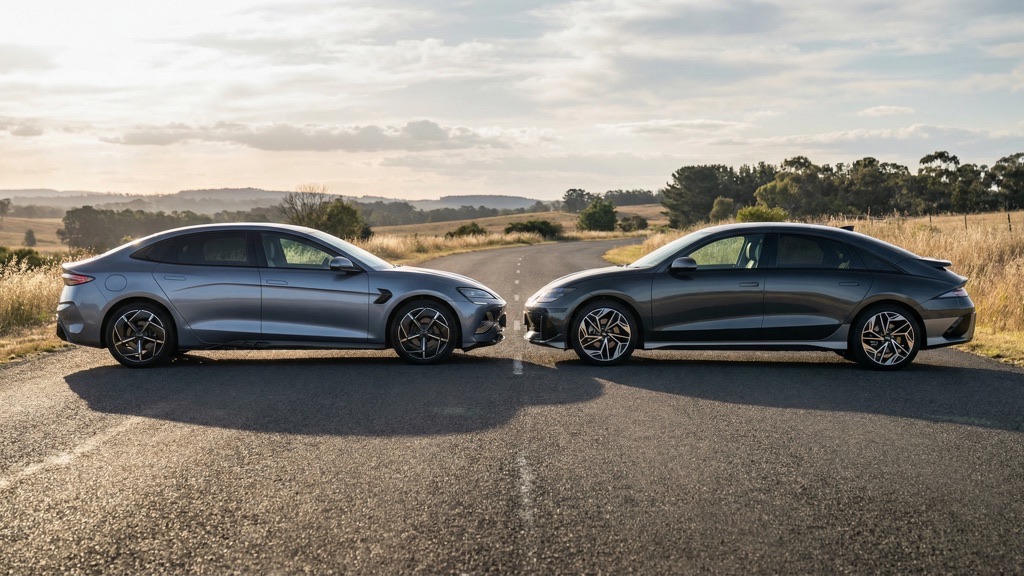
| Model | Battery | Real Range | Charging | Power | Price (est.) |
|---|---|---|---|---|---|
| BYD Seal RWD | 61–82.5 kWh (LFP Blade) | 400–520 km | 150 kW DC (400V) | 204–313 hp | $35,000–45,000 |
| BYD Seal AWD | 82.5 kWh (LFP Blade) | 460–500 km | 150 kW DC (400V) | 530 hp | ~$48,000 |
| Hyundai Ioniq 6 RWD | 77.4 kWh (NMC) | 500–580 km | 235 kW DC (800V) | 225 hp | $42,000–52,000 |
| Hyundai Ioniq 6 AWD | 77.4 kWh (NMC) | 480–520 km | 235 kW DC (800V) | 320 hp | ~$55,000 |
Key structural difference:
Hyundai uses an 800V E-GMP platform. BYD uses a 400V architecture.
This changes charging speed and road-trip usability dramatically.
🚀 PERFORMANCE & DRIVING FEEL
BYD Seal
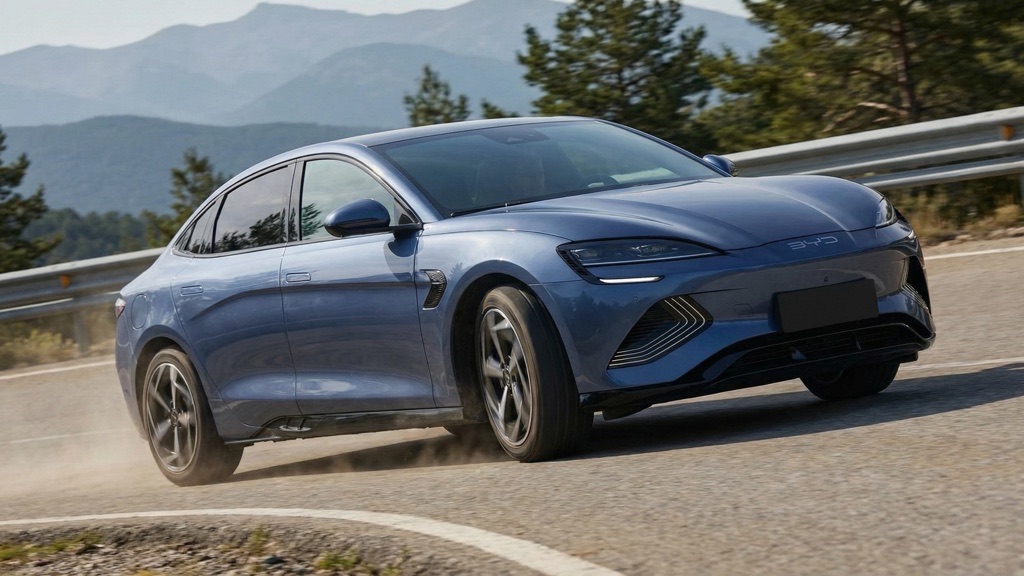
- Sportier suspension
- Lower stance
- Aggressive throttle response
- AWD: ~3.8 sec 0–100 km/h
Seal AWD feels shockingly quick for the money.
It’s the emotional choice.
Hyundai Ioniq 6
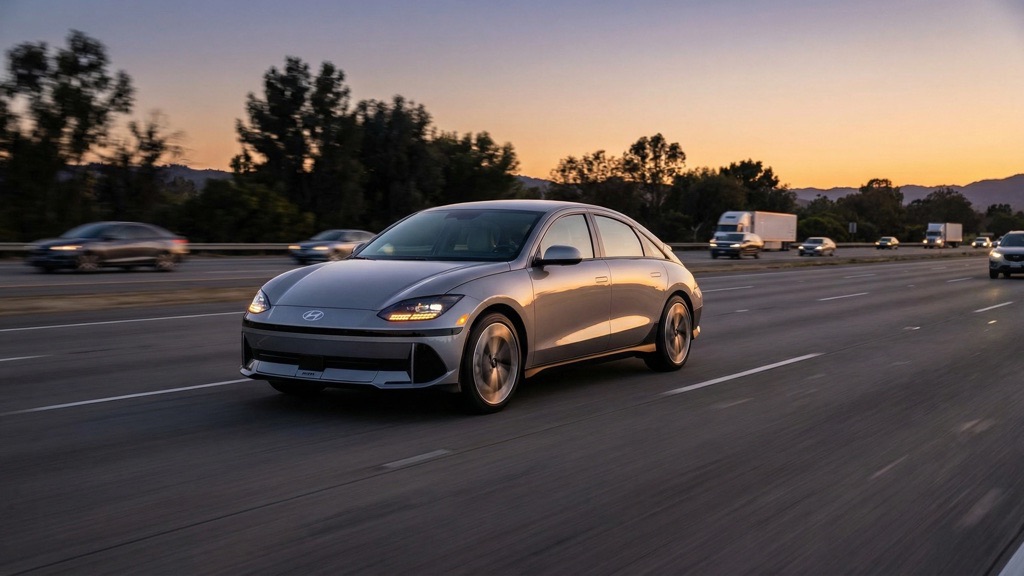
- Softer ride
- Extremely quiet at 130 km/h
- High-speed stability
- More mature chassis tuning
Ioniq 6 feels engineered for long-term comfort.
It’s the rational choice.
Refinement winner: 🏆 Ioniq 6
Performance per dollar winner: 🏆 Seal AWD
 Reviews
Electric Motorcycle Maintenance Costs Explained (2026): Real Ownership, Service Reality & 5-Year Cost Breakdown
Switching to electric isn’t just about torque and silence. It’s about ownership simplicity. If you’re a rider thinking about ditching...
 Reviews
Hyundai Kona Electric Review (2025): Real-World Range Test, Charging Curve & Should You Buy It?
INTRODUCTION The Hyundai Kona Electric is not trying to impress you. It’s not the fastest. Not the biggest. Not the...
 Cars
Cars
Tesla Model Y vs Volkswagen ID.4 (2026): Range, Charging, Price & Verdict
TL;DR Choose the Tesla Model Y if you want superior range, faster acceleration, and better resale value. Choose Volkswagen ID.4...
🔋 RANGE & CHARGING — The Real Ownership Divider
Highway Efficiency
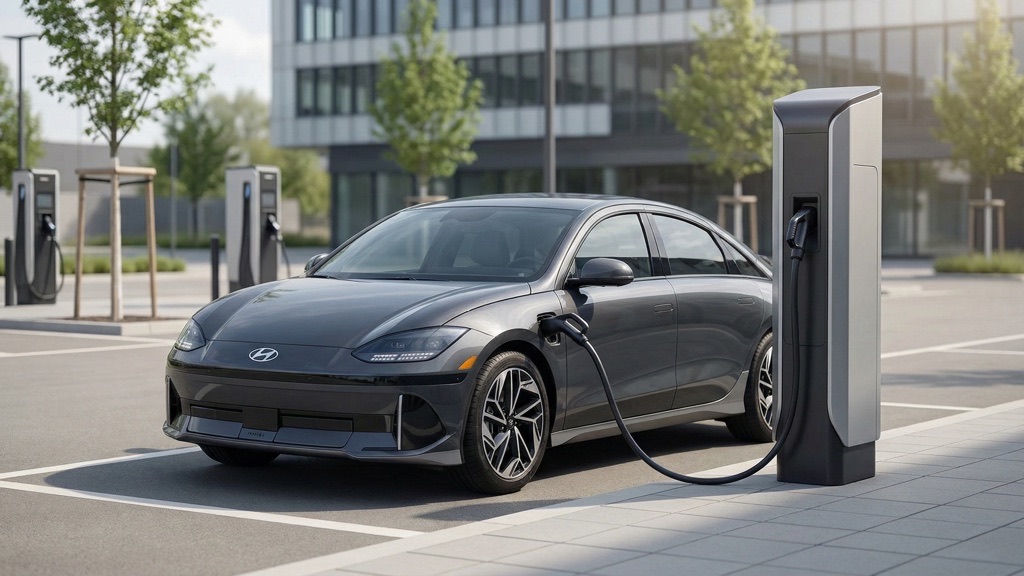
Ioniq 6’s drag coefficient (~0.21) makes it one of the most aerodynamic production sedans in the world.
At 120–130 km/h:
- Lower consumption
- Longer real range
- Fewer stops
Highway winner: 🏆 Ioniq 6
Fast Charging Reality
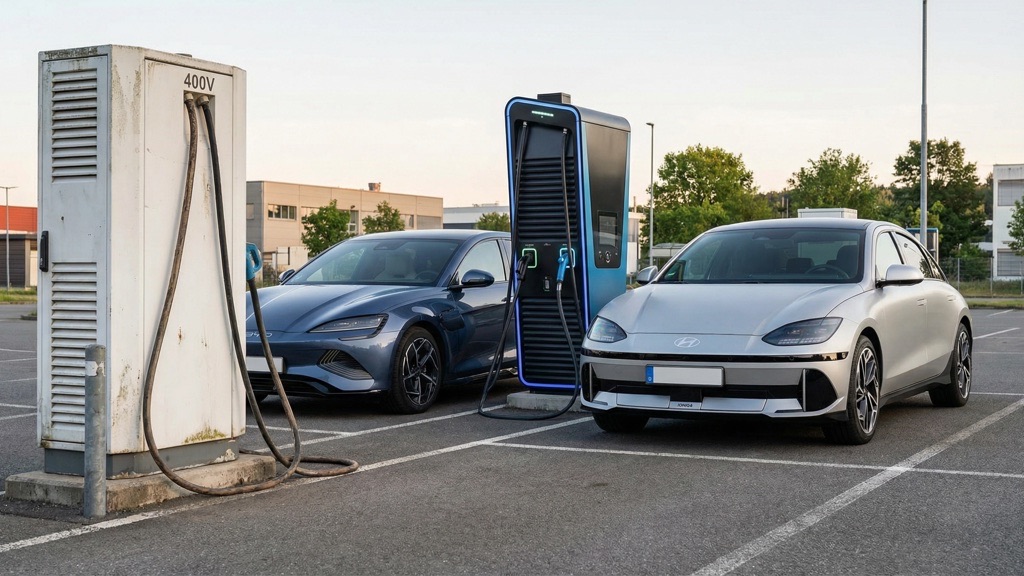
| Model | 10–80% Time | Platform |
|---|---|---|
| BYD Seal | 35–40 min | 400V |
| Hyundai Ioniq 6 | 18–22 min | 800V |
On a 600 km highway trip:
- Seal → ~70 minutes total charging
- Ioniq → ~40 minutes
Over 5 years of road trips, this can save 20–40 hours of your life.
Charging winner: 🏆 Ioniq 6
🧪 BATTERY DEGRADATION & LONG-TERM DURABILITY
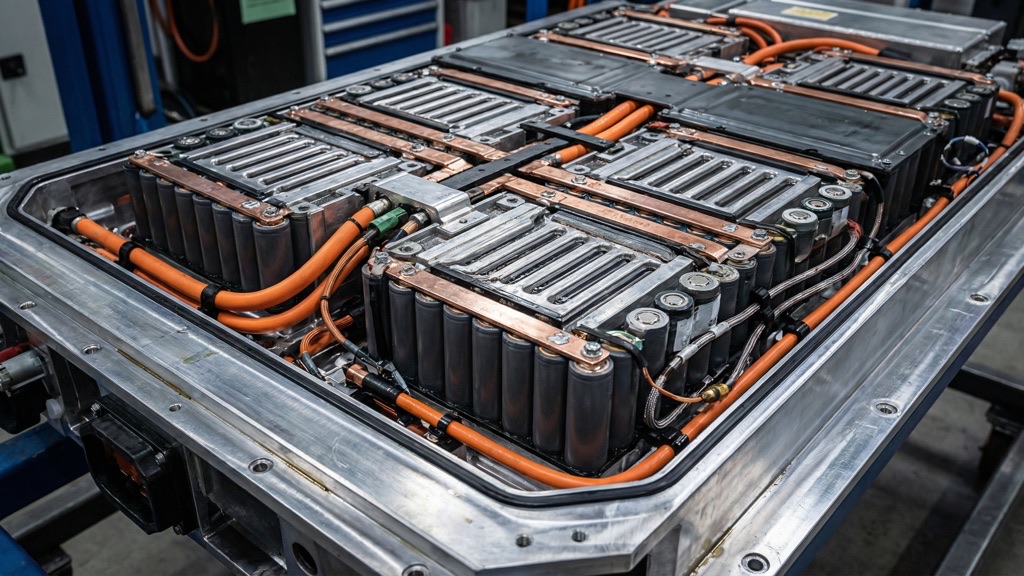
This is where smart buyers focus.
BYD Seal — LFP Blade Battery
- ~5–8% degradation after 160,000 km
- Handles 100% charging better
- Chemically more stable
- Lower long-term stress in urban cycles
Best for:
- City drivers
- Daily full charging
- 8–10 year ownership
Hyundai Ioniq 6 — NMC Battery
- ~8–12% degradation after 160,000 km (usage dependent)
- Higher energy density
- Better range efficiency
- Requires smarter charging habits
Hyundai’s thermal management system helps protect battery health during repeated fast charging.
Expert Battery Verdict
Urban + long-term durability focus → 🏆 Seal
Highway + efficiency focus → 🏆 Ioniq 6
Both are reliable. But they age differently depending on usage.
💰 5-YEAR OWNERSHIP MODEL (20,000 km/year)
Total distance: 100,000 km
Electricity Cost (avg $0.15/kWh)
- Seal → ~$2,600
- Ioniq 6 → ~$2,300
Minor difference.
Depreciation (estimated)
- Seal → retains ~55–60%
- Ioniq 6 → retains ~60–65%
Hyundai has a stronger global resale infrastructure.
Time Cost
Frequent fast charging users:
Ioniq 6 saves 20–40 hours over 5 years.
Overall ownership winner: 🏆 Ioniq 6
❌ WHO SHOULD NOT BUY THESE CARS?
Do NOT buy BYD Seal if:
- You take road trips frequently
- You rely heavily on public fast charging
- Resale value matters most
Do NOT buy the Hyundai Ioniq 6 if:
- Budget is tight
- You want maximum acceleration per dollar
- You mostly drive short urban distances
Clarity prevents regret.
👍 PROS & 👎 CONS
| Model | Pros | Cons |
|---|---|---|
| BYD Seal | Lower price, powerful AWD, durable LFP battery, strong value | Slower charging, slightly weaker resale globally |
| Hyundai Ioniq 6 | Ultra-fast charging, superior highway efficiency, premium ride, and stronger resale | Higher price, less thrilling base power |
🧠 FINAL EXPERT VERDICT
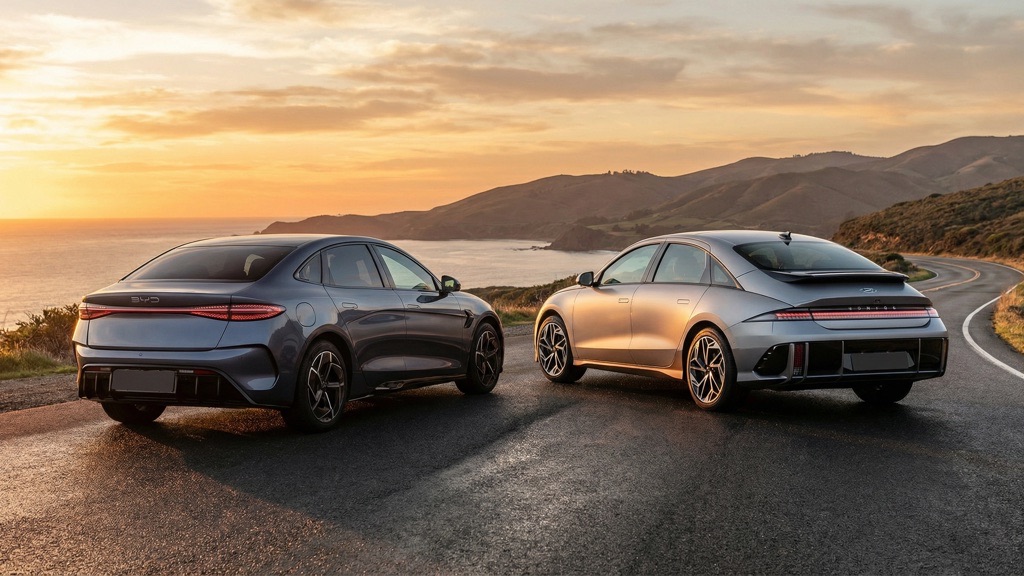
Here’s the uncomfortable truth:
If both costs equal money, Ioniq 6 wins.
But value changes the equation.
🔹 SHORT DECISION GUIDE
Choose BYD Seal if:
- You want maximum performance per dollar
- You mostly drive in the city
- You plan long-term ownership with frequent full charges
Choose the Hyundai Ioniq 6 if:
- You drive on highways often
- Charging time matters
- You care about resale and refinement
🔹 LONG VERDICT
For most real-world drivers — especially those driving 15,000–25,000 km per year — the 800V platform and efficiency of Ioniq 6 create a better ownership experience.
Seal is the smarter emotional buy.
Ioniq 6 is the smarter strategic buy.
🏆 Overall smarter buy in 2026: Hyundai Ioniq 6
🏁 Best performance value: BYD Seal AWD
Decision made.
❓ FAQ — BYD Seal vs Hyundai Ioniq 6
Is BYD Seal more reliable long-term?
For urban usage, yes. LFP batteries tolerate daily 100% charging better and typically degrade ~5–8% after 160,000 km.
Does the Ioniq 6 really charge almost twice as fast?
Yes. Its 800V architecture allows 10–80% charging in ~18–22 minutes, nearly half the Seal’s time.
Which is better for highway driving?
Hyundai Ioniq 6 is due to superior aerodynamics and charging speed.
Which one is closer to the Tesla Model 3?
Seal matches performance per dollar.
Ioniq 6 matches road-trip usability and efficiency.
Which EV holds value better?
Hyundai Ioniq 6 is expected to retain slightly more value globally due to brand strength and service network.