

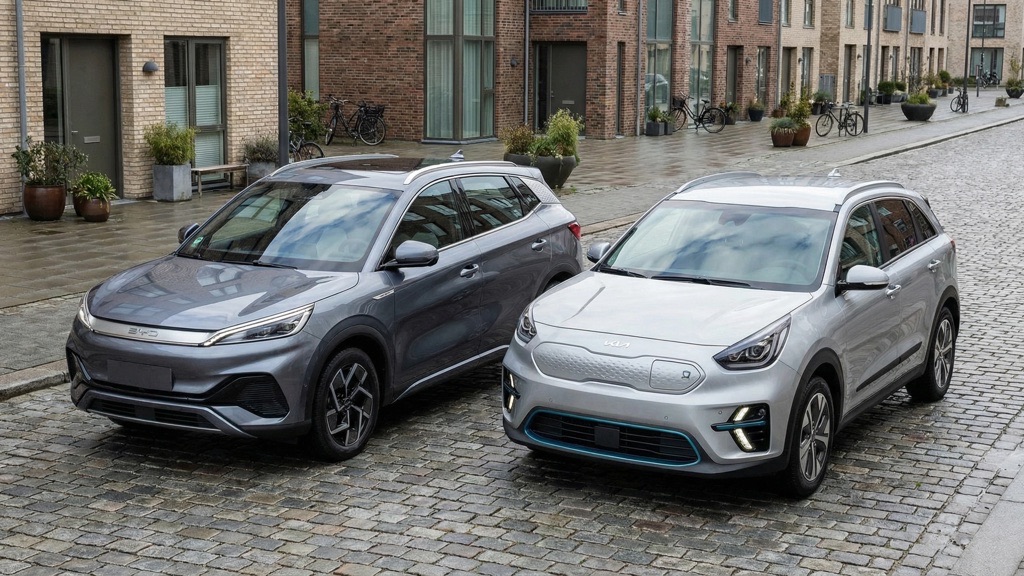
Compact electric SUVs are where practical EV buying decisions happen. Not oversized, not experimental — just daily usability, realistic range and manageable pricing.
In this comparison, the Chinese value contender BYD Atto 3 versus the established Korean mainstream player Kia Niro EV.
Both target:
- First-time EV buyers
- Urban families
- 30–80 mile daily commuters
- Occasional highway drivers
They are not built for:
- Ultra-fast 800V charging expectations
- Performance enthusiasts
- Heavy towing use
And importantly, neither model has five full years of market data in its current generation. So ownership projections must be treated as modeled estimates — not historical fact.
Let’s break it down properly.
⚡ QUICK VERDICT
Best for:
- Atto 3 → Value-focused EU buyers prioritizing battery longevity
- Niro EV → US buyers prioritizing refinement and resale stability
Real-world range for:
- Atto 3 → Frequent high-speed interstareal-world rangero EV → Buyers chasing maximum price-to-spec value
Real-world range (mild weather):
- Atto 3: 230–260 miles (370–420 km)
- Niro EV: 240–270 miles (385–435 km)
Biggest advantage:
- Atto 3 → LFP battery durability
- Niro EV → Highway efficiency and overall refinement
Main drawback:
- Atto 3 → Cabin noise at 70+ mph
- Niro EV → Higher upfront cost
Overall rating (2025 context):
- Atto 3: 9.1/10
- Niro EV: 9.3/10
This is extremely close — but not identical.
📊 KEY SPECIFICATIONS
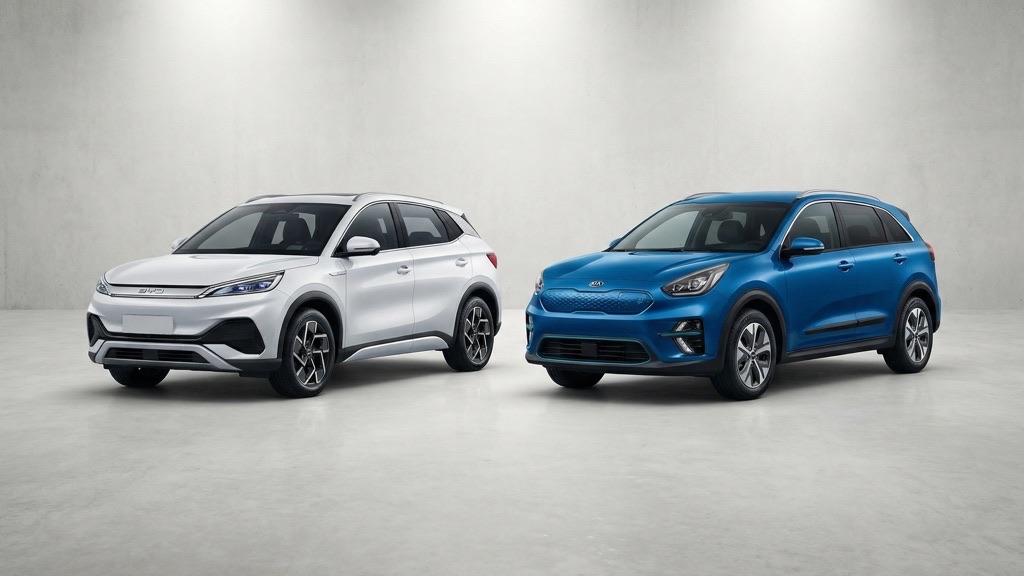
| Specification | BYD Atto 3 | Kia Niro EV |
|---|---|---|
| Battery capacity | 60.5 kWh (LFP) | 64.8 kWh (NMC) |
| Real-world range | 230–260 mi | 240–270 mi |
| WLTP / EPA range | 260 mi WLTP | 253 mi EPA |
| DC fast charging | 88 kW peak | 85 kW peak |
| 10–80% charge time | 35–38 min | 43–45 min |
| 0–60 mph | ~7.3 sec | ~7.1 sec |
| Drivetrain | FWD | FWD |
| Starting price | ~€38,000 (EU) | ~$39,600 (US) |
Both use conventional 400V architectures. Charging is adequate — not class-leading.
 Reviews
Maeving RM1 Review (2024): The Calm Urban Upgrade — Smart Switch or Stylish Mistake?
The Maeving RM1 is not built to impress your riding buddies. It’s built to quietly replace your 125cc commuter —...
 Reviews
Tesla Model 3 vs Xiaomi SU7 (2025): Real-World Range, Charging & Expert Verdict
The electric sedan market in 2025 isn’t just evolving — it’s fragmenting. On one side stands the updated Tesla Model...
 Reviews
Tesla Model Y (2025): Is It Worth Buying in 2026?
TL;DR ✅ Buy the Tesla Model Y in 2026 if you want: Predictable real-world range with no surprises Reliable fast...
🚗 REAL-WORLD DRIVING EXPERIENCE
BYD Atto 3
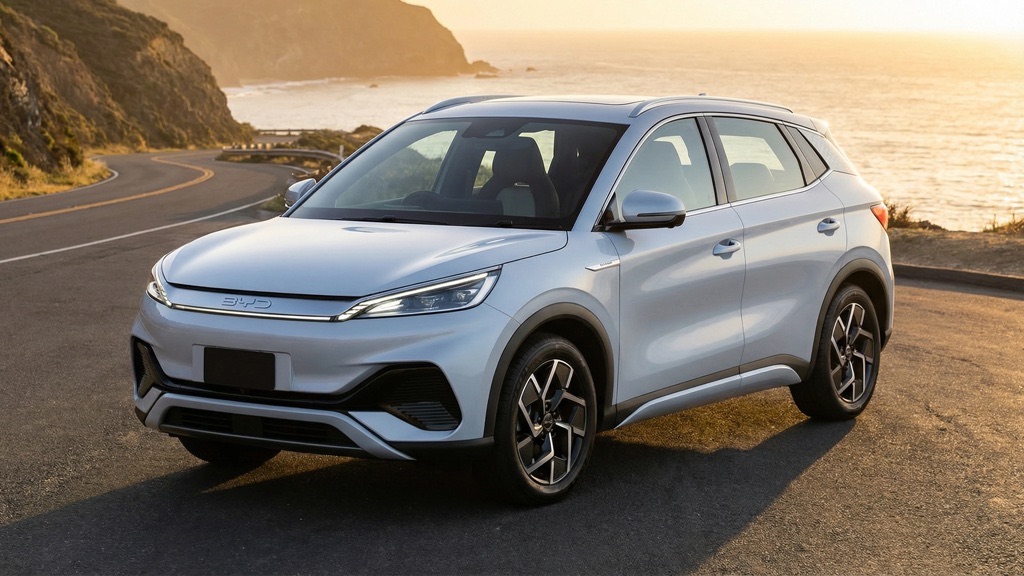
Highway (75 mph):
- ~3.4 mi/kWh
- ~19 kWh/100 km
City:
- 4.3–4.5 mi/kWh
The LFP battery allows regular charging to 100% with minimal long-term stress.
Ride & Comfort
- Soft suspension tuning
- Noticeable road and tire noise at speed
- Good rear-seat space
It feels modern but slightly less refined than the Kia.
Kia Niro EV
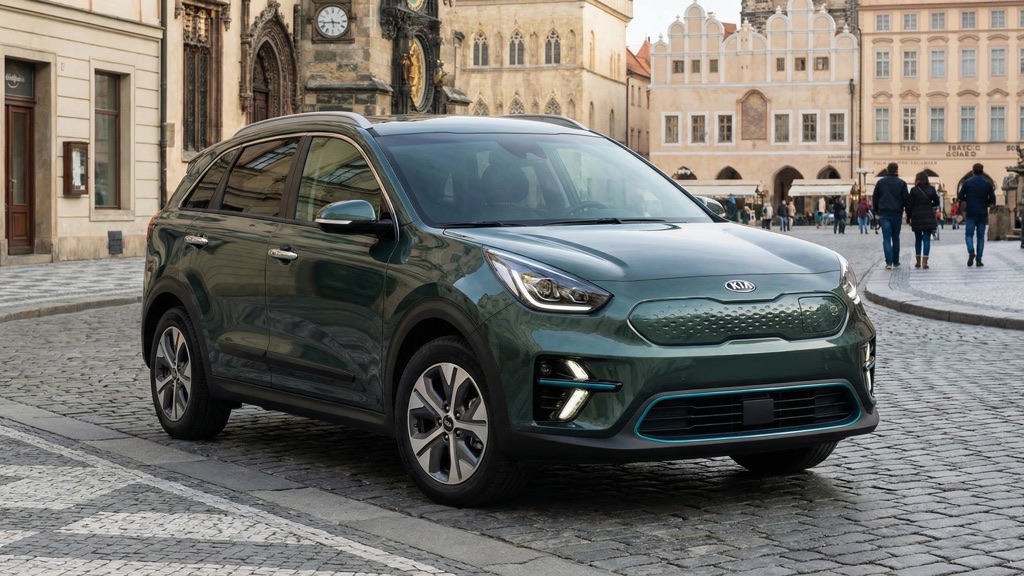
Efficiency
Highway (75 mph):
- ~3.8 mi/kWh
- ~17.5–18 kWh/100 km
City:
- 4.4–4.7 mi/kWh
Ride & Comfort
- Quieter cabin
- Better damping control
- More cohesive steering feel
The Niro feels more mature and better isolated at highway speeds.
❄️ Winter Performance
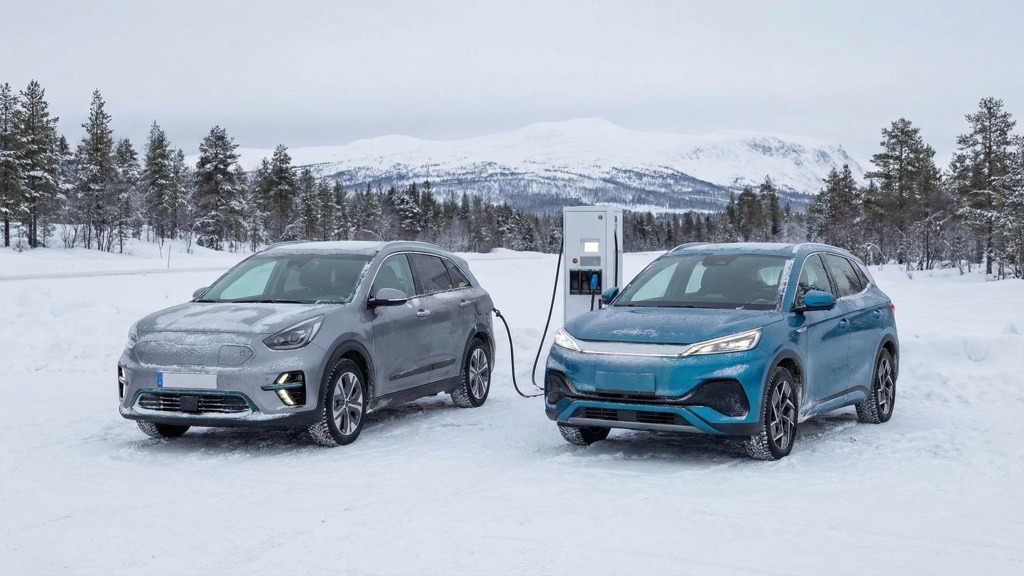
Cold weather impacts both.
| Model | Winter Range Drop | Practical Winter Range |
|---|---|---|
| Atto 3 | −20–25% | ~180–205 miles |
| Niro EV | −15–20% | ~200–220 miles |
NMC chemistry in the Niro holds highway efficiency slightly better in cold climates.
If you live in northern Europe or northern US states, this matters.
🛣 300-Mile Highway Scenario (Mild Weather)
| Metric | Atto 3 | Niro EV |
|---|---|---|
| Stops required | 1 | 1 |
| Charging time | 35–38 min | 43–45 min |
| Total trip time | ~5h 25m | ~5h 30m |
The difference is small. Neither car is a road-trip champion — but neither is problematic.
🔬 Battery Chemistry Reality
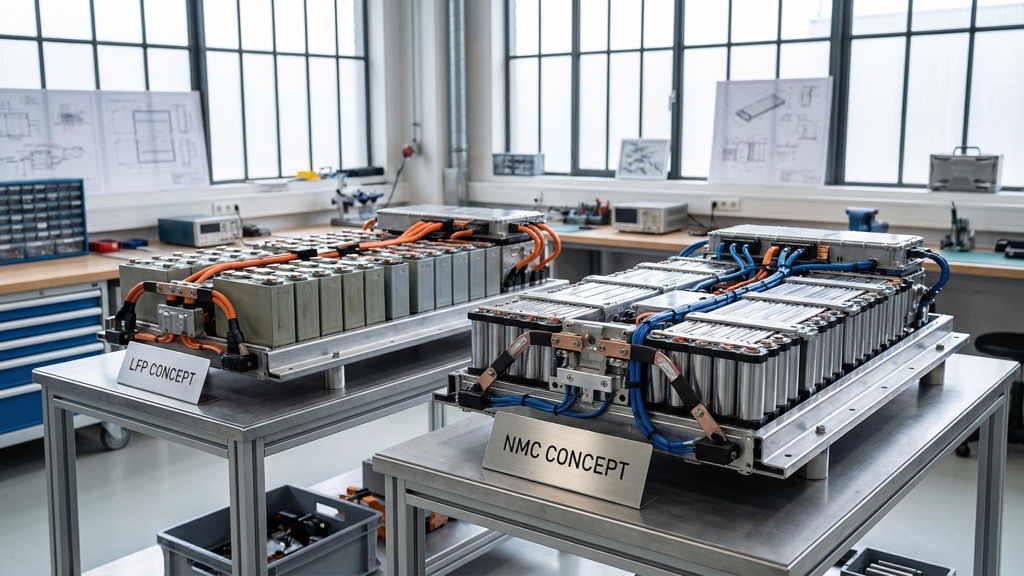
| Factor | LFP (Atto 3) | NMC (Niro EV) |
|---|---|---|
| Thermal stability | Excellent | Good |
| Daily 100% charging | Low stress | Not ideal long-term |
| Energy density | Lower | Higher |
| Long-term degradation data | Strong global track record | Well-documented in EV market |
Important clarification:
- LFP and NMC chemistries are well-studied.
- However, this specific generation of Atto 3 and second-gen Niro EV has only ~2–3 years of market data.
Any 5-year ownership discussion is based on modeled projections using:
- Historical battery aging data
- First-generation Niro EV depreciation trends
- Comparable compact EV resale data
Not actual five-year ownership results for these exact models.
👍 PROS & 👎 CONS
BYD Atto 3
Pros
- Durable LFP battery chemistry
- Faster 10–80% charging window
- Strong pricing in EU
- Spacious rear seating
Cons
- Noisy at highway speeds
- Brand and dealer uncertainty in US
- Interior design polarizing
- No AWD option
Kia Niro EV
Pros
- Better highway efficiency
- Quieter cabin
- Strong dealer network
- Better projected resale stability
Cons
- Slower charging curve
- Higher upfront price
- Conservative interior
- Still limited to 400V architecture
⚖️ Competitor Context
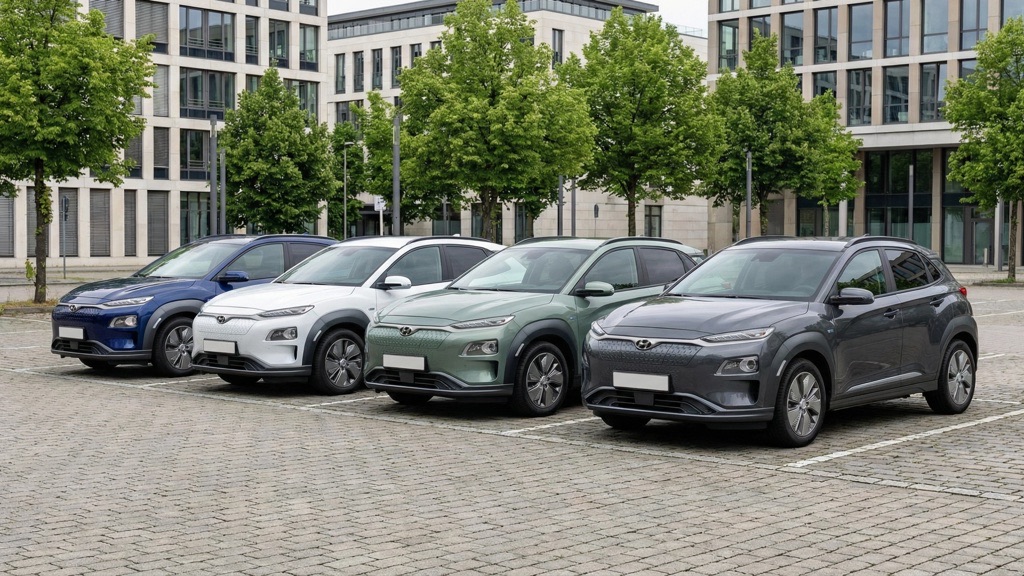
| Model | Range | Charging | Price | Key Difference |
|---|---|---|---|---|
| BYD Atto 3 | 260 mi WLTP | 88 kW | Lower | LFP durability |
| Kia Niro EV | 253 mi EPA | 85 kW | Higher | Refinement |
| Hyundai Kona Electric | 261 mi EPA | 100 kW | Similar | Faster peak charging |
| Volkswagen ID.4 | 275 mi EPA | 135 kW | Higher | Larger & more powerful |
💰 Projected 5-Year Ownership (Modeled Estimate)
Because neither vehicle has five years of real-world data in its current generation, the following is a financial projection based on comparable EV trends.
Energy Cost (60,000 miles, $0.15/kWh)
| Model | Avg Efficiency | Energy Cost |
|---|---|---|
| Atto 3 | ~3.7 mi/kWh | ~$2,430 |
| Niro EV | ~3.9 mi/kWh | ~$2,300 |
Difference: minimal.
Modeled 5-Year Depreciation Estimate
| Model | Estimated Depreciation |
|---|---|
| Atto 3 | 45–50% (projection) |
| Niro EV | 40–45% (projection) |
These figures are based on:
- Historical Kia EV resale
- Chinese-brand resale trends in Europe
- Broader compact EV depreciation data (2020–2024)
Real-world outcomes may vary.
🧠 FINAL EXPERT VERDICT

🔹 SHORT VERDICT
Europe → Buy the Atto 3.
United States → Buy the Niro EV.
🔹 DETAILED VERDICT
The Atto 3 is the smarter value choice in Europe. LFP chemistry reduces long-term battery anxiety, and pricing makes it financially compelling.
The Niro EV is the safer overall asset in the US. Better dealer infrastructure, more predictable resale, and stronger highway refinement make it easier to recommend for mainstream buyers.
If choosing one globally in 2025?
The Niro EV edges ahead slightly because predictability matters more than novelty for most buyers.
Atto 3 = Smart financial value.
Niro EV = Safe long-term stability.
TL;DR
- Atto 3 = Better battery longevity + EU value
- Niro EV = More refined + better resale confidence
- Winter favors Niro slightly
- Charging difference small
- 5-year costs are projections, not historical data
FAQ
Do these cars have 5 years of real-world data?
No. Current generations are about 2–3 years old. Ownership projections are modeled estimates.
Which is better in winter?
Niro EV maintains slightly better highway efficiency.
Which battery chemistry lasts longer?
LFP (Atto 3) generally shows slower degradation under frequent 100% charging.
Which is quieter on the highway?
Niro EV.