Introduction
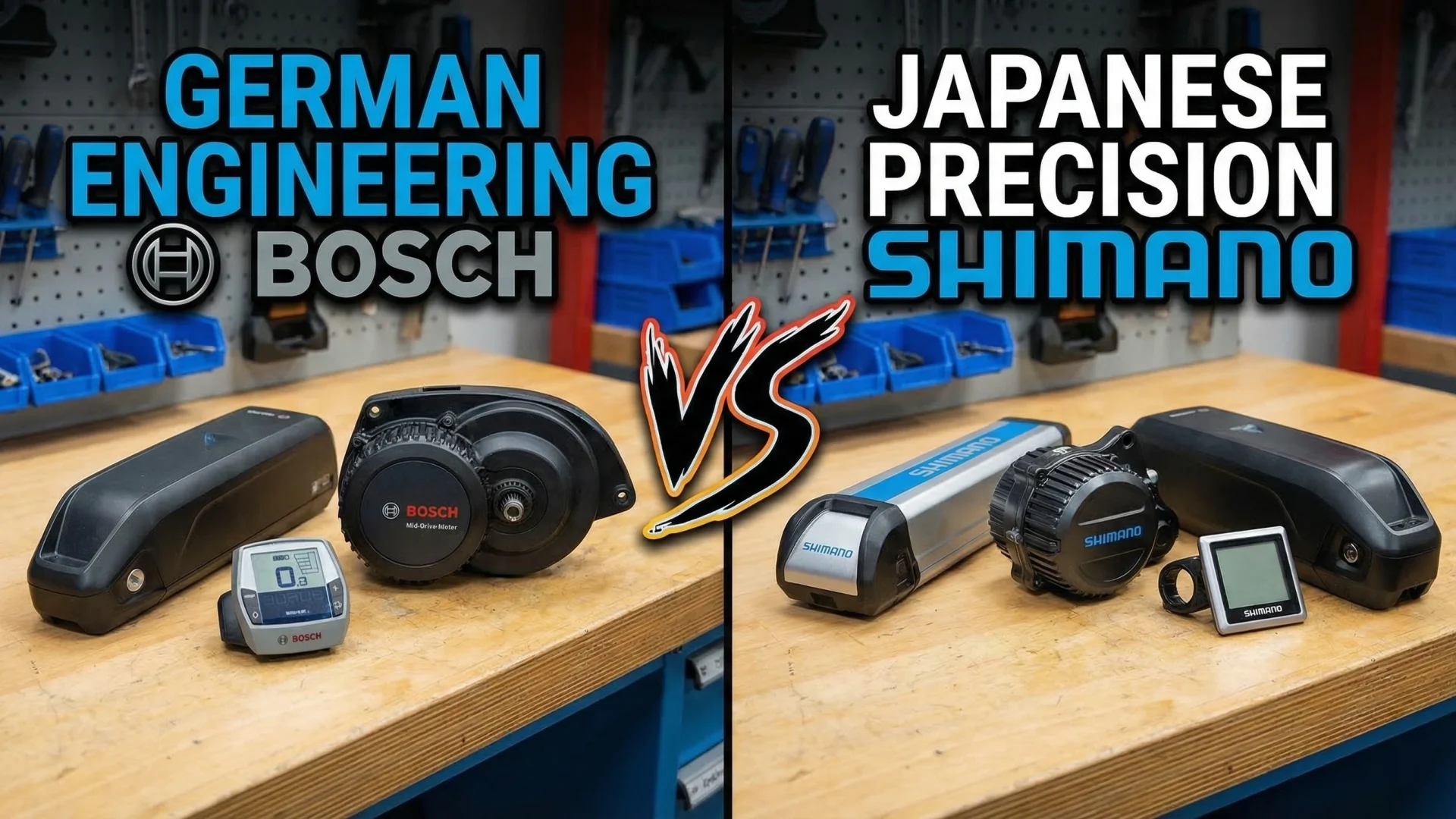
Choosing an electric bike in 2026 is not as simple as comparing battery size or motor wattage. The motor system is the core of the bike, and two brands dominate the premium segment: Bosch and Shimano.
Both companies produce complete e-bike drive systems used by major bike manufacturers worldwide. On paper, many of their motors offer similar torque and battery capacity.
In real-world riding, however, they behave quite differently. Power delivery, software tuning, service networks, and ride feel all influence how the bike performs.
This guide explains the real differences between Bosch and Shimano e-bike motors, based on how they perform in everyday riding situations.
TL;DR
Best use case
• Bosch — commuting, cargo bikes, steep climbs
• Shimano — trail riding, natural pedaling feel
Recommended motor type
• Mid-drive motor
Typical battery size
• 500Wh – 750Wh
Who should buy Bosch
• Daily commuters
• Riders climbing steep hills
• Riders prioritizing reliability and service support
Who should buy Shimano
• Mountain bikers
• Riders who prefer smooth power delivery
• Riders seeking a quiet motor
Who should avoid Bosch
• Riders prioritizing the quietest motor possible
Who should avoid Shimano
• Riders regularly carrying heavy cargo or climbing extremely steep terrain
Table of Contents
- Types of electric bikes using Bosch and Shimano motors
- Bosch e-bike motor system explained
- Shimano STEPS motor system explained
- Bosch vs Shimano: key differences
- Bosch Performance Line CX vs Shimano EP8
- Software and ride modes
- Battery capacity and real-world range
- Hidden factors most buyers ignore
- Price guide (2026 reality)
- Who should and should not choose each system
- FAQ
- Final expert verdict
Types of Electric Bikes Using Bosch or Shimano Motors

Bosch introduced its first e-bike system in 2011 and remains one of the most widely used drive systems in premium electric bikes.
Common Bosch motors currently in production:
| Motor | Torque | Typical Use |
|---|---|---|
| Active Line | 40 Nm | Urban commuting |
| Performance Line | 65 Nm | Trekking and commuter bikes |
| Performance Line CX | 85 Nm | eMTB and steep terrain |
Modern Bosch systems use the Bosch Smart System ecosystem, which integrates:
• motor
• battery
• display
• controller
• smartphone connectivity
Real-World Riding Feel
Bosch motors are known for:
• immediate power response
• strong torque at low cadence
• consistent assistance levels
This makes Bosch systems particularly effective for:
• steep climbs
• stop-and-go city riding
• cargo bikes carrying heavy loads
Expert Insight: Why Bosch Dominates Commuter E-Bikes
Many commuter bike manufacturers choose Bosch because of its large global service network. If a system issue occurs, Bosch-certified dealers are often easier to find than Shimano service centers.
Shimano STEPS Motor System Explained
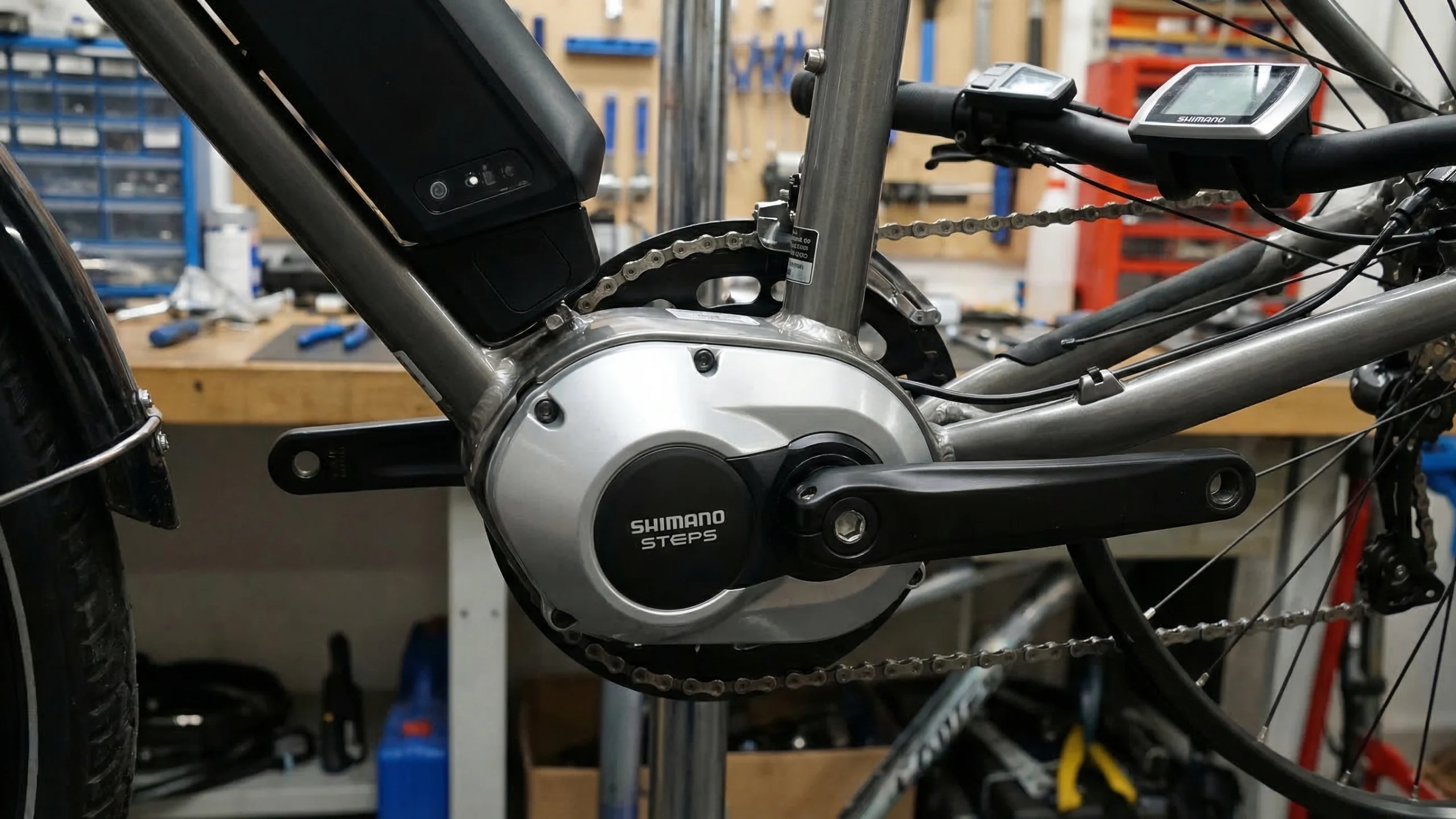
Shimano’s STEPS ecosystem integrates motors, batteries, displays, and drivetrain components.
Common Shimano motors:
| Motor | Torque | Typical Use |
|---|---|---|
| E5000 | 40 Nm | Urban bikes |
| E6100 | 60 Nm | Trekking bikes |
| EP6 | 85 Nm | Trail eMTB |
| EP8 | 85 Nm | High-performance eMTB |
Shimano motors focus on smooth, natural assistance.
Real-World Riding Feel
Shimano systems are often described as feeling closer to traditional cycling.
Characteristics include:
• gradual power delivery
• quiet operation
• excellent traction on technical trails
Many riders prefer Shimano on mountain bikes because the assistance feels less abrupt.
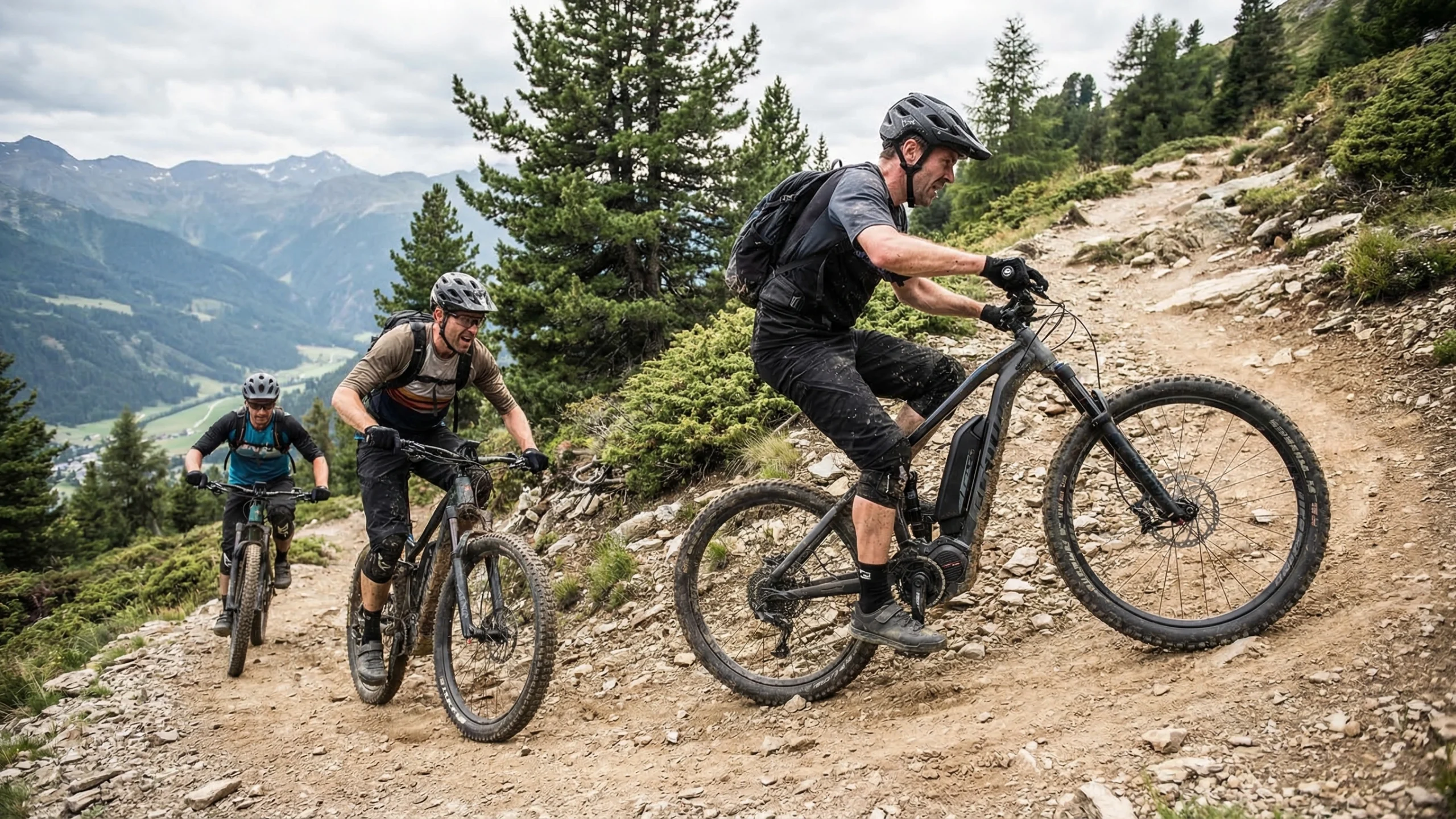
Bosch vs Shimano: Key Differences
| Feature | Bosch | Shimano |
|---|---|---|
| Power response | Immediate | Progressive |
| Pedal feel | Strong assistance | Natural pedaling feel |
| Noise | Moderate | Quieter |
| Reliability record | Excellent | Very good |
| Service network | Very large | Good |
| Software customization | Limited | More adjustable |
Both systems are high quality, but they prioritize different riding experiences.
Bosch Performance Line CX vs Shimano EP8
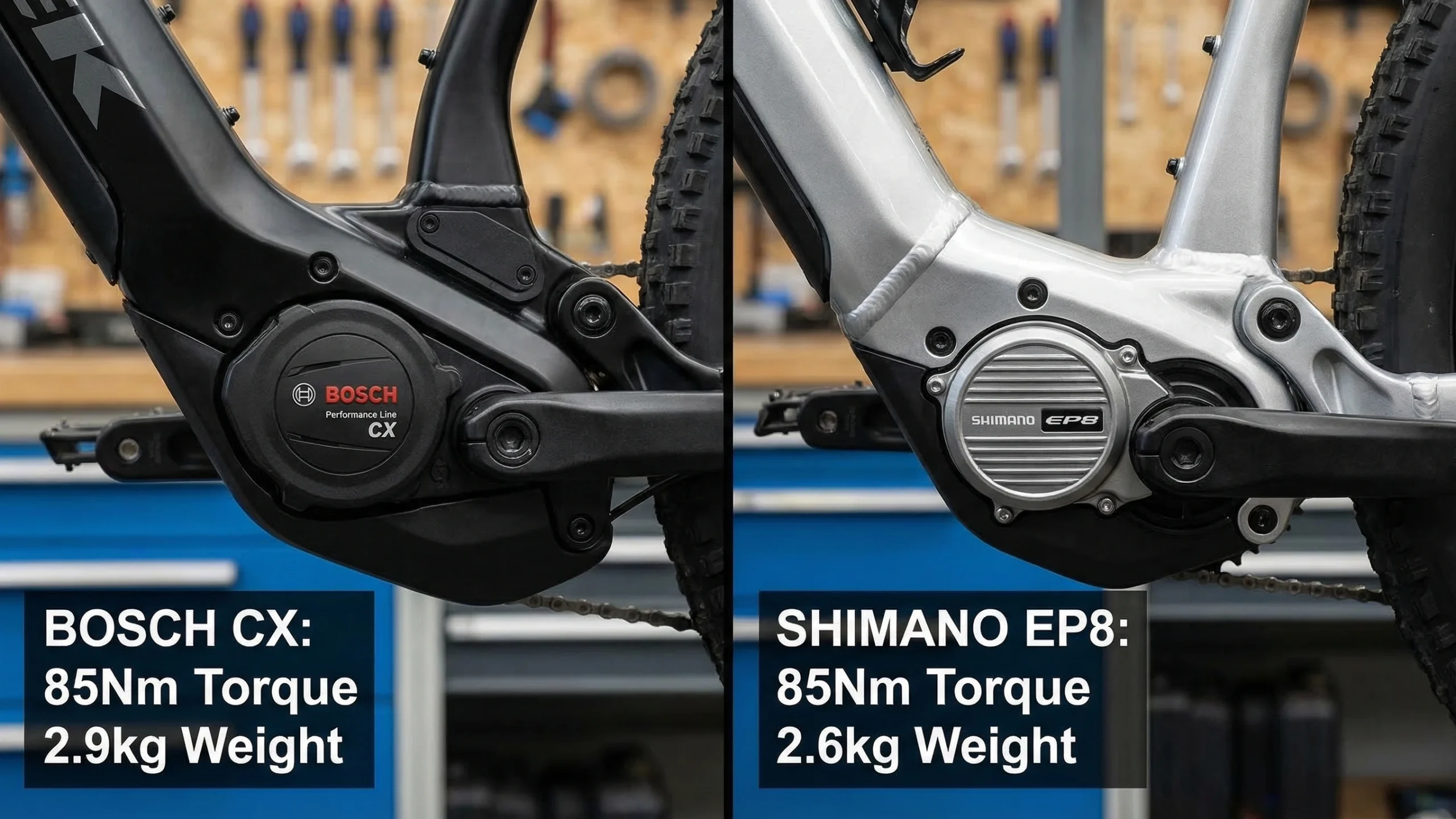
The most common comparison in modern e-mountain bikes is between Bosch Performance Line CX and Shimano EP8.
| Feature | Bosch CX | Shimano EP8 |
|---|---|---|
| Torque | 85 Nm | 85 Nm |
| Power feel | Immediate | Progressive |
| Noise | Moderate | Generally quieter |
| Weight | ~2.9 kg | ~2.6 kg |
Practical Difference
Bosch CX often feels more powerful when starting climbs or accelerating from low cadence.
Shimano EP8 tends to feel smoother on technical trails where traction and control matter more than raw torque.
Software & Ride Modes
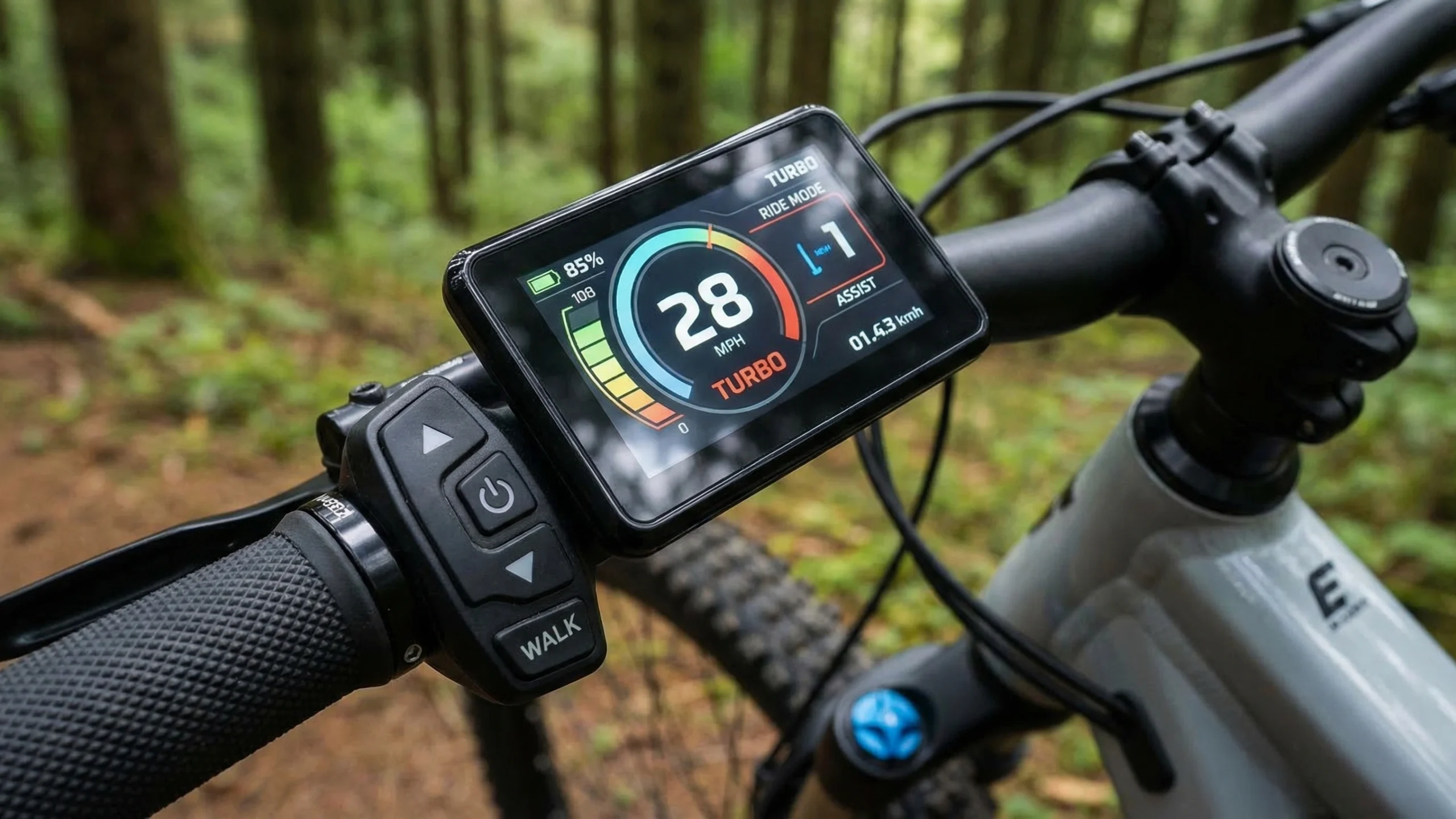
Motor software strongly affects ride behavior.
Bosch Ride Modes
Typical Bosch modes include:
• Eco
• Tour or Tour+
• eMTB
• Turbo
The eMTB mode automatically adjusts support depending on pedal force and terrain.
Shimano Ride Modes
Shimano systems include:
• Eco
• Trail
• Boost
Through the E-Tube app, riders can adjust assistance levels and customize power delivery.
Expert Insight: Why Trail Riders Often Prefer Shimano
On loose terrain, sudden torque spikes can cause the rear wheel to lose traction. Shimano’s smoother power ramp often feels easier to control on technical climbs.
Battery Capacity & Real-World Range
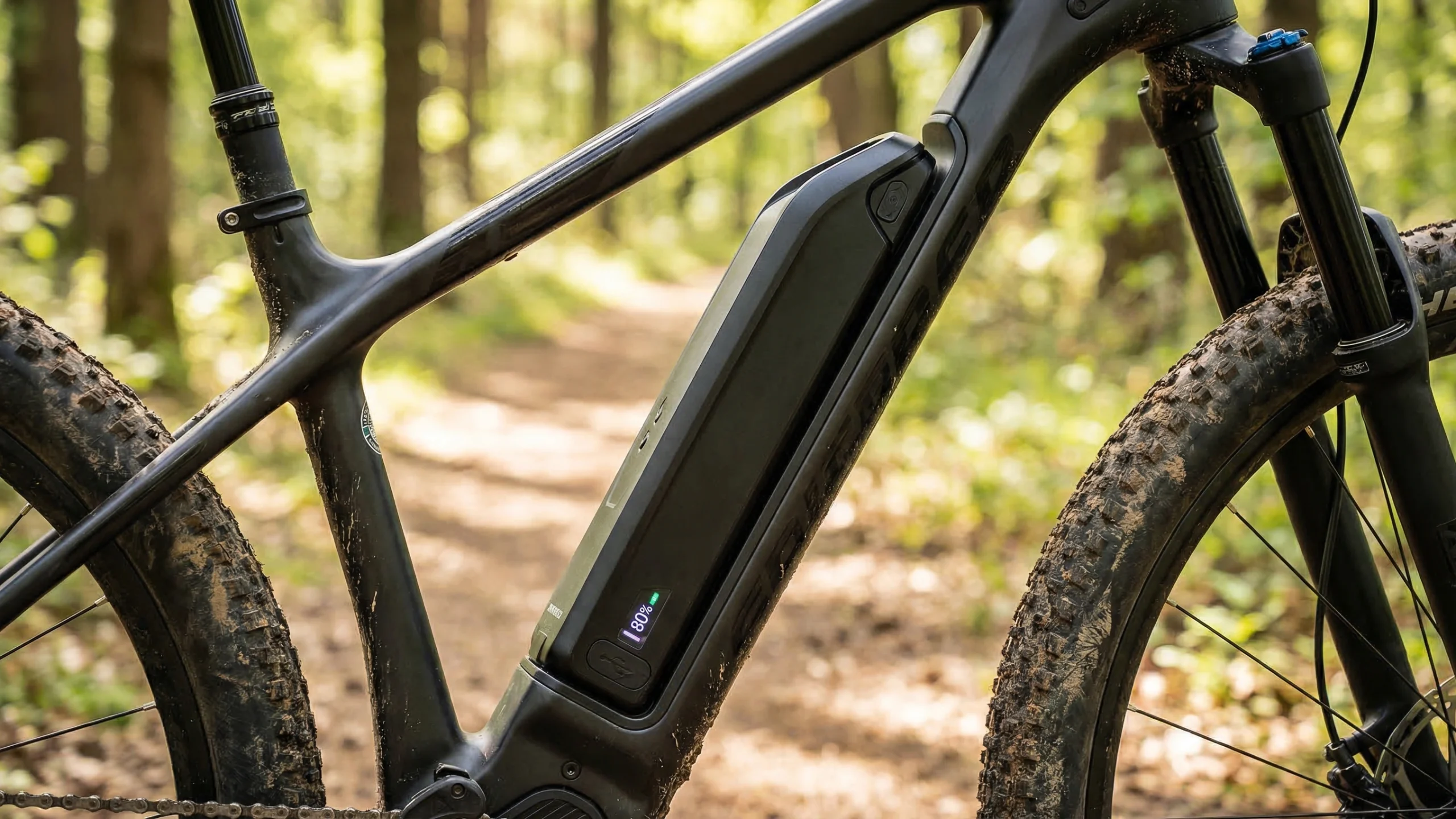
Battery capacity is measured in watt-hours (Wh).
Typical Bosch and Shimano battery sizes:
| Battery Size | Typical Real Range |
|---|---|
| 400Wh | 30–60 km |
| 500Wh | 50–90 km |
| 625Wh | 70–120 km |
| 750Wh | 90–150 km |
Most Bosch and Shimano motors provide 250W nominal power (EU standard), with peak output increasing depending on rider input and assistance mode.
Factors That Affect Real-World Range
Actual range depends on several variables:
• rider weight
• terrain and elevation
• assistance level
• tire width and pressure
• wind resistance
• temperature
Cold weather can significantly reduce battery efficiency.
Hidden Factors Most Buyers Ignore
Motor brand matters, but other design details can influence the overall riding experience even more.
Torque Sensor Quality
Bosch and Shimano use advanced torque sensors that measure pedal pressure.
Cheaper hub-motor bikes often rely on cadence sensors, which feel less natural.
Weight Distribution
Mid-drive motors place weight near the center of the bike, improving balance and handling.
Firmware Updates
Both Bosch and Shimano periodically update motor behavior through dealer-installed software updates.
Noise Under Load
Shimano motors tend to remain quieter during steady climbs, while Bosch motors can produce more noticeable mechanical noise under heavy load.
Dealer Ecosystem
Bosch systems typically require dealer diagnostics, but Bosch service networks are widely available.
Shimano systems integrate more easily with standard bicycle components, which can simplify basic maintenance.
Price Guide (2026 Reality)
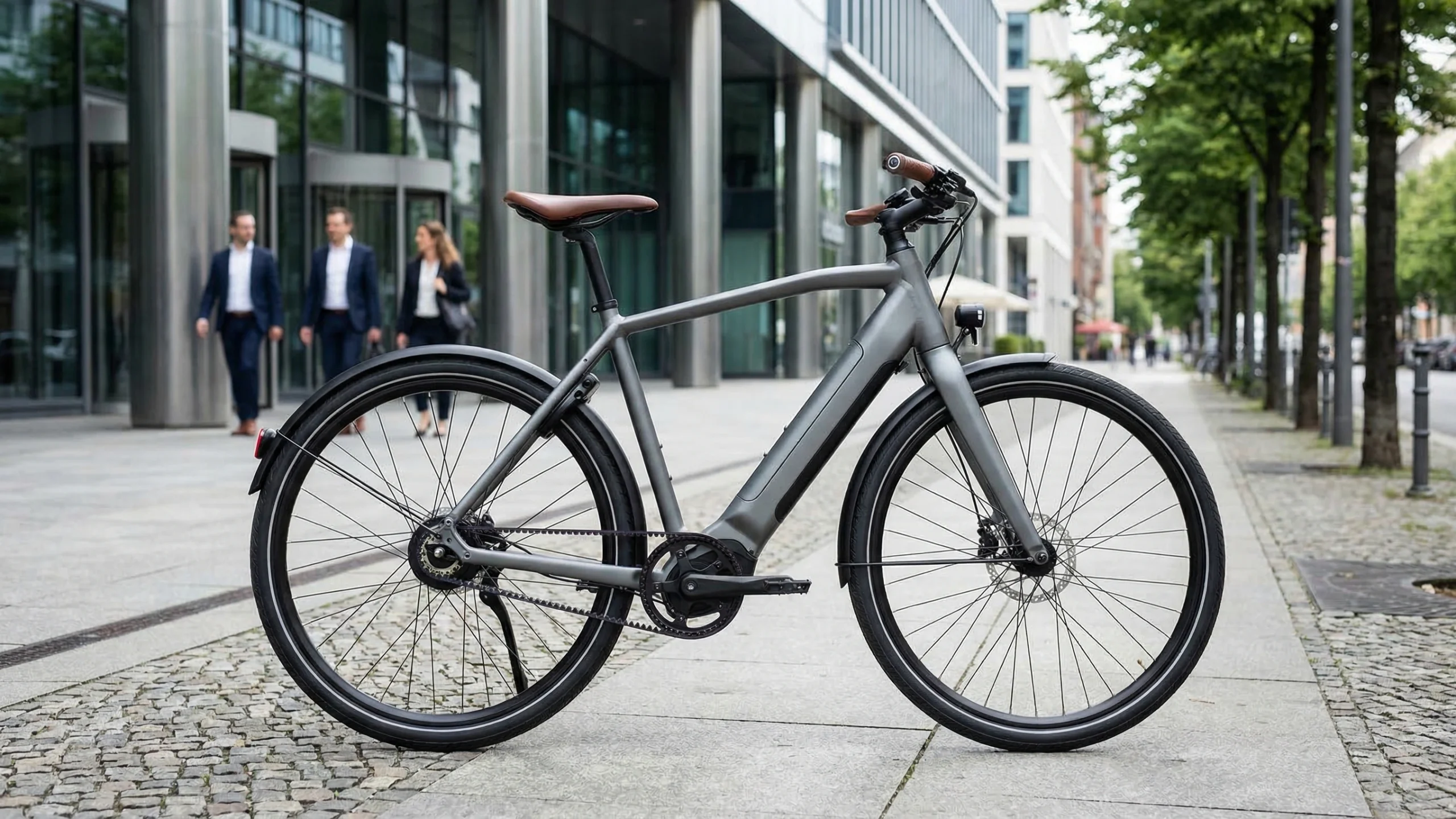
Electric bikes using Bosch or Shimano systems typically fall into higher price categories.
| Price Range | What You Typically Get |
|---|---|
| $2000 – $3000 | Entry-level Bosch or Shimano commuter bike |
| $3000 – $4500 | High-quality commuter or trekking e-bike |
| $4500 – $7000+ | Premium eMTB or cargo bike |
Premium motor systems rarely appear on bikes under $2000, because the motor system itself significantly increases manufacturing cost.
The market sweet spot in 2026 is usually around $3000–$4000, where many reliable commuter and trekking e-bikes are positioned.
Who Should Choose Bosch
Bosch systems are best for riders who:
• commute daily
• ride long distances
• climb steep hills
• carry cargo or heavy loads
• want strong dealer support
Bosch remains one of the most reliable systems for everyday transportation.
Who Should Choose Shimano
Shimano motors are ideal for riders who:
• ride mountain bike trails
• want smooth, natural assistance
• prefer quieter motor operation
• already use Shimano drivetrain components
They are especially common on trail and enduro e-mountain bikes.
Final Expert Verdict
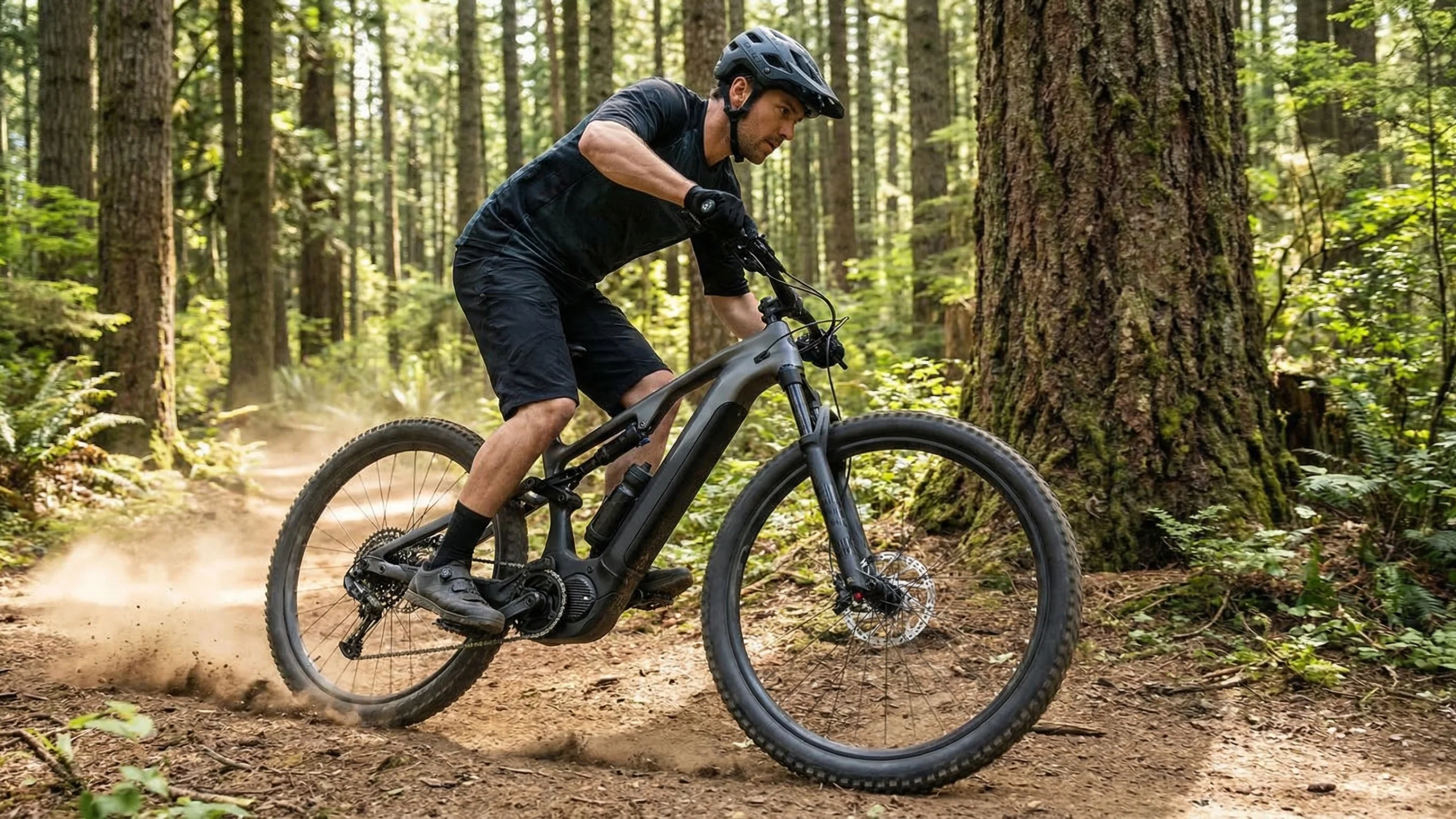
Bosch and Shimano produce two of the most advanced e-bike motor systems available today.
Bosch emphasizes power and reliability.
Its systems perform particularly well for commuting, cargo bikes, and steep terrain.
Shimano emphasizes ride feel and smoothness.
Its motors excel for mountain biking and technical trail riding.
For many riders, the decision comes down to how the bike feels during real riding, not just motor specifications.
A well-designed bike with either system can provide an excellent riding experience.
FAQ
Is Bosch better than Shimano for e-bikes?
Both systems are excellent. Bosch focuses on reliability and strong assistance, while Shimano prioritizes a smooth and natural pedaling feel.
Which motor climbs hills better?
Bosch motors usually provide stronger support at low cadence, which helps on steep climbs.
Are Shimano motors quieter?
Yes. Shimano motors generally produce less audible noise during normal riding.
Which motor is more efficient?
Both systems are highly efficient. Real-world efficiency depends more on terrain, rider input, and assistance level than the motor brand.
How long do Bosch and Shimano batteries last?
Most lithium-ion e-bike batteries last 500–1000 charge cycles, depending on charging habits and temperature.