In 2026, the used EV market isn’t a compromise anymore — it’s the smartest entry point into electric ownership.
Early adopters absorbed the heavy depreciation.
Battery technology has proven durable.
Charging infrastructure across the US and Europe is mature.
But here’s the reality: not every EV ages well.
The difference between a smart purchase and a frustrating one comes down to:
- Charging speed and architecture
- Battery thermal management
- Remaining warranty
- Long-term resale value
Below is my expert ranking of the best used electric cars in 2026 — starting from #4 and building up to the strongest overall buy.
⚡ QUITesla Model 3est Overall (US & EU): Tesla Model 3 (2019–2021)
Best Budget (US): Chevrolet Bolt EV (with replaced battery)
Best Premium SUV Value: Audi e-tron 55
Best Rational EU Choice: Hyundai Kona Electric 64 kWh
Sweet spot budget: $18,000–$30,000
Biggest risk: Slow DC charging on older platformsHyundai Kona Electricue (2026): 9.5/10
4️⃣ Hyundai Kona Electric (2020–2022, 64 kWh)
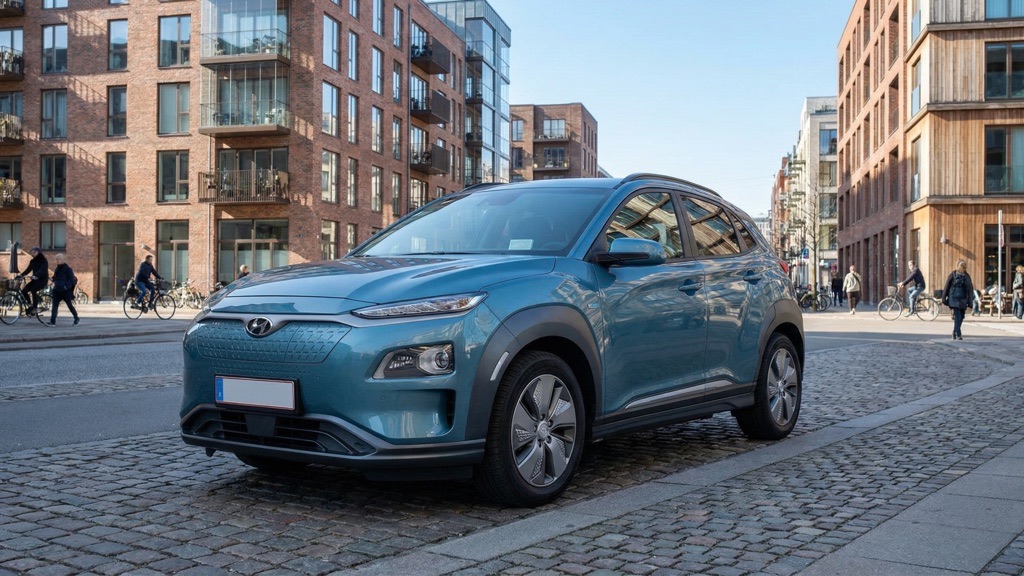
We start with the most rational choice.
The Kona Electric is for buyers who look at efficiency charts before they look at badge prestige.
📊 Key Specifications
| Specification | Value |
|---|---|
| Battery capacity | 64 kWh |
| Real-world range | 240–280 miles (385–450 km) |
| EPA range | 258 miles |
| WLTP range | 484 km |
| DC fast charging | Up to 77 kW |
| 0–60 mph | ~6.4 sec |
| Drivetrain | FWD |
| Used price | $18,000–$26,000 |
Why It’s Here
- Excellent efficiency
- Proper liquid battery cooling
- Stable long-term degradation
- Strong resale demand in Europe
Limitations
- Tight rear seating
- Not especially fast charging
- Interior feels mainstream, not premium
If you want a sensible, dependable used EV — this is one of the safest bets on the market.
3️⃣ Audi e-tron 55 (2019–2021)
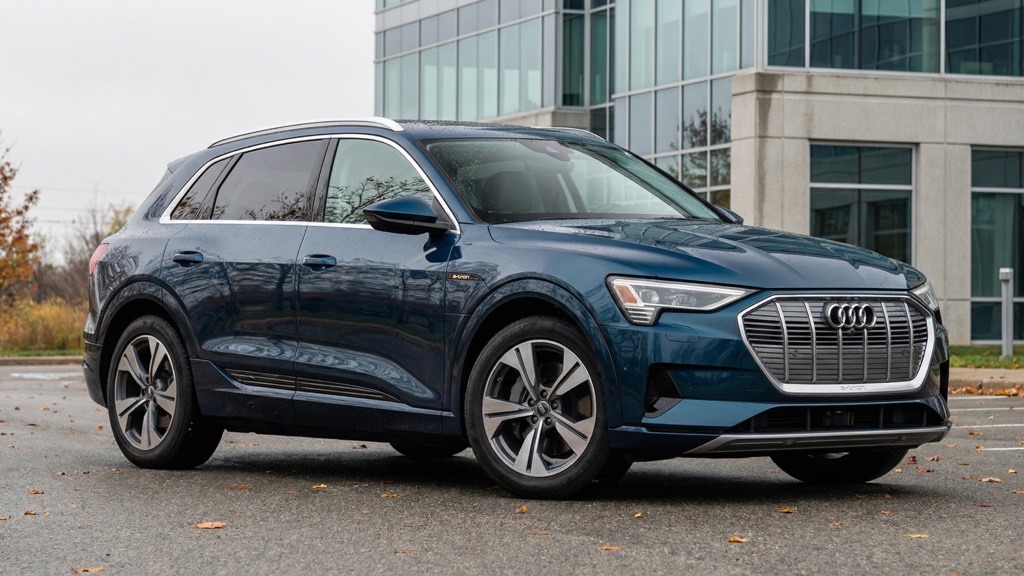
This is the most underrated premium EV on the used market.
Originally priced above $75,000.
Now commonly available for under $30,000.
 Reviews
Will Electric Motorcycles Become Cheaper? Forecast for 2025–2027
Electric motorcycles are evolving rapidly, and many riders wonder:Will electric bikes finally become cheaper in the next few years? The...
 Reviews
Tesla Battery After an Accident: Advantages, Risks and What Buyers Must Know in 2026
TL;DR A Tesla battery after an accident can appear perfectly normal — and still turn a minor crash into a...
 Reviews
Xiaomi SU7 Review (2026): Real-World Range, Charging & Verdict
TL;DR ✅ Buy Xiaomi SU7 if you want: One of the most efficient large electric sedans in real-world driving Strong...
📊 Key Specifications
| Specification | Value |
|---|---|
| Battery capacity | 95 kWh (usable ~86 kWh) |
| Real-world range | 190–230 miles (305–370 km) |
| EPA range | 204 miles |
| DC fast charging | Up to 150 kW |
| 0–60 mph | ~5.5 sec |
| Drivetrain | Dual-motor AWD |
| Used price | $25,000–$35,000 |
Why It’s Valuable
- Large battery buffer → low real-world degradation
- One of the most stable 150 kW charging curves in its class
- Exceptional ride comfort
The Trade-Off
- Heavy and inefficient
- Range is average
- Out-of-warranty repairs can be expensive
If comfort matters more than maximum efficiency, this is a serious value proposition.
2️⃣ Chevrolet Bolt EV (With Replaced Battery)
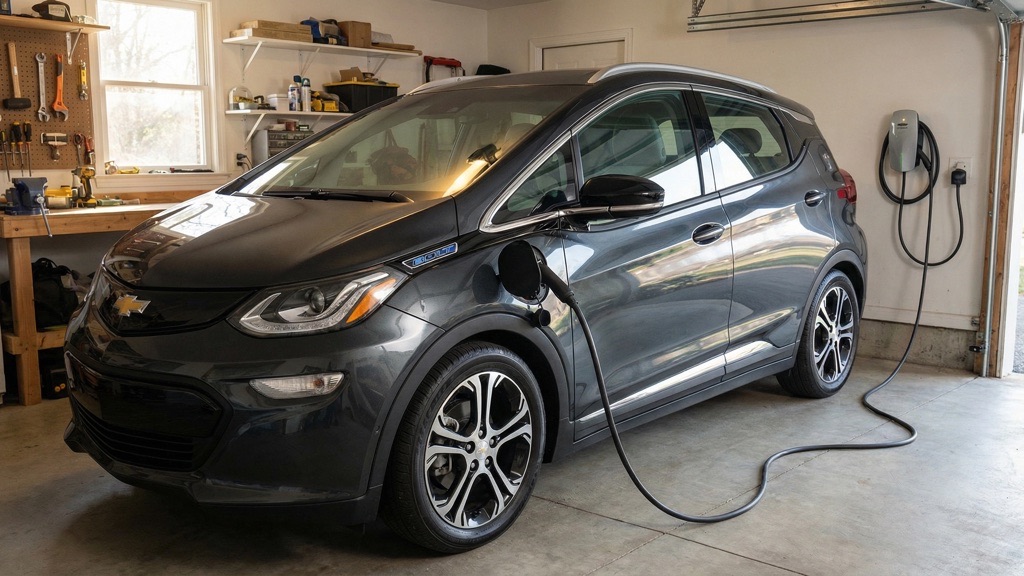
The most affordable way into modern EV ownership in the US.
After the recall campaign, many Bolts received brand-new 65 kWh battery packs — effectively resetting the battery lifecycle.
📊 Key Specifications
| Specification | Value |
|---|---|
| Battery capacity | 65 kWh |
| Real-world range | 240–260 miles (385–420 km) |
| EPA range | 259 miles |
| DC fast charging | Up to 55 kW |
| 0–60 mph | ~6.5 sec |
| Drivetrain | FWD |
| Used price | $14,000–$20,000 |
The Reality
- Battery degradation starts near zero if replaced
- Extremely efficient in city driving
- 55 kW DC charging is slow by 2026 standards
- No aggressive battery preconditioning
This is a commuter champion.
It is not a road-trip machine.
Note: In Europe, availability is extremely limited.
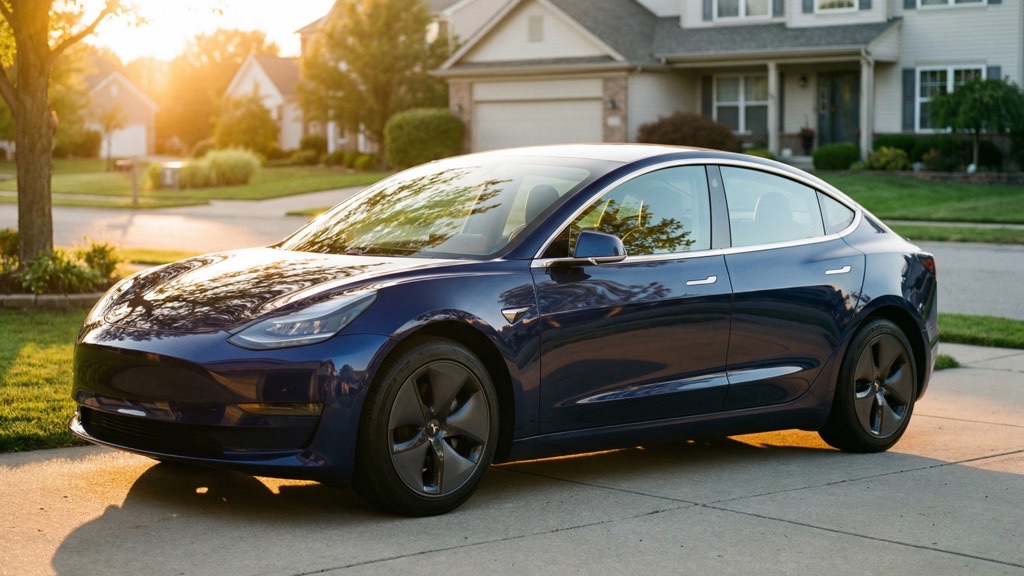
🏆 1️⃣ Tesla Model 3 (2019–2021)
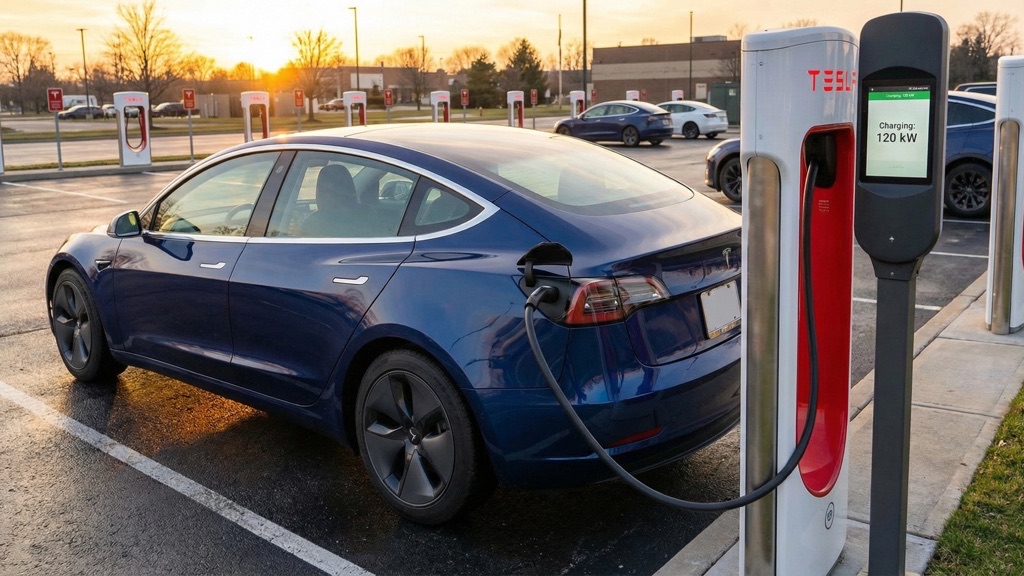
This remains the most balanced used EV on the market.
📊 Key Specifications
| Specification | Value |
|---|---|
| Battery capacity | ~50–75 kWh |
| Real-world range | 220–310 miles (350–500 km) |
| EPA range | 250–353 miles |
| DC fast charging | ~170 kW (SR+) / 250 kW (Long Range) |
| 0–60 mph | 3.1–5.3 sec |
| Drivetrain | RWD / AWD |
| Used price | $20,000–$30,000 |
Why It Wins
- Best charging ecosystem (especially in the US)
- Excellent efficiency
- Over-the-air updates keep software current
- Strong resale value
Battery Degradation
Typically 8–12% after 90,000–100,000 miles (150,000 km).
A 10% drop on a 300-mile car still leaves 270 miles — more than most drivers ever use in a day.
This is the most versatile EV you can buy in 2026.
👍 Pros & 👎 Cons of Buying Used EVs
👍 Pros
- $10k–$25k depreciation savings
- Proven battery longevity
- Lower maintenance than ICE
- Still a modern driving experience
👎 Cons
- Charging speeds vary dramatically
- Insurance can be higher (especially for Tesla)
- Some early EVs lack thermal management
- Out-of-warranty repairs can be costly
⚖️ Competitor Comparison
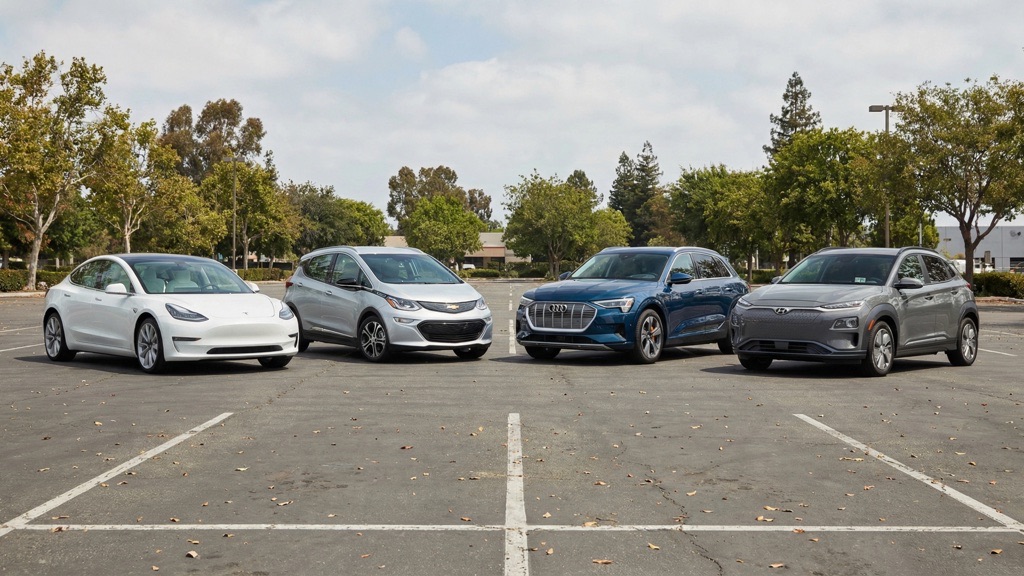
| Model | Real Range | Charging | Price | Key Difference |
|---|---|---|---|---|
| Tesla Model 3 | 220–310 mi | 170–250 kW | $20–30k | Best overall balance |
| Chevrolet Bolt | 240–260 mi | 55 kW | $14–20k | Cheapest modern EV |
| Audi e-tron | 190–230 mi | 150 kW | $25–35k | Premium comfort |
| Kona Electric | 240–280 mi | 77 kW | $18–26k | Efficiency leader |
🔍 What To Check Before Buying a Used EV
This is critical.
1️⃣ Verify battery State of Health
2️⃣ Confirm remaining battery warranty (usually 8 years / 100k–120k miles)
3️⃣ Check DC fast charging history
4️⃣ Confirm software version (especially Tesla)
5️⃣ Get an insurance quote before buying
Skipping these steps can turn a bargain into a mistake.
💰 Ownership Costs
Charging Costs
US home charging: $8–$15 per full charge
EU home charging: €10–€20 depending on country
Maintenance
- No oil changes
- Less brake wear (regen braking)
- Tires wear faster due to the weight
Resale Outlook
- Tesla retains the best value
- e-tron depreciates heavily but stabilizes
- Bolt depends strongly on the battery replacement status
🧠 FINAL EXPERT VERDICT

🔹 SHORT VERDICT
If you want one used EV that does everything well, buy the Tesla Model 3.
If you want the cheapest reliable commuter, buy a Bolt with a replaced battery.
If you want luxury for half the original price — buy the e-tron.
🔹 DETAILED VERDICT
2026 is arguably the best time yet to buy a used EV.
The technology is mature.
Battery durability is proven.
The charging infrastructure is reliable.
But this market rewards informed buyers.
For most people who mix commuting with occasional longer trips, the Tesla Model 3 remains the safest all-around choice.
If budget is your priority, the Bolt delivers exceptional value per dollar.
If comfort and refinement matter more than maximum range, the e-tron is a hidden gem.
Used EVs are no longer risky.
Choosing the wrong platform is.
TL;DR
#1 — Tesla Model 3
#2 — Chevrolet Bolt EV
#3 — Audi e-tron
#4 — Hyundai Kona Electric
Focus on battery health and charging speed — not just price.
FAQ
Are used EV batteries reliable in 2026?
Yes — if the car has liquid cooling and proper battery management.
How long do EV batteries last?
200,000+ miles under normal conditions.
Is frequent fast charging harmful?
Modern liquid-cooled systems are designed to handle it without severe degradation.