Introduction
Buying an electric bike in 2026 can be surprisingly confusing. The market is packed with models promising powerful motors, long range, and premium performance, yet many entry-level bikes feel very different once you start riding them.
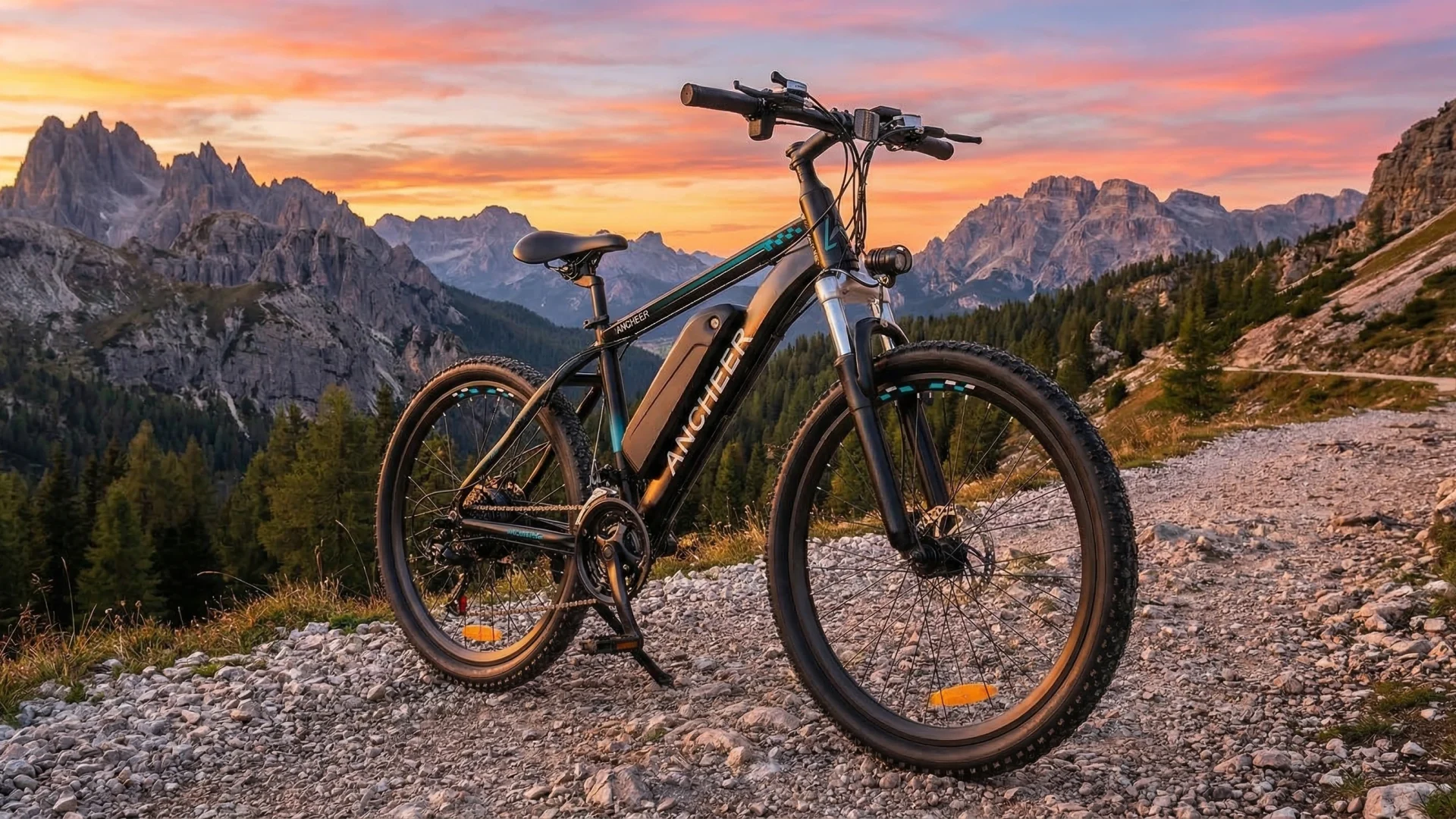
The ANCHEER Gladiator sits in the budget category. It aims to give riders an affordable way to commute, enjoy casual fitness rides, and do light trail riding without the price of mid-range electric bikes.
This review focuses on real-world riding experience and practical ownership expectations. Instead of repeating marketing claims, we’ll look at how the Gladiator actually performs on pavement, bike paths, gravel sections, and everyday commuting routes.
TL;DR
Best use case
Short commutes, casual rides, beginner e-bike ownership
Motor type
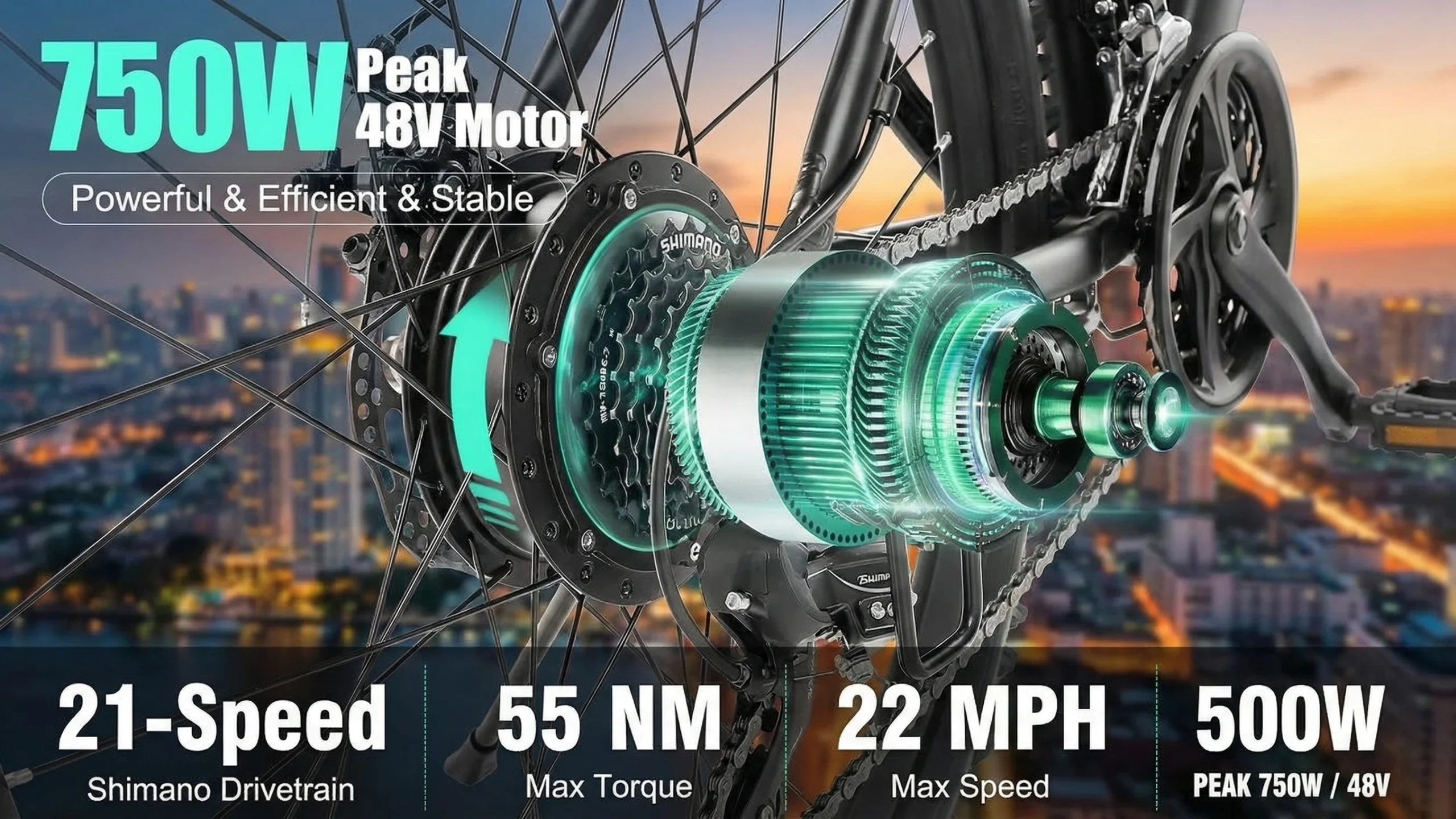
500W rear hub motor (750W peak)
Battery size
48V 10.4Ah removable battery (499Wh)
Who should buy
- Budget commuters
- First-time e-bike riders
- Casual recreational cyclists
- Riders who prefer a traditional bicycle feel
Who should avoid
- Riders in steep hill areas
- Long-distance commuters
- Riders expecting premium components
- Serious mountain bike riders
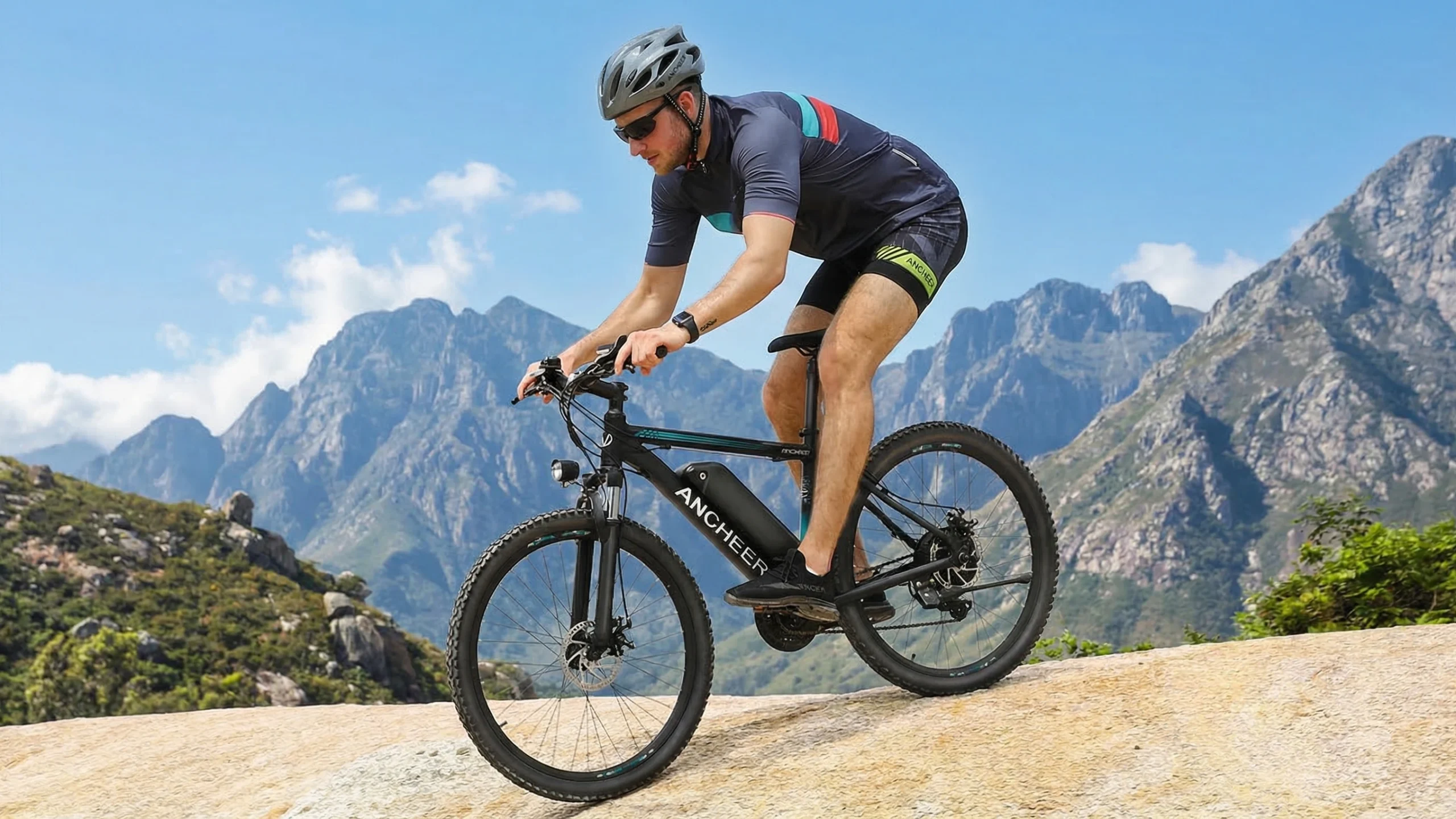
Table of Contents
- At a Glance: ANCHEER Gladiator Specs
- Real-World Test Conditions
- What the ANCHEER Gladiator Is
- Key Specifications
- Motor and Riding Performance
- Battery and Real-World Range
- How to Plan Your Commute Range
- Comfort and Handling
- Brakes and Safety
- What Actually Matters on This Bike
- Where the Gladiator Fits in the Market
- Real Drawbacks
- Who Should Buy the Gladiator
- Who Should Skip It
- What to Expect as an Owner
- FAQ
- Final Expert Verdict
At a Glance: ANCHEER Gladiator
| Category | Details |
|---|---|
| Category | Entry-level electric mountain/commuter hybrid |
| Motor | 500W rear hub motor (750W peak) |
| Battery | 48V 10.4Ah / 499Wh removable |
| Claimed range | Up to 50 miles |
| Real-world range | 20–35 miles |
| Top speed | Up to 22 mph claimed |
| Drivetrain | 21-speed |
| Suspension | Front suspension fork |
| Brakes | Mechanical disc brakes |
| Weight | About 48 lb |
| Payload | 265 lb claimed |
| Best for | Budget commuting and casual riding |
Real-World Test Conditions
Understanding how a bike performs requires context.
Rider profile
- Rider weight: about 180 lb
- Rider height: 5’10”
Terrain tested
- pavement
- neighborhood streets
- bike paths
- gravel sections
- light off-road trails
Typical riding speed
Most rides were between 12 and 17 mph, with occasional pushes toward the bike’s top speed.
Pedal assist usage
- PAS 1–2 for most riding
- PAS 3 or throttle when additional help was needed
Weather
Test impressions reflect normal daily riding conditions with light wind.
Test duration
These impressions reflect early riding experience. Long-term durability is best evaluated through extended ownership reports.
What the ANCHEER Gladiator Is
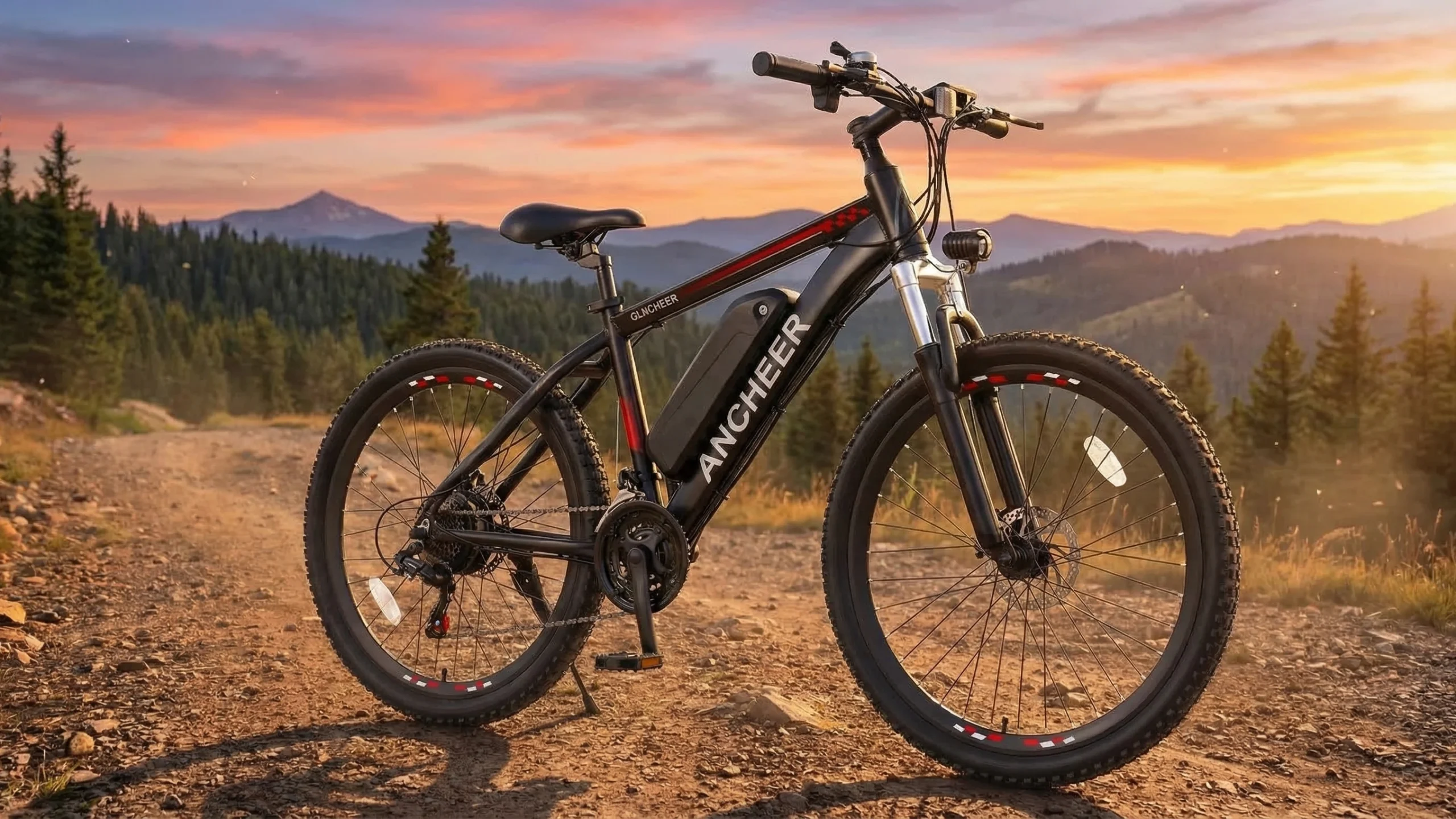
The ANCHEER Gladiator is a budget electric mountain/commuter hybrid designed to make electric biking accessible.
Its design combines several familiar bicycle features:
- 26-inch wheels
- front suspension fork
- multi-gear drivetrain
- rear hub motor assist
- removable battery
Many entry-level e-bikes feel heavily compromised. Some are overly heavy, some lack gears, and others rely almost entirely on throttle.
The Gladiator sits in a more balanced middle ground. It still feels like a bicycle first, with electric assistance helping reduce effort rather than replacing pedaling entirely.
Key Specifications
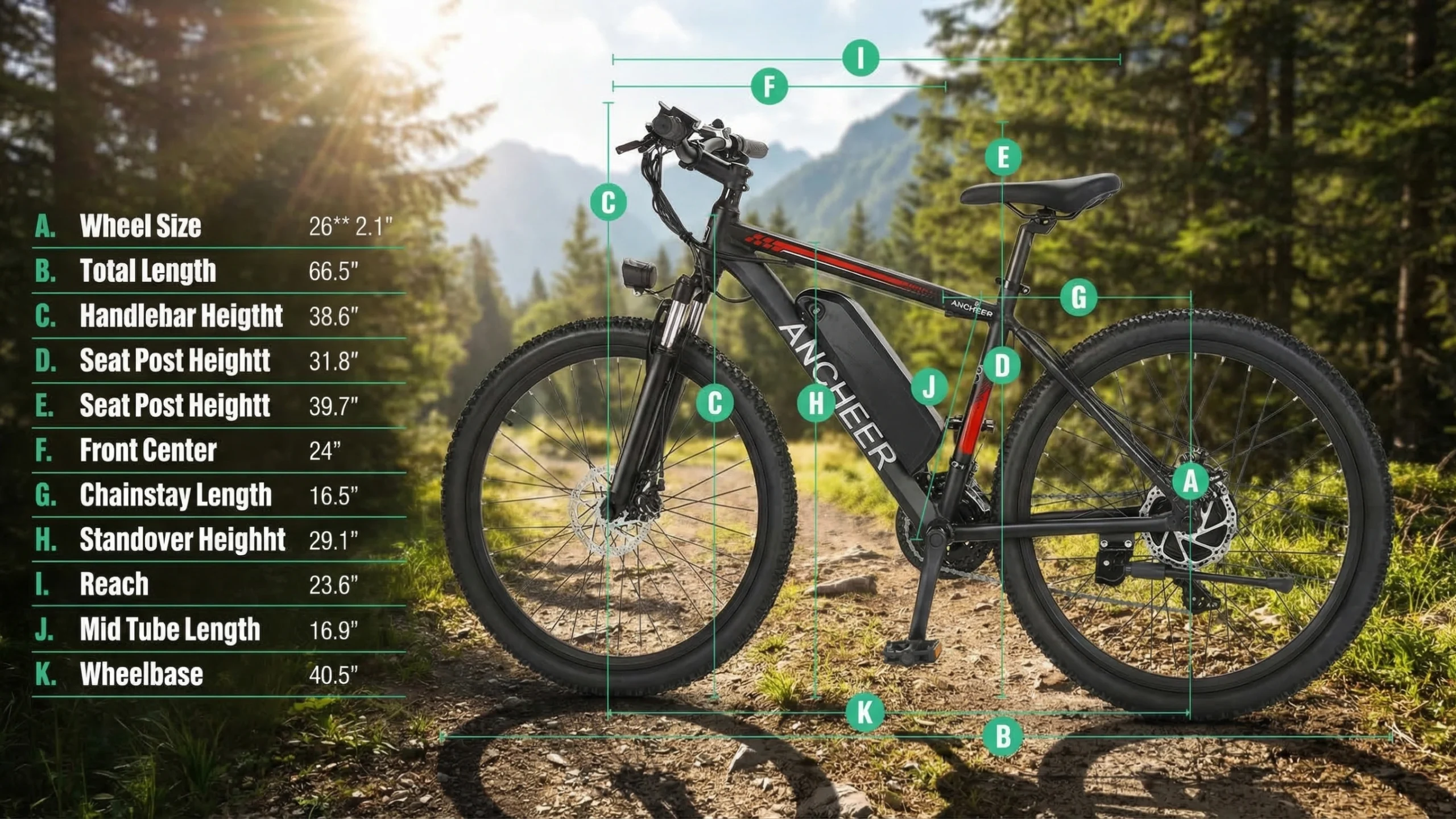
| Spec | ANCHEER Gladiator |
|---|---|
| Motor | 500W rear hub (750W peak) |
| Torque | About 55 Nm claimed |
| Battery | 48V 10.4Ah / 499Wh removable |
| Charge time | About 3.5 hours |
| Range (claimed) | Up to 50 miles |
| Real-world range | 20–35 miles |
| Top speed | Up to 22 mph |
| Drivetrain | 21-speed |
| Tires | 26 × 2.1 in |
| Suspension | Front suspension fork |
| Brakes | Mechanical disc brakes |
| Display | LCD with speed and battery data |
| Riding modes | Pedal assist, throttle, standard bike |
| Weight | About 48 lb |
| Payload | 265 lb |
Brand materials indicate UL 2849 compliance for the e-bike system and UL 2271 for the battery, both important safety indicators in the budget segment.
Motor and Riding Performance
Motor Power Feel
For a budget electric bike, the Gladiator’s motor feels stronger than expected.
The 500W rear hub motor provides noticeable assistance from a stop and helps maintain comfortable cruising speeds.
Acceleration is smooth rather than aggressive.
 Reviews
Energica Experia Review (2024): 600 km Test, 5-Year Cost & The Real Tracer 9 Decision
Introduction If you’re considering switching from a gas sport-tourer, this is the real question: Can the Experia replace your only...
 Reviews
Electric vs Gas Motorcycle: Real Ownership Comparison (2026)
TL;DR (For Busy Riders) Electric wins for daily commuting, low running costs,smooth city ridingiding. Gas wins for long-distance freedom, instant...
 Reviews
Electric Bike Maintenance Costs Explained (2026 Real Ownership Guide)
Buying an e-bike is easyn e-bike is easy. Understanding what it really costs to own for 5+ years is not....
Where the bike performs best:
- relaxed commuting
- neighborhood riding
- bike-path cruising
- rolling urban terrain
On moderate hills, performance remains respectable if the rider uses the 21-speed gearing and pedals steadily.
Expert Insight: Hub Motor vs Mid-Drive
Hub motors like the one used on the Gladiator push the bike directly from the rear wheel.
This design is simple and affordable, but it does not multiply torque through the drivetrain like a mid-drive motor.
That means hill-climbing performance depends more on raw motor power and rider input. For flat or moderately hilly areas, this works well, but steep terrain can reveal the limitations of entry-level hub motors.
Battery and Real-World Range
The Gladiator uses a 499Wh removable battery.
Battery capacity is measured in watt-hours (Wh), which represent total stored energy.
Higher Wh capacity usually means longer range, but real riding conditions strongly influence how far an e-bike can travel.
Claimed vs Real Range
| Riding Style | Estimated Range |
|---|---|
| Eco pedal assist | 30–35 miles |
| Mixed riding | 25–30 miles |
| Heavy assist/throttle | 20–25 miles |
Why Advertised Range Is Often Optimistic
Manufacturers typically measure range under ideal conditions:
- lowest assist level
- flat terrain
- light rider weight
- moderate speed
- minimal wind
Real riding rarely matches these conditions. Most riders should plan around 20–35 miles of real-world range.
How to Plan Your Commute Range
One helpful way to evaluate an e-bike is to compare its realistic range with your daily riding distance.
| Daily Round Trip | Gladiator Suitability |
|---|---|
| 5–10 miles | Excellent |
| 10–20 miles | Comfortable |
| 20–30 miles | Possible with careful assist use |
| 30+ miles | Not ideal for most riders |
For example, a 10-mile daily commute is very manageable with this battery size, even using moderate pedal assist.
Longer rides remain possible but require more careful battery management.
Comfort and Handling
Comfort
The Gladiator provides a relaxed riding position suitable for commuting and recreational rides.
The front suspension fork helps absorb bumps from rough pavement and gravel paths.
However, the suspension is basic and should be seen as a comfort feature rather than a performance upgrade.
The saddle is one of the weaker points. Many riders eventually replace it for better comfort on longer rides.
Handling and Stability
Handling is one of the Gladiator’s strongest qualities.
The bike feels:
- stable
- predictable
- beginner-friendly
It performs best on:
- pavement
- bike paths
- gravel roads
- light trails
Aggressive mountain bike terrain is outside its intended use.
Brakes and Safety
The Gladiator uses mechanical disc brakes.
Mechanical brakes are common in entry-level e-bikes and can perform well when properly adjusted.
However, they do not deliver the same braking power or consistency as hydraulic systems.
Regular adjustment and proper bedding-in help maintain braking performance.
What Actually Matters on This Bike
When evaluating a budget electric bike, several factors matter more than marketing specifications.
Motor torque vs watt rating
The Gladiator’s 500W motor sounds powerful, but torque determines climbing ability. At roughly 55 Nm, the bike delivers moderate assistance rather than strong hill-climbing power.
Mechanical vs hydraulic brakes
Hydraulic brakes provide stronger braking and require less maintenance. Mechanical systems work, but they need periodic tuning.
Bike weight
At about 48 lb, the Gladiator sits in the typical weight range for entry-level electric bikes. It feels manageable while riding but heavier when carrying.
Multi-gear drivetrain
The 21-speed drivetrain allows riders to adapt to hills and maintain efficient pedaling even when battery levels drop.
Where the Gladiator Fits in the E-Bike Market
The Gladiator sits firmly in the budget electric bike category.
In today’s market, electric bikes generally fall into three segments.
| Category | Price Range | Typical Features |
|---|---|---|
| Budget e-bikes | $700–$1,100 | hub motors, mechanical brakes, basic suspension |
| Mid-range commuter e-bikes | $1,500–$3,000 | stronger motors, hydraulic brakes, better batteries |
| Premium e-bikes | $3,000+ | high-end motors, integrated electronics |
The Gladiator focuses on affordability and accessibility, not premium performance.
Real Drawbacks
Saddle Comfort
The stock saddle is basic and may feel uncomfortable during longer rides.
Solution: replacing it with a higher-quality saddle improves comfort significantly.
Entry-Level Brakes
Mechanical disc brakes work but lack the confidence of higher-end braking systems.
Heavier riders or faster riders may notice this more.
Real Range Lower Than Advertised
The 50-mile claim assumes ideal riding conditions.
Most riders should expect 20–35 miles in real-world use.
Initial Setup Requires Tuning
Assembly typically takes 20–30 minutes, but additional adjustments may be required.
Common adjustments include:
- derailleur alignment
- brake tuning
- bolt checks
- rotor alignment
Who Should Buy the Gladiator
This bike makes the most sense for riders who want an affordable entry into electric cycling.
It works well for:
- beginner e-bike riders
- casual recreational cyclists
- budget commuters
- riders using pavement and light gravel
- people who prefer traditional bike geometry
Who Should Skip This Bike
The Gladiator may not be ideal for:
- riders in steep hill regions
- long-distance commuters
- riders near the payload limit
- riders wanting premium braking performance
- serious off-road riders
Those riders usually benefit more from mid-range commuter or trekking e-bikes.
What to Expect as an Owner
Buying a budget e-bike always involves a few compromises.
The Gladiator delivers strong value, but new owners should expect some small adjustments during early use.
Typical early setup steps
- fine-tuning derailleur adjustment
- aligning brake calipers
- tightening bolts and spokes
- eliminating minor brake noise
These steps are common with entry-level bikes and not unique to the Gladiator.
Long-term ownership
With basic maintenance, the bike can work well for:
- commuting
- casual rides
- everyday mobility
Over time, some riders upgrade parts such as:
- brake pads
- saddle
- tires
Final Expert Verdict
The ANCHEER Gladiator is not designed to compete with premium electric bikes.
Instead, it focuses on one clear goal: providing an affordable and accessible introduction to electric cycling.
For casual riders and short urban commutes, it delivers enough motor assistance and enough range to make everyday riding easier.
Buyers simply need realistic expectations. The Gladiator is a budget electric bike that prioritizes affordability and practicality over refinement.
Read Next
- Best Budget Electric Bikes in 2026
- Mid-Drive vs Hub Motor E-Bikes Explained
- Electric Bike Battery Guide: Real Range Explained
- Electric Bike Maintenance Guide for Beginners
FAQ
Is the ANCHEER Gladiator good for commuting?
Yes, especially for short to medium commutes. Riders with longer daily distances should consider the realistic range of about 20–35 miles.
How fast does the ANCHEER Gladiator go?
The bike can reach around 22 mph with assist under favorable conditions.
Is the battery removable?
Yes. The 48V 10.4Ah battery can be removed for indoor charging.
Is the Gladiator suitable for mountain biking?
No. It can handle light trails but is not designed for technical mountain terrain.
How long does assembly take?
Most riders can assemble the bike in 20–30 minutes, followed by basic adjustments.