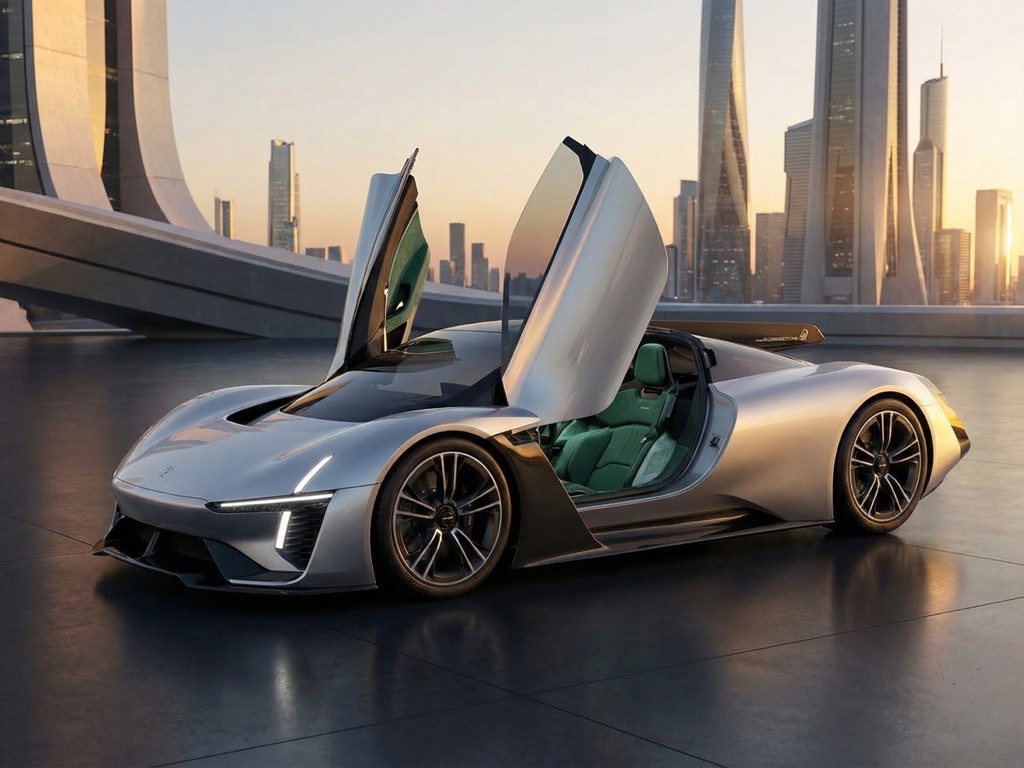
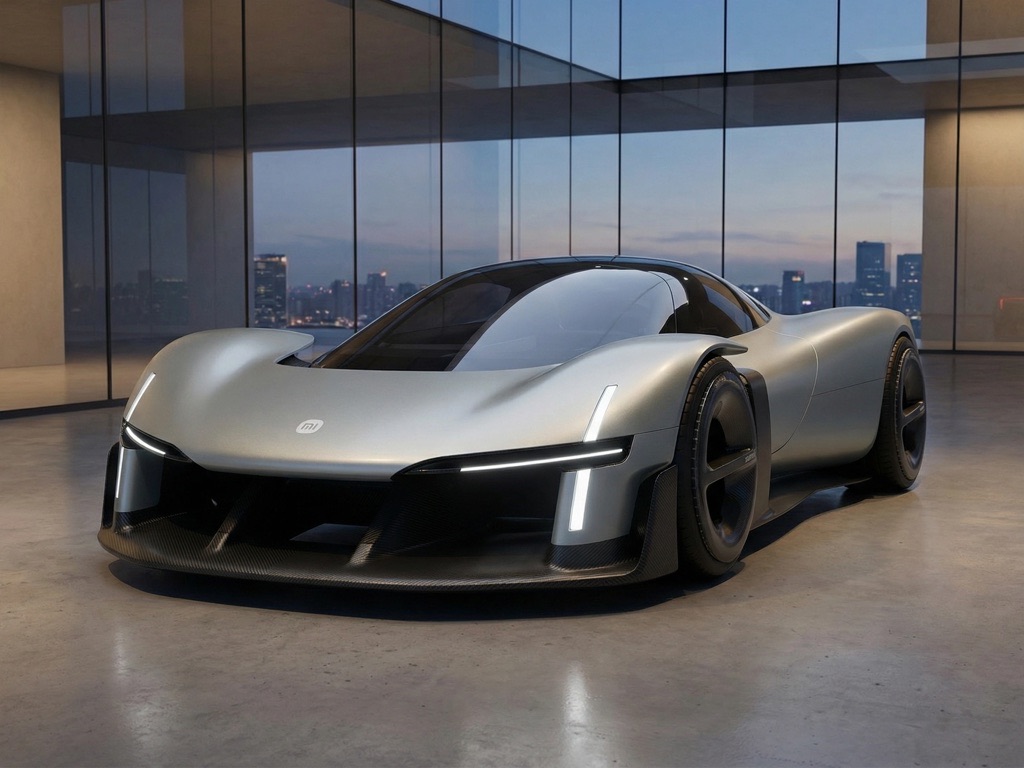
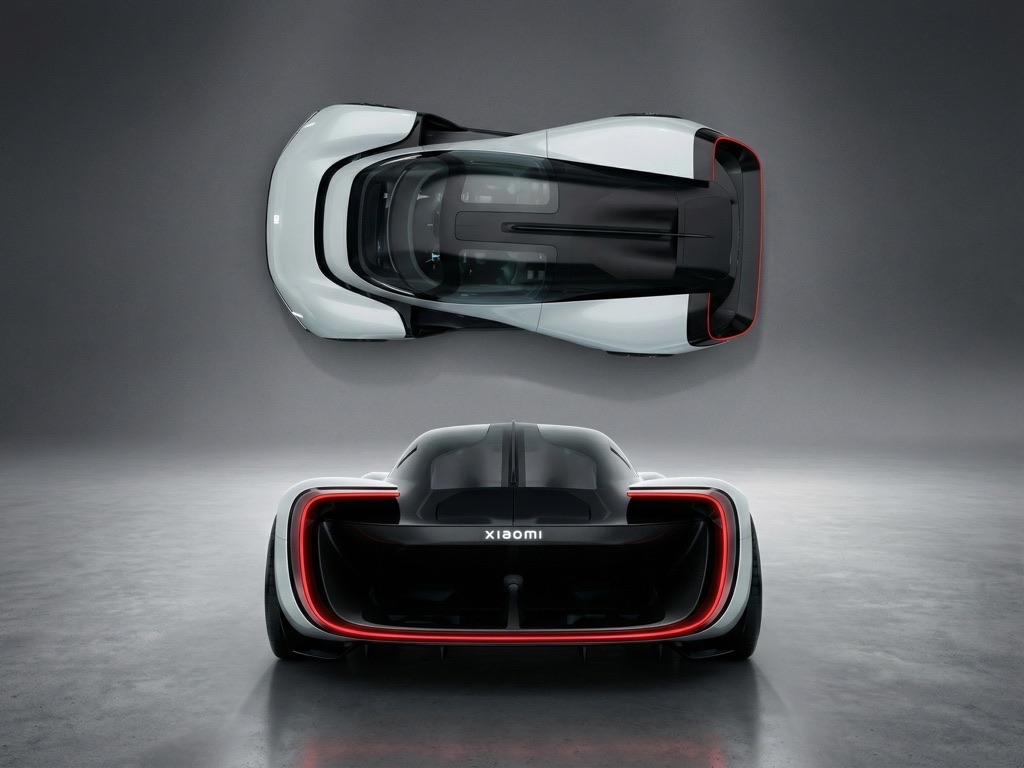
Xiaomi unveiled the Vision Gran Turismo concept, its first digital hypercar for Gran Turismo 7, achieving a 0.29 drag coefficient, -1.2 downforce, and 4.1 aero efficiency through wind-sculpted design. This marks the first time a pure tech brand—and Chinese automaker—joins the elite Vision Gran Turismo program, signaling Xiaomi’s leap from smartphones to high-performance EV engineering. Gamers and EV enthusiasts should care because it previews aerodynamics and smart tech that could influence Xiaomi’s real-world cars, like future SU7 successors.
Background: From Smartphones to EV Track Dominance
Xiaomi entered the EV market in 2024 with the SU7 sedan, quickly scaling to over 410,000 deliveries in 2025, exceeding its 300,000-unit targetoutselling the Tesla Model 3 in ChinaChina. The company aims for 550,000 units in 2026, backed by a $1.4 billion EV R&D investment. Its SU7 Ultra prototype set a Nürburgring lap record of 7:04.957 for production EVs in 2025, becomingfirst Chinese vehicle in Gran Turismo 7smo 7 after a collaboration with Polyphony Digital announced on June 7, 2025.
Producer Kazunori Yamauchi test-drove the SU7 Ultra at Nürburgring, Beijing, and Tsukuba circuits, praising its performance and inviting Xiaomi to design a Vision Gran Turismo concept—the program’s first from a Chinese brand in its 28-year history. Unveiled ahead of MWC 2026 in Barcelona on February 28, 2026, a physical prototype was spotted, confirming real-world engineering behind the digital model. CEO Lei Jun teased full specs for March 1 via Weibo.
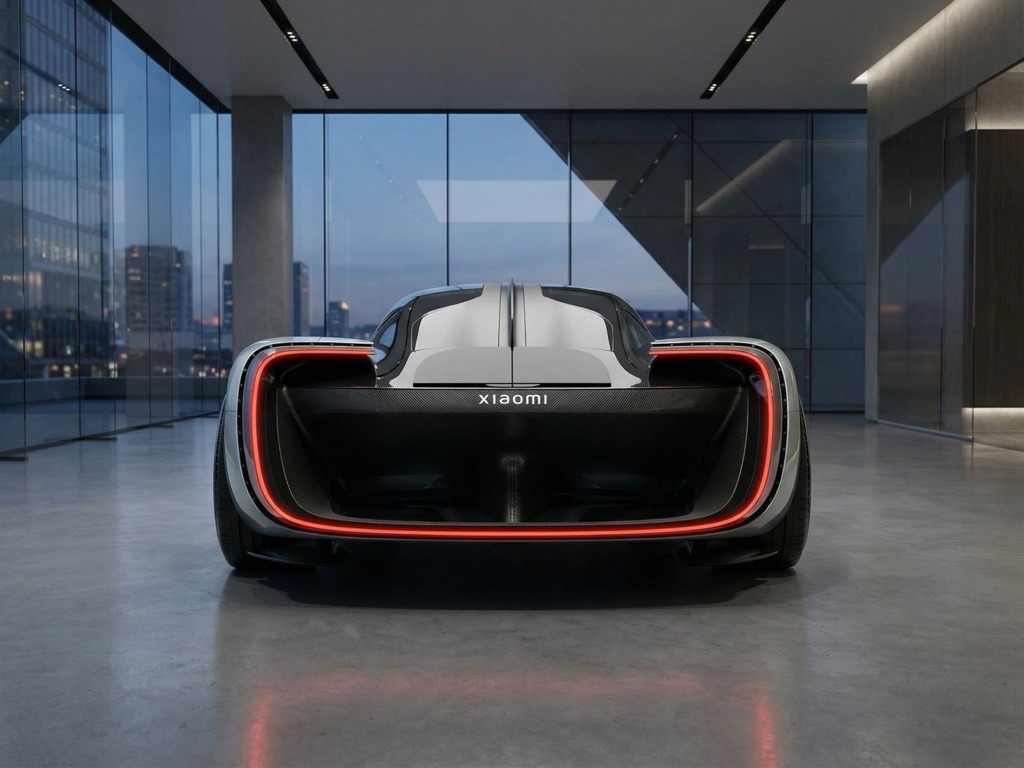
Key Specifications
| Specification | Details |
|---|---|
| Platform | Xiaomi 900V Silicon Carbide (SiC) |
| Drag Coefficient | 0.29 |
| Downforce | -1.2 |
| Aero Efficiency | 4.1 |
| Key Tech | Active Wake Control System, Accretion Rims, Halo taillights for cooling/stability |
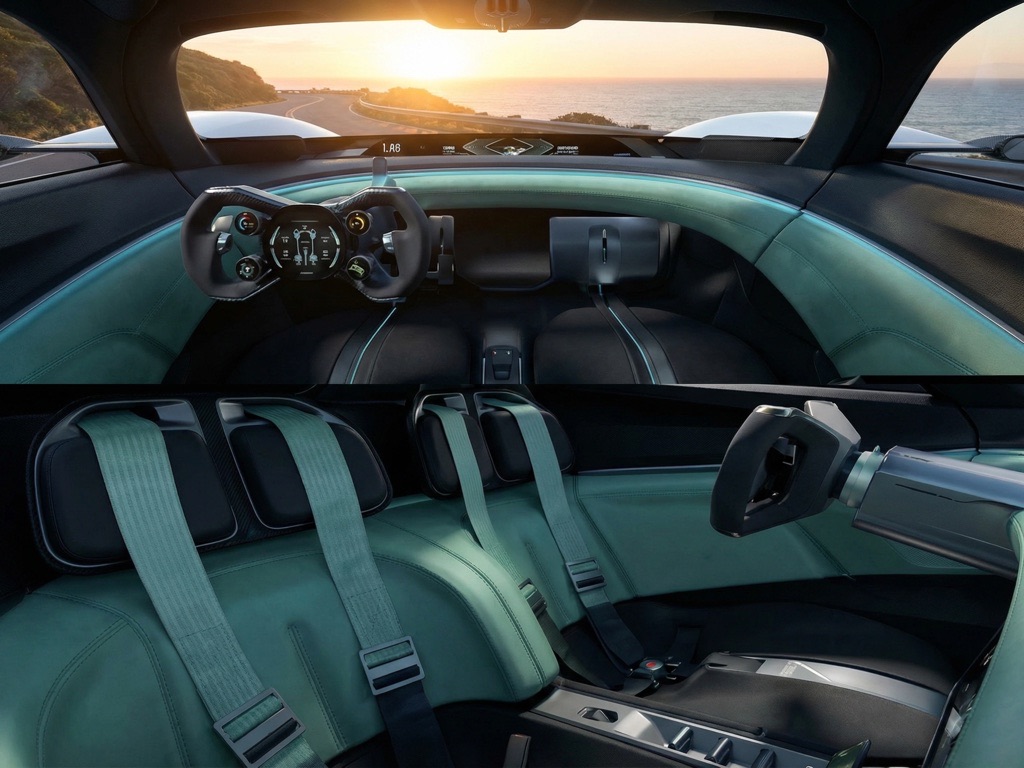
| Interior | Sofa Racer cocoon, Human x Car x Home ecosystem, Xiaomi Pulse (light/sound mood adaptation) |
| Design | Teardrop shape, scissor doors, carbon fiber rear wing, center-lock wheels, carbon-ceramic brakes |
| Power Output | Details not yet confirmed (reportedly ~1,900 hp range) |
| Availability | Gran Turismo 7 on PlayStation soon |
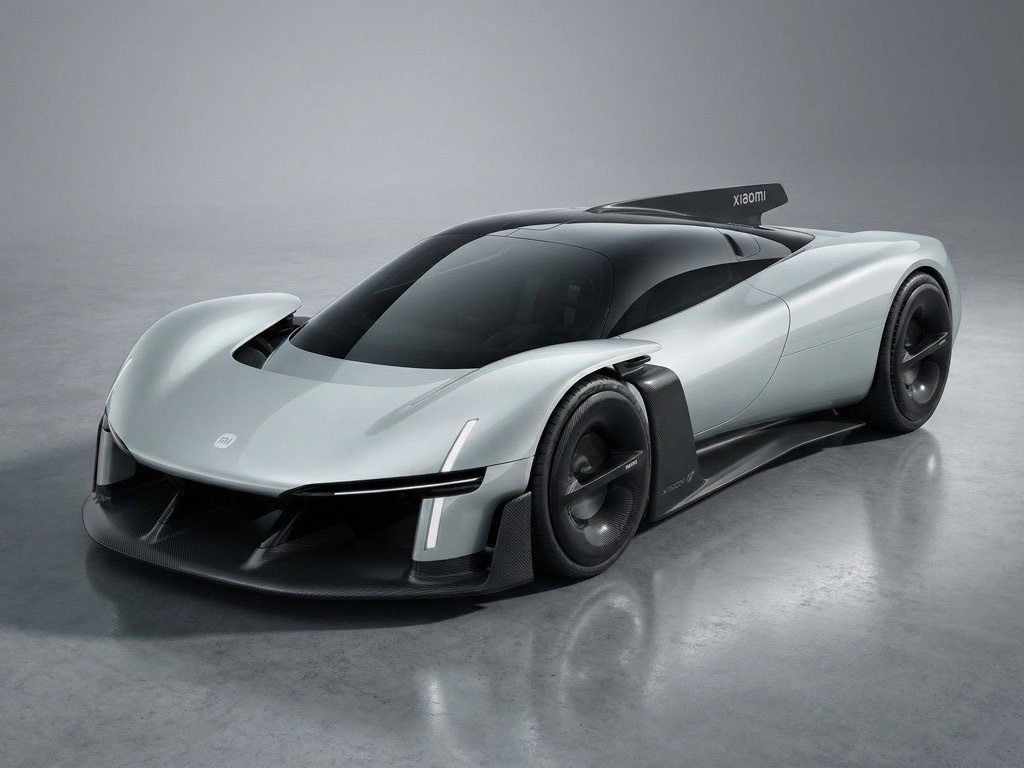
Aerodynamic Engineering
Xiaomi’s design team, led by Tianyuan Li, applied a “sculpted by the wind” philosophy, resulting in a teardrop top-view with air ducts and cutouts for a 0.29 Cd—slippery for straight-line speed—paired with -1.2 downforce for cornering grip. The Active Wake Control System and Accretion Rims optimize wheel airflow, while halo-shaped taillights serve as cooling outlets, achieving 4.1 aero efficiency. Yamauchi called it a “role model” for modern cars, validated by extensive CFD testing. This digital exercise demonstrates Xiaomi’s simulation capabilities, potentially transferable to road cars.
 Cars
Cars
Eli Zero: The Quirky, Compact, and Fun Electric City Ca
Introduction to the Eli Zero Are you tired of battling traffic jams, fighting for parking spots, and constantly searching for...
 Cars
Cars
2026 GMC Hummer EV Carbon Fiber Edition: 1,160 HP and 0-60 in 2.8 Seconds Defies Truck Physics
The 2026 GMC Hummer EV Carbon Fiber Edition achieves a GM-estimated 0-60 mph in 2.8 seconds with 1,160 horsepower from...
 Cars
Cars
Hyundai Unveils CRATER Concept 2025: Price, Specs, and Release Date
Hyundai’s Bold New Off-Road EV Concept Debuts in LA Hyundai has officially revealed the CRATER Concept 2025, a compact electric...
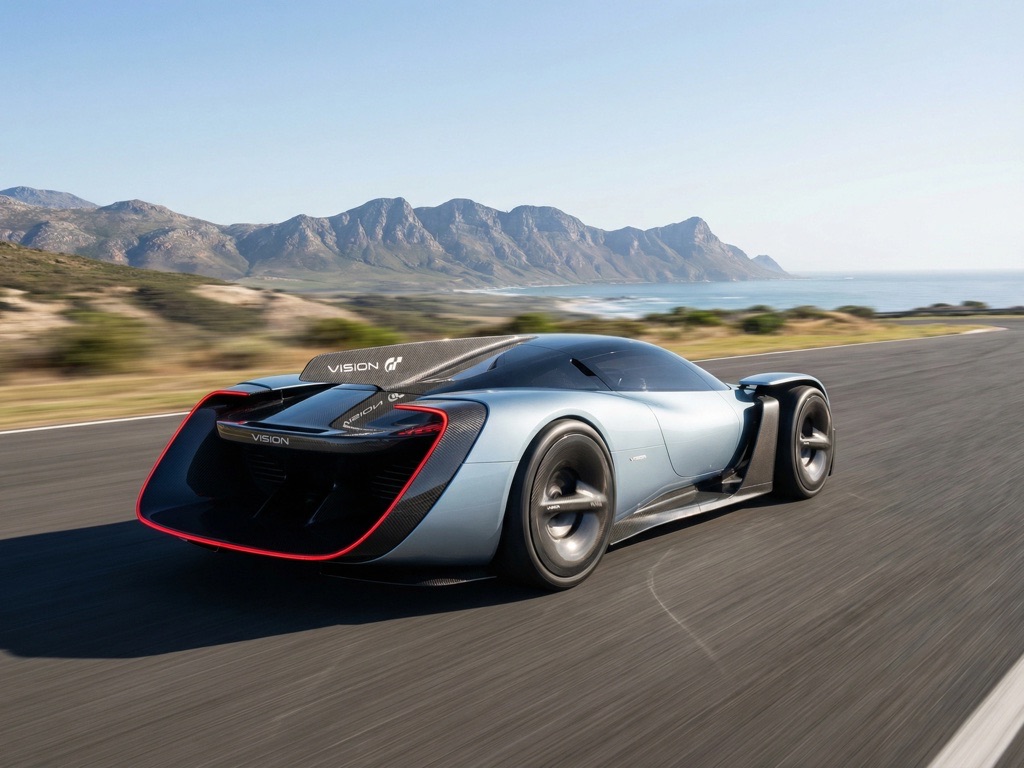
Interior and Smart Tech Integration
Rejecting stark race cockpits, the “Sofa Racer” blends dashboard, doors, and seats into a lounge-like loop. Integrated with Xiaomi’s Human x Car x Home ecosystem, Xiaomi Pulse uses lights and sounds to detect and match driver mood, positioning the car as a “digital companion”. Built on the 900V SiC platform, it hints at high-voltage efficiency for real EVs, with center-lock wheels hiding carbon-ceramic brakes sized for ~1,900 hp—though unconfirmed.
Physical Prototype and Real-World Ties
Spy shots in Barcelona showed a low-slung, wrapped prototype with Xiaomi badges, scissor doors, and a rear wing, unveiled physically at MWC 2026 (March 2-5). This bridges virtual and physical, following SU7 Ultra’s real track success. Unanswered: exact power figures (due March 1) and if aero tech will appear in production models like planned 2026 SUVs.
Comparison with Competitors
| Model | Power (hp) | Drag Coefficient | Notes |
|---|---|---|---|
| Xiaomi Vision GT | ~1,900 (unconfirmed) | 0.29 | First Chinese/tech brand, smart interior |
| Ferrari Vision GT | 1,337 | Not specified | High power, traditional design |
| Porsche Vision GT | Not specified | Not specified | Fully electric two-seater |
| Mercedes Vision GT | Not specified | Not specified | Legacy aero focus |
Xiaomi matches or exceeds Ferrari’s power potential while pioneering EV-specific aero and smart features absent in European rivals.
Verdict
Xiaomi Vision Gran Turismo positions the company as a serious EV performance contender, blending superior aero (0.29 Cd, 4.1 efficiency) with tech-forward interior in Gran Turismo 7. Ideal for gamers, EV fans tracking Chinese innovation, and investors eyeing Xiaomi’s 2026 expansion—though power specs remain unconfirmed. It underscores how tech firms challenge auto giants, but real impact depends on road car adoption.