
Chevy Equinox EV Scores 722/1000 in J.D. Power Study—Below Mass-Market Average
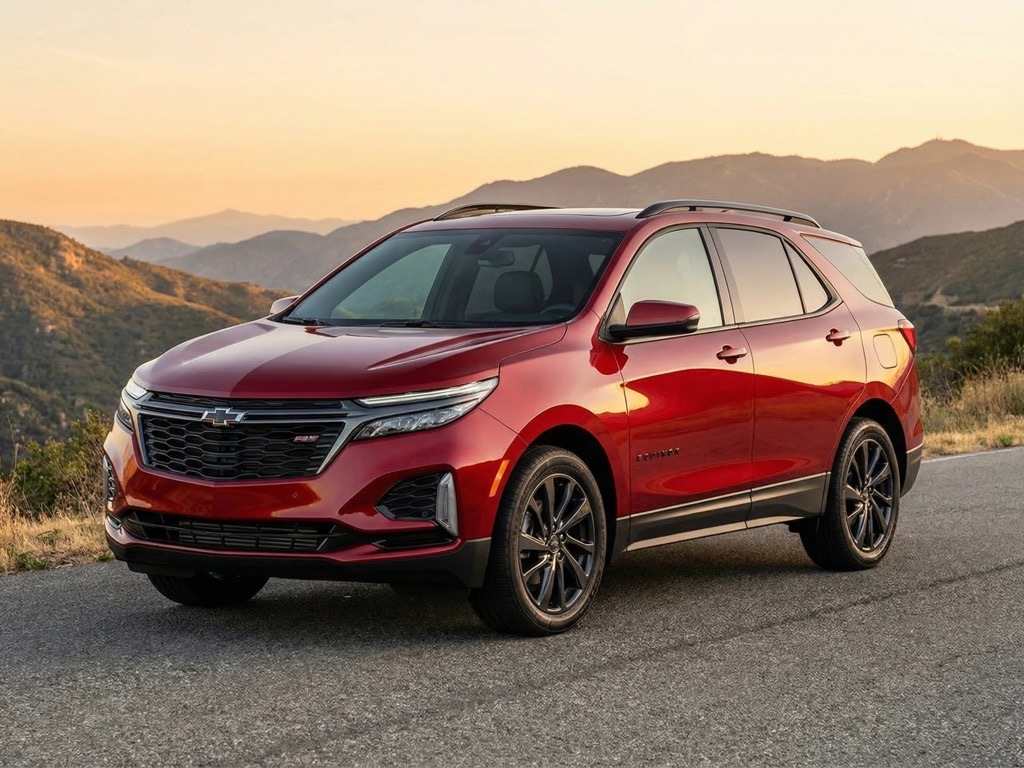
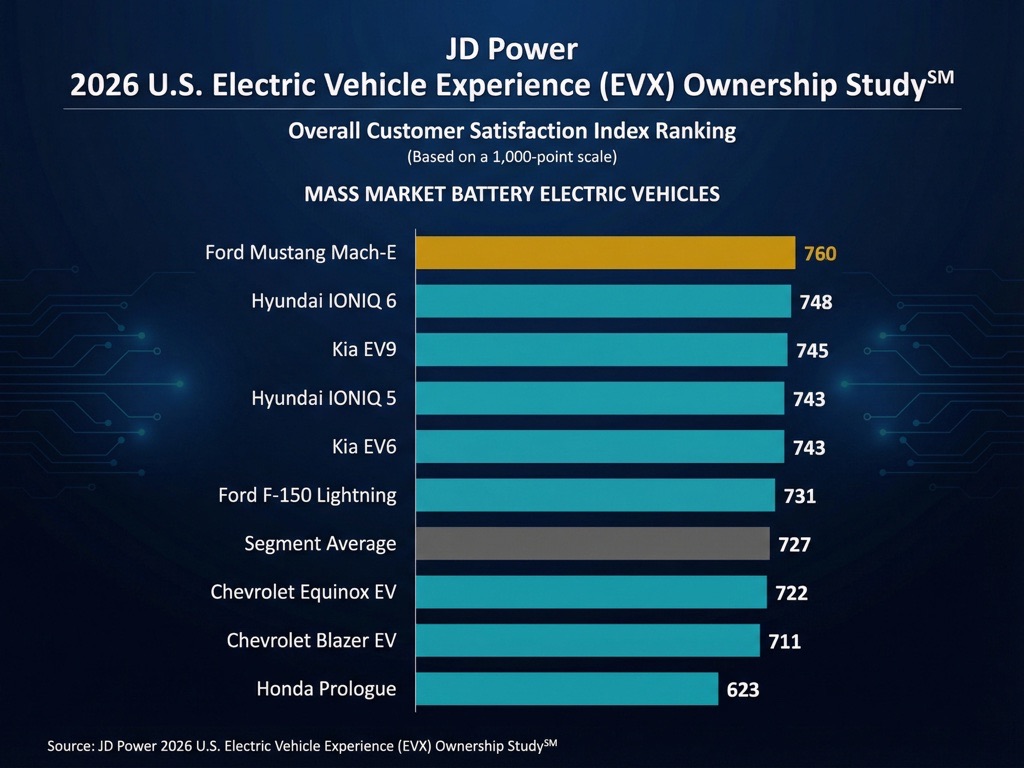
The Chevrolet Equinox EV scored 722 out of 1,000 in the 2026 U.S. Electric Vehicle Experience Study, placing it below the mass-market segment average of 727.General Motors positions the Equinox EVV as an affordable entry point into electric ownership, but the latest J.D. Power data reveals significant owner satisfaction challenges that undermine that value proposition.
The score marks a troubling trend for GM’s mass-market EV strategy. While the overall segment average improved from 725 in 2025 to 727 in 2026, the Equinox EV failed to keep pace with broader industry gains. Only two vehicles ranked lower in the mass-market category: the Chevrolet Blazer EV and the Honda Prologue, both sharing GM’s BEV3 architecture (Ultium platform).
 Chevy Equinox[/caUltium Platform Shows Systemic Owner Satisfaction Issuesn Issues
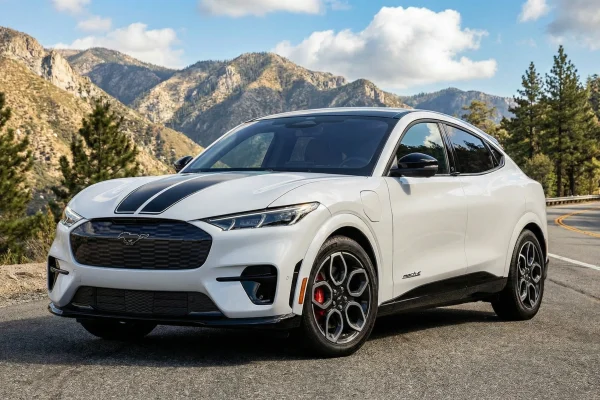
The poor performance of multiple Ultium-based vehicles raises critical questions about the platform’s ability to deliver satisfying ownership experiences. The Ford Mustang Mach-E leads the mass-market segment with 760 points, followed by the Hyundai IONIQ 6 and Kia EV9. The 38-point gap between the Mach-E and Equinox EV represents a substantial satisfaction differential in a segment where affordability is supposed to be the primary selling point.
The Prologue’s similarly weak showing is particularly significant because it represents GM’s partnership with Honda—a brand historically associated with reliability and owner satisfaction. That both vehicles underperform despite different brand positioning suggests the underlying platform architecture may be contributing to the satisfaction gap.
J.D. Power’s study evaluates satisfaction across ten categories during the first year of ownership, including driving enjoyment, battery range accuracy, charging access, cost of ownership, quality, and reliability. The breadth of this evaluation means the Equinox EV’s below-average score reflects systemic issues rather than isolated problems in a single category.
 Cars
Cars
Volkswagen Cancels the 2026 ID. Buzz for the US Market
The electric revival of the legendary VW bus has hit an unexpected pause. Volkswagen has confirmed that it will skip...
 News
News
Leapmotor B10 Adds One-Pedal Driving and CarPlay in OTA Update Six Months After Launch
The Leapmotor B10 compact electric SUV receives a major over-the-air (OTA) software update, adding one-pedal driving, Apple CarPlay, and Android...
 Cars
Cars
BMW iX3 Long Wheelbase Adds 108mm Wheelbase for 900+ km CLTC Range in China
BMW has teased the 2026 iX3 Long Wheelbase, a stretched version of its Neue Klasse electric SUV with 108mm extra...
Industry Improvements Don’t Translate to Equinox EV Success
The broader EV market is showing positive momentum. Brent Gruber, executive director of the EV practice at J.D. Power, noted that overall EV satisfaction continues to improve, with owners citing gains in public charging access and battery technology across the industry. This improvement occurred despite market share softening following the end of federal tax credits in late 2025.
Yet these industry-wide gains in charging infrastructure and battery performance did not translate into stronger results for the Equinox EV. This disconnect suggests that GM’s execution on the Equinox EV—whether in vehicle quality, user interface design, charging integration, or customer support—is lagging behind competitors who are successfully capitalizing on these industry improvements.



Strategic Implications for GM’s Mass-Market EV Push
The timing of these results is critical for GM’s broader strategy. The company is actively working to scale EV adoption in the mass market, positioning affordable models like the Equinox EV as gateway vehicles for first-time EV buyers. However, the J.D. Power study suggests there is significant work to do on owner experience before these vehicles can effectively drive mass-market adoption.
For consumers considering the Equinox EV, the below-average satisfaction score warrants careful consideration. While affordability remains a key advantage, the 722-point rating indicates that early owners are experiencing meaningful frustrations across multiple ownership dimensions. Potential buyers should research specific pain points in the categories most important to them—whether that’s charging reliability, range accuracy, or long-term quality expectations.
GM faces a critical juncture: either address the systemic issues driving Equinox EV dissatisfaction, or risk undermining its mass-market EV strategy with vehicles that fail to meet owner expectations despite competitive pricing.