
First-Generation SU7 Reaches Major Milestone as Xiaomi Prepares Refresh
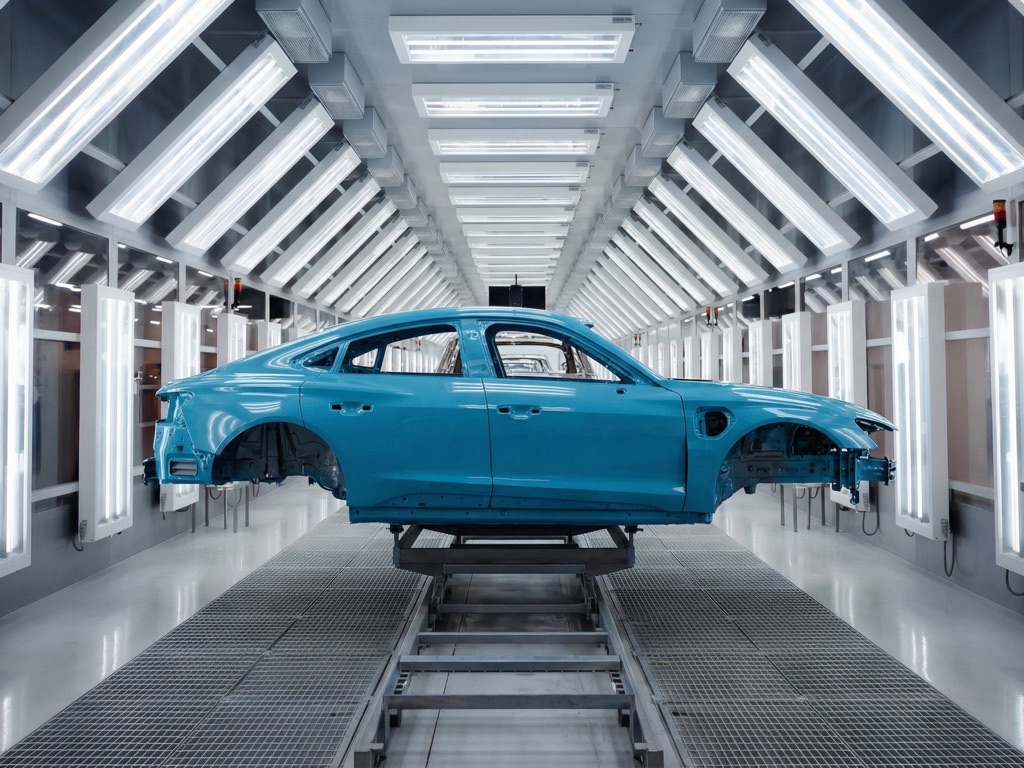
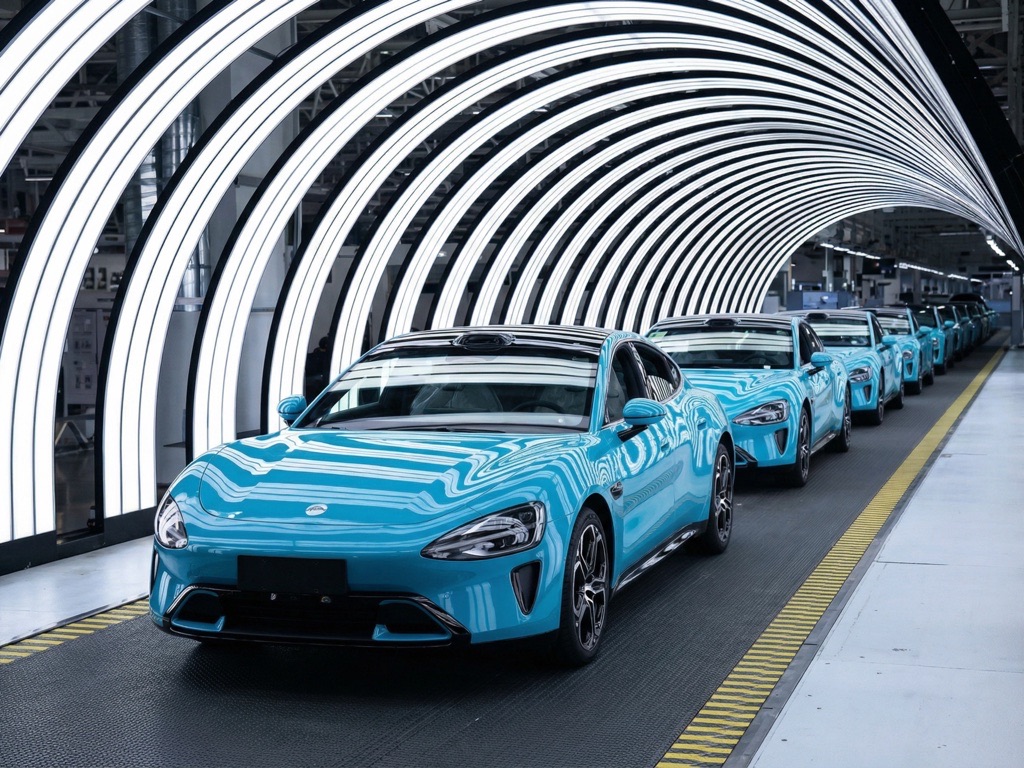
Xiaomi has officially ended production of its first-generation SU7 sedan after delivering over 381,000 units in just 22 months, marking a significant achievement for the Chinese tech giant’s automotive debut. CEO Lei Jun announced the milestone during a livestream on February 11, 2026, confirming that the final vehicle has rolled off the production line and is en route to its owner.
The second-generation SU7 is scheduled to launch in April 2026, wpre-orders already underwayrway since January 7 at a starting price of RMB 229,900 ($33,270)—a 6.48% increase over the original model’s RMB 215,900 entry point. This price adjustment narrows the competitive gap with Tesla’s Model 3 from RMB 19,600 to just RMB 5,600, positioning Xiaomi’s refreshed sedan as a direct challenger in China’s premium EV segment.
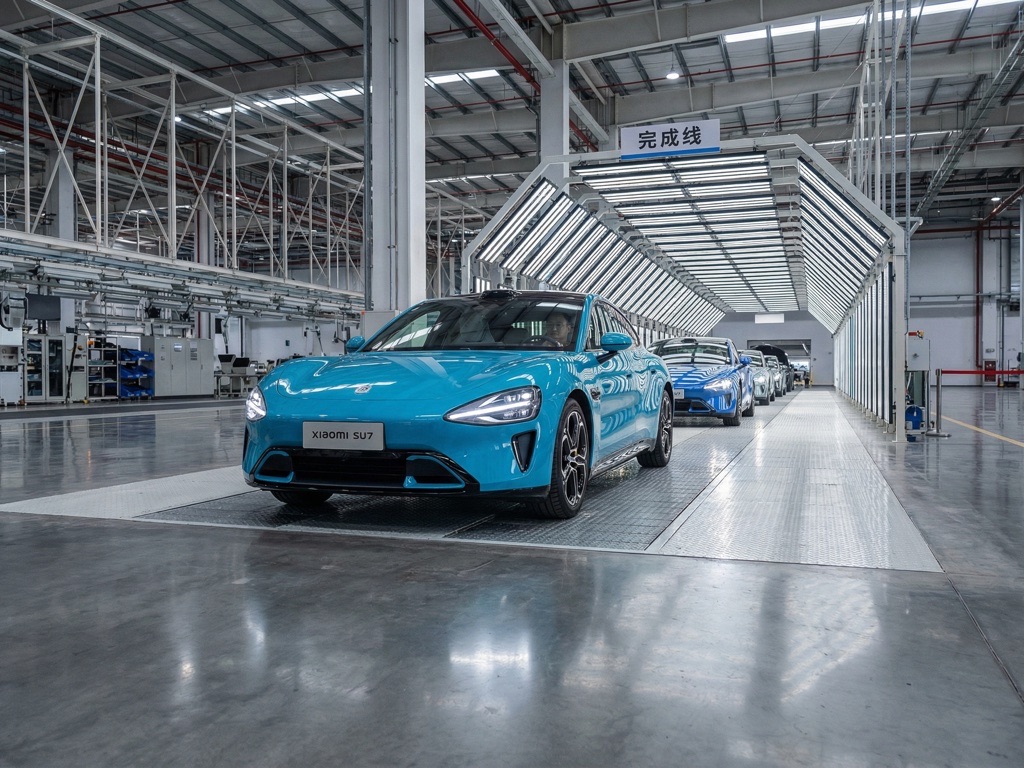
First-Generation Performance and Market Impact
Launched on March 28, 2024, the original SU7 achieved rapid market penetration, averaging nearly 20,000 monthly delivebecoming China's best-selling premium EV sedan EV sedan in 2025 with 258,164 units delivered—surpassing Tesla Model 3’s 200,361 annual registrations in the country. The sedan’s success established Xiaomi as a serious automotive competitor despite the company’s late entry into the EV market.
The SU7’s dimensions—4,997 mm length, 1,963 mm width, 1,455 mm height, and 3,000 mm wheelbase—position it as a full-size fastback offering more interior space than many competitors. For performance-focused buyers, the SU7 Ultra variant delivered 1,548 horsepower from three electric motors, achieving 0-100 km/h acceleration in 1.98 seconds, though this high-performance model’s sales declined significantly after September 2025, leading Xiaomi to disband its dedicated sales team in late January 2026.
Next-Generation SU7: Enhanced Autonomous Driving and Hardware
| Feature | Gen-1 SU7 | Gen-2 SU7 (April 2026) |
|---|---|---|
| LiDAR | Not standard | Standard on all variants |
enhanced with 4D millimeter-wave radar 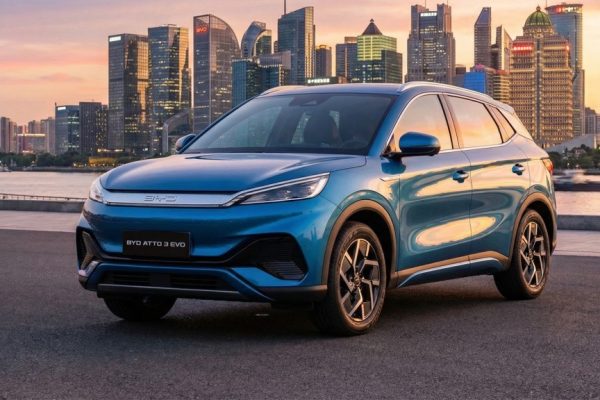 News News
BYD Atto 3 Evo Doubles Power to 443 HP While Keeping Prices CompetitiveBYD’s 2026 Atto 3 Evo Delivers Supercar Acceleration in a Family SUV The 2026 BYD Atto 3 Evo represents a...  Cars Cars
The Electric Downfall: Fisker’s Bankruptcy and What it Means for the EV IndustryWell, folks, it’s a tough day for the electric vehicle world. Fisker Inc., the company behind the much-anticipated Fisker Ocean...  Cars Cars
Karma Kaveya to Integrate Factorial’s FEST Solid-State Batteries for 2027 U.S. LaunchKarma Automotive and Factorial Energy have launched the first U.S. solid-state battery production program for passenger vehicles, integrating Factorial’s FEST... | Enhanced with 4D millimeter-wave radar | |
| Battery Options | Multiple (details not yet confirmed) | 73 kWh, 96.3 kWh, 101.7 kWh |
| Tire Setup | Uniform 245 mm | Staggered 245 mm front / 265 mm rear |
| Front Brakes | Variant-dependent | Four-piston calipers standard |
| Starting Price | RMB 215,900 ($31,200) | RMB 229,900 ($33,270) |
The refreshed SU7 introduces Xiaomi’s end-to-end Hyper Autonomous Driving (HAD) system across the entire lineup, complemented by LiDAR and 4D millimeter-wave radar—technologies previously unavailable as standard equipment. Interior and exterior refinements include new color options (Capri Blue and Dark Night Black), a redesigned two-color steering wheel, updated center console, and enhanced ambient lighting.
Market Strategy and Competitive Positioning
Xiaomi’s decision to refresh the SU7 after just two years represents an aggressive response to China’s fast-moving EV market, where competitors typically release annual updates. This contrasts sharply with Western automotive practices, where model cycles extend 5-7 years. Lei Jun’s involvement in direct customer communication via social media has cultivated brand loyalty, a critical advantage as Xiaomi competes against established Tesla and emerging Chinese EV makers.
January 2026 deliveries totaled over 39,000 vehicles across Xiaomi’s lineup, with the larger YU7 SUV (launched June 2025) providing sales momentum while production lines transitioned to the new SU7. December 2025 set a record with 50,212 units delivered. Lei Jun has publicly targeted 550,000 total deliveries for 2026, a goal that depends heavily on the Gen-2 SU7’s market reception and production scaling without quality control compromises.
Verdict
The first-generation SU7’s 381,000-unit achievement validates Xiaomi’s automotive strategy and establishes genuine market demand for the brand’s EV offerings. The Gen-2 SU7’s April launch, armed with standard LiDAR and enhanced autonomous driving capabilities, positions Xiaomi to maintain momentum in China’s competitive premium sedan segment. However, rapid production scaling creates quality control risks—even minor defect rates magnify across high volumes. The next-generation SU7 is designed for buyers seeking advanced autonomous driving features and competitive pricing against Tesla, but success depends on flawless execution during the critical ramp-up phase. Xiaomi’s personal leadership approach and technical upgrades suggest confidence, yet market conditions and production challenges will ultimately determine whether Lei Jun’s 2026 targets materialize.