Tesla’s Robotaxi Safety Crisis: 9x Higher Crash Rate Than Human Drivers
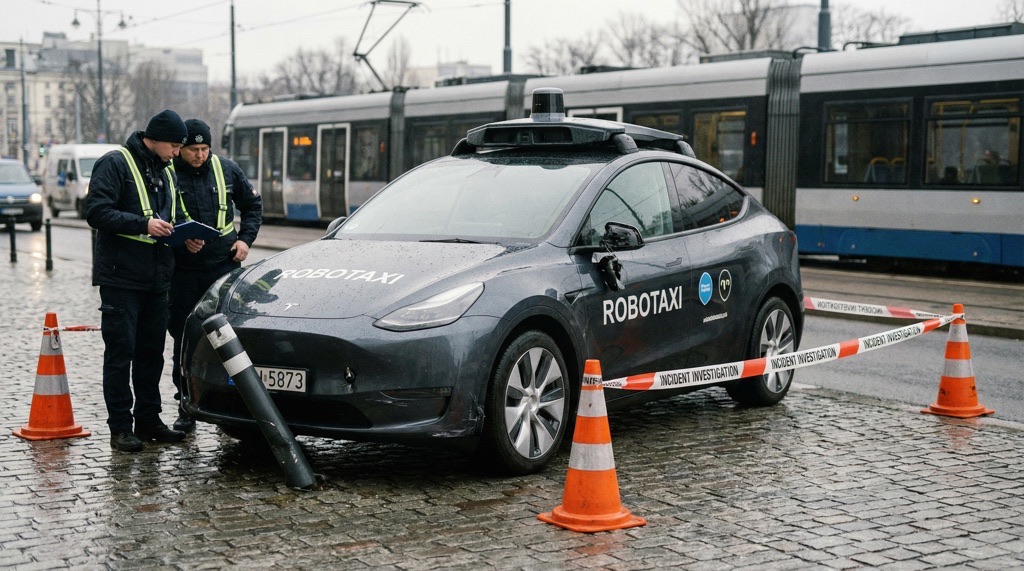
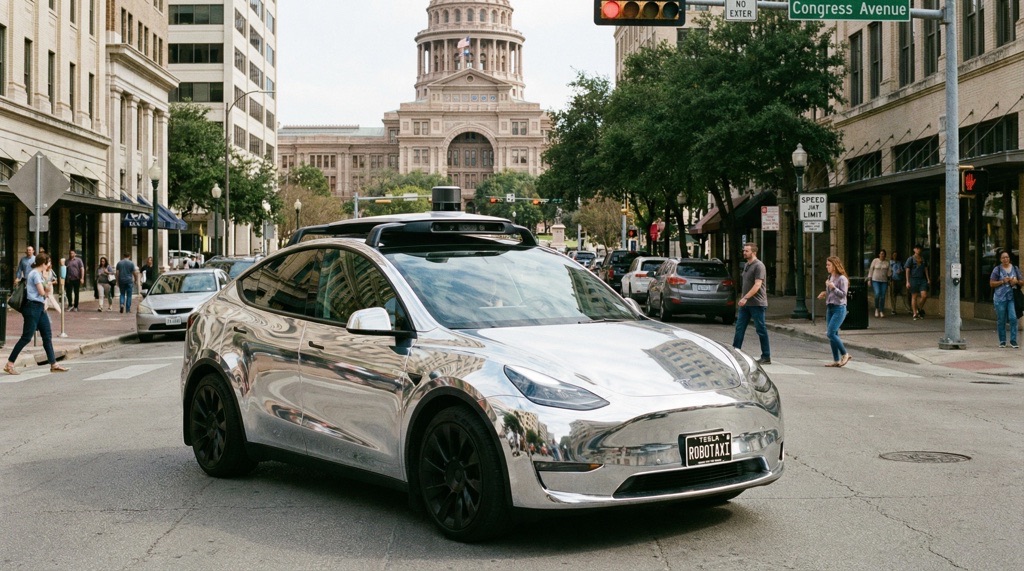
Tesla’s autonomous vehicle program faces a significant safety challenge. New data submitted to the National Highway Traffic Safety Administration reveals that Tesla’s Robotaxi fleet crashes approximately 9 times more frequently than human-driven vehicles, even with safety monitors on board. Between July and November 2025, Tesla’s self-driving Model Y vehicles operating in Austin, Texas, were involved in nine reported crashes across roughly 500,000 miles of operation—translating to one incident every 55,000 miles, compared to one crash every 200,000 miles for human drivers.
This data contradicts Elon Musk’s ambitious 2025 projections for nationwide Robotaxi expansion and raises critical questions about the readiness of Tesla’s autonomous technology for commercial deployment.
The Numbers: A Stark Safety Gap
Tesla’s crash statistics paint a troubling picture. According to NHTSA incident reports, the Austin Robotaxi fleet logged nine crashes between July and November 2025:
- November 2025: Right turn collision
- October 2025: Incident at 18 mph
- September 2025: Hit an animal at 27 mph
- September 2025: Collision with a cyclist
- September 2025: Rear collision while backing (6 mph)
- September 2025: Hit a fixed object in the parking lot
- July 2025: Collision with an SUV in a construction zone
- July 2025: Hit a fixed object, causing minor injury (8 mph)
- July 2025: Right turn collision with an SUV
The comparison to human drivers is unfavorable. While human drivers average one police-reported crash every 500,000 miles, accounting for unreported incidents suggests a more realistic rate of one crash every 200,000 miles. Tesla’s 55,000-mile-per-crash rate represents a 3.6x to 9x higher incident frequency, depending on which baseline is used.
What makes this data particularly damning is that each Tesla Robotaxi had a safety monitor in the front passenger seat during this period, ready to intervene at any moment. Despite this human backup system, the vehicles still underperformed compared to solo human drivers.
Transparency Issues and Redacted Reports
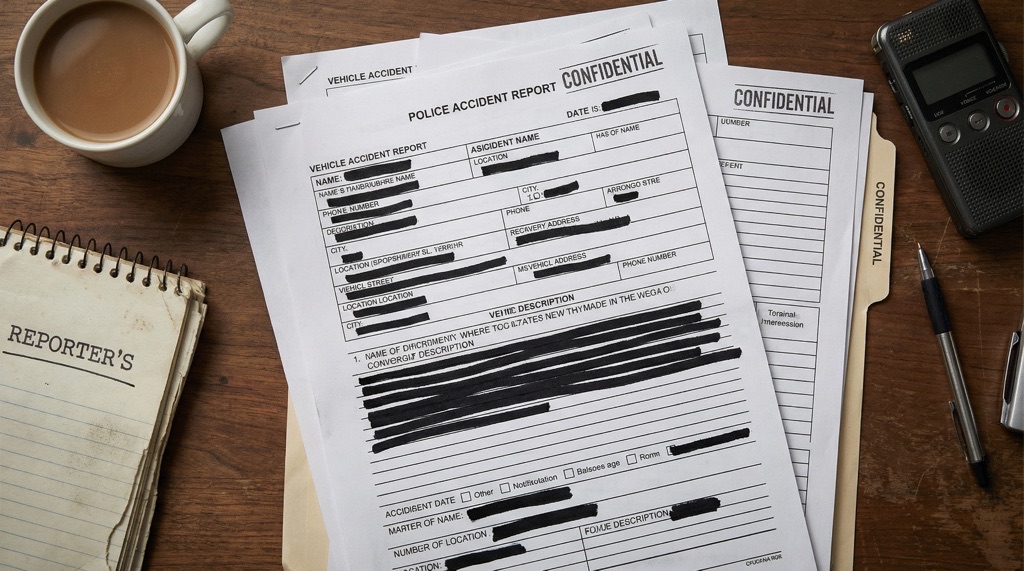
Tesla’s NHTSA submissions are heavily redacted, limiting public understanding of what actually occurred in many incidents. In the September 2025 animal strike, for example, only the speed (27 mph) is disclosed—no information about the circumstances, the animal type, or whether the vehicle attempted to avoid the collision. Similarly, the cyclist collision provides minimal detail beyond the fact that it occurred.
 Cars
Cars
Everrati’s Electrified Mercedes-Benz Pagoda: Classic Style Meets Modern EV Power
Introducing the Electric Pagoda Restomod Everrati, the UK company known for electrifying classic cars like the Ford GT40 and Porsche...
 Cars
Cars
BMW i4 Gets A New Face And Laser Tail Lights
BMW’s all-electric i4 four-door liftback receives a subtle refresh for 2025, featuring a redesigned face with full LED headlights, laser-accented...
 News
News
Tesla Opens Munich Sales Role for Superchargers and Megachargers: Signals Semi Truck Push into Central Europe
Tesla is hiring a business development lead in Munich for commercial sales of Superchargers and Megachargers in Central Europe. This...
This lack of transparency contrasts sharply with the detailed incident data that would typically be available for human driver crashes, making independent safety assessment difficult.
Expansion Plans Despite Safety Concerns
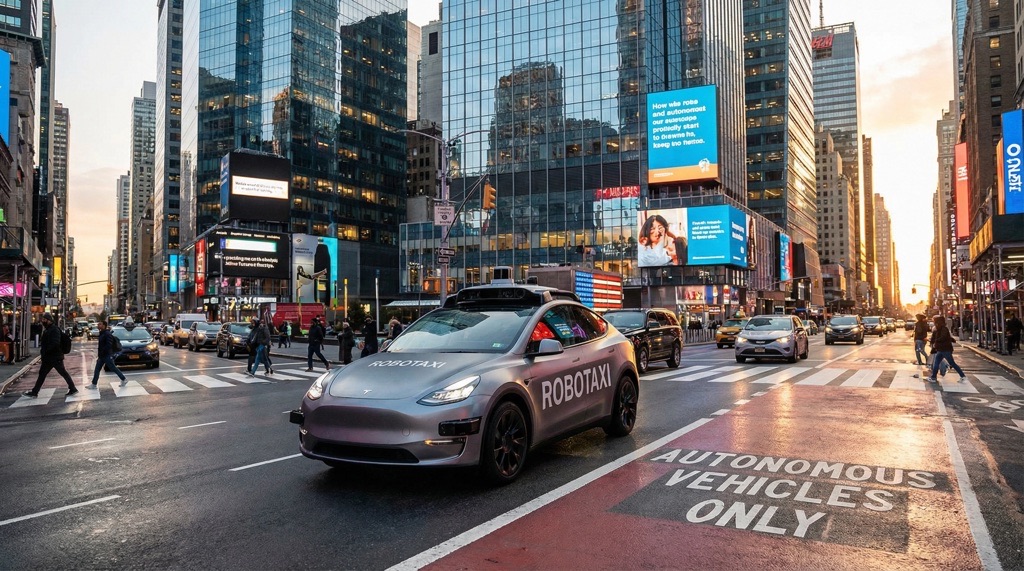
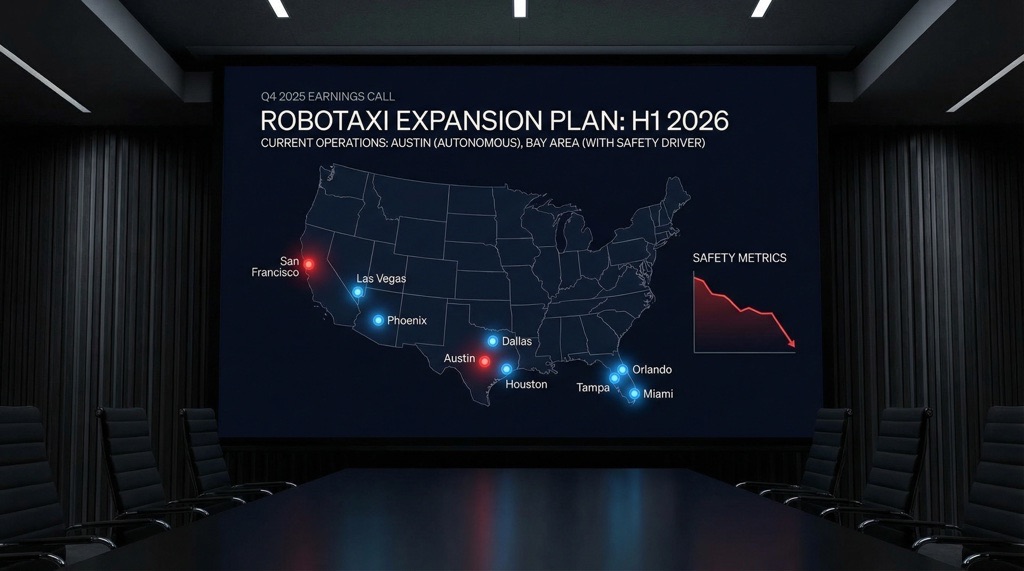
Despite these troubling safety metrics, Tesla announced during its Q4 2025 earnings call that it plans to expand Robotaxi operations to seven new cities within the first half of 2026: Dallas, Houston, Phoenix, Miami, Orlando, Tampa, and Las Vegas.
Currently, the service operates only in Austin with full autonomy. In the San Francisco Bay Area, Tesla operates Model Y vehicles with human drivers because California does not permit fully autonomous vehicles without a safety driver—technically making it a ride-hailing service rather than true Robotaxi operation.
This expansion timeline appears aggressive given the current safety performance. Musk previously claimed in July 2025 that the Robotaxi service would reach “half the population of the US” by the end of 2025—a prediction that proved wildly inaccurate.
Industry Comparison: How Tesla Stacks Up
| Operator | Crash Rate | Safety Monitor | Status |
|---|---|---|---|
| Tesla Robotaxi (Austin) | 1 crash per 55,000 miles | Yes (through Nov 2025) | Limited to Austin; expanding planned |
| Human Drivers (US Average) | 1 crash per 200,000 miles | N/A | Baseline comparison |
| Waymo (competitor) | Below the human average | No (fully driverless) | Operating in multiple cities |
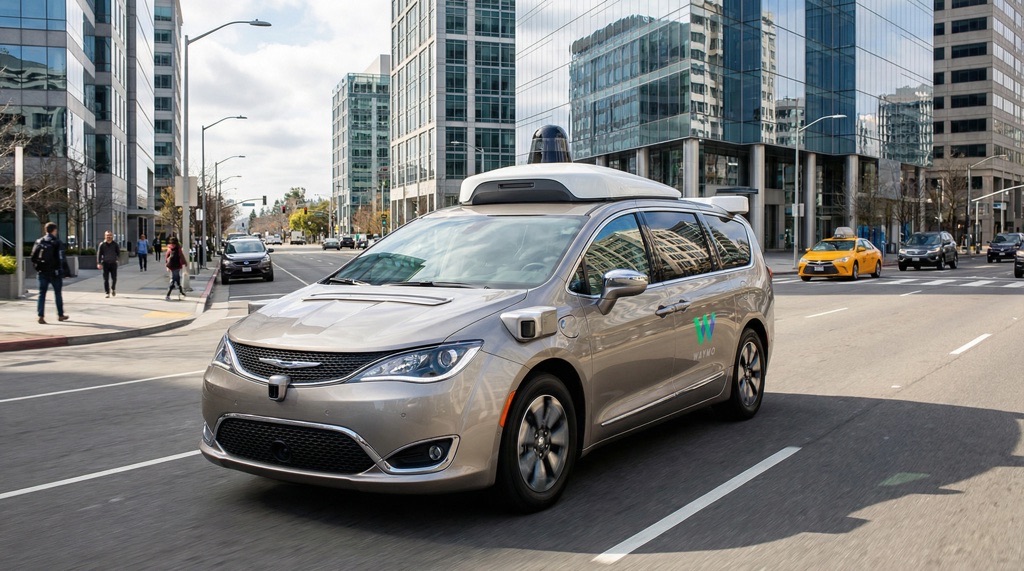
Waymo, Tesla’s primary competitor in autonomous ride-hailing, operates a fully driverless fleet with over 25 million autonomous miles logged and maintains a crash rate well below human averages—without any safety monitor on board. This suggests that Tesla’s approach of combining autonomous driving with a safety monitor is not inherently superior to fully autonomous systems with robust redundancy.
Critical Questions Remaining
Several unanswered questions emerge from this data:
- Severity classification: Are all nine crashes equivalent in severity, or are some minor fender-benders while others involve significant damage or injury?
- Safety monitor effectiveness: In how many incidents did the safety monitor fail to intervene, or was intervention impossible?
- Environmental factors: How much do Austin’s specific weather, traffic patterns, and road conditions contribute to the crash rate?
- Expansion readiness: What metrics must be achieved before expansion to new cities proceeds?
- Recent changes: How has the shift from in-vehicle safety monitors to following chase vehicles affected crash rates since November 2025?
Verdict
Tesla’s Robotaxi program is demonstrably not ready for the expansion timeline the company has announced. A 9x higher crash rate than human drivers—even with a trained safety monitor present—represents a fundamental safety problem that cannot be dismissed as a data reporting artifact. While autonomous vehicle technology will eventually surpass human driver safety, Tesla’s current implementation has not achieved that milestone. The company must address this safety gap transparently before expanding to new markets. For consumers considering ride-hailing options, current data suggests human-driven services remain significantly safer than Tesla’s autonomous alternative. For investors and regulators, these NHTSA figures demand closer scrutiny of Tesla’s expansion plans and safety validation protocols.