
Tesla has quietly restarted production of Model Y battery packs using its in-house 4680 cells, more than two years after discontinuing the variant to prioritize Cybertruck production. The move marks a dramatic reversal for a battery technology that was supposed to revolutionize EV affordability—but now serves as a supply chain hedge against tariffs and trade barriers.
In its Q4 2025 shareholder update, Tesla confirmed: “We have begun to produce battery packs for certain Model Ys with our 4680 cells, unlocking an additional vector of supply to help navigate increasingly complex supply chain challenges caused by trade barriers and tariff risks.” The announcement reveals how far the 4680 program has fallen from its original ambitions—and raises questions about whether Tesla’s domestic battery strategy can deliver meaningful scale.
The 4680 Promise vs. Reality
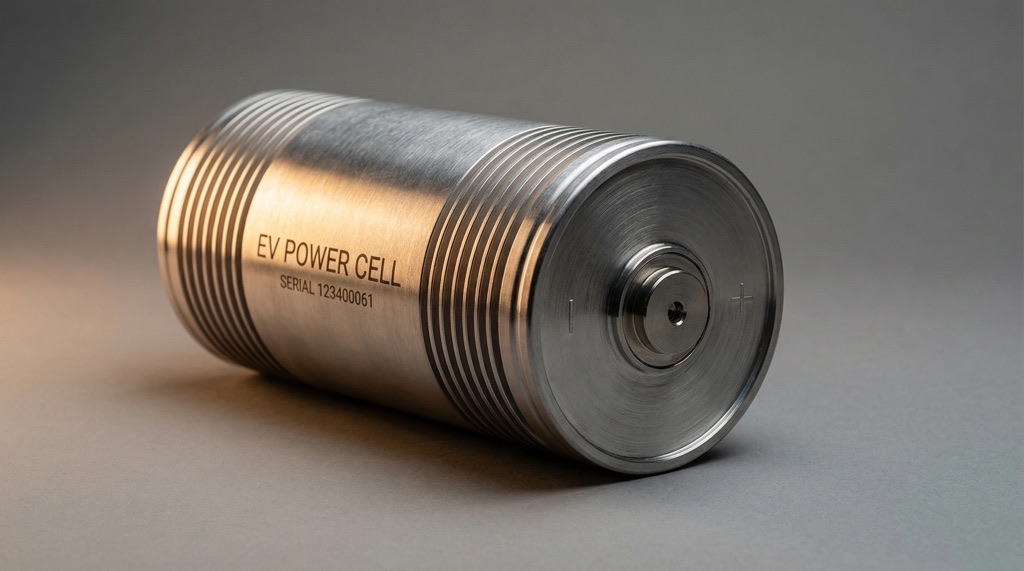
When Elon Musk unveiled the 4680 cylindrical cell at Tesla’s Battery Day in September 2020, the pitch was transformative: cut battery costs in half, improve energy density, and enable a $25,000 Tesla. The larger format (46mm diameter, 80mm height) promised fewer cells per pack, simplified wiring, and improved thermal performance compared to Tesla’s existing 2170 cells.
Tesla initially delivered on production milestones. By December 2022, the company had ramped 4680 production to 868,000 cells per week—enough for approximately 1,000 Model Y vehicles. In April 2023, Tesla opened public orders for a Model Y AWD equipped with 4680 cells at $49,990, after selling the variant as an “off-menu” product for over a year.
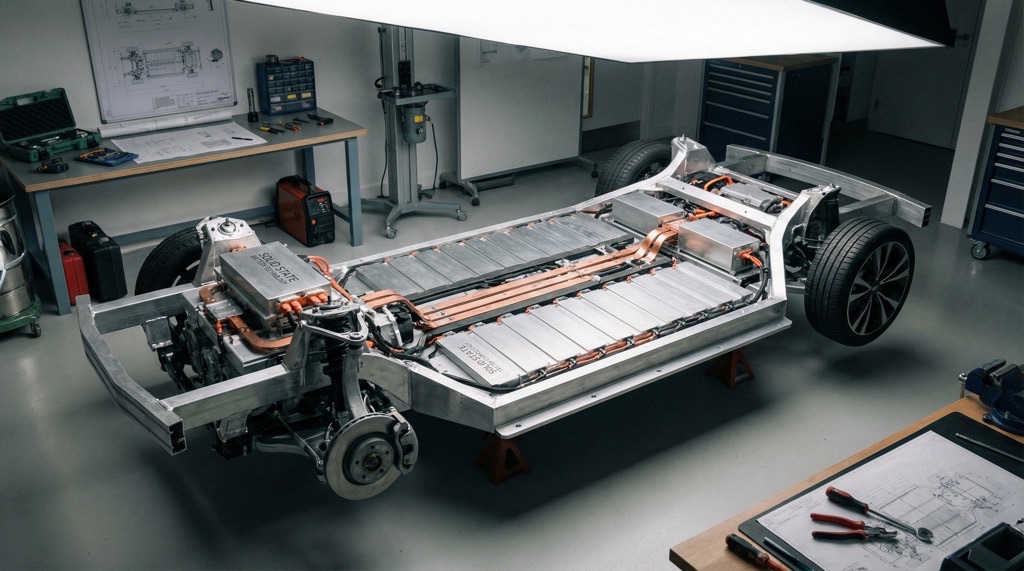
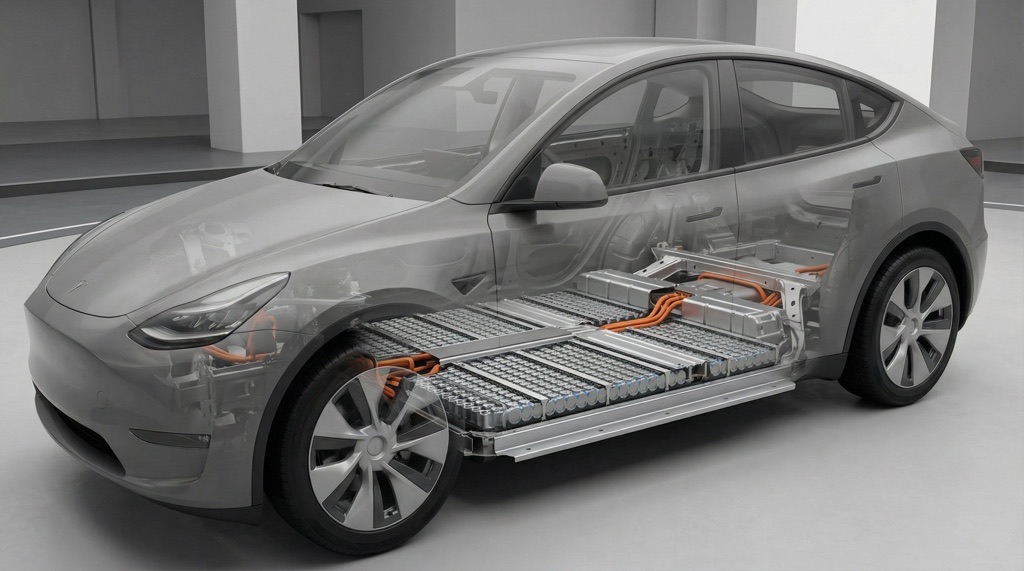
The reality proved far messier. Early 4680 Model Y owners reported poor real-world performance: underwhelming range, slow charging, and inefficient power delivery. Tesla’s structural battery pack design—where 4680 cells were integrated directly into the chassis with adhesive—also created a critical flaw: the batteries were essentially unrepairable, requiring complete replacement if cells degraded.
By September 2023, just six months after opening orders, Tesla quietly discontinued the 4680 Model Y AWD and removed it from the configurator. The official reason: prioritizing limited 4680 cell production for the Cybertruck, which was about to launch.
Cybertruck’s Collapse Leaves 4680 Stranded
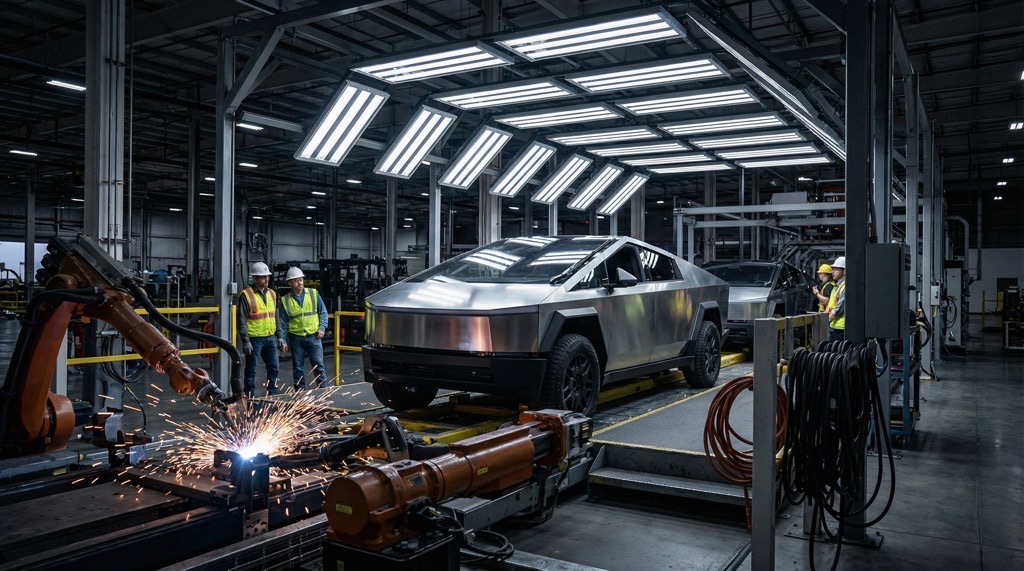
The Cybertruck launch in November 2023 was supposed to justify the 4680 pivot. As the only Tesla vehicle using 4680 cells, the truck would consume Tesla’s entire battery production capacity and validate the technology’s future.
That didn’t happen. Cybertruck sales have dramatically underperformed, leaving Tesla with excess 4680 production capacity and no primary customer. The evidence is stark: in December 2025, South Korean battery materials supplier L&F Co. wrote down its $2.9 billion cathode supply deal with Tesla by over 99%, reducing it to just $7,386, citing “change in supply quantity.” L&F’s high-nickel cathode materials were specifically designed for Tesla’s 4680 cells, making the write-down a clear signal that 4680 demand has collapsed.
 Cars
Cars
The Shocking Revival of an Off-Road King: The Electric Toyota Land Cruiser FJ40
Do you know how your grandpa always raves about his old Toyota Land Cruiser FJ40? The one that could conquer...
 Cars
Cars
French Style Meets the Electric Future in the New Peugeot 408
Peugeot Reinvents the Family Car With a Fastback EV With the new Peugeot 408, the French brand is making a...
 Cars
Cars
Waymo Admits Philippines Remote Operators Guide Robotaxis – Senate Hearing Exposes Safety and Security Gaps
Waymo’s robotaxis rely on remote “guidance” from operators in the Philippines, as admitted by its safety chief during a February...
“Cybertruck is a commercial flop and therefore doesn’t require many battery cells,” according to Electrek’s analysis. With Cybertruck demand failing to materialize, Tesla found itself with stranded 4680 production capacity and a need to justify continued investment in the technology.
Tariffs as Cover Story—Or Genuine Strategy?
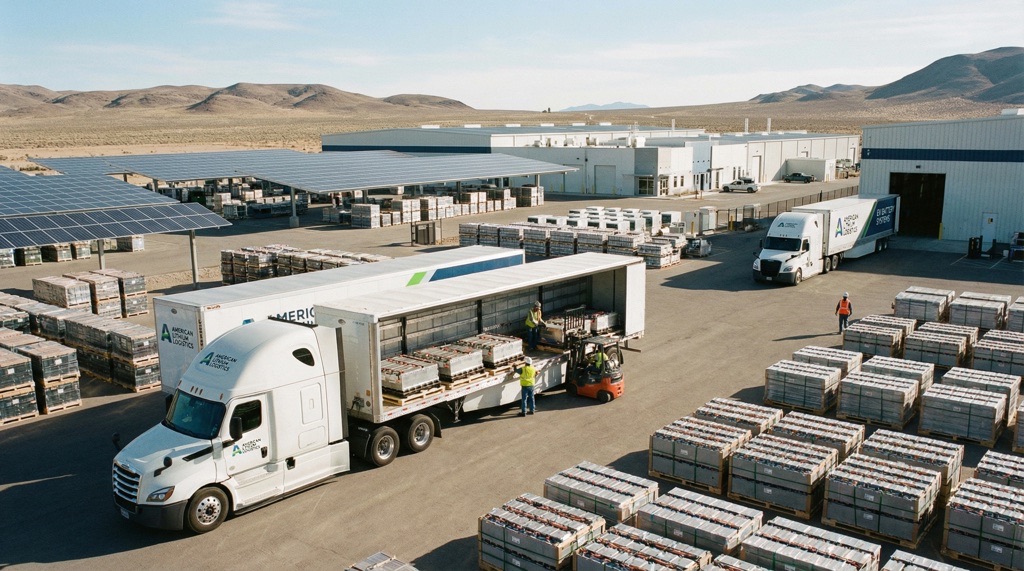
Tesla’s official rationale for returning 4680 to Model Y centers on supply chain resilience. The company frames the move as insurance against “trade barriers and tariff risks” that could disrupt supplies from Chinese battery partners. If tariffs or export restrictions hit CATL, BYD, or other Chinese suppliers, Tesla wants domestic 4680 production as a backup.
This argument has merit. U.S.-China trade tensions are real, and tariff risks are genuine concerns for automakers dependent on imported batteries. However, critics note the timing and framing raise questions: if supply chain diversification were the primary goal, why not restart 4680 Model Y production years ago?
“Tesla explicitly framed the return of 4680 to Model Y as supply chain diversification, a hedge against ‘trade barriers and tariff risks,'” Electrek observed. “In other words, if Chinese battery suppliers get hit with tariffs or export restrictions, Tesla wants domestic cell production as a backup. The $25,000 Tesla that the 4680 was supposed to enable? Musk scrapped that plan entirely.”
The more likely explanation: Tesla is deploying excess 4680 capacity to avoid admitting the Cybertruck strategy failed. By putting 4680 cells back in Model Y—a high-volume vehicle—Tesla can maintain production utilization and justify continued investment in the technology.
Technical Improvements, But Limited Scale
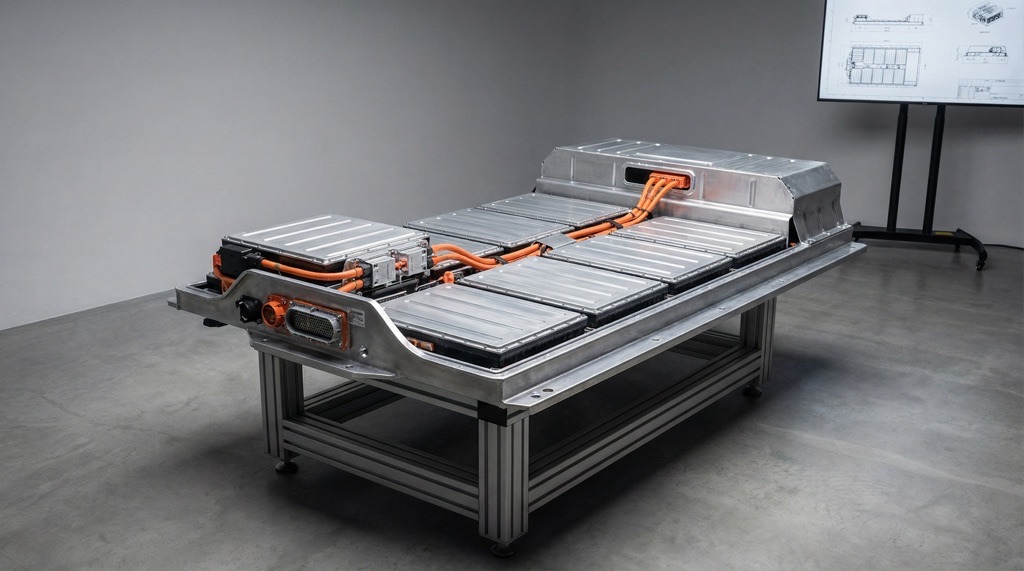
One genuine bright spot: Tesla has made technical improvements to address earlier 4680 problems. The company is now using a non-structural battery pack design, placing 4680 cells in standard 2170 pack housings rather than integrating them into the chassis. This approach makes individual cells replaceable, solving the repairability nightmare of the original structural design.
Tesla has also achieved meaningful progress in domestic battery production. The company now produces dry-electrode 4680 cells with both anode and cathode materials manufactured in Austin, Texas. Tesla expects domestic cathode material production in Texas and LFP battery lines in Nevada to begin in 2026. This vertical integration represents a genuine competitive advantage—most automakers cannot match Tesla’s in-house battery manufacturing capability.
However, these improvements don’t signal a major 4680 ramp. Tesla has not disclosed which Model Y variants will receive 4680 cells, production volumes, or a timeline for availability. The L&F write-down strongly suggests Tesla has no immediate plans to scale 4680 production significantly.
What This Means for EV Buyers
| Aspect | Original 4680 Model Y (2023) | New 4680 Model Y (2026) |
|---|---|---|
| Battery Design | Structural (integrated into chassis) | Non-structural (standard pack housing) |
| Repairability | Not repairable; full replacement required | Individual cells replaceable |
| Charging Performance | Poor, slow, and inefficient | Details not yet confirmed |
| Range | Underwhelming vs. 2170 variants | Details not yet confirmed |
| Price | $49,990 (Model Y AWD) | Not yet announced |
| Availability | Limited production | Limited production; timeline unclear |
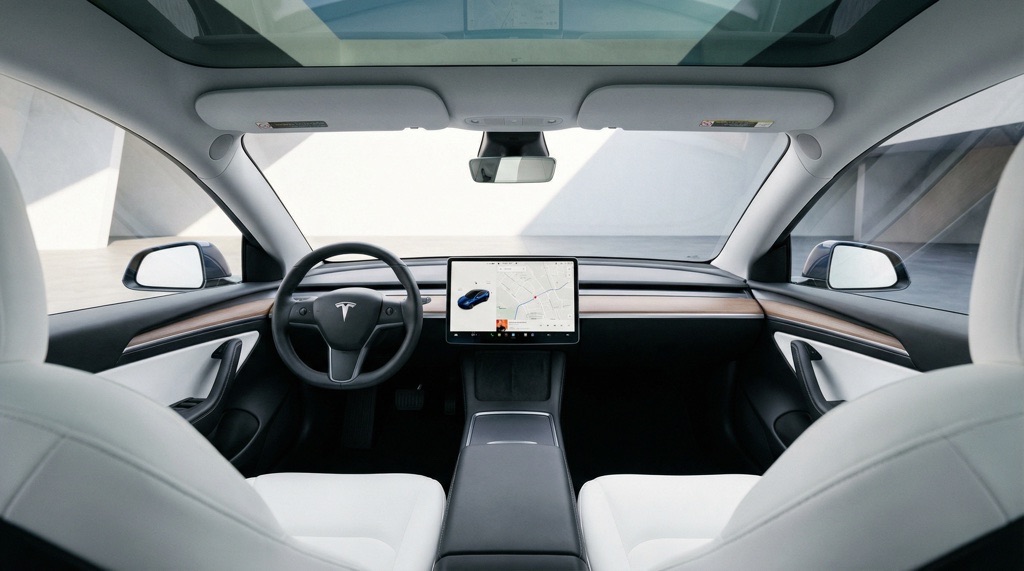
For Model Y buyers, the return of 4680 cells presents both opportunity and uncertainty. The non-structural pack design addresses the repairability issues that plagued the original 4680 Model Y, potentially offering better long-term value. However, Tesla has not confirmed whether charging performance and range issues have been resolved.
Critically, Tesla has not announced pricing or availability details. If 4680 Model Y variants command a significant price premium over 2170-equipped models, the value proposition remains unclear. If they’re priced competitively, they could offer an interesting alternative—but only if Tesla can guarantee improved performance compared to the 2023 generation.
The Bigger Picture: Battery Strategy in Flux
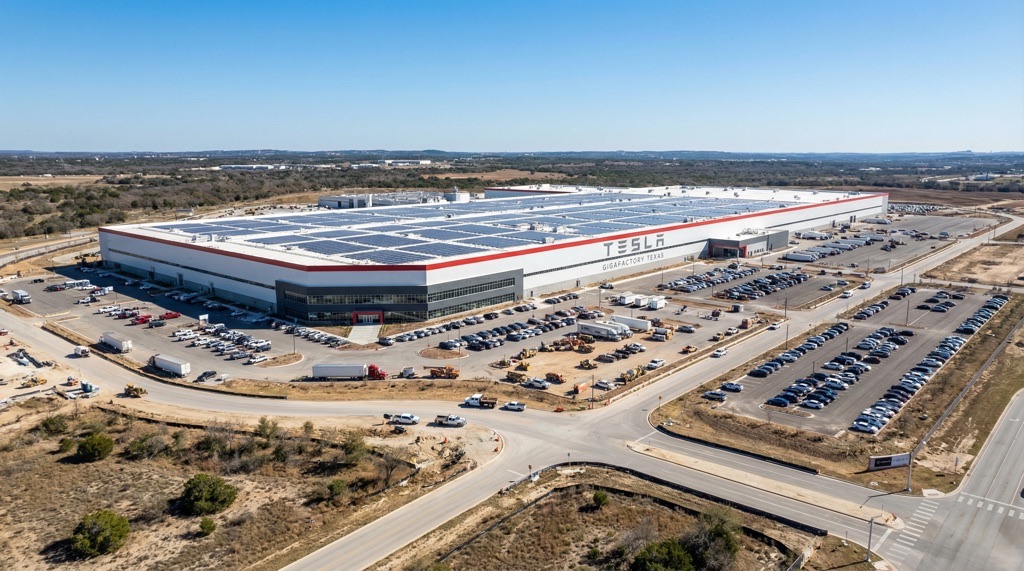
Tesla’s 4680 U-turn exposes the risks of betting a major technology program on a single vehicle platform. By concentrating 4680 production on Cybertruck, Tesla created a single point of failure. When Cybertruck sales disappointed, the entire 4680 strategy became stranded.
The company’s pivot to using 4680 cells in Model Y—framed as supply chain hedging—is really a damage-control move. It allows Tesla to maintain production utilization and avoid writing down the 4680 investment further (as L&F was forced to do).
Looking ahead, Tesla’s battery roadmap remains in flux. The company is pursuing multiple technologies simultaneously: 2170 NMC cells, LFP cells, 4680 cylindrical cells, and now domestic dry-electrode manufacturing. This diversification makes strategic sense for supply chain resilience, but it also suggests Tesla doesn’t have a clear winner yet—and the 4680 is no longer positioned as the future of the company.
The $25,000 Tesla that the 4680 was supposed to enable? Musk has deprioritized that plan entirely. Instead, Tesla is using 4680 cells as a tactical tool to manage supply chain risk and utilize excess production capacity. It’s a far cry from the revolutionary vision of Battery Day 2020.