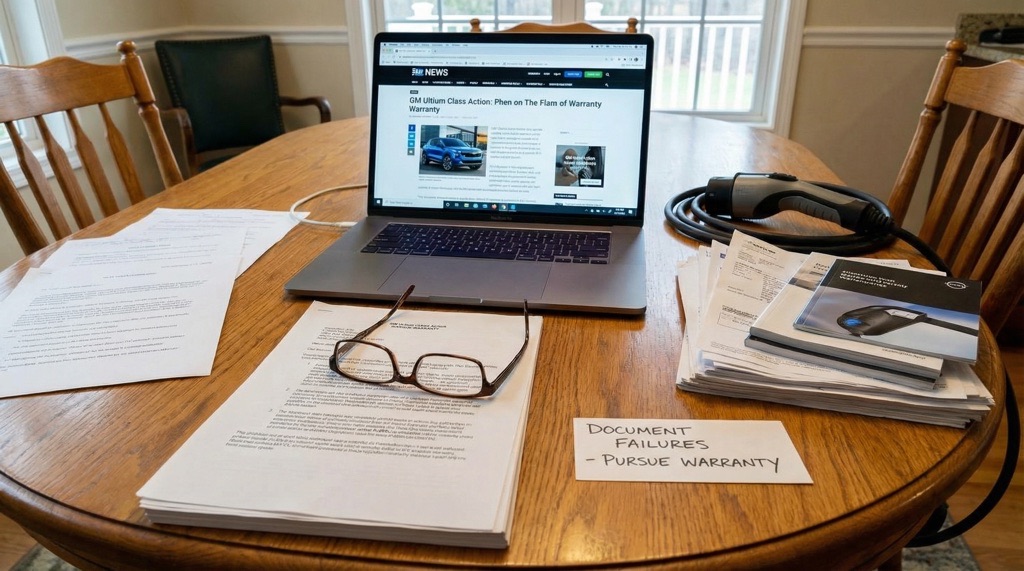

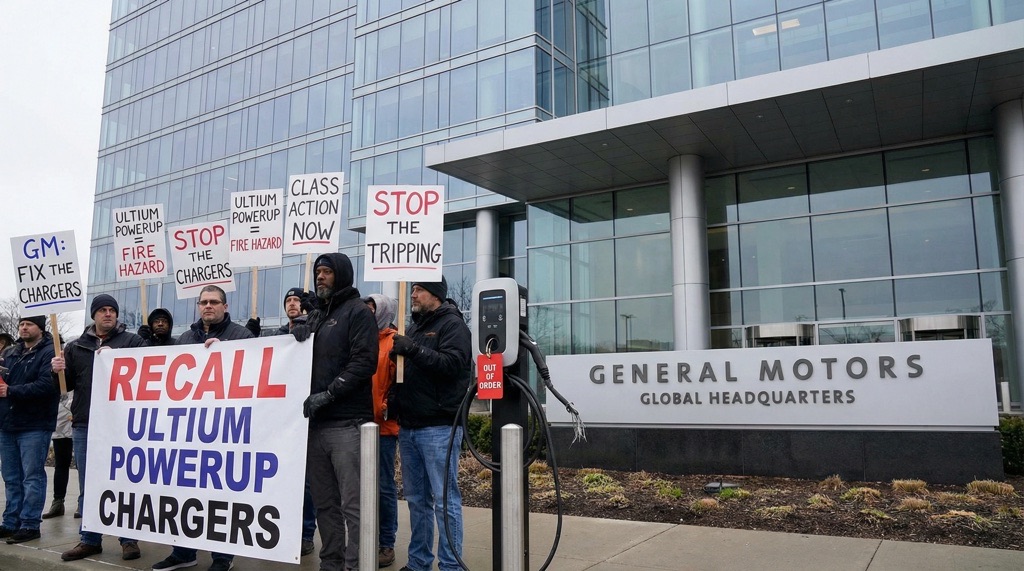
General Motors has filed a motion to dismiss a proposed class action lawsuit accusing its Ultium PowerUP Level 2 home EV charger of defects, including internal circuit breaker tripping and overheating. Filed by Florida plaintiffs Rick and Kerry Kriseman, the suit targets 2022-2024 model-year chargers sold directly by GM or through authorized dealers, claiming violations of consumer protection laws. EV owners relying on these chargers for daily use face potential disruptions, highlighting risks in the growing home-charging ecosystem for Ultium-based vehicles like the Cadillac Lyriq and Chevy Silverado EV.
Background: GM’s Ultium Platform and Home Charging Push
General Motors launched its Ultium battery platform in 2021 to power a wide range of electric vehicles, from the affordable Chevy Bolt EUX to premium models like the GMC Hummer EV. The Ultium PowerUP home charger, a Level 2 unit designed for 240V operation, was marketed as a seamless accessory to enable overnight charging at up to 11.5 kW, reducing reliance on public stations. Priced around $1,000-$1,500 depending on configuration, it integrates with the myGM app for scheduling and monitoring, positioning it as a key part of GM’s EV ownership experience.
The charger targets owners of Ultium-equipped EVs, which include over a dozen models by 2026. GM has sold tens of thousands of these vehicles, with home charging critical for practicality—public infrastructure remains inconsistent, and Level 2 units like Ultium PowerUP promise 20-30 miles of range per hour of charge. However, complaints on owner forums predate this lawsuit, with reports of intermittent failures dating back to 2022 launches. This case, filed October 28, 2025, in U.S. District Court for the Middle District of Florida (Case No. 8:25-cv-02937), seeks to represent all Florida purchasers, potentially exposing GM to broader liability if certified.
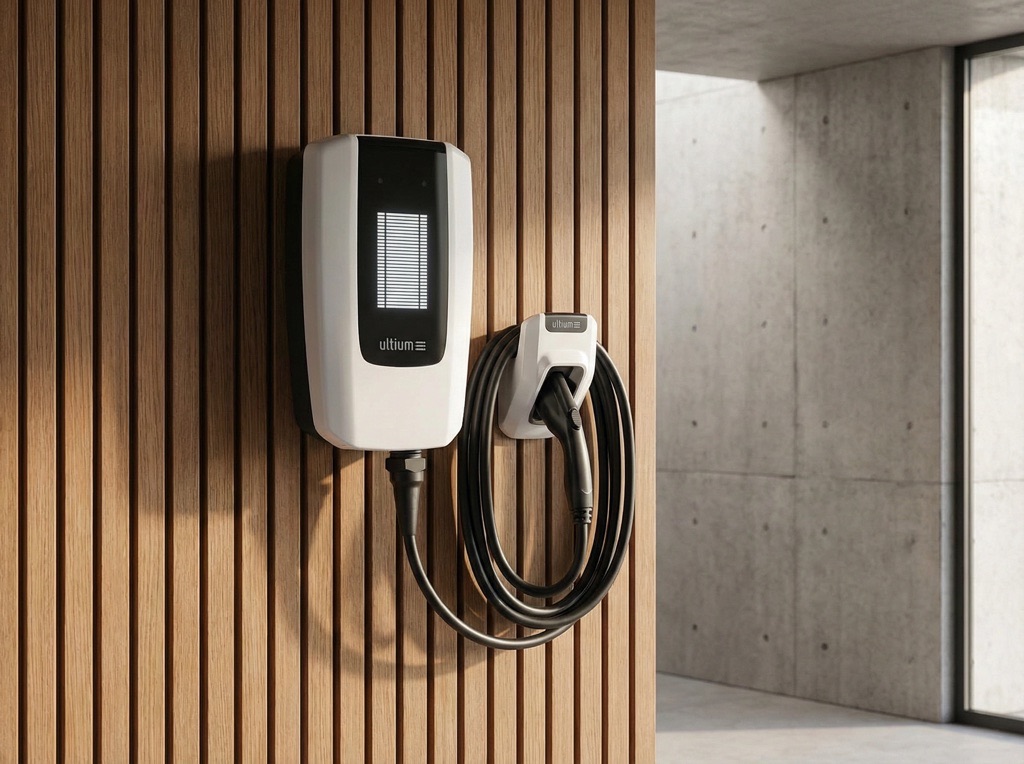
Key Specifications: Ultium PowerUP Level 2 Charger
| Specification | Details |
|---|---|
| Model Years Affected | 2022-2024 |
| Charging Level | Level 2 (240V) |
| Max Output | 11.5 kW (48A) |
| Warranty | 3-year limited parts; optional 2-year extension |
| Compatibility | Ultium EVs (e.g., Cadillac Lyriq, Chevy Blazer EV) |
| Price Range | $1,000-$1,500 (details not yet confirmed from GM) |
| App Integration | myGM app for scheduling, energy monitoring |
| Installation | Hardwired or NEMA 14-50 plug |
Note: Output and pricing based on GM marketing materials cited in complaints; exact figures for disputed units not specified in filings.
Lawsuit Allegations: Breaker Tripping and Overheating Risks
The Krisemans, who bought their charger in August 2024 from a Cadillac dealership, claim it repeatedly trips its internal circuit breaker when plugged into their EV, forcing resets of their home breaker to resume charging. After multiple failed attempts, the unit allegedly overheats, with plugs becoming hot enough to trigger vehicle alarms—a safety concern during intended use. Plaintiffs argue these defects make the charger unfit for its ordinary purpose, substantially impairing value, and accuse GM of knowing about issues pre-sale but concealing them, violating Florida’s Deceptive and Unfair Trade Practices Act (FDUTPA) and warranty laws.
Advertisements described the charger as “suitable” for home use, but plaintiffs say real-world performance falls short, disrupting routines and forcing reliance on public chargers. No recall has been issued, though internal service bulletins direct dealers to replace defective units. Represented by Morgan & Morgan, the suit demands damages of over $5 million, far exceeding warranty remedies.
 Cars
Cars
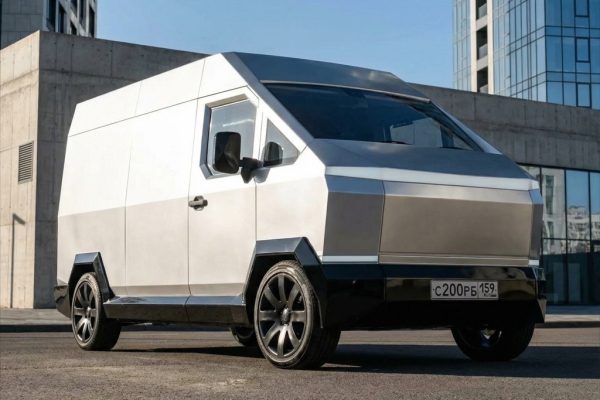
Russo-Balt F200: 200 hp Electric Van with 100-Year Stainless Steel Warranty and 400 km Range
Russo-Balt F200 is a Russian electric cargo van with a hand-welded stainless steel body, 200 hp motor, and 115 kWh...
 Cars
Cars
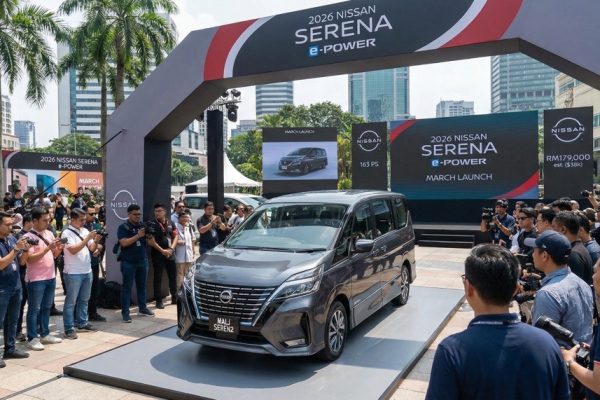
2026 Nissan Serena e-Power Delivers 163 PS Electric Drive and 400 Malaysian Bookings Before March Launch
Edaran Tan Chong Motor (ETCM) will launch the sixth-generation C28 Nissan Serena e-Power in Malaysia in early March 2026, with...
 Cars
Cars
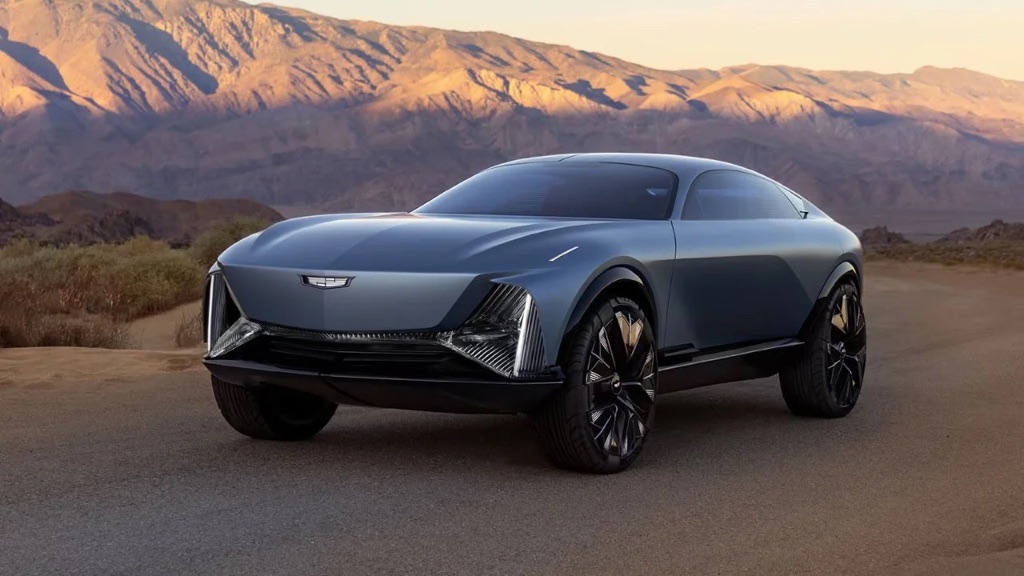
Cadillac Elevated Velocity: The Wild Electric SUV With Gullwing Doors and a Spa Inside
At Monterey Car Week 2025, Cadillac unveiled its most outrageous concept yet — the Elevated Velocity, an all-electric luxury SUV...
GM’s Motion to Dismiss: Arbitration, Warranty, and Vague Claims
GM’s January 2026 motion calls the suit “procedurally flawed” and factually deficient. Key arguments include: plaintiffs agreed to arbitration in purchase documents but ignored them; the 3-year warranty covers repair/replacement upon inspection, which plaintiffs never pursued despite paying only $405 to file suit; and claims describe “symptoms” (tripping, heat) without identifying a specific design or component defect.
GM challenges misleading ad claims, noting “suitable” isn’t empirically verifiable and lacks details on what materials plaintiffs saw, when, or where. It also cites failure to provide pre-suit notice, a requirement for resolution attempts. The warranty explicitly excludes consequential damages like inconvenience or lost time. GM insists no evidence supports pre-sale knowledge of defects.
Potential Causes: Hardware, Installation, or Software?
While filings don’t pinpoint the issue, speculation from owner reports and bulletins points to possibilities: faulty internal breakers sensitive to minor surges; improper installation lacking dedicated circuits; or software mismatches between charger firmware and Ultium vehicle BMS (Battery Management System). Overheating may stem from prolonged failed sessions, building residual heat. Dealers analyze returned units, but no widespread pattern is confirmed, suggesting isolated cases or user error for GM’s stance.
This raises unanswered questions: Are failures more common in Florida’s humid climate? Do NEMA plug vs. hardwired installs differ in reliability? GM’s Ultium ecosystem promises seamless integration, but interoperability glitches could undermine trust. Owners report service delays and partial reimbursement for installs, amplifying frustration.
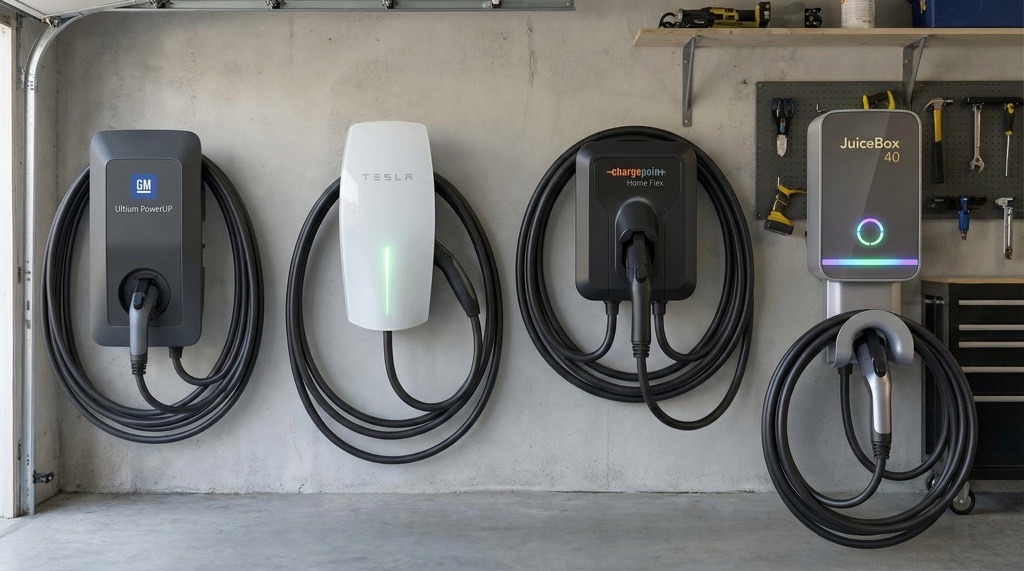
Comparison: Ultium PowerUP vs. Competitor Home Chargers
| Charger | Max Output | Warranty | Reported Issues | Price |
|---|---|---|---|---|
| GM Ultium PowerUP | 11.5 kW | 3 years | Tripping, overheating (lawsuit) | $1,000-$1,500 |
| Tesla Wall Connector | 11.5 kW (48A) | 4 years | Rare; strong reliability record | $500-$550 |
| ChargePoint Home Flex | 12 kW (50A) | 3 years | Occasional app glitches | $700-$1,000 |
| JuiceBox 40 | 9.6 kW (40A) | 3 years | Few complaints; good support | $600-$800 |
GM’s unit matches output but trails on price and warranty length vs. Tesla. No major lawsuits plague rivals, though all Level 2 chargers risk install-related trips. Ultium’s EV-specific features (app integration) add value but tie it to GM’s platform vulnerabilities.
Verdict: Watchful Eye on Warranty vs. Class Action Risks
GM’s dismissal motion has merit—vague defect claims and untried warranty remedies weaken the case, likely stalling certification. For Ultium EV owners, pursue warranty first: document failures, secure inspections, and retain receipts for potential reimbursements. This suit underscores home charging as EV ownership’s linchpin; a single weak link erodes convenience. Ideal for vigilant owners comfortable with dealer service, but risk-averse buyers may prefer third-party chargers. Broader implications loom if patterns emerge, pressuring GM to enhance QC amid EV market competition. Until resolved, details on defect root causes remain unconfirmed.