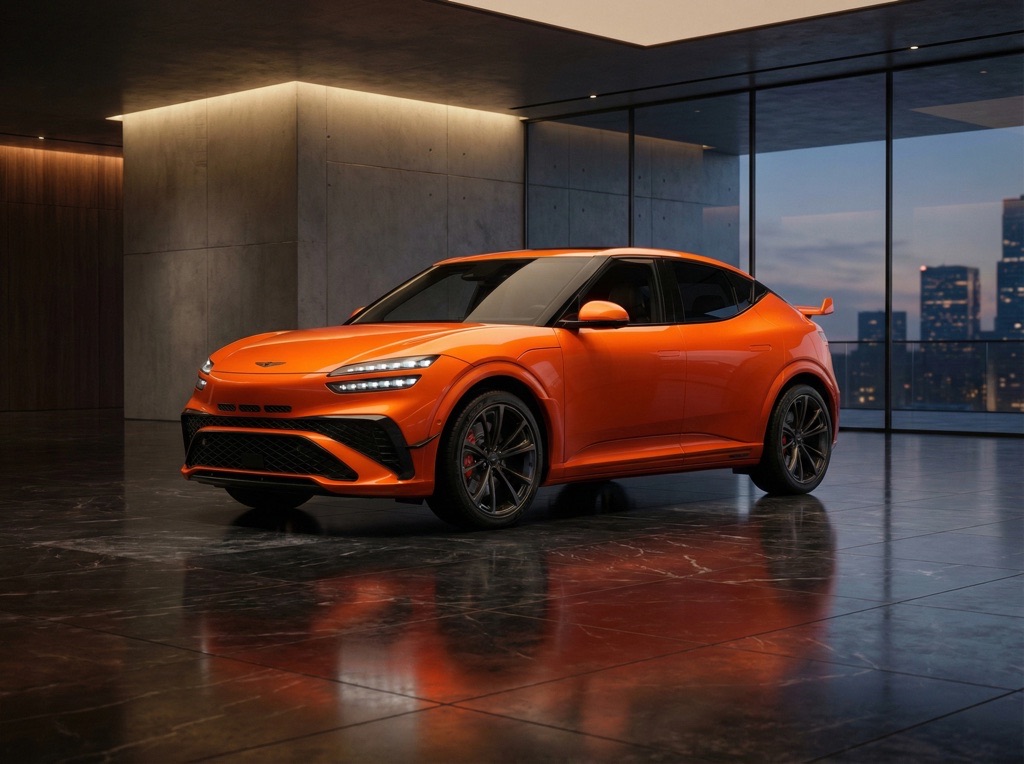

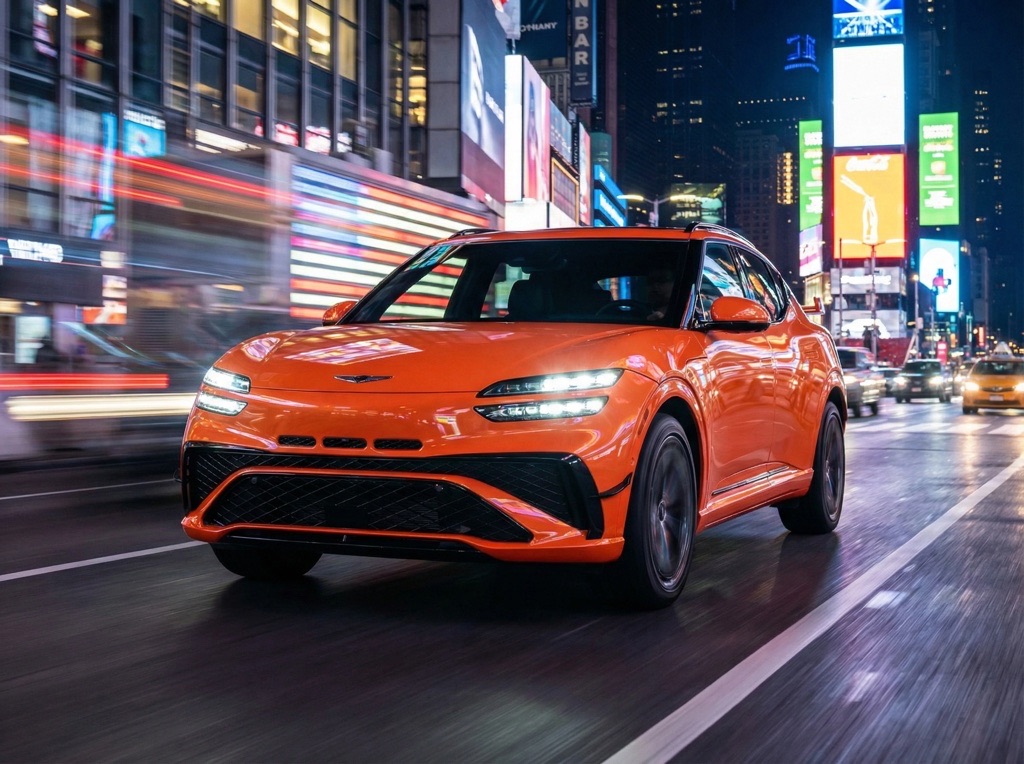
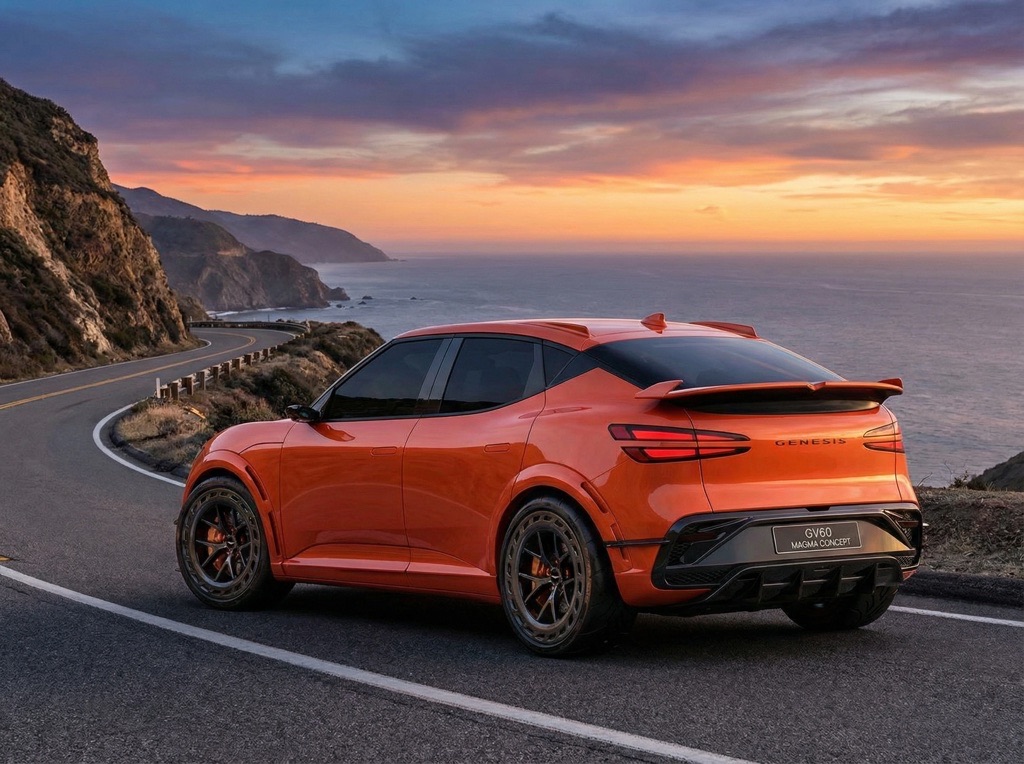
Genesis will introduce a dedicated vehicle platform in 2027 for electric and hybrid models, distinct from Hyundai’s E-GMP and M3 architectures, to deliver a premium driving experience separate from Hyundai and Kia siblings. This move addresses the challenge of justifying Genesis’s higher pricing against group volume models while competing with Audi, BMW, and Mercedes-Benz. EV buyers and luxury seekers should note this as it promises tailored dynamics like direct steering and firmer chassis tuning.
Genesis Background and Market Position
Genesis originated as a luxury division of Hyundai Motor Group, spinning off from the large Hyundai Genesis sedan to target premium segments internationally. The brand has relied on shared platforms: E-GMP for the GV60 EV and M3 for larger models including ICE and BEVs. Upcoming GV90 will use eM, an E-GMP evolution, continuing group tech reliance.
Genesis sold 220,000 units globally last year, with only 2,500 in Europe despite ambitions there. Initially planning an all-electric lineup, it shifted to include hybrids amid softening EV demand. The Magma sub-brand adds sporty appeal akin to Mercedes-AMG or BMW M. Hyundai Motor Europe CEO Xavier Martinet justifies the platform investment via group scale of 7 million units in 2025.
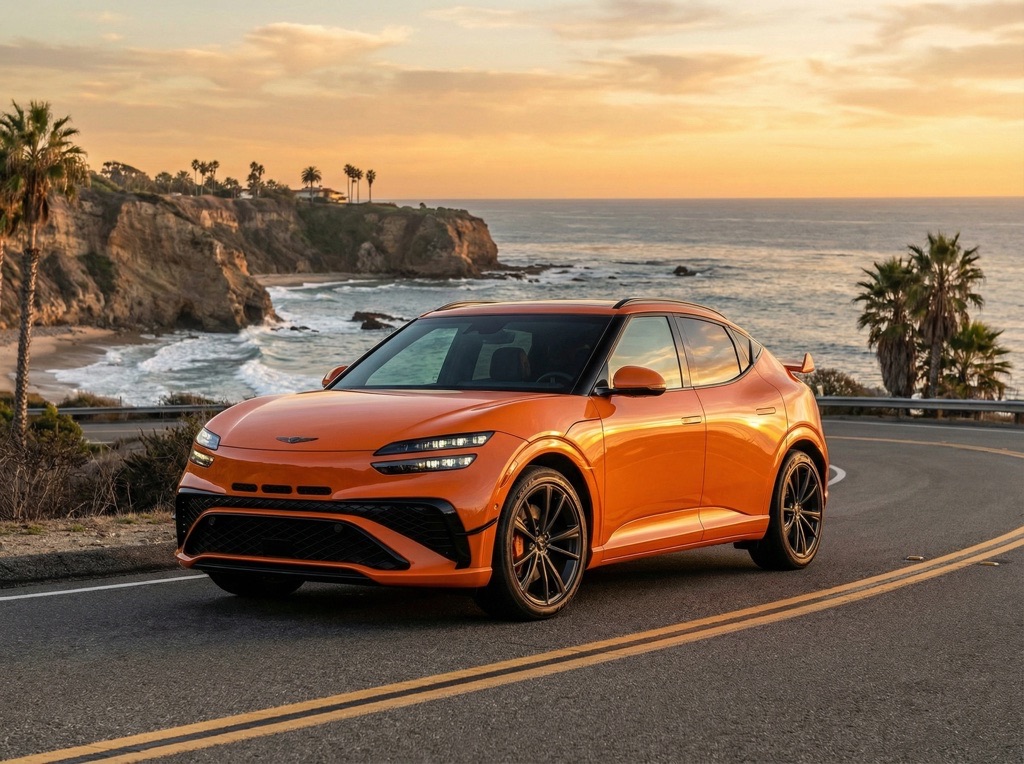
Key Specifications
| Feature | Details |
|---|---|
| Debut Year | 2027 (first model) |
| Powertrain Support | BEV and hybrids (powertrain-agnostic) |
| Differentiation from | E-GMP (GV60), M3 architecture |
| Key Tuning Targets | Direct steering, chassis not too soft, optimized packaging |
| Potential First Models | GV90 (Neolun concept), Gran Equator X production version (details not yet confirmed) |
| Drivetrain Components | Some shared with group (details not yet confirmed) |
Platform Engineering Focus
Peter Kronschnabl, Genesis Europe Chief and former BMW manager, confirmed the platform ensures driving dynamics aligned with premium positioning: “Genesis needs its own platform for the future models to fulfil the requirements of the brand’s driving dynamics.” It targets communicative steering, chassis rigidity balancing comfort and athleticism, and bespoke interior layouts unconstrained by Hyundai/Kia dimensions.
While fundamentally different from E-GMP and M3, the extent of divergence is unclear—suspension and packaging may be independently tuned even with shared drivetrain parts. The powertrain-agnostic design responds to market shifts, avoiding an all-EV commitment.
 Cars
Cars
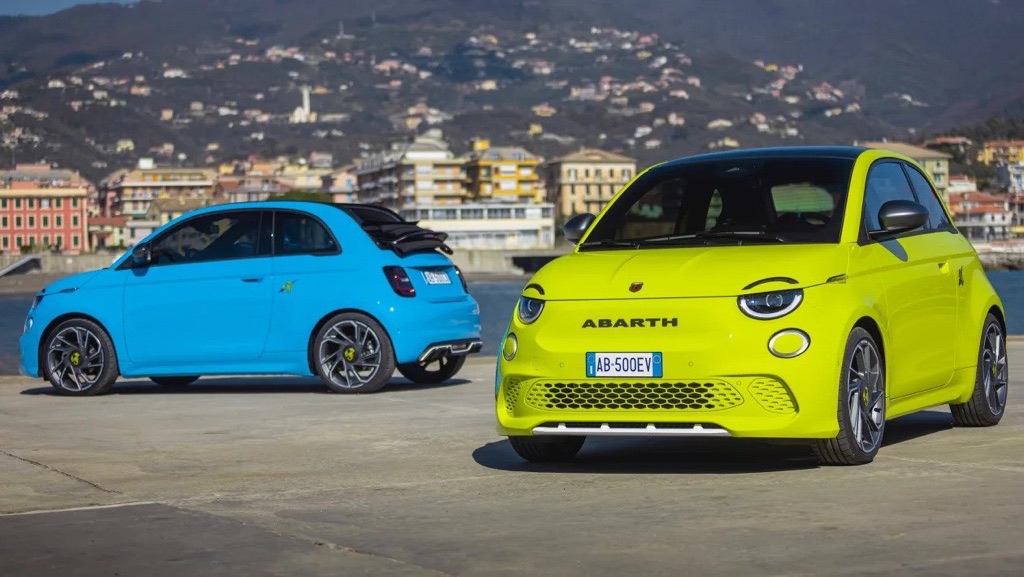
Abarth 500e Electric Revolution: The Future of Performance Meets Sustainability
The Electrifying Transformation of a Performance Icon In the world of automotive performance, few brands carry as much passion and...
 Cars
Cars
Xiaomi EV Achieves Third Straight Month of 40,000+ Deliveries: Sales Surge, New Stores & “In-Stock Purchase” Program
Xiaomi’s Electric Car Division Hits Record Growth With SU7, SU7 Ultra, and YU7 Demand Soaring Xiaomi EV continues its meteoric...
 Cars
Cars
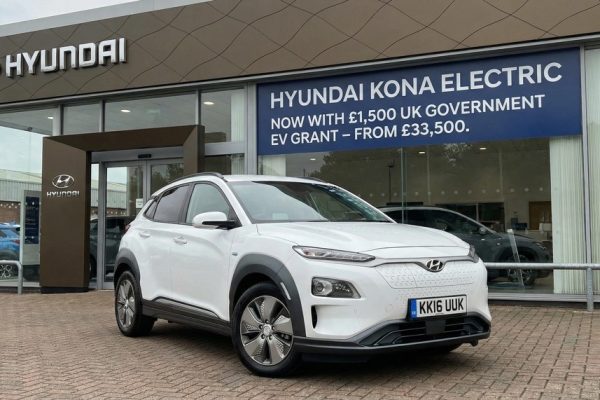
Hyundai Kona Electric Gains UK Government £1,500 EV Grant – First Hyundai Model to Qualify, Starting at £33,500
The Hyundai Kona Electric has become the first Hyundai model eligible for the UK Government’s Electric Car Grant, offering buyers...
Strategic and Market Implications
This bespoke platform strengthens Genesis’s independence within Hyundai Motor Group, aiding price justification through unique attributes. Economies of scale from group volume support the costly development, despite low European sales. Genesis won’t chase every niche but prioritizes quality over quantity.
Unanswered questions persist: exact technical differences, full drivetrain bespoke status, battery/hybrid specs, and debut model confirmation. No production details on power outputs, range, or pricing are available.
Comparison with Competitors
| Brand | Platform Strategy | Key Differentiation |
|---|---|---|
| Genesis (2027) | Bespoke for EV/hybrid | Direct steering, firm chassis vs. Hyundai E-GMP |
| Audi | Premium Platform Electric (PPE) for Q6 e-tron[knowledge] | 800V architecture, tailored luxury tuning |
| BMW | Neue Klasse EV platform (2025+)[knowledge] | Cylindrical cells, in-house from ground up |
| Mercedes-Benz | MMA for EQE/EQS, hybrids[knowledge] | Modular for multiple powertrains |
Genesis joins rivals ditching full platform sharing for luxury-specific architectures, but starts later than BMW’s Neue Klasse. Unlike Audi’s 800V focus, Genesis details remain sparse.
Verdict
Genesis’s 2027 bespoke platform is a logical step to forge a distinct premium identity, ideal for buyers prioritizing driving feel over badge prestige in EV/hybrid luxury SUVs. It suits affluent EV skeptics preferring hybrids amid infrastructure gaps, but success hinges on execution—watch for 2027 reveals to confirm if it rivals European incumbents or remains group-adjacent.